Air filters used in hospitals are a critical component of maintaining a sterile and safe environment for patients, staff, and visitors. These filters aren’t simply about removing dust; they’re engineered to capture microscopic pathogens, pollutants, and allergens that can compromise immune systems and exacerbate health conditions. The global healthcare landscape demands increasingly sophisticated air filtration systems, driven by rising concerns about airborne diseases and the need to prevent hospital-acquired infections (HAIs).
The importance of effective air filtration extends beyond infection control. Modern hospital environments contain sensitive equipment, laboratories, and specialized treatment areas requiring precise air quality control. A robust air filtration system protects this equipment, ensures accurate test results, and supports the efficacy of medical procedures. The demand for advanced air filters is directly linked to the overall quality of healthcare services and patient outcomes.
Investing in and understanding the nuances of air filters used in hospitals is no longer a luxury, but a necessity. As healthcare facilities face growing pressure to minimize costs while maximizing patient safety, selecting the right filtration solutions is paramount. This guide explores the key aspects of these vital systems, outlining their applications, advantages, and future trends, ensuring a healthier environment for all.
The Importance of Air Filters Used in Hospitals
Hospitals, by their very nature, serve as hubs for individuals with compromised immune systems. This makes them particularly vulnerable to airborne pathogens. Air filters used in hospitals represent a crucial line of defense against these threats, protecting both patients and healthcare workers. Without effective filtration, the risk of hospital-acquired infections significantly increases, leading to prolonged hospital stays, increased healthcare costs, and potentially life-threatening complications.
Beyond infection control, maintaining optimal air quality is essential for specialized medical procedures. Operating rooms, intensive care units, and laboratories all require meticulously filtered air to ensure the accuracy of diagnostic tests and the success of surgical interventions. Modern healthcare demands air filtration systems that can meet these stringent requirements and adapt to evolving clinical needs.
Global Context and Industry Relevance
Globally, the demand for effective air filters used in hospitals is soaring, fueled by factors like increasing urbanization, the rise of antibiotic-resistant bacteria, and a growing awareness of the impact of air quality on health. The World Health Organization (WHO) estimates that HAIs affect millions of patients worldwide each year, underscoring the critical need for improved infection control measures. This drives the need for more stringent hospital air quality standards.
The healthcare industry is a heavily regulated sector, with organizations like ISO (International Organization for Standardization) setting benchmarks for air quality and filtration efficiency. These standards require hospitals to implement and maintain comprehensive air filtration systems to ensure patient safety and compliance. Adhering to these standards is not only a matter of legal obligation but also of maintaining public trust and reputation.
Developing nations, experiencing rapid economic growth and increasing healthcare demands, are witnessing a particularly sharp rise in the need for advanced air filtration technologies. Investing in these technologies is crucial for bridging the gap in healthcare quality and protecting vulnerable populations. The effective deployment of air filters used in hospitals is, therefore, a global health imperative.
Defining Air Filters Used in Hospitals
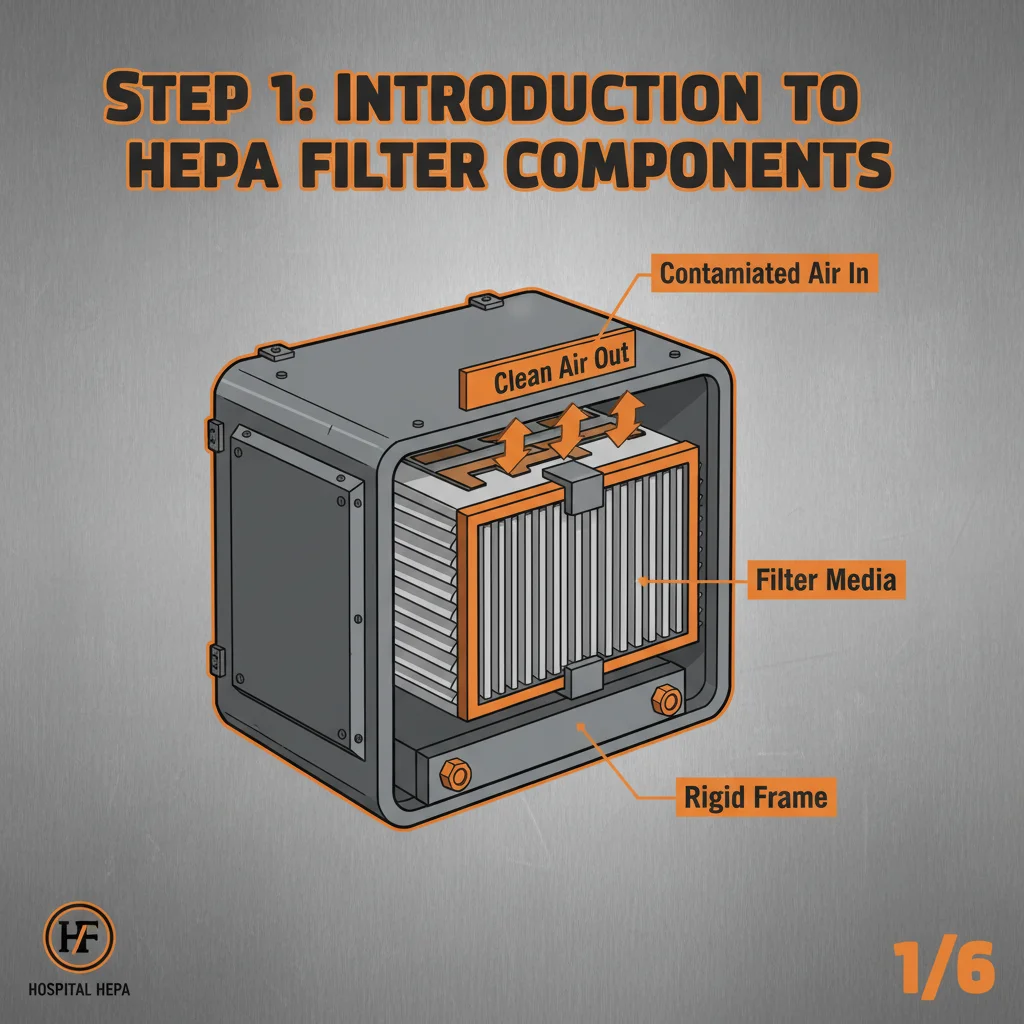
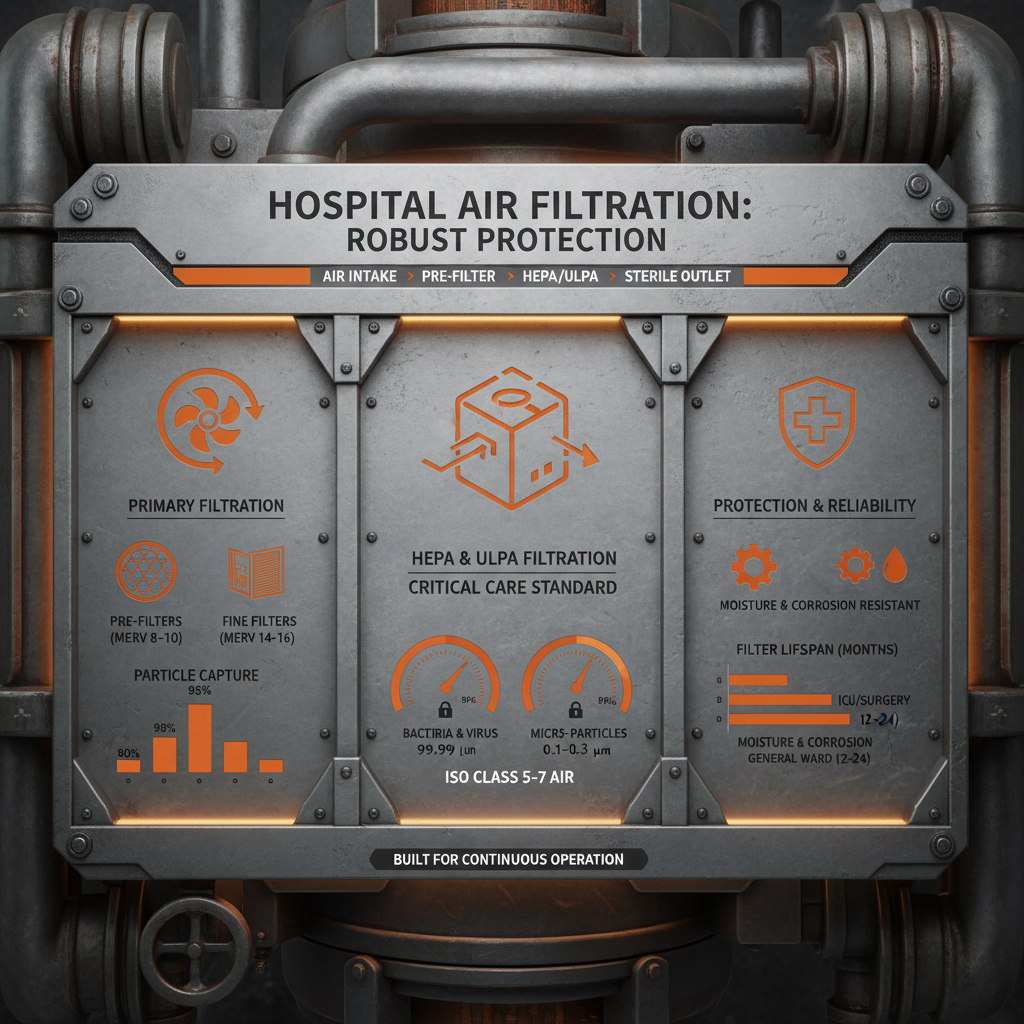
Air filters used in hospitals are specialized filtration systems designed to remove airborne particles, contaminants, and microorganisms from the air within healthcare facilities. Unlike typical HVAC filters, hospital-grade filters employ advanced technologies, such as High-Efficiency Particulate Air (HEPA) filters and Ultra-Low Penetration Air (ULPA) filters, to capture extremely small particles – often down to 0.3 microns with 99.97% efficiency.
These systems aren’t a one-size-fits-all solution. They’re integrated into comprehensive HVAC systems, often including pre-filters to remove larger particles and activated carbon filters to absorb odors and volatile organic compounds (VOCs). Their connection to modern industry stems from advancements in materials science and engineering, continually striving for greater filtration efficiency and reduced energy consumption.
The need for air filters used in hospitals directly addresses critical humanitarian needs, protecting vulnerable patients and healthcare workers from potentially life-threatening airborne diseases. They play a central role in creating a safe and sterile environment crucial for effective medical treatment and preventing the spread of infections, especially vital in situations like pandemics or localized outbreaks.
Key Factors in Hospital Air Filtration Systems
Several critical factors determine the effectiveness and suitability of air filters used in hospitals. First is Filtration Efficiency, measured by the Minimum Efficiency Reporting Value (MERV) rating. Higher MERV ratings indicate a greater ability to capture smaller particles. Second is Airflow Resistance, which affects the energy consumption of the HVAC system. Filters with high efficiency can sometimes restrict airflow, increasing energy costs.
Filter Lifespan is another crucial consideration. Filters must be replaced regularly to maintain optimal performance, and the lifespan depends on the filter type, air quality, and usage intensity. Compliance with Standards, such as HEPA and ULPA certifications, ensures that the filters meet rigorous performance criteria and are suitable for healthcare environments.
Comparison of Air Filter Performance in Hospitals
Global Applications and Use Cases
Air filters used in hospitals find application in a wide range of healthcare settings globally. In developed nations like the United States and Germany, they are standard equipment in all major hospitals and healthcare facilities, integrated into sophisticated HVAC systems. In developing countries, the implementation of these filters is growing rapidly, particularly in newly constructed hospitals and specialized treatment centers.
These filters are essential in operating rooms, preventing airborne contamination during surgical procedures. They're also crucial in intensive care units (ICUs), protecting critically ill patients with weakened immune systems. Beyond these core areas, they are deployed in laboratories, pharmacies, and ventilation systems throughout the hospital to maintain overall air quality.
Furthermore, air filters used in hospitals are increasingly being used in mobile healthcare units and temporary hospitals set up in response to emergencies or natural disasters, providing a critical layer of protection in challenging environments. In post-disaster relief operations, maintaining air quality is vital for preventing the spread of infections and protecting both patients and aid workers.
Advantages and Long-Term Value
The advantages of investing in high-quality air filters used in hospitals are substantial. Tangible benefits include reduced healthcare-associated infection rates, leading to shorter hospital stays, lower treatment costs, and improved patient outcomes. Sustainable filter technologies can also lower energy consumption, resulting in long-term cost savings.
Beyond the economic benefits, there's a significant social impact. Providing a safe and sterile environment fosters trust between patients and healthcare providers, enhancing the overall patient experience. The use of advanced filtration systems demonstrates a commitment to patient safety and well-being, bolstering the hospital's reputation and building community confidence.
Future Trends and Innovations
The future of air filters used in hospitals is poised for significant innovation. Research is focusing on developing filters with enhanced antimicrobial properties, utilizing materials like silver nanoparticles or graphene to actively kill pathogens. Smart filters, equipped with sensors and data analytics, are also emerging, providing real-time monitoring of air quality and predictive maintenance alerts.
Another key trend is the integration of air filtration systems with building automation systems (BAS), allowing for centralized control and optimization of air quality throughout the hospital. The development of more energy-efficient filters and the use of sustainable materials are also gaining traction, aligning with the growing emphasis on green building practices and environmental responsibility.
Challenges and Solutions
Despite the advancements in air filter technology, several challenges remain. The high initial cost of advanced filtration systems can be a barrier to adoption, particularly in resource-constrained healthcare facilities. Maintaining proper filter maintenance and replacement schedules can also be a logistical challenge, requiring dedicated staff and robust tracking systems.
To address these challenges, innovative financing models, such as leasing or pay-per-use arrangements, are emerging. Developing user-friendly monitoring systems and automated maintenance reminders can simplify filter management. Collaborative partnerships between hospitals, filter manufacturers, and HVAC service providers can also help to optimize performance and reduce costs.
Furthermore, education and training programs for healthcare staff are crucial for ensuring the effective operation and maintenance of air filtration systems, maximizing their long-term benefits.
Summary of Challenges and Solutions for Air Filter Implementation in Hospitals
| Challenge |
Impact on Hospital |
Proposed Solution |
Implementation Difficulty (1-5, 5=High) |
| High Initial Cost |
Limits adoption in resource-constrained hospitals |
Leasing programs, pay-per-use models |
3 |
| Maintenance & Replacement |
Reduced filter efficiency, increased infection risk |
Automated reminders, integrated monitoring systems |
2 |
| Lack of Staff Training |
Improper filter handling, suboptimal performance |
Dedicated training programs, certifications |
4 |
| Airflow Resistance |
Increased energy consumption, HVAC strain |
Optimized filter selection, system balancing |
3 |
| Compliance Complexity |
Risk of non-compliance with regulatory standards |
Consulting services, automated reporting |
4 |
| Filter Disposal |
Environmental concerns, proper handling required |
Recycling programs, responsible disposal protocols |
2 |
FAQS
HEPA (High-Efficiency Particulate Air) filters remove at least 99.97% of particles 0.3 microns in size, while ULPA (Ultra-Low Penetration Air) filters are even more efficient, capturing 99.999% of particles of the same size. ULPA filters are typically used in critical environments like operating rooms and research labs where the highest level of air purity is required. The choice depends on the specific application and risk level within the hospital setting.
The frequency of air filter replacement depends on several factors, including the filter type, air quality, and hospital usage. Typically, pre-filters should be changed every 1-3 months, while HEPA and ULPA filters may last 6-12 months or longer. Regular monitoring of pressure drop across the filter is crucial for determining when a replacement is needed. Adhering to a strict maintenance schedule is essential for maintaining optimal air quality.
Airflow is critical for effective air filtration. Sufficient airflow ensures that air is consistently drawn through the filters, maximizing their effectiveness. Proper HVAC system design and maintenance are essential for maintaining optimal airflow rates. Restrictions in airflow can reduce filtration efficiency and increase energy consumption, highlighting the importance of regular system checks and balancing.
Yes, look for filters that are certified by organizations like ASHRAE and ISO. HEPA filters should meet the HEPA standard (EN 1822), and ULPA filters should meet the ULPA standard (EN 1822). These certifications verify that the filters meet rigorous performance requirements and are suitable for use in healthcare settings. Ensure the filters are also compliant with local and national air quality regulations.
Smart air filters integrate sensors and data analytics to provide real-time monitoring of air quality, filter performance, and system health. This allows for proactive maintenance, optimized filter replacement schedules, and improved energy efficiency. They can also generate alerts when air quality falls below acceptable levels, enabling rapid response and preventing potential health risks.
Used air filters can contain hazardous materials, so proper disposal is crucial. Hospitals should follow local and national regulations for medical waste disposal. Many filter manufacturers offer recycling programs or guidance on responsible disposal practices. Proper containment and labeling of used filters are essential to prevent environmental contamination and ensure worker safety.
Conclusion
Air filters used in hospitals are an indispensable component of modern healthcare, playing a critical role in protecting patients, staff, and visitors from airborne threats. Their effectiveness depends on a range of factors, including filtration efficiency, airflow resistance, and proper maintenance. Investing in advanced filtration systems and adhering to best practices are essential for creating a safe and sterile hospital environment, reducing healthcare-associated infections, and improving patient outcomes.
Looking ahead, innovations in filter technology, such as antimicrobial coatings and smart monitoring systems, promise to further enhance air quality and reduce healthcare costs. By embracing these advancements and prioritizing air filtration as a core element of infection control, hospitals can create a healthier and more resilient future for all. For more information on optimizing your hospital’s air filtration system, visit our website: www.meshmachinery.com.