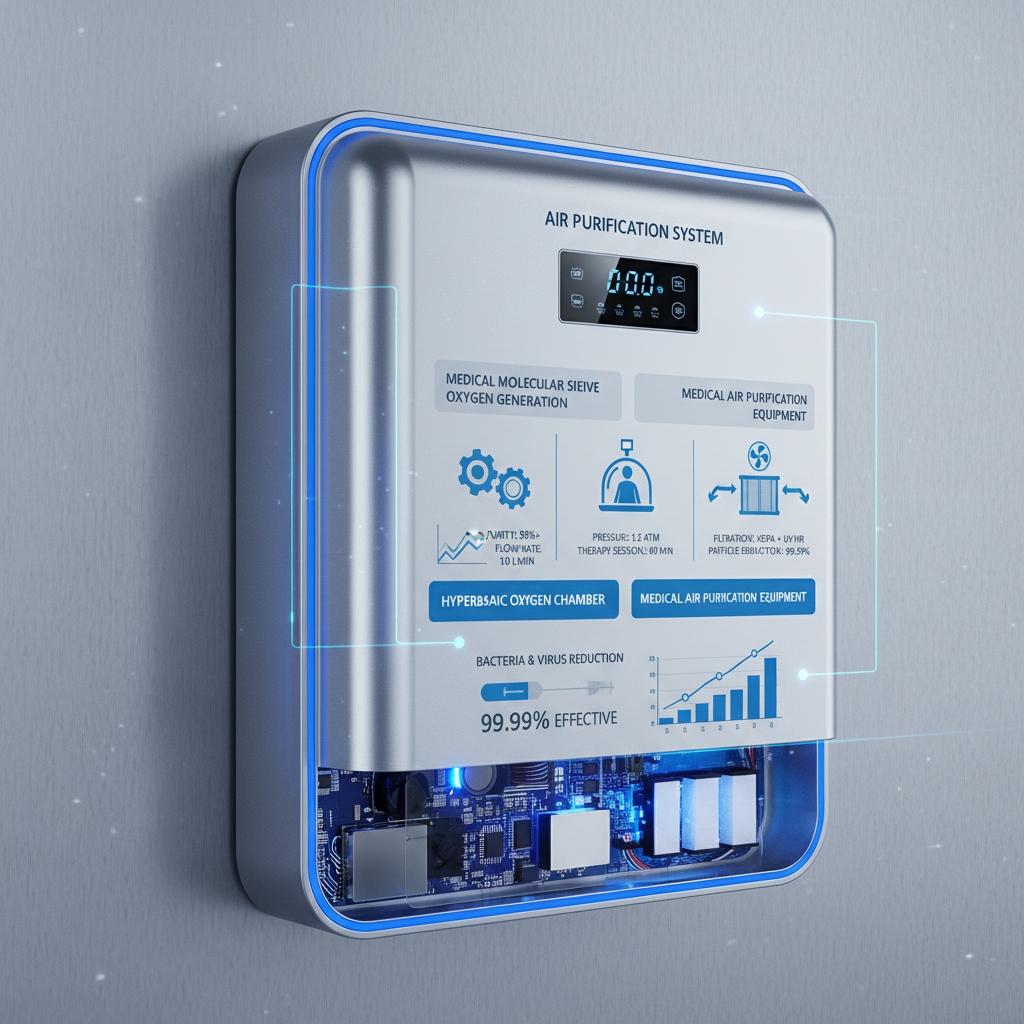
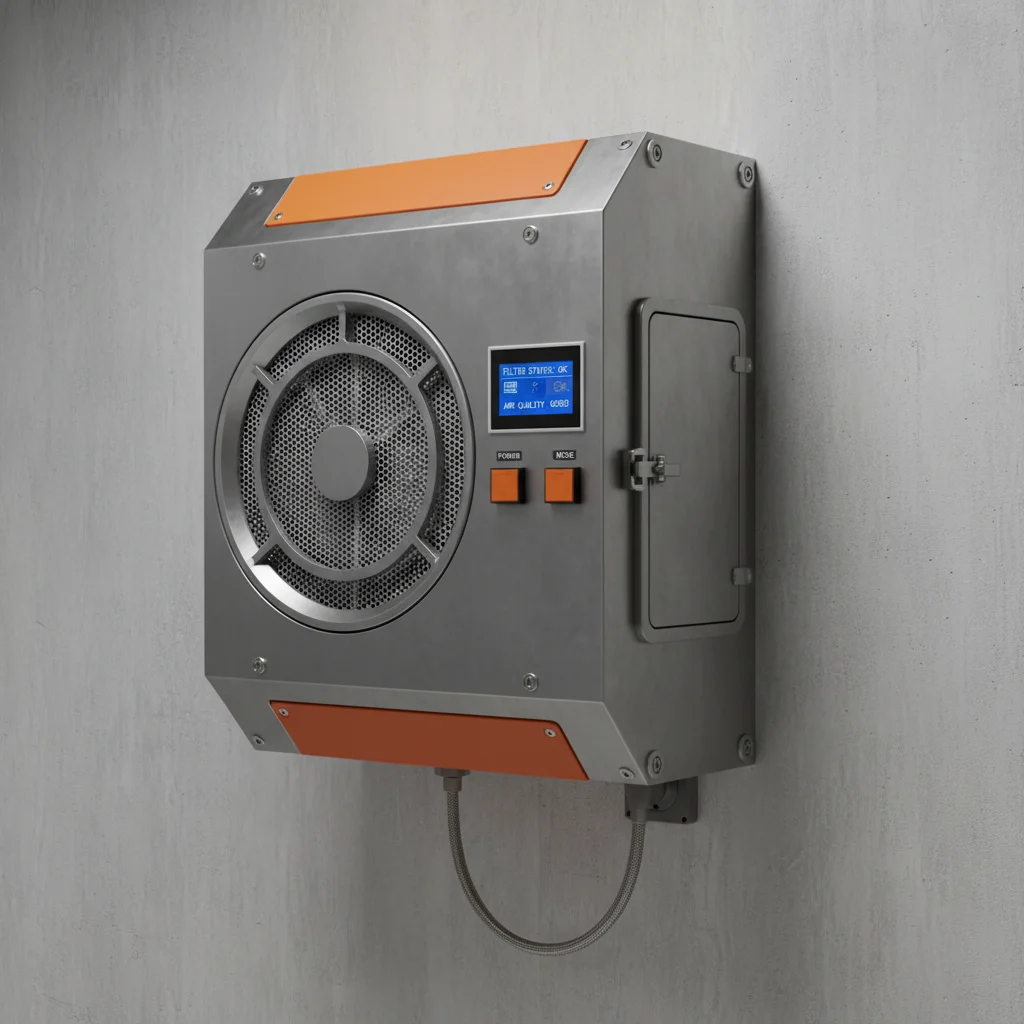
The rising global concern over indoor air quality has fueled demand for effective purification solutions. Wall hung air purifiers represent a significant advancement in this field, offering a convenient and space-saving way to improve air quality in homes, offices, and industrial settings. Their ability to filter out pollutants, allergens, and even viruses makes them essential for maintaining a healthy environment, especially given increasing urbanization and industrial emissions. Understanding the functionality and benefits of a wall hung air purifier is crucial for businesses and individuals alike.
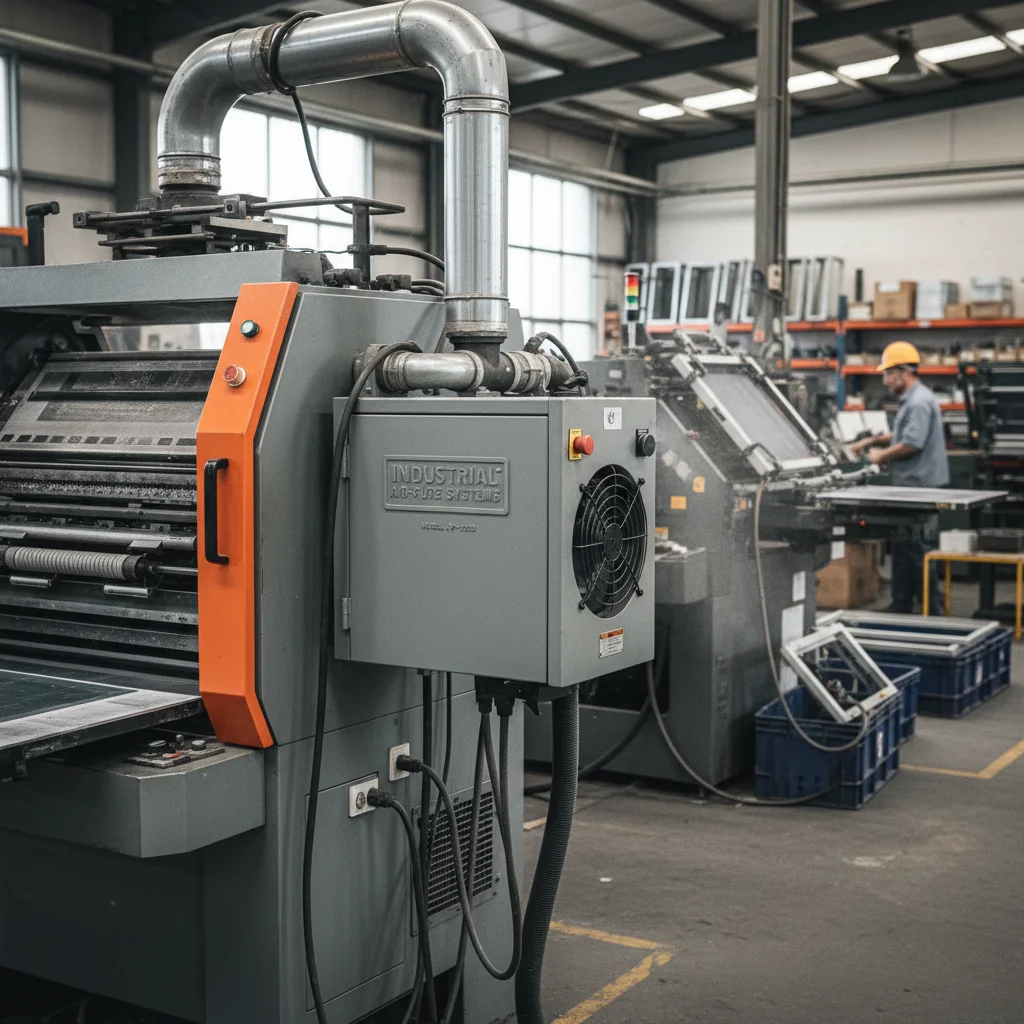
These devices are particularly relevant in manufacturing environments like ours – specializing in Mesh Weaving Machines, Welding Mesh Machines, Wire Mesh Punching Machines, and Wire Mesh Welding Machines – where particulate matter from metalworking processes can significantly impact worker health and productivity. The compact design of a wall hung air purifier allows for easy integration into existing workspaces, without disrupting operations. This proactive approach to air quality management can translate to reduced healthcare costs, increased employee morale, and improved overall manufacturing efficiency.
Furthermore, the escalating need for cleaner air isn’t limited to industrial applications. Residential demand is surging as people become more aware of the health implications of poor air quality. This expanding market necessitates reliable and effective air purification technology, driving innovation in filter technology and device design. Choosing the right wall hung air purifier, therefore, requires considering factors like filter efficiency, airflow rate, and noise level.
The Growing Importance of wall hung air purifier
The increasing awareness of indoor air pollution and its impact on human health has dramatically heightened the importance of air purification technologies. Globally, the World Health Organization (WHO) estimates that 99% of the population breathes air that exceeds WHO air quality limits. This pervasive problem necessitates solutions like a wall hung air purifier, which can effectively mitigate the risks associated with airborne pollutants.
Specifically, in manufacturing settings, where processes like mesh weaving and welding generate particulate matter, the importance of air purification cannot be overstated. Exposure to these particles can lead to respiratory issues, cardiovascular problems, and reduced worker productivity. Investing in effective air purification systems is therefore not only a matter of employee well-being but also a strategic business decision.
Defining Wall Hung Air Purification Technology
A wall hung air purifier is a device designed to remove contaminants from the air in a closed environment. Unlike freestanding units, they are mounted on walls, saving valuable floor space. These purifiers utilize various filtration technologies, most commonly HEPA (High-Efficiency Particulate Air) filters, activated carbon filters, and sometimes UV-C sterilization. HEPA filters capture at least 99.97% of airborne particles 0.3 microns in diameter, including dust, pollen, mold spores, and some bacteria.
Activated carbon filters absorb odors, gases, and volatile organic compounds (VOCs), contributing to a more pleasant and healthy indoor environment. The integration of these technologies into a compact, wall-mounted unit makes them ideal for both residential and commercial applications. A properly functioning wall hung air purifier contributes significantly to improved indoor air quality.
The connection to modern industry and humanitarian needs is direct. In manufacturing, as in our metal mesh production, they control particulate matter. In disaster relief, they provide clean air in temporary shelters, preventing the spread of airborne diseases.
Core Components and Functionality
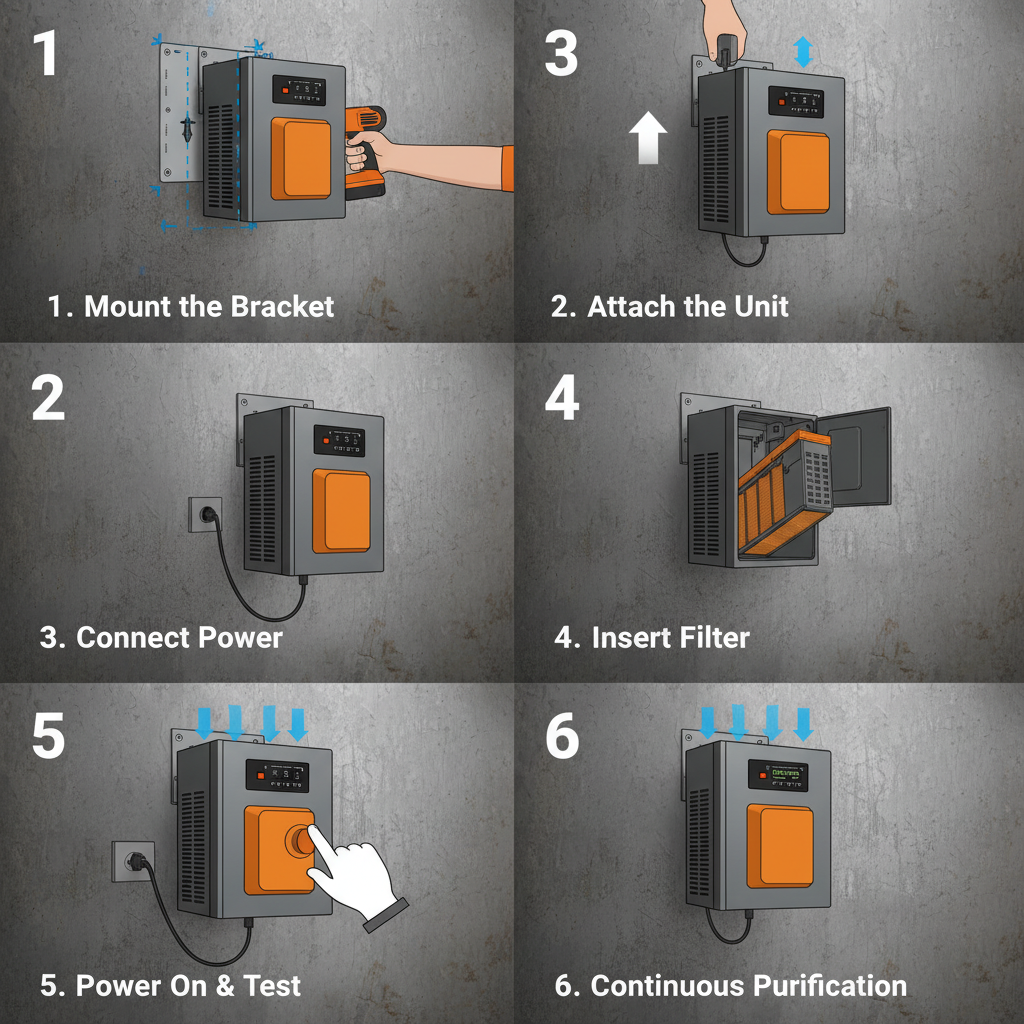
The core functionality of a wall hung air purifier relies on a combination of key components. These include a pre-filter to capture larger particles like dust and pet dander, a HEPA filter for fine particulate matter, an activated carbon filter for odors and gases, and a fan to circulate air through the filtration system. Some advanced models also incorporate UV-C lamps for sterilization and sensors to monitor air quality.
Understanding the airflow rate (measured in cubic feet per minute or CFM) is crucial when selecting a unit. A higher CFM indicates the purifier can clean a larger space more effectively. The Clean Air Delivery Rate (CADR) is another important metric, indicating how quickly the purifier removes specific pollutants. A wall hung air purifier with a high CADR will be more effective at improving air quality in a given area.
Filter replacement is a critical aspect of maintaining purifier performance. Filters need to be replaced regularly, as recommended by the manufacturer, to ensure optimal filtration efficiency. Neglecting filter replacement can lead to reduced performance and even the release of trapped pollutants back into the air.
Key Performance Indicators for wall hung air purifier
Evaluating the performance of a wall hung air purifier requires considering several key performance indicators. Filter efficiency, measured as the percentage of particles captured, is paramount. Airflow rate (CFM) dictates the volume of air cleaned per unit time. CADR (Clean Air Delivery Rate) quantifies the speed of pollutant removal for specific contaminants.
Noise level, measured in decibels (dB), is also a critical factor, particularly in sensitive environments like offices or bedrooms. Energy consumption, expressed in watts, impacts operating costs. The lifespan of filters and the cost of replacement filters are essential long-term considerations for a wall hung air purifier.
Comparative Performance of Wall Hung Air Purification Methods
Global Applications and Industry Integration
Wall hung air purifiers find application across a diverse range of sectors. In healthcare facilities, they maintain sterile environments, reducing the risk of infection. In educational institutions, they improve air quality for students and staff, enhancing learning and concentration. Within the manufacturing sector, they mitigate exposure to hazardous airborne particles.
In post-disaster relief operations, these purifiers provide critical air filtration in temporary shelters, protecting vulnerable populations. In remote industrial zones, where access to clean air is limited, they safeguard worker health and productivity. Even in residential settings, their compact design and efficient performance make them a popular choice for improving indoor air quality.
Benefits and Long-Term Value Proposition
The benefits of implementing wall hung air purifiers are multifaceted. From a cost perspective, improved air quality can lead to reduced healthcare expenses and increased worker productivity. From a sustainability standpoint, they contribute to a healthier indoor environment and reduce reliance on energy-intensive ventilation systems. The social impact is significant, enhancing the well-being of individuals and communities.
The long-term value lies in the proactive approach to health and safety. Investing in air purification demonstrates a commitment to employee well-being, enhancing corporate reputation and attracting and retaining talent. A wall hung air purifier is not merely a purchase; it's an investment in a healthier, more productive future.
Future Trends and Innovation in Wall Hung Air Purification
The future of wall hung air purification is poised for significant innovation. The integration of smart technology, including air quality sensors and remote control via mobile apps, is becoming increasingly prevalent. Advanced filtration materials, such as graphene-based filters, offer enhanced efficiency and durability.
Furthermore, the trend towards energy efficiency is driving the development of purifiers with lower power consumption. The incorporation of UV-C sterilization technology for virus inactivation is gaining traction. The application of AI to optimize filter replacement schedules and airflow patterns represents another exciting frontier.
These innovations are aligned with the broader goals of green energy, digital transformation, and sustainability, positioning wall hung air purifiers as a crucial component of a healthier and more environmentally responsible future.
Key Factors Influencing the Effectiveness of Wall Hung Air Purification Systems
| Filter Type |
Airflow Rate (CFM) |
Noise Level (dB) |
Energy Consumption (Watts) |
| HEPA Filter |
150 CFM |
45 dB |
40W |
| Activated Carbon Filter |
200 CFM |
50 dB |
50W |
| UV-C Sterilization |
100 CFM |
40 dB |
30W |
| Pre-Filter |
250 CFM |
55 dB |
60W |
| Multi-Stage Filtration |
180 CFM |
48 dB |
45W |
| Smart Sensor Integration |
120 CFM |
42 dB |
35W |
FAQS
The ideal placement is central to the room, away from obstructions like furniture and curtains. Mounting it at an appropriate height ensures optimal air circulation. Avoid placing it directly next to walls or corners, as this can restrict airflow. The goal is to allow the purifier to draw air from as much of the room as possible. A wall hung air purifier's efficiency is greatly improved with correct positioning.
Filter replacement frequency depends on usage and air quality. Generally, HEPA filters should be replaced every 6-12 months, while activated carbon filters require replacement every 3-6 months. Pre-filters can be washed or replaced monthly. Check the manufacturer's recommendations for your specific model. Regular filter replacement is crucial for maintaining optimal performance and preventing the re-release of captured pollutants.
Most modern wall hung air purifiers are designed to be energy efficient. They typically consume between 30-60 watts of power, comparable to a standard light bulb. Look for models with Energy Star certification for guaranteed energy savings. Using a lower fan speed can further reduce energy consumption without significantly impacting air purification performance.
While HEPA filters can capture virus-laden particles, some air purifiers incorporate UV-C light for additional virus inactivation. UV-C light damages the viral RNA, rendering them harmless. It's important to note that UV-C lamps must be properly shielded to prevent exposure to harmful radiation. A combination of HEPA filtration and UV-C sterilization offers the most effective protection.
CFM (Cubic Feet per Minute) measures the volume of air a purifier can circulate per minute. CADR (Clean Air Delivery Rate) measures the speed at which a purifier removes specific pollutants (dust, pollen, smoke) from a room. CADR is a more useful metric for assessing a purifier's effectiveness in cleaning the air, while CFM indicates its airflow capacity.
For large industrial spaces, multiple wall hung air purifiers or larger, more powerful units may be required. Assess the space's volume and pollution levels to determine the appropriate number and capacity of purifiers. Regular maintenance and filter replacement are especially important in industrial environments where pollution levels are high. Consider models designed for continuous operation.
Conclusion
In conclusion, wall hung air purifiers are a vital technology for enhancing indoor air quality in a variety of settings, from industrial facilities like ours producing mesh and welding machines to homes and public spaces. Their compact design, efficient filtration, and increasingly sophisticated features make them a valuable investment in health, productivity, and well-being. Understanding the key components, performance indicators, and future trends in this field is crucial for making informed decisions.
Looking ahead, the integration of smart technology and advanced filtration materials will further enhance the effectiveness and accessibility of wall hung air purification. We encourage you to explore the options available and prioritize air quality as a cornerstone of a healthier and more sustainable future. For more information and to explore our range of solutions, visit our website: www.meshmachinery.com.