The global industrial landscape is witnessing a significant shift toward precision engineering and automated production, where the demand for specialized metal components is higher than ever. In the context of healthcare infrastructure, the availability of a high-quality medical oxygen generator for sale often depends on the underlying structural components, such as precision-engineered meshes and filters, which ensure the purity and flow of life-saving gases.
Understanding the synergy between heavy machinery manufacturing and medical-grade equipment is essential for stakeholders aiming to optimize supply chains. While the core of a medical system is the gas generation, the physical architecture—including the screens and filters produced by expanded mesh machines—plays a critical role in maintaining the operational integrity and safety standards required by international health organizations.
For those seeking a medical oxygen generator for sale, it is equally important to recognize the technical precision involved in the materials used for filtration and shielding. By integrating advanced metallurgy and automated punching technology, manufacturers can produce the diamond meshes and circular holes necessary for the high-efficiency airflow and noise reduction required in medical environments.

The Technical Synergy of Expanded Mesh and Medical Systems
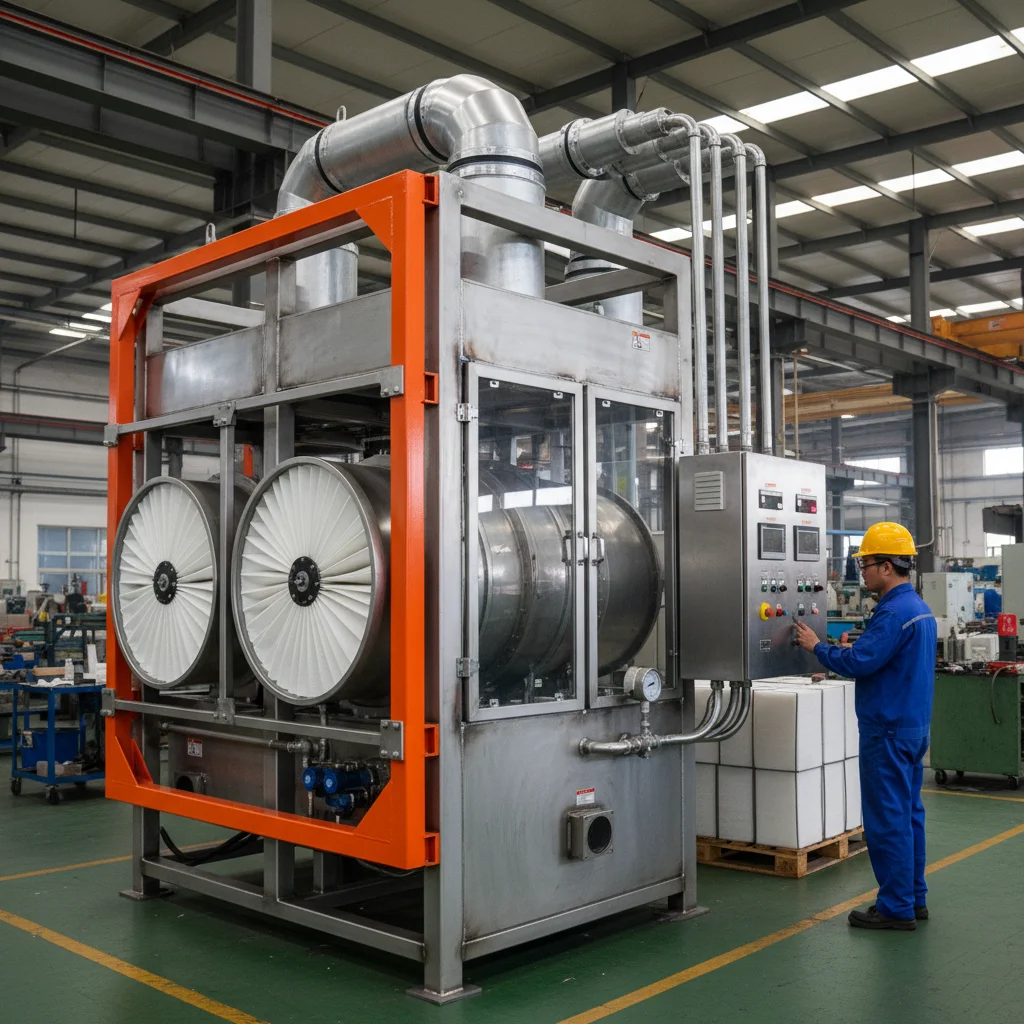
The production of a medical oxygen generator for sale requires a sophisticated array of internal components, many of which rely on expanded metal technology. Expanded mesh machines are designed to punch and cut steel or iron plates, stretching them into a precise diamond mesh that serves as an ideal base for filters, stereo shields, and protective covers within oxygen generation units.
By utilizing PLC-controlled mesh length and pneumatic clutch devices, these machines ensure a stable operation that produces uniform mesh openings. This level of consistency is paramount when fabricating the structural supports and air-intake screens that keep medical generators running safely and efficiently in high-pressure environments.
Material Versatility for Specialized Gas Equipment
The efficacy of any medical oxygen generator for sale is largely determined by the materials used in its construction, particularly those resistant to corrosion and oxidation. Modern expanded mesh machines are capable of processing a wide range of materials, including low carbon steel, stainless steel, aluminum, copper, and nickel sheets.
Stainless steel and aluminum magnesium alloys are particularly favored for medical applications due to their hygienic properties and durability. These materials ensure that the filtration screens do not degrade over time, maintaining the purity of the oxygen being generated and ensuring the equipment meets stringent health safety standards.
Furthermore, the ability to switch between different upper cutters allows manufacturers to achieve various mesh opening sizes. This flexibility is crucial for creating the specific porosity required for different stages of the oxygen generation process, from coarse pre-filtration to fine particulate shielding.
Precision Engineering for Air Filtration Components
Precision is the cornerstone of the medical industry, and when searching for a medical oxygen generator for sale, the quality of the filtration mesh is a key technical indicator. The process of punching steel plates to form circular holes or complex shaped meshes allows for an optimized airflow that reduces turbulence and improves gas output.
The integration of high-quality electrical components ensures that the expanded mesh machine operates with minimal deviation. This precision directly impacts the performance of the medical oxygen generator for sale, as any inconsistency in the mesh diameter could lead to inefficient filtration or structural weaknesses in the unit's chassis.
Additionally, the application of diamond mesh in stereo shields and first-class sound cases helps in dampening the acoustic noise produced by the compressor of a medical oxygen generator for sale. This ensures that the equipment can be used in patient-facing environments without creating disruptive noise levels.
Operational Efficiency and Machine Performance
To maintain a steady supply of components for a medical oxygen generator for sale, production speed and stability are critical. The LN25-25 model, for example, operates at a working speed of 250-280 times per minute, allowing for the rapid production of mesh sheets with a maximum width of 1250mm.
This high throughput, combined with a motor power of 5.5kw and precise feeding distances (0-10mm), ensures that manufacturers can scale their production to meet global healthcare demands without compromising the tight tolerances required for medical-grade hardware.
Performance Ratings for Medical Component Fabrication
Global Applications in Healthcare Infrastructure
The demand for a medical oxygen generator for sale is particularly acute in remote industrial zones and post-disaster relief operations, where traditional oxygen cylinder logistics are impractical. In these regions, the reliability of the machine's protective mesh and filtration systems ensures that the equipment can withstand harsh environmental conditions.
Across various continents, from urban hospitals in Asia to rural clinics in Africa, the use of expanded metal for decoration and covering screens in medical facilities provides a balance of aesthetic appeal and functional protection, ensuring that sensitive gas-generation equipment remains ventilated yet secure.
Long-Term Value and Sustainable Manufacturing
Investing in a high-quality medical oxygen generator for sale provides long-term value through reduced maintenance and increased operational lifespans. The use of nickel and stainless steel sheets in the construction of filters and shields prevents premature wear and tear, ensuring that the device remains reliable for years of service.
Sustainability in manufacturing is also achieved by the efficiency of the expanded mesh process, which creates a perforated pattern without removing any material from the sheet. This "zero-waste" approach to metal fabrication reduces the environmental footprint of producing medical hardware.
Ultimately, the trust placed in medical equipment stems from the reliability of its smallest components. By utilizing pneumatic clutch devices for stability and PLC for precision, manufacturers can guarantee a standard of quality that provides dignity and safety to patients worldwide.
Future Innovations in Metal Mesh Fabrication
The future of the medical oxygen generator for sale market will be driven by digital transformation and the integration of smarter materials. We anticipate the rise of "intelligent meshes" that can sense pressure changes and adjust airflow, requiring even more precise punching and stretching capabilities from fabrication machinery.
Automation will continue to play a central role, with the evolution of PLC systems allowing for real-time adjustments to mesh density and length. This will enable the creation of customized filtration components tailored to the specific purity requirements of next-generation oxygen concentrators.
As the industry moves toward green energy, the shift toward lightweight aluminum-magnesium alloys will further reduce the energy consumption of transporting and operating medical equipment, making healthcare more accessible and eco-friendly.
Technical Analysis of Expanded Mesh Specifications for Medical Hardware
| Material Type |
Corrosion Resistance |
Filtration Efficiency |
Application Suitability |
| Stainless Steel |
High (10/10) |
Excellent |
Internal Gas Filters |
| Aluminum Sheet |
Medium (7/10) |
Good |
External Ventilation |
| Nickel Sheet |
Very High (9/10) |
Superior |
High-Purity Valves |
| Low Carbon Steel |
Low (4/10) |
Moderate |
External Chassis |
| Copper Sheet |
Medium (6/10) |
Good |
Electromagnetic Shields |
| Al-Mg Alloy |
High (8/10) |
Excellent |
Portable Case Screens |
FAQS
Expanded mesh serves as the critical structural base for air filters, stereo shields, and protective covers. By providing a high-strength, breathable surface, it ensures that the oxygen generation process is protected from debris while maintaining optimal airflow and reducing the acoustic noise of the machinery.
Stainless steel, nickel, and aluminum-magnesium alloys are the preferred materials. Stainless steel offers superior corrosion resistance, while Al-Mg alloys provide a lightweight yet durable alternative for portable oxygen systems, ensuring the equipment remains sterile and functional.
PLC (Programmable Logic Controller) allows for the precise setting of mesh length and feeding distances. This automation eliminates human error, ensuring that every filter screen and shield produced for a medical oxygen generator has identical specifications, which is crucial for maintaining consistent gas flow rates.
Yes, by using different upper cutters in the expanded mesh machine, manufacturers can achieve various mesh opening sizes. This allows them to create everything from coarse pre-filters to ultra-fine meshes required for high-purity oxygen generation systems.
Yes, because expanded metal is created by slitting and stretching the material rather than punching out holes (which creates scrap), it is a zero-waste process. This makes it a more eco-friendly choice for the mass production of medical equipment components.
The pneumatic clutch device ensures a more stable and smooth machine operation. By reducing mechanical shock during the punching and stretching process, it prevents material deformation, ensuring that the resulting mesh used in medical generators is uniform and free of structural defects.
Conclusion
The production of a high-performance medical oxygen generator for sale is a multifaceted process that relies heavily on the precision of its structural components. From the selection of corrosion-resistant materials like stainless steel to the use of PLC-controlled expanded mesh machines, every technical detail contributes to the safety and reliability of life-saving oxygen delivery. By integrating advanced metallurgy with automated fabrication, the industry can ensure that healthcare providers have access to durable, efficient, and affordable equipment.
Looking forward, the synergy between industrial machinery and medical technology will only deepen as we move toward smarter, more sustainable manufacturing. For those seeking to enhance their production capabilities or acquire top-tier medical infrastructure, focusing on the quality of component fabrication is the most reliable path to long-term success. We invite you to explore the latest in precision mesh technology to support your medical equipment needs. Visit our website: www.meshmachinery.com