Allergy relief air purifiers have become increasingly vital in today’s world, offering a critical solution to the growing prevalence of allergies and respiratory issues. From seasonal pollen to indoor pollutants, these devices provide a much-needed shield against airborne irritants, improving quality of life for millions globally. Understanding the nuances of these purifiers – from their filtration technologies to their effectiveness in diverse environments – is crucial for making informed decisions that promote health and well-being.
The global market for air purifiers, particularly those focused on allergy relief, is experiencing significant growth, driven by factors like increasing urbanization, rising pollution levels, and greater awareness of indoor air quality. According to the World Health Organization, 99% of the global population breathes air exceeding WHO guideline limits, highlighting the urgent need for effective air purification solutions. This demand fuels innovation in the field and underscores the importance of understanding the benefits and applications of an allergy relief air purifier.
Investing in an allergy relief air purifier is no longer a luxury, but a proactive step toward safeguarding respiratory health and creating healthier living spaces. Choosing the right purifier, however, requires careful consideration of factors such as filter types, room size, and specific allergy triggers. This guide will explore these key aspects and provide a comprehensive overview of allergy relief air purifiers, helping you make the best choice for your needs.
Introduction to Allergy Relief Air Purifiers
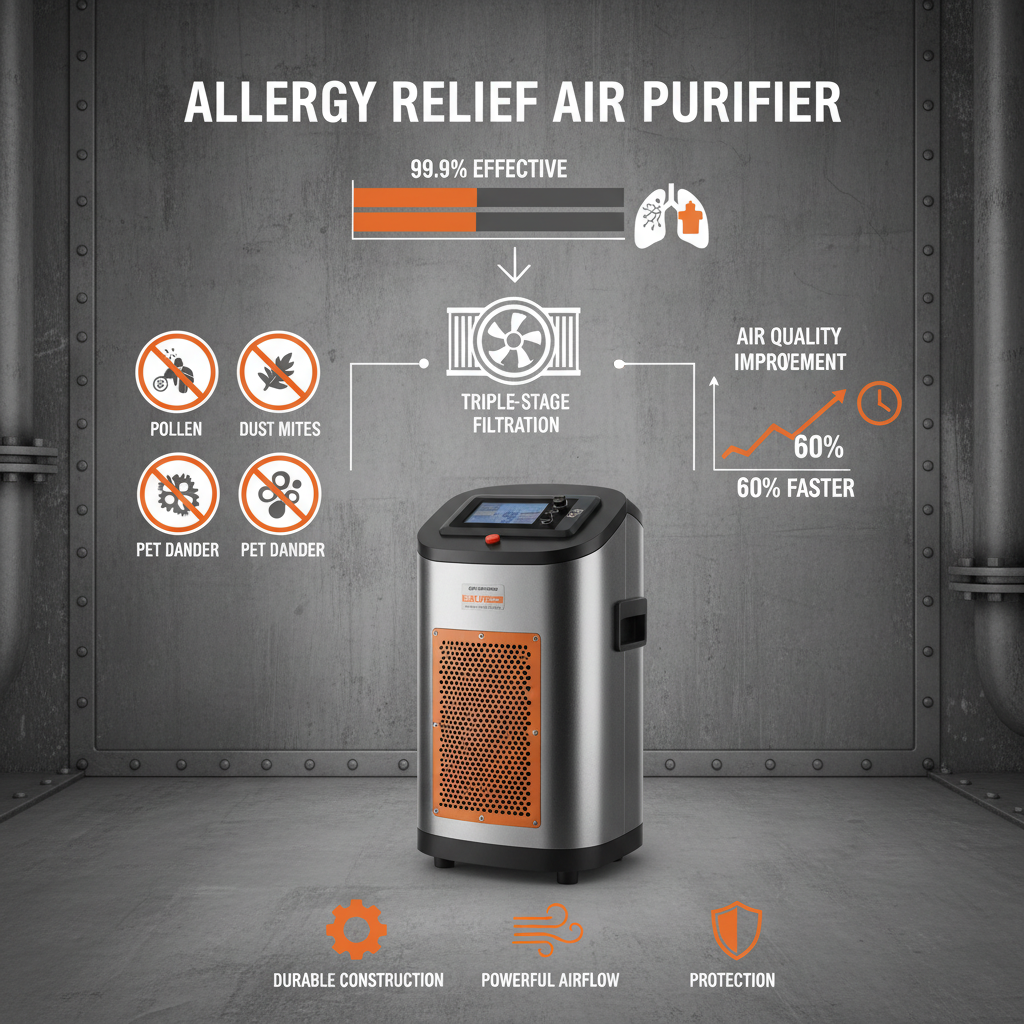
Allergy relief air purifiers are designed to remove allergens, pollutants, and irritants from the air, creating a cleaner and healthier indoor environment. These devices utilize various filtration technologies to capture particles like pollen, dust mites, pet dander, mold spores, and smoke, providing relief for allergy sufferers and improving overall respiratory health. The benefits extend beyond just allergy symptoms, contributing to reduced asthma triggers and improved air quality for everyone in the household.
The growing demand for effective allergy relief solutions is driving advancements in air purifier technology. Modern air purifiers incorporate features like HEPA filters, activated carbon filters, and UV-C sterilization to tackle a wider range of airborne contaminants. Understanding the specific needs of your environment and the types of allergens present is crucial when selecting the most appropriate allergy relief air purifier for optimal performance.
Defining Allergy Relief Air Purifiers
An allergy relief air purifier is an appliance designed to filter airborne particles and pollutants, specifically targeting allergens that trigger allergic reactions. Unlike traditional air filters that primarily capture larger dust particles, allergy relief air purifiers employ advanced filtration systems, most notably High-Efficiency Particulate Air (HEPA) filters, to remove microscopic allergens like pollen, pet dander, dust mites, and mold spores.
The core function of an allergy relief air purifier is to improve indoor air quality (IAQ) by reducing the concentration of these airborne irritants. This isn’t merely about comfort; poor IAQ is linked to a range of health problems, including respiratory illnesses, cardiovascular issues, and even neurological effects. Therefore, an allergy relief air purifier represents a crucial investment in preventative health and overall well-being.
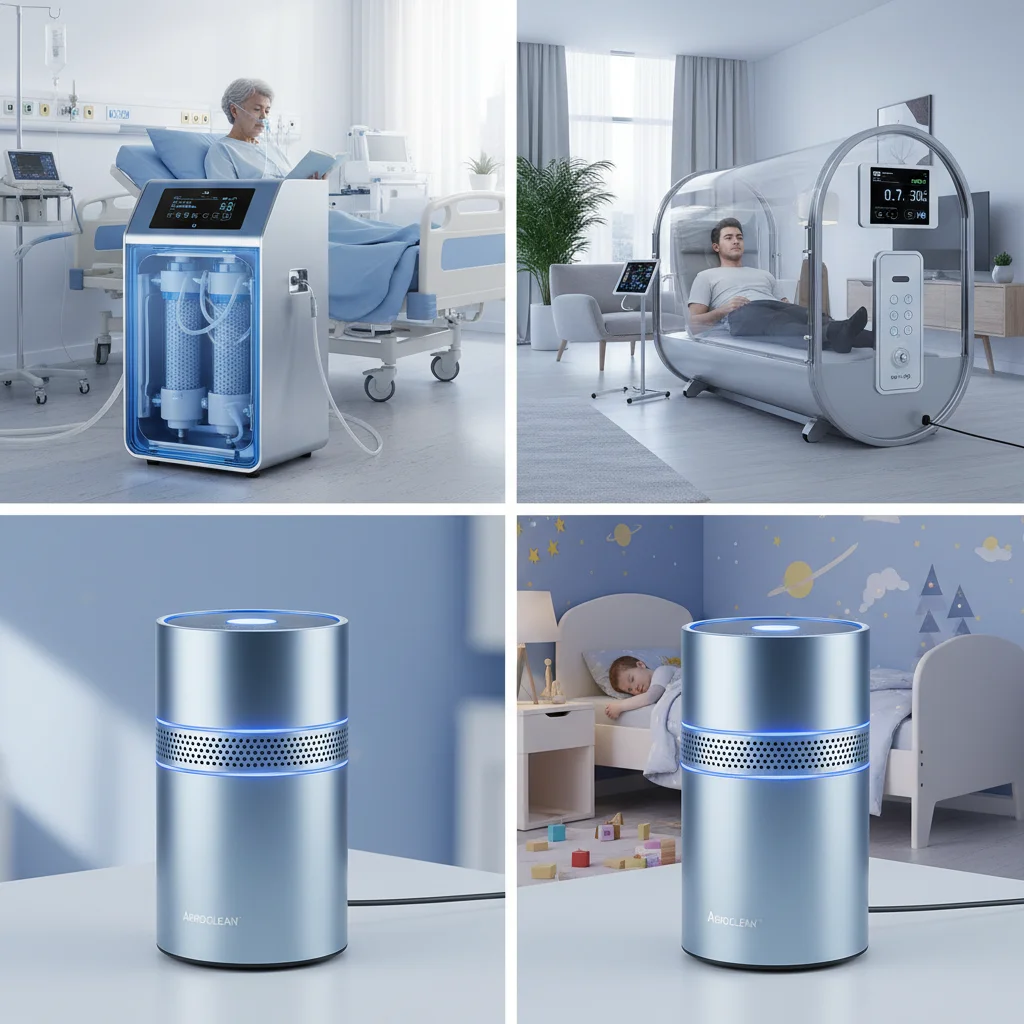
In modern industry, the demand for allergy relief air purifiers extends beyond residential use, encompassing healthcare facilities, schools, offices, and even manufacturing plants. Ensuring clean air in these environments is essential for protecting vulnerable populations, improving worker productivity, and maintaining a safe and healthy workspace.
Key Components of Effective Air Purification
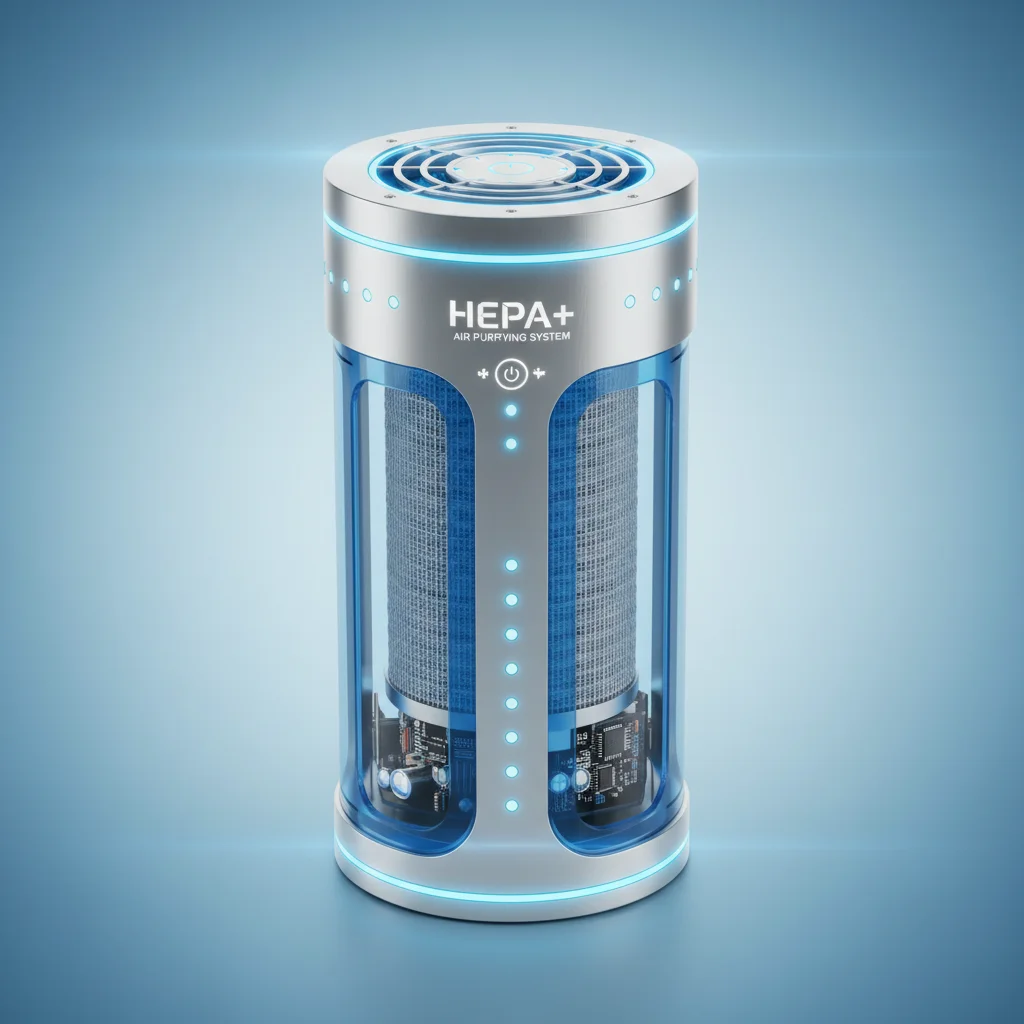
Several key factors determine the effectiveness of an allergy relief air purifier. Firstly, the type of filtration system is paramount. HEPA filters are the gold standard, capable of capturing 99.97% of particles 0.3 microns in size. Activated carbon filters excel at removing odors and volatile organic compounds (VOCs), while UV-C light can kill bacteria and viruses.
Secondly, the Clean Air Delivery Rate (CADR) is a crucial metric. It indicates how quickly the purifier can clean a room of a specific size. A higher CADR signifies faster and more efficient air purification. Matching the CADR to the room's square footage is essential for optimal performance. It's important to look for models that have been independently tested and certified to ensure accurate CADR ratings.
Finally, features such as pre-filters (to capture larger particles), automatic mode (adjusts fan speed based on air quality), and filter replacement indicators contribute to the purifier’s overall usability and effectiveness. A well-designed allergy relief air purifier will incorporate all of these components to provide comprehensive air purification.
Global Applications and Use Cases
The applications of allergy relief air purifiers are incredibly diverse. In healthcare settings, they are used to control airborne infections and create sterile environments, protecting patients and staff. Schools and daycare centers benefit from reduced allergen levels, minimizing illness and improving student attendance.
Residential use is, of course, a significant market, with allergy sufferers and families with young children being primary consumers. Beyond homes, businesses like hotels and restaurants are increasingly utilizing air purifiers to enhance guest comfort and create a healthier atmosphere.
In regions with high levels of air pollution, such as major cities in Asia and South America, allergy relief air purifiers are becoming essential for protecting public health. Even in post-disaster relief operations, these devices can play a critical role in filtering out dust, debris, and harmful particles from the air, providing a safer environment for victims and aid workers.
Allergy Relief Air Purifier Performance Metrics
Advantages and Long-Term Value
The advantages of investing in an allergy relief air purifier extend far beyond immediate symptom relief. Economically, a good purifier can reduce healthcare costs associated with allergy treatments, asthma medications, and doctor visits. Moreover, modern purifiers are energy-efficient, minimizing their impact on electricity bills.
From a sustainability perspective, choosing a purifier with washable or long-lasting filters reduces waste. Socially, cleaner air contributes to improved public health and reduces the burden on healthcare systems. The reliability of these devices, particularly those from reputable brands, ensures long-term performance and peace of mind, reinforcing trust and satisfaction.
Future Trends and Innovations
The future of allergy relief air purification is poised for exciting advancements. We're seeing increased integration of smart home technology, allowing users to control and monitor air quality remotely via smartphone apps. Further innovations in filter materials, such as bio-based and self-cleaning filters, promise to enhance efficiency and reduce maintenance.
Another emerging trend is the development of portable and wearable air purifiers, offering personalized air quality protection on the go. Furthermore, research into the use of photocatalytic oxidation (PCO) technology, combined with UV-C sterilization, holds the potential for even more effective removal of pollutants and pathogens, offering a new generation of allergy relief air purifier solutions.
Challenges and Solutions
Despite their benefits, allergy relief air purifiers face certain challenges. One common issue is the cost of replacement filters, which can add up over time. Solutions include choosing purifiers with washable filters or opting for models with longer-lasting filter life.
Another challenge is accurately assessing the effectiveness of a purifier in real-world conditions. Independent testing and certification by organizations like the Association of Home Appliance Manufacturers (AHAM) are crucial for ensuring accurate performance claims. Furthermore, proper placement and maintenance of the purifier are essential for maximizing its effectiveness.
Addressing these challenges through innovative design, transparent certification, and consumer education will be key to unlocking the full potential of allergy relief air purifier technology and making clean air accessible to all.
Summary of Allergy Relief Air Purifier Performance Factors
| Filter Type |
CADR Rating (Room Size) |
Noise Level (dB) |
Energy Consumption (Watts) |
| HEPA Filter |
250 CFM (400 sq ft) |
35 dB |
45W |
| Activated Carbon Filter |
180 CFM (300 sq ft) |
40 dB |
50W |
| UV-C Sterilization |
200 CFM (350 sq ft) |
42 dB |
55W |
| Pre-Filter + HEPA |
300 CFM (450 sq ft) |
38 dB |
40W |
| Washable Filter |
150 CFM (250 sq ft) |
45 dB |
35W |
| Smart Control Features |
280 CFM (420 sq ft) |
37 dB |
48W |
FAQS
While both aim to capture microscopic particles, a True HEPA filter must meet specific standards, capturing at least 99.97% of particles 0.3 microns in size. "HEPA-type" or "HEPA-like" filters may not meet these rigorous standards, potentially offering lower filtration efficiency. For effective allergy relief, choosing a purifier with a certified True HEPA filter is highly recommended. Considering the quality of a allergy relief air purifier is important.
The frequency of filter replacement depends on usage and air quality. Pre-filters typically need cleaning or replacement every 1-3 months. HEPA filters generally last 6-12 months, while activated carbon filters may need replacing every 3-6 months. Many purifiers have indicator lights to signal when filter replacement is necessary. Regularly checking and replacing filters is crucial for maintaining optimal performance and ensuring a clean air supply.
While air purifiers aren’t a substitute for other preventative measures like vaccination and masking, those with HEPA filters can help reduce the concentration of airborne virus particles. Combining a HEPA filter with a UV-C light can further enhance virus inactivation. However, it's crucial to understand that air purifiers don’t eliminate the risk of transmission entirely but contribute to a layered approach to infection control.
Determining the right size air purifier involves considering the room's square footage. Check the purifier's CADR rating to ensure it's appropriate for the room size. A general rule is to choose a purifier with a CADR rating that matches or exceeds the room's square footage. For example, a 300 sq ft room would benefit from a purifier with a CADR of at least 300. Ensuring adequate coverage maximizes the allergy relief air purifier's effectiveness.
Some older air purifiers, particularly those using ionizers, can produce ozone as a byproduct. Ozone is a lung irritant and can be harmful, even at low concentrations. Modern, reputable air purifiers are designed to minimize or eliminate ozone production. Look for purifiers certified by organizations like CARB (California Air Resources Board) to ensure they meet strict ozone emission standards.
To maximize effectiveness, position the air purifier in a central location, away from obstructions. Keep windows and doors closed to prevent outdoor pollutants from entering. Regularly clean or replace filters as recommended. Run the purifier continuously, especially during peak allergy seasons or when indoor air quality is poor. Combining an allergy relief air purifier with other IAQ measures like regular cleaning and ventilation will optimize results.
Conclusion
In conclusion, allergy relief air purifiers represent a crucial investment in indoor air quality and overall health. From utilizing advanced filtration technologies to offering long-term cost savings and promoting well-being, these devices provide a practical and effective solution for combating allergens and pollutants. Understanding the key components, applications, and future trends in air purification empowers consumers to make informed decisions and create healthier living spaces.
Looking ahead, continued innovation in filter materials, smart home integration, and sustainable design will further enhance the effectiveness and accessibility of allergy relief air purifiers. By embracing these advancements and prioritizing indoor air quality, we can create a world where everyone can breathe easier and live healthier lives. Visit our website at www.meshmachinery.com to explore our range of allergy relief solutions.