
February 02, 2026
Investing in an automatic fencing machine can significantly streamline your fencing operations, reducing labor costs and increasing efficiency. Understanding the various factors that influence automatic fencing machine price is crucial for making an informed decision. This article provides a detailed overview of pricing considerations, machine types, and key features to help you find the best solution for your needs. We’ll explore the different models available and provide insights into the return on investment you can expect.
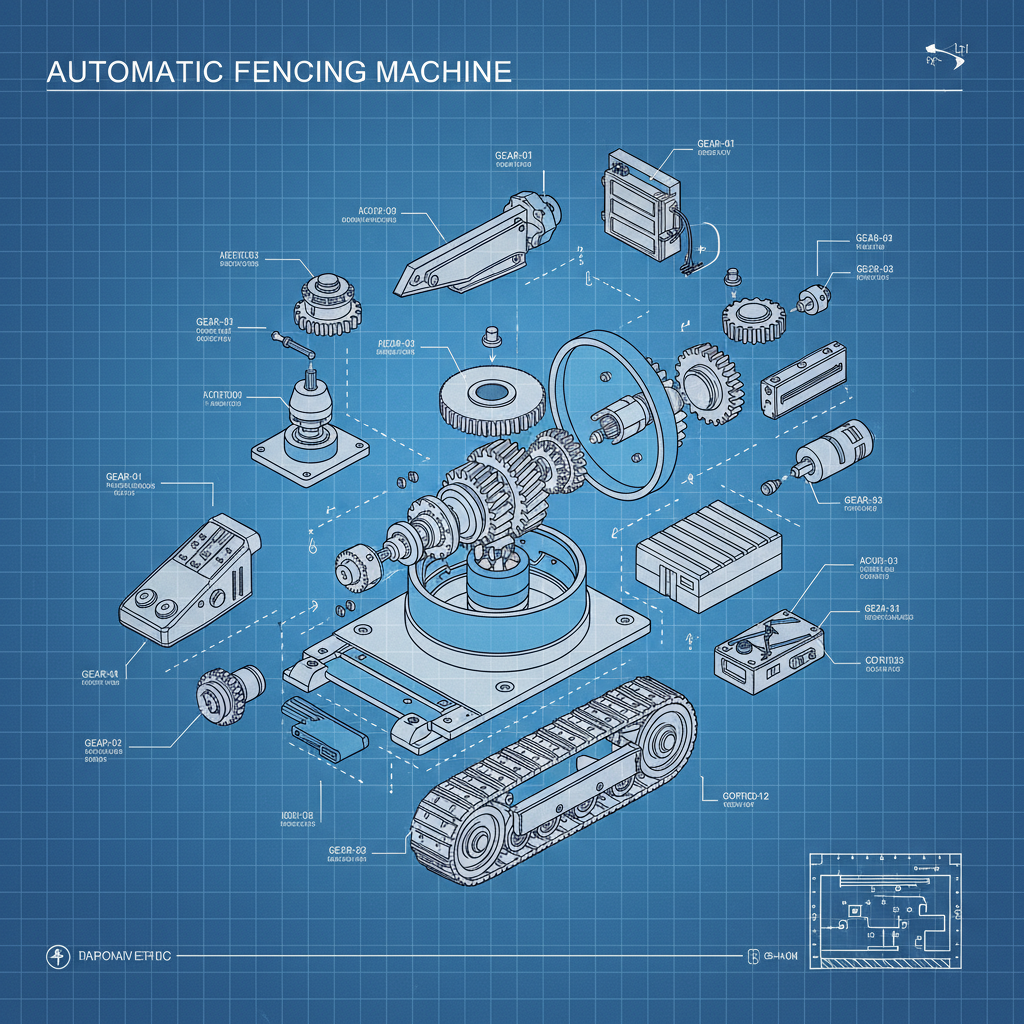
Several factors contribute to the overall cost of an automatic fencing machine. The primary drivers include the machine’s capacity (how much fencing it can produce per hour), the level of automation, the materials used in construction, and the manufacturer’s reputation. More sophisticated machines with advanced features, like automatic coil changing and programmable settings, will naturally command a higher price. The type of fencing material the machine is designed to handle (chain link, welded wire, etc.) also plays a role. Furthermore, additional costs such as shipping, installation, and operator training should be factored into your budget. Considering these elements comprehensively will prevent unexpected expenses.
Key Highlights: Machine capacity, automation level, material construction, manufacturer reputation, and fencing material type are the biggest drivers of price.
Automatic fencing machines come in various configurations, each suited to different applications and budgets. Common types include chain link fencing machines, welded wire mesh fencing machines, and portable fencing machines. Chain link machines are often the most affordable, while welded wire mesh machines typically have a higher price tag due to their more complex construction. Portable machines, designed for on-site fencing installation, fall in the mid-range. The choice depends on the type of fencing you primarily produce and the scale of your operations.
Fencing Machine Types & Price Ranges:
• Chain Link Fencing Machine: $8,000 - $25,000
• Welded Wire Mesh Fencing Machine: $15,000 - $45,000+
• Portable Fencing Machine: $5,000 - $18,000
A deeper dive into specific features reveals how they impact the automatic fencing machine price. Machines with automatic wire feeding, precision cutting systems, and programmable controls typically cost more. However, these features translate to higher production speeds, reduced material waste, and improved fencing quality. The level of automation in coil changing and the machine’s overall durability also affect the price. Here's a comparative overview:
While the initial automatic fencing machine price is a significant factor, it’s crucial to consider the long-term value and return on investment (ROI). A more expensive, fully automated machine may have a higher upfront cost, but it can significantly reduce labor costs, increase production speed, and minimize material waste over time. These savings can quickly offset the initial investment. Additionally, investing in a reputable brand like Mesh Machinery ensures reliable performance, readily available spare parts, and excellent customer support, contributing to a longer machine lifespan and reduced downtime.
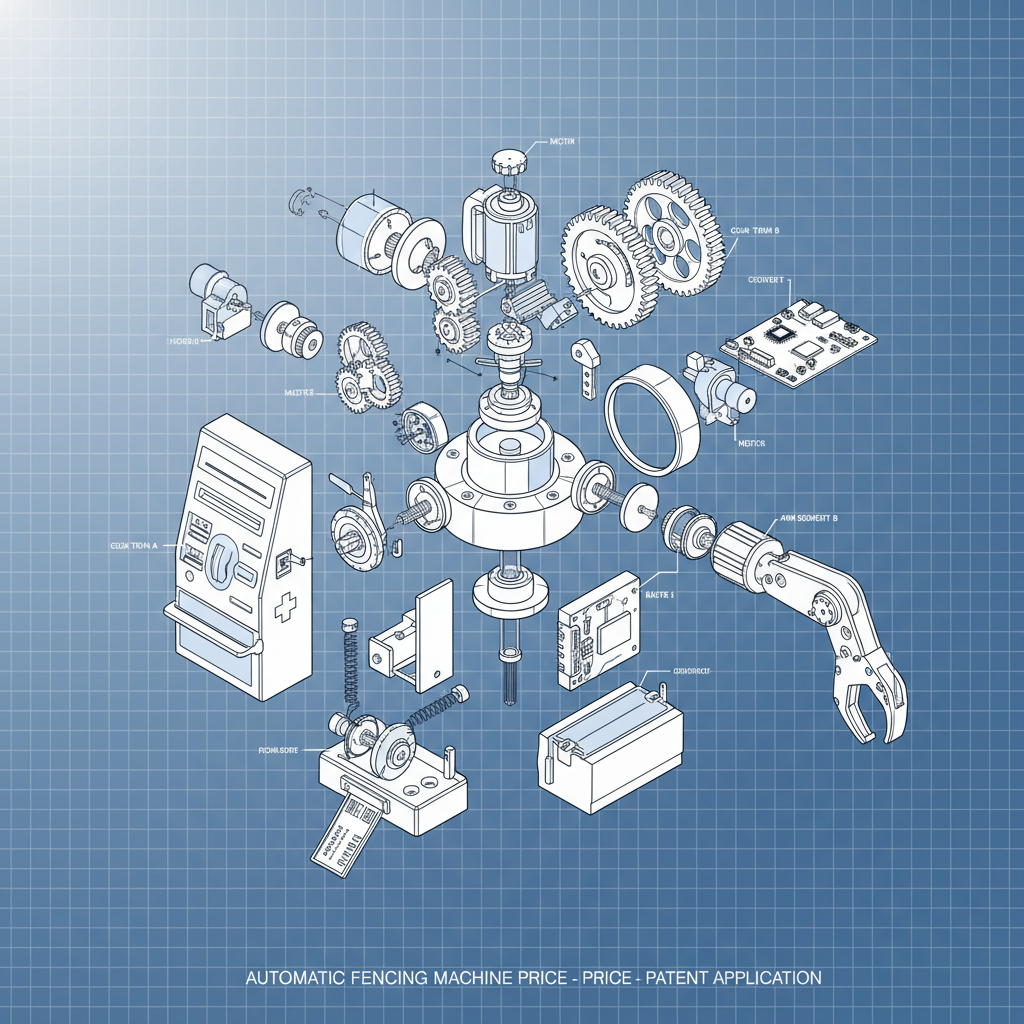
Choosing the right automatic fencing machine requires careful evaluation of your specific needs. Consider the volume of fencing you produce, the types of fencing you handle, your budget constraints, and the level of automation you require. Don’t hesitate to consult with industry experts and request quotes from multiple suppliers, including Mesh Machinery, to compare pricing and features. A thorough assessment will help you identify the machine that best aligns with your operational goals and maximizes your return on investment.
Understanding the factors that influence automatic fencing machine price is paramount to making a sound investment. By carefully evaluating your needs, comparing different models, and considering long-term ROI, you can choose a machine that enhances your efficiency, reduces costs, and contributes to the success of your fencing operations. Don’t compromise on quality – choose a reputable supplier and prioritize reliability and performance.
Lead times can vary depending on the machine’s complexity, customization options, and the manufacturer’s current production schedule. Generally, expect a lead time of 8-16 weeks for standard models. Custom-built machines or those requiring specific modifications may have longer lead times. It’s best to confirm the estimated lead time with the supplier before placing your order. Factors such as global supply chain disruptions can also influence delivery times. Planning ahead and placing your order well in advance is recommended.
Typically, the quoted price for an automatic fencing machine does not include installation and training. These are usually offered as separate services, often at an additional cost. Some manufacturers offer bundled packages that include installation, training, and ongoing support. Be sure to clarify whether installation and training are included in the quote, or if they are optional add-ons. Proper installation and training are crucial for ensuring the machine operates safely and efficiently.
Most manufacturers offer a warranty on their automatic fencing machines, typically ranging from 12 to 24 months. The warranty usually covers defects in materials and workmanship. It’s important to carefully review the warranty terms and conditions to understand what is covered and what is not. Some warranties may not cover wear-and-tear items or damage caused by improper operation or maintenance. Mesh Machinery provides comprehensive warranty support for all its products.
Regular maintenance is essential for ensuring the longevity and optimal performance of your automatic fencing machine. This includes lubricating moving parts, cleaning dust and debris, inspecting wiring and connections, and replacing worn components. The frequency of maintenance will depend on the machine’s usage and operating environment. Refer to the manufacturer’s manual for specific maintenance recommendations. Preventative maintenance can help avoid costly breakdowns and extend the machine’s lifespan.
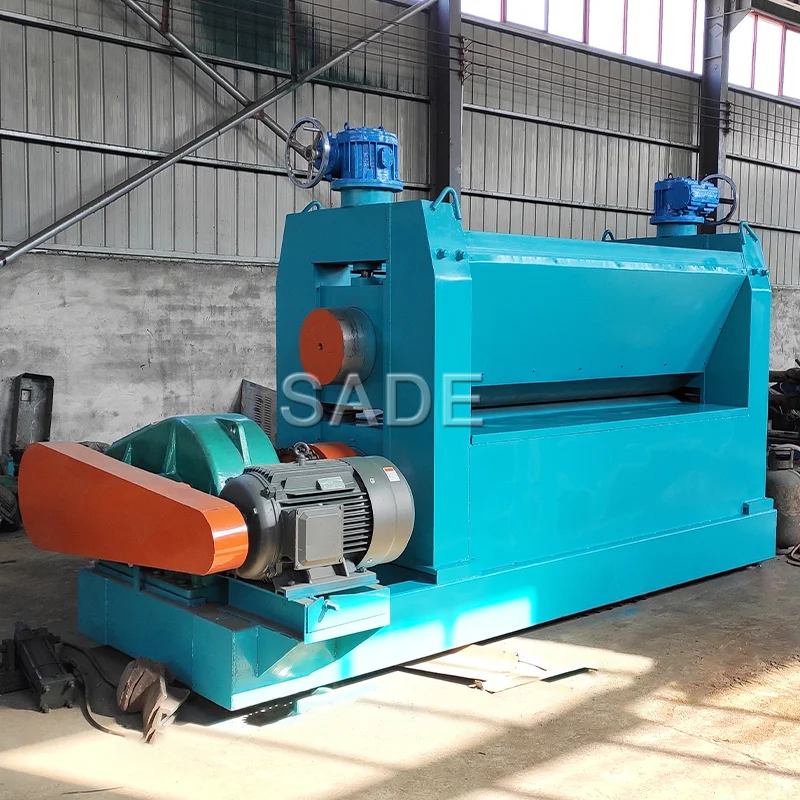
ZPJ Metal Mesh Flatting Machine
ZPJ metal mesh flatting machine is special designed for expanded metal flatting.It’s a corollary equipment of expanded metal machine. It can make expanded wire-mesh smoothly.And the flattened expanded metal have much more widely different applications.
Apr 24, 2026
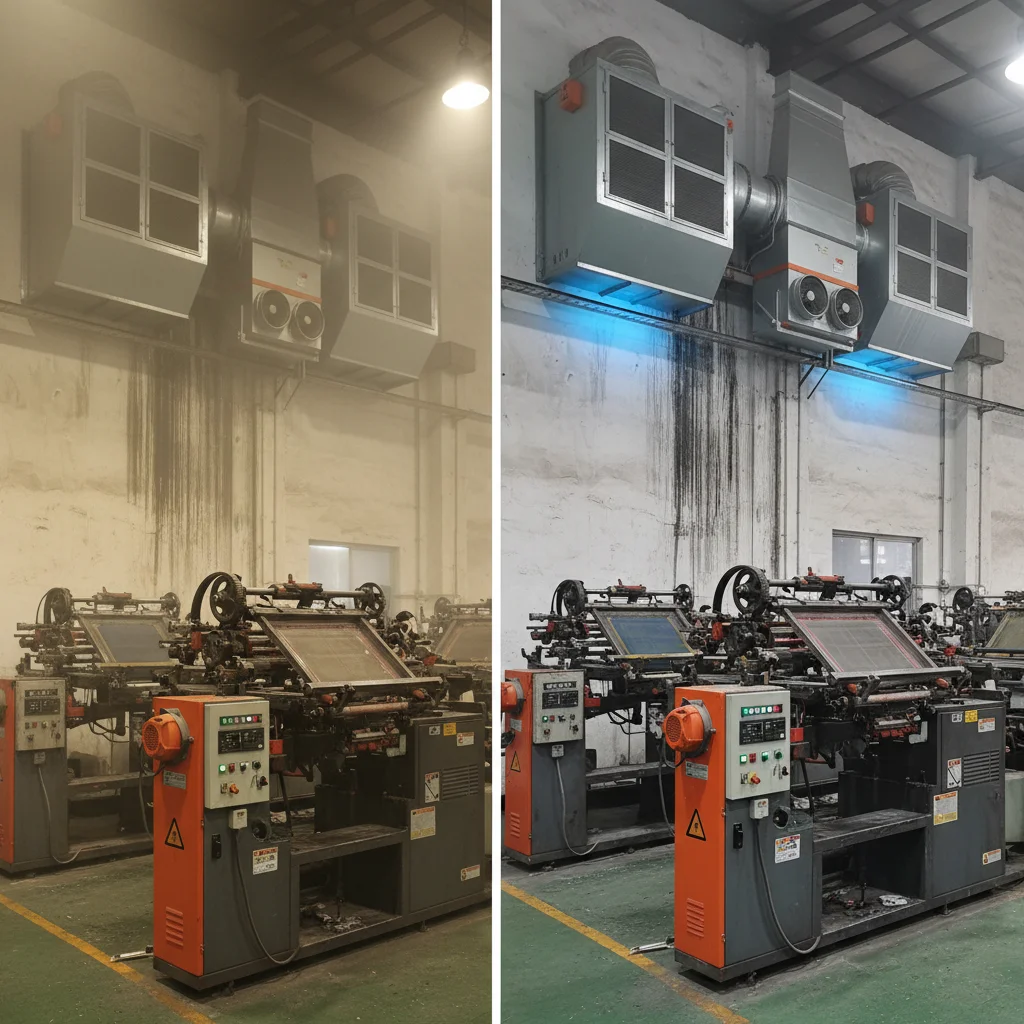
Industrial Wall Mounted Air Filtration for Clean Work Environments