
February 02, 2026
The demand for barbed wire remains consistently strong across various sectors, including agriculture, security, and industrial fencing. A reliable and efficient barbed wire machine is crucial for manufacturers looking to meet this demand. This article will explore the different types of barbed wire machines, their applications, key features, and factors to consider when making a purchase. We will also examine the latest advancements in barbed wire machinery and how they can improve production efficiency. Understanding these aspects is vital for businesses seeking to invest in this essential equipment.
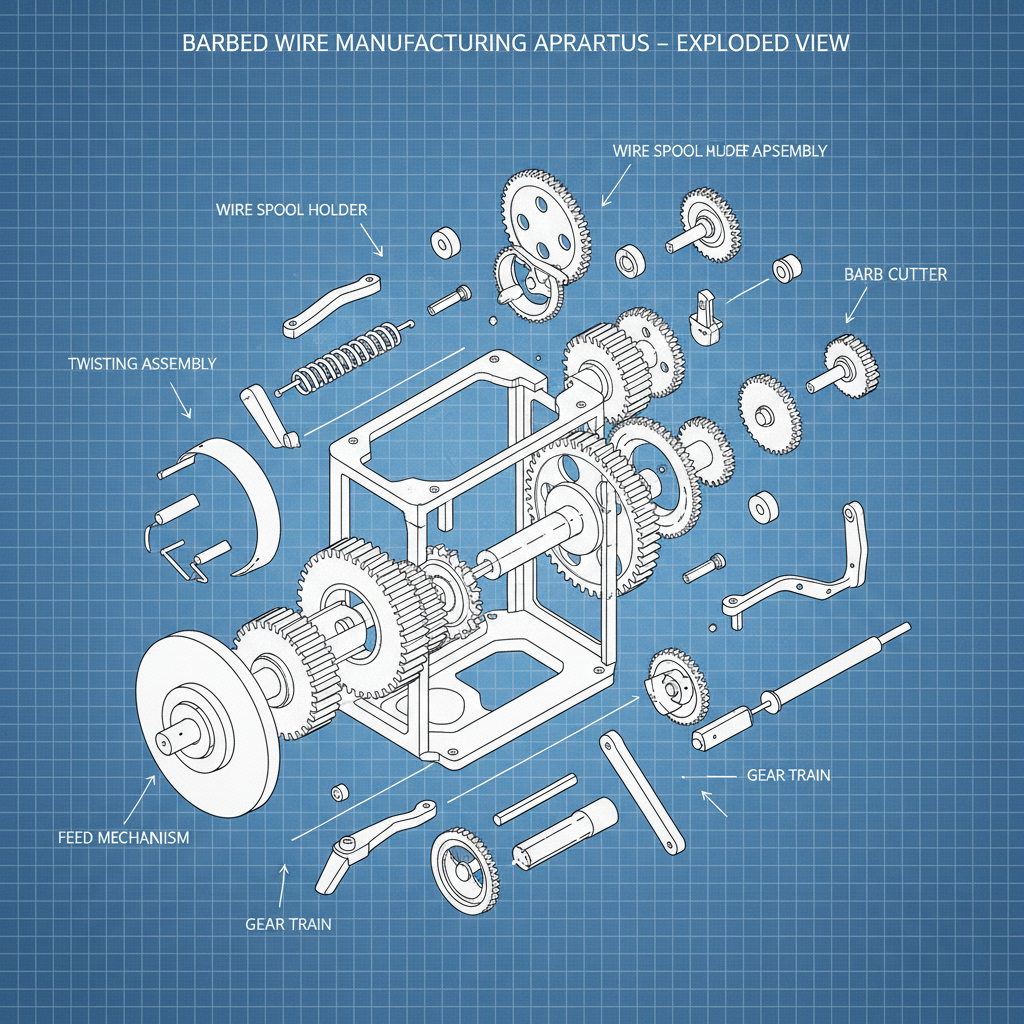
Several types of barbed wire machines cater to varying production scales and requirements. The most common include automatic barbed wire machines, semi-automatic machines, and manual machines. Automatic machines offer high production capacity and minimal labor requirements, making them ideal for large-scale operations. Semi-automatic machines require some manual intervention but still provide a significant increase in efficiency compared to manual machines. Manual machines are best suited for small-scale production or occasional use. The choice depends largely on the volume of barbed wire required, budget constraints, and available labor. Mesh Machinery provides a wide range of solutions to fit all needs.
Key Considerations: Selecting the right type of machine involves balancing production capacity, automation level, and cost-effectiveness. Automatic machines offer higher throughput, while manual options are more affordable for smaller operations.
When selecting a barbed wire machine, several key features should be considered. These include production speed, wire diameter capacity, barb spacing adjustability, and automation level. A high production speed ensures greater output, while a wider wire diameter capacity allows for versatility in manufacturing different types of barbed wire. Adjustable barb spacing allows customization to meet specific customer requirements. Additionally, features like automatic tension control and fault detection contribute to improved efficiency and product quality. Reliable components and durable construction are also crucial for long-term performance.
Essential Features:
• High production speed for increased output
• Adjustable barb spacing for customization
• Automatic tension control for consistent quality
• Durable construction for long-term reliability
Choosing the right barbed wire machine depends on your specific needs. Here’s a comparison of the common types:
Barbed wire has diverse applications, including perimeter fencing for agricultural land, residential properties, and industrial facilities. It is also widely used in security applications, such as prisons and military installations. The demand for high-quality barbed wire is driven by the need for effective security and containment solutions. Efficient barbed wire machines enable manufacturers to meet this demand consistently and cost-effectively.
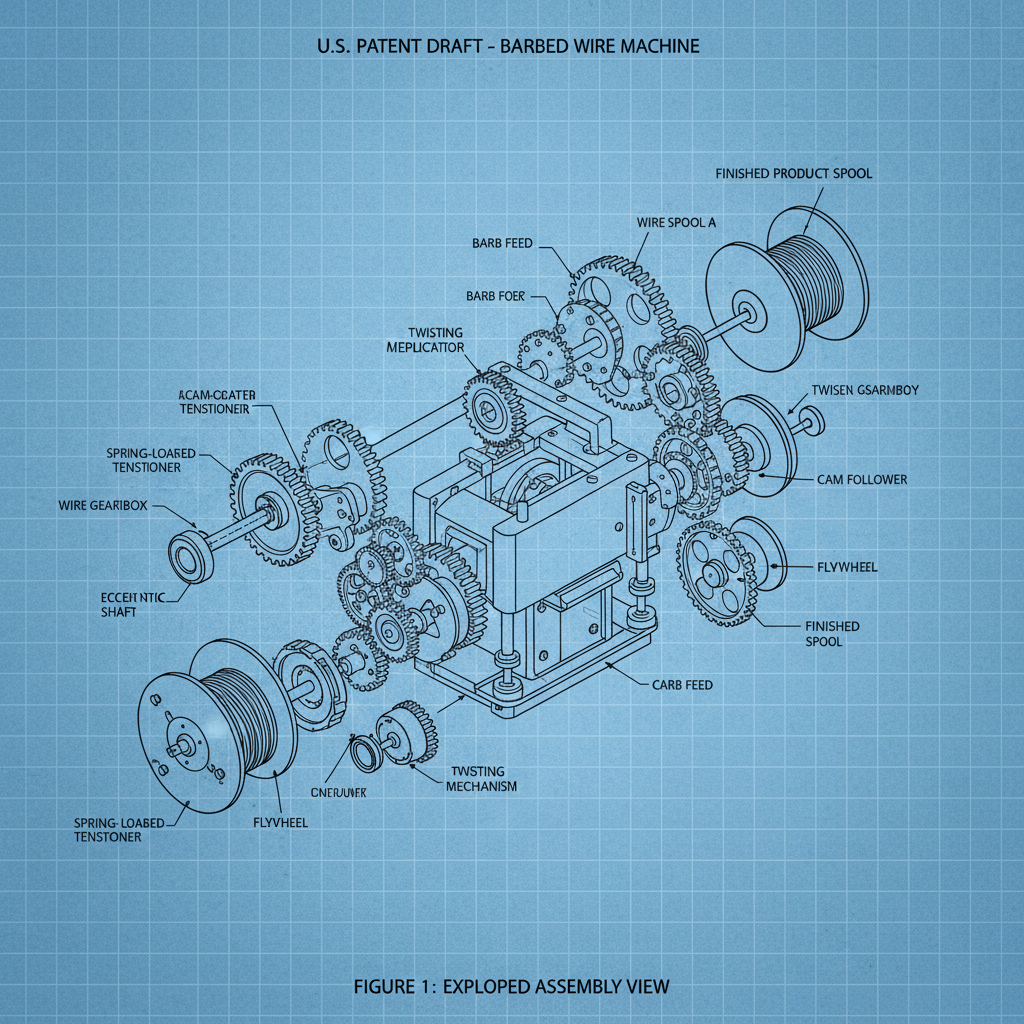
Selecting a reputable supplier is crucial when investing in a barbed wire machine. Mesh Machinery offers a comprehensive range of barbed wire machines, backed by excellent customer support and technical expertise. We provide customized solutions tailored to specific requirements, ensuring optimal performance and long-term value. Our commitment to quality and innovation makes us a trusted partner for barbed wire manufacturers worldwide.
Investing in a high-quality barbed wire machine is essential for manufacturers seeking to meet the growing demand for this versatile product. By carefully considering the factors discussed in this article – machine type, key features, and supplier reputation – businesses can make informed decisions and maximize their return on investment. Partnering with a trusted provider like Mesh Machinery ensures access to reliable equipment, expert support, and customized solutions.
Regular maintenance is crucial for ensuring optimal performance and longevity. This includes lubricating moving parts, inspecting belts and gears for wear, and cleaning the machine to remove debris. It's also essential to check the tension control system and barb spacing adjustments periodically. Following the manufacturer's maintenance schedule will help prevent breakdowns and minimize downtime. Mesh Machinery provides detailed maintenance manuals and support to assist customers.
Safety is paramount when operating a barbed wire machine. Always wear appropriate personal protective equipment (PPE), including gloves, safety glasses, and ear protection. Ensure the machine is properly grounded and that all safety guards are in place. Never attempt to repair or adjust the machine while it's running. Thorough training on safe operating procedures is essential for all personnel.
Lead times vary depending on the machine type, customization requirements, and current production schedule. Typically, standard machines are delivered within 4-8 weeks, while customized machines may require a longer lead time. Mesh Machinery provides accurate delivery estimates upon order confirmation and keeps customers informed throughout the process.
Most barbed wire machines are designed to accommodate a variety of wire types, including galvanized steel, PVC-coated steel, and stainless steel. The wire diameter capacity varies depending on the machine model. It’s important to select a wire that meets the machine's specifications to ensure optimal performance and product quality. Contact Mesh Machinery for specific recommendations based on your requirements.
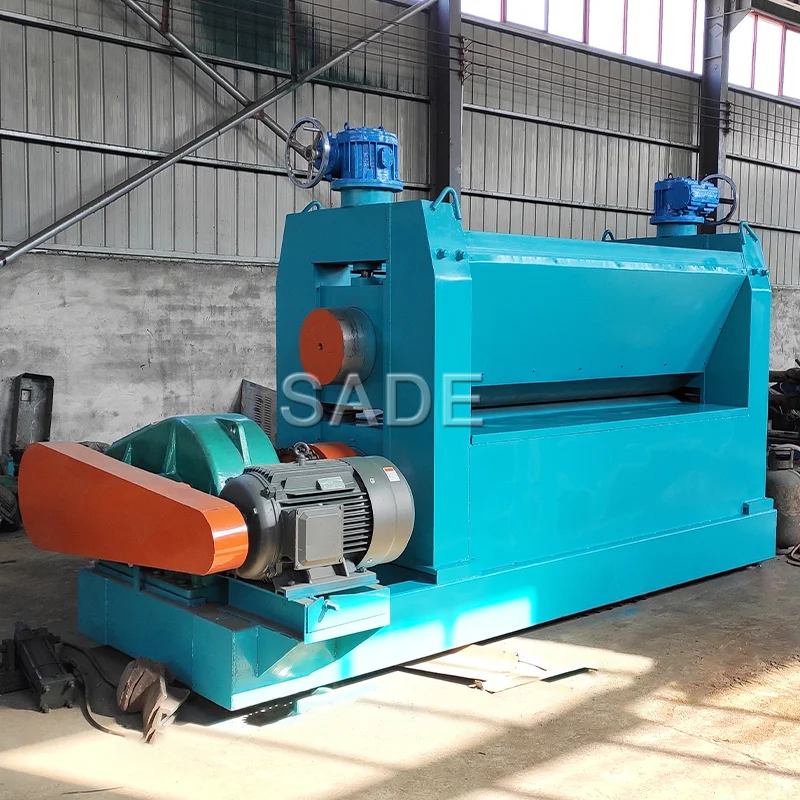
ZPJ Metal Mesh Flatting Machine
ZPJ metal mesh flatting machine is special designed for expanded metal flatting.It’s a corollary equipment of expanded metal machine. It can make expanded wire-mesh smoothly.And the flattened expanded metal have much more widely different applications.
Apr 24, 2026
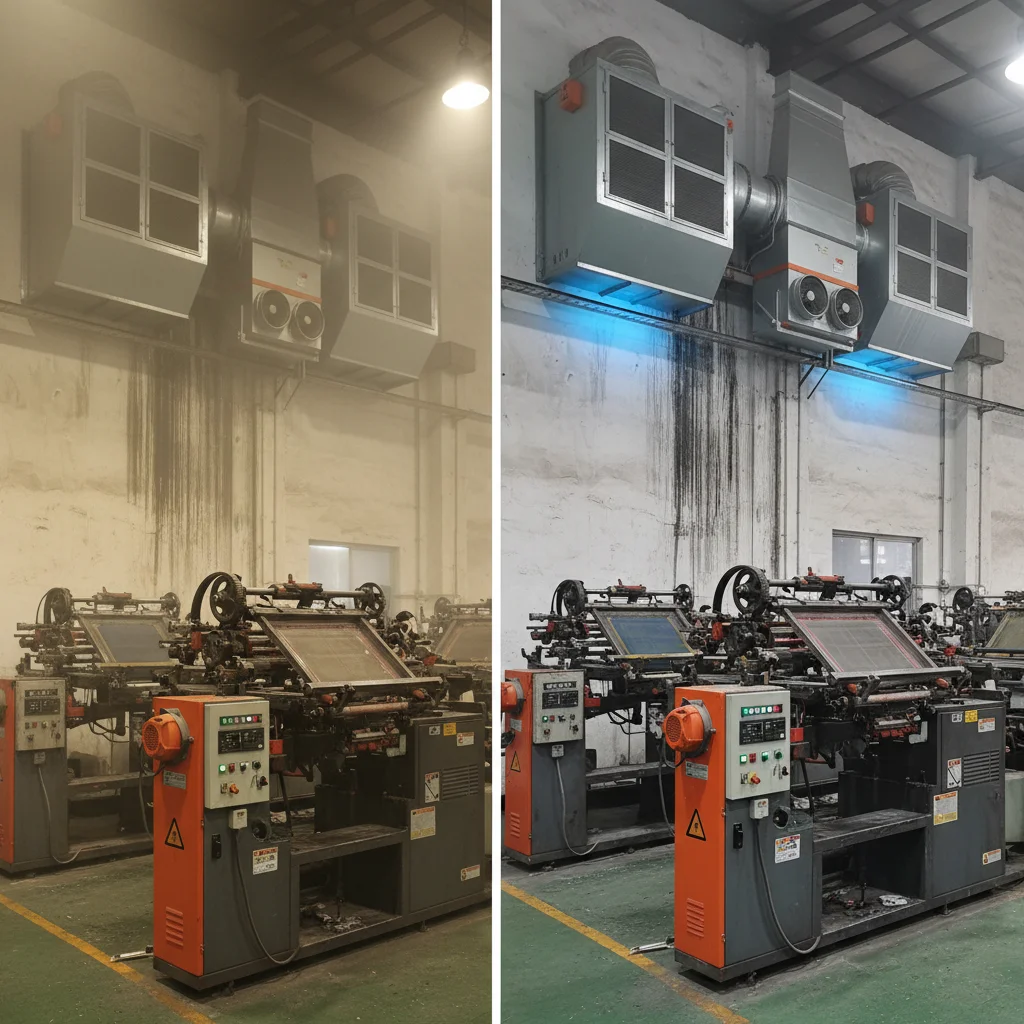
Industrial Wall Mounted Air Filtration for Clean Work Environments