
February 03, 2026
Concertina wire, a crucial component in security fencing, perimeter protection, and various industrial applications, demands reliable and efficient manufacturing processes. A concertina wire making machine is the core of this production, offering automated solutions for creating high-security barriers. This article explores the intricacies of these machines, their applications, key features, and the factors to consider when selecting the right equipment for your needs. We will delve into the operational aspects, maintenance, and the advantages of investing in a quality machine.
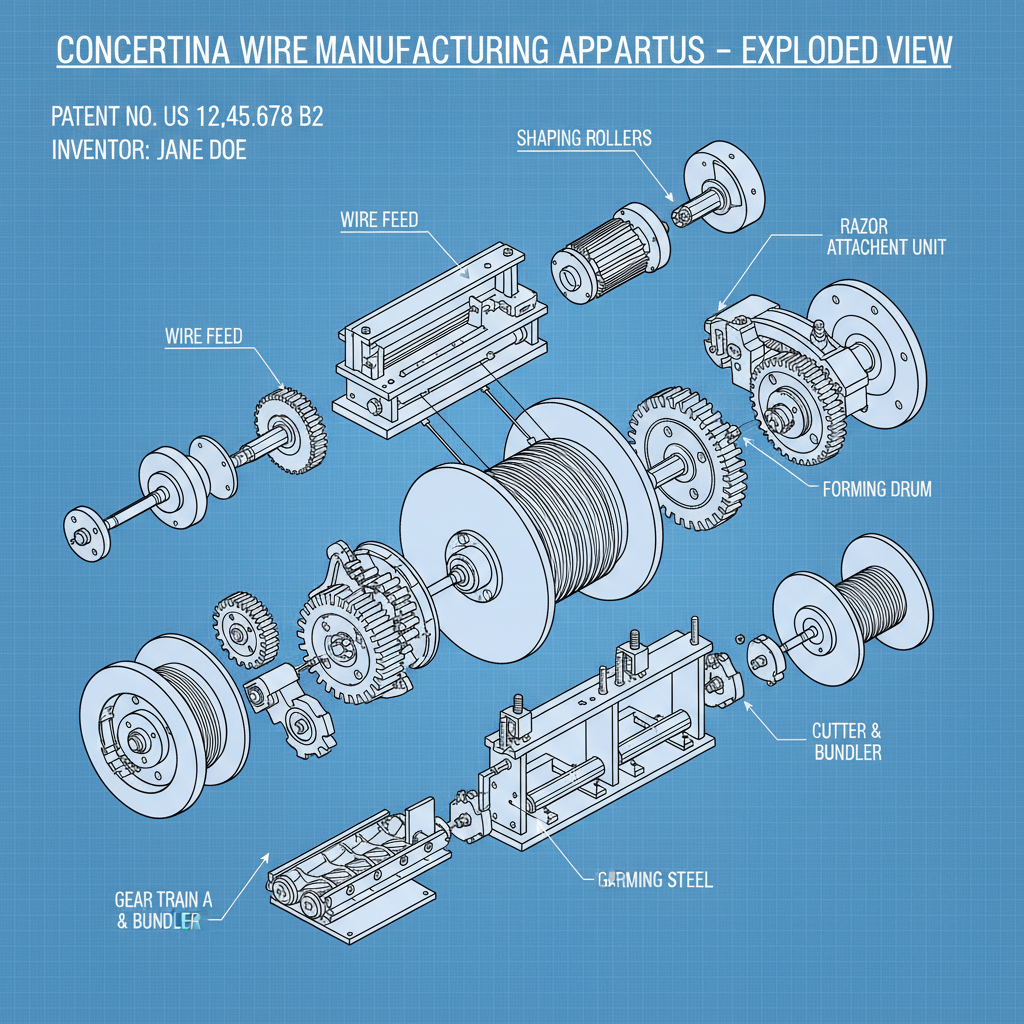
A concertina wire making machine is an automated system designed to produce various types of concertina wire from steel wire coils. These machines typically handle the processes of wire straightening, blade cutting (for razor wire), forming the wire into a coil, and sometimes even galvanizing or coating the finished product. The level of automation can vary, ranging from semi-automatic machines requiring manual intervention for certain tasks to fully automatic machines capable of continuous production. Meshmachinery offers a diverse range of machines to meet different production requirements.
Key Features: Automated wire straightening, precise blade cutting, efficient coil forming, adjustable parameters for different wire types and coil diameters.
Several types of concertina wire making machines are available, each designed for specific production needs. The most common types include:
The choice of machine depends on the desired product, production volume, and budget.
Machine Type Comparison:
• Straight Line: Lower cost, simpler operation, limited product variety.
• Spiral: Most common type, versatile, medium cost.
• Razor Wire: Specialized for razor wire production, requires skilled operators.
• Automatic: Highest efficiency, highest cost, minimal manual labor.
When investing in a concertina wire making machine, several factors are critical. Production capacity, the type of wire the machine can handle (galvanized, PVC-coated, stainless steel), the degree of automation, and the machine’s durability are all important considerations. Energy efficiency and ease of maintenance are also crucial for long-term cost savings. Ensure the machine complies with relevant safety standards and includes features like emergency stop buttons and protective guards.
Concertina wire is primarily used for high-security fencing around critical infrastructure, industrial sites, military bases, and residential properties. It’s also used in crowd control barriers and as a deterrent against unauthorized access. Efficient manufacturing, enabled by advanced machines, ensures a consistent supply of high-quality wire to meet these demanding applications. Investing in reliable equipment minimizes disruptions and ensures that security needs are met effectively.
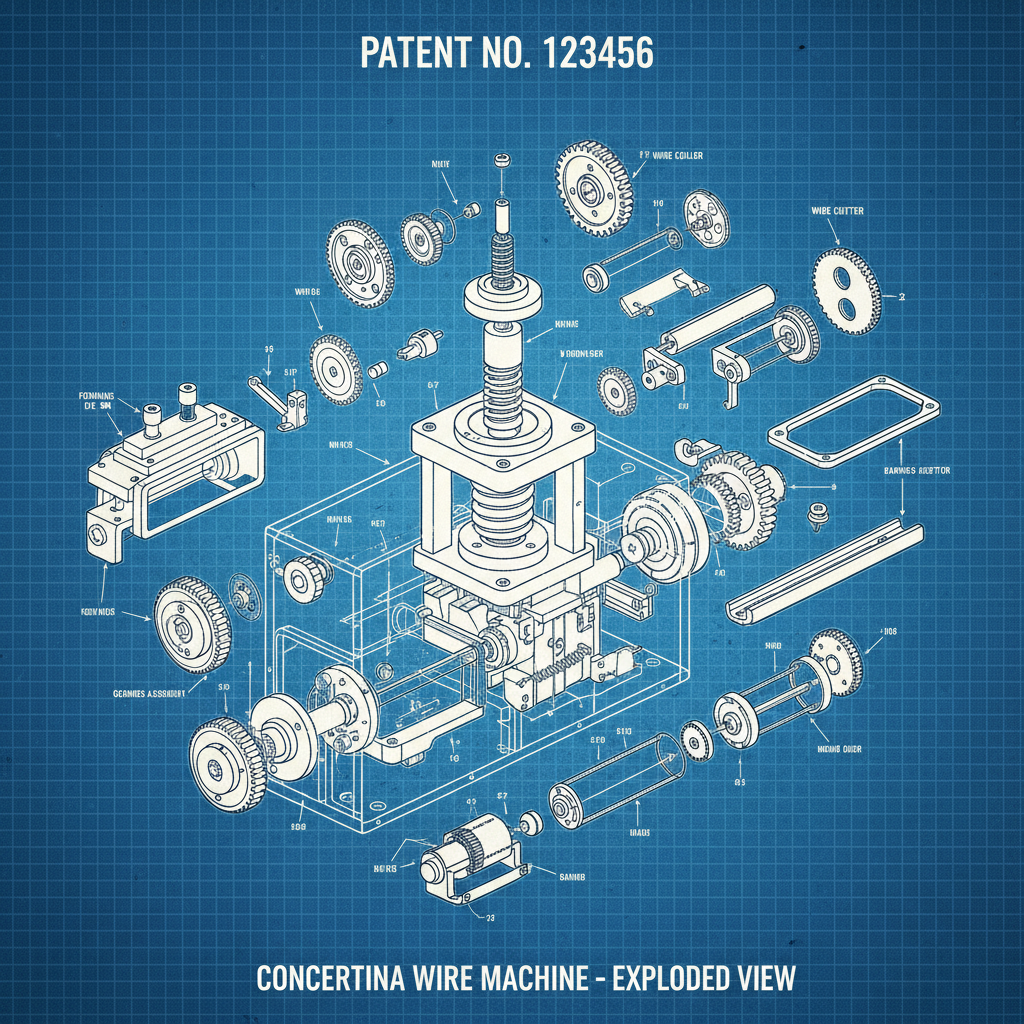
Regular maintenance is vital for ensuring the longevity and optimal performance of your concertina wire making machine. This includes routine lubrication of moving parts, inspection of blades for wear and tear, and cleaning of the machine to prevent dust and debris buildup. Proper operator training is also essential to ensure safe and efficient operation. Following the manufacturer’s recommendations for maintenance schedules and procedures will minimize downtime and maximize the machine’s lifespan.
Choosing the right concertina wire making machine is a strategic investment that impacts your production efficiency, product quality, and overall profitability. Meshmachinery provides reliable, high-performance machines and dedicated support to help you meet your manufacturing goals. Prioritize quality, automation, and maintenance to ensure a long-term return on your investment.
The production rate of an automatic concertina wire machine varies depending on the model, wire diameter, and coil size. However, a typical high-end automatic machine can produce between 300-500 meters of concertina wire per hour. This is significantly higher than semi-automatic machines, which usually require manual feeding and adjustments. Increased automation results in faster throughput and lower labor costs.
Most concertina wire making machines are designed to handle a variety of wire types, including galvanized steel wire, PVC-coated wire, and stainless steel wire. However, it's crucial to check the machine's specifications to ensure compatibility with the specific wire you intend to use. Different wire materials require different cutting and forming parameters, and some machines may not be suitable for all types.
Safety is paramount when operating a concertina wire machine. Essential safety features include emergency stop buttons, protective guards around moving parts, and a secure enclosure to prevent accidental contact with the wire. Machines should also have overload protection to prevent damage and ensure safe operation. Proper operator training is also vital to emphasize safe practices.
Power consumption varies significantly based on the machine's size, automation level, and production capacity. Smaller, semi-automatic machines may consume around 3-5 kilowatts, while larger, fully automatic machines can consume 10-20 kilowatts or more. Energy-efficient models are available that can help reduce operating costs.
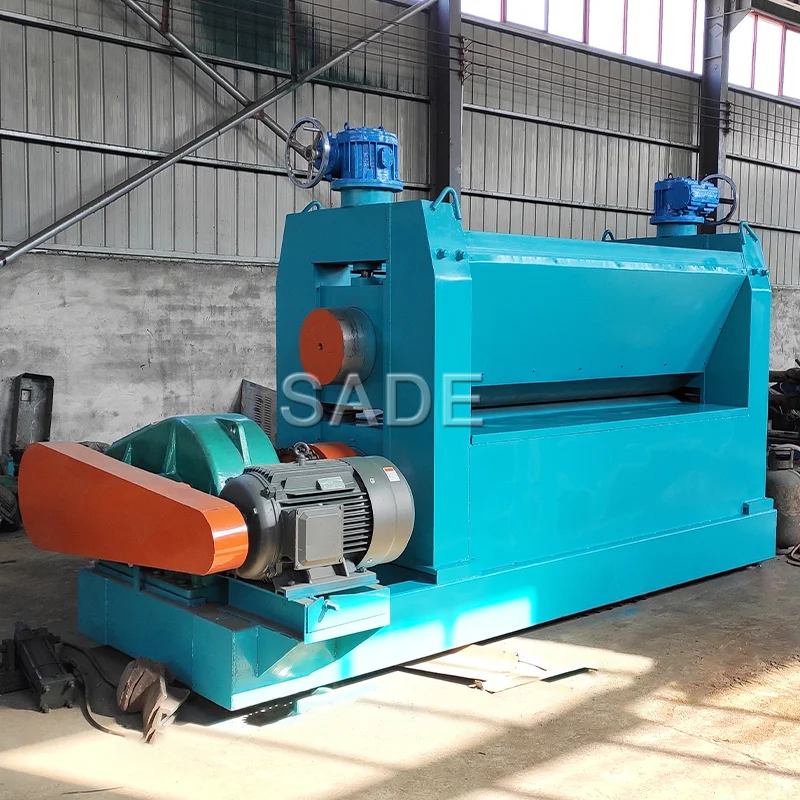
ZPJ Metal Mesh Flatting Machine
ZPJ metal mesh flatting machine is special designed for expanded metal flatting.It’s a corollary equipment of expanded metal machine. It can make expanded wire-mesh smoothly.And the flattened expanded metal have much more widely different applications.
Apr 24, 2026
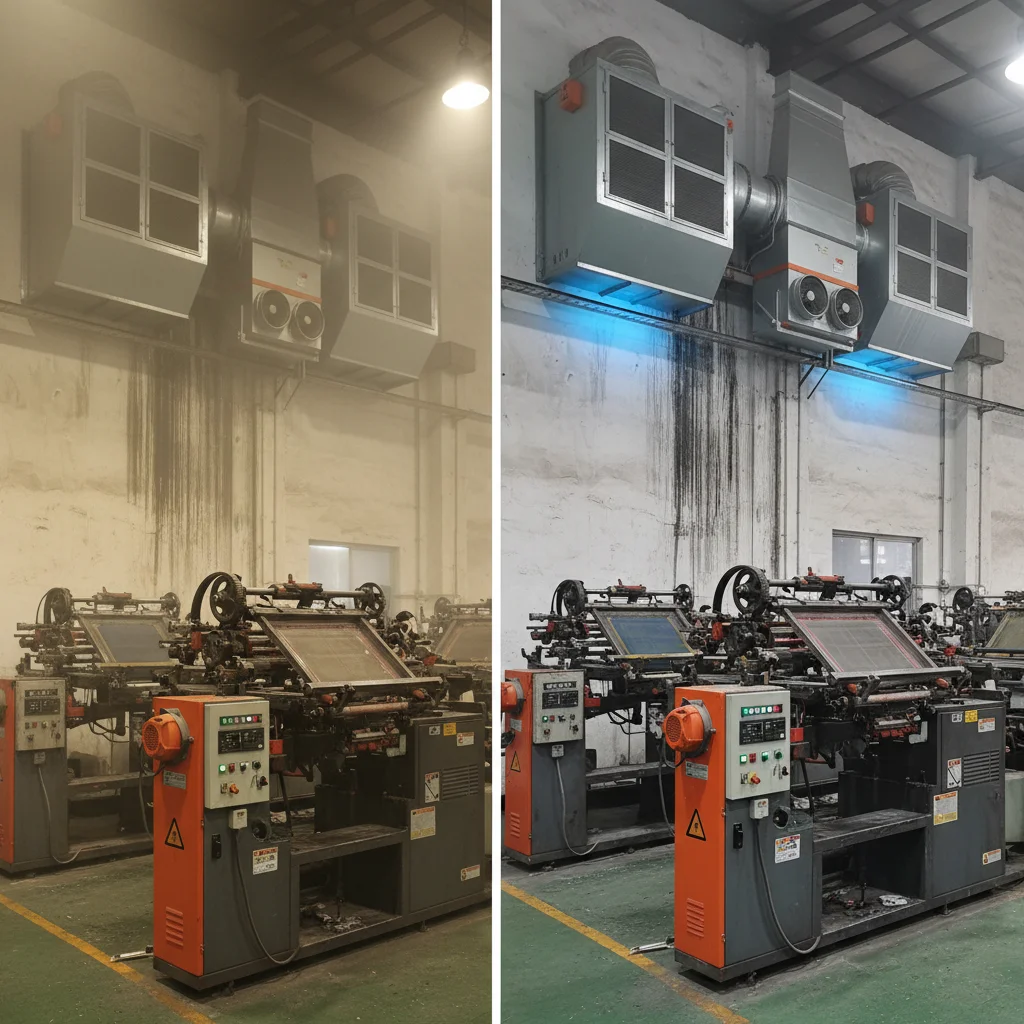
Industrial Wall Mounted Air Filtration for Clean Work Environments