

February 04, 2026
Sourcing barbed wire machines requires careful consideration, and identifying trustworthy barbed wire machine suppliers is critical for your business success. The quality of the machine directly impacts your production efficiency, product quality, and overall profitability. This article provides a comprehensive guide to navigate the market, evaluate suppliers, and select the best barbed wire machine for your needs. We will cover key factors, important specifications, and how to ensure a long-term, reliable partnership.
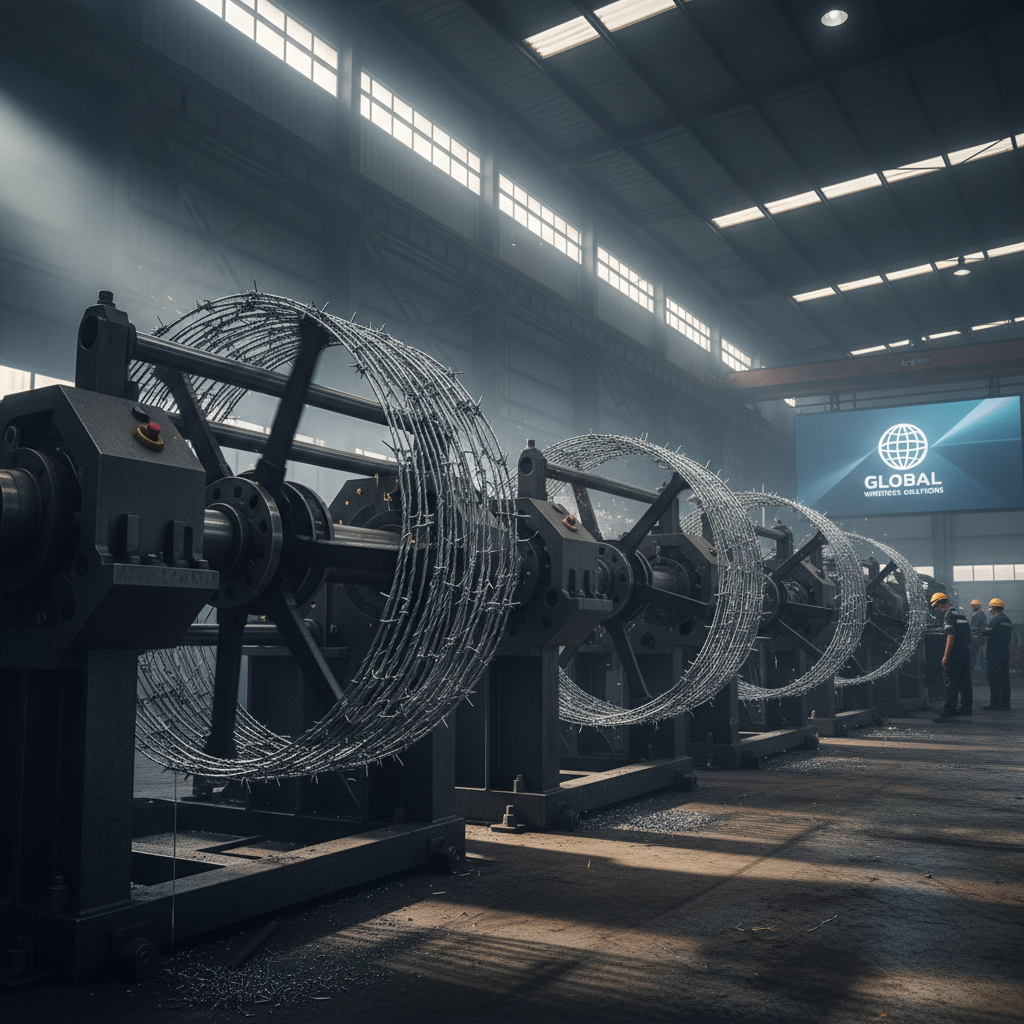
Before diving into specific suppliers, understanding the key factors to evaluate is crucial. These include the supplier's experience, manufacturing capabilities, quality control processes, after-sales service, and pricing. A supplier with a proven track record, modern manufacturing facilities, and a robust quality assurance system is more likely to deliver a reliable and high-performing machine. Don't underestimate the importance of responsive and efficient after-sales support; access to spare parts, technical assistance, and maintenance services is essential for minimizing downtime and maximizing your investment.
Key Highlights: Evaluate a supplier’s experience, manufacturing capabilities, quality control, after-sales support, and pricing. A robust quality assurance system is essential.
Barbed wire machines come in various types, each designed for different production capacities and wire gauge ranges. Common types include automatic barbed wire machines, semi-automatic machines, and manual machines. Automatic machines offer high production speed and efficiency but require a higher initial investment. Semi-automatic machines provide a balance between automation and manual operation, while manual machines are suitable for smaller-scale production. Consider your production needs, budget, and available workforce when choosing the appropriate machine type. Mesh Machinery offers a diverse range of machines to fit your specific requirements.
Machine Type Benefits:
• Automatic: High production speed, efficiency.
• Semi-automatic: Balance of automation and manual labor.
• Manual: Suitable for small-scale production.
Not all barbed wire machine suppliers are created equal. Here’s a comparison to help you differentiate between providers:
When evaluating barbed wire machines, pay attention to these key specifications: wire diameter range, production capacity (tons per day), power consumption, machine dimensions, and weight. Also, inquire about the machine’s automation level, control system (PLC or manual), and safety features. A detailed technical specification sheet from the supplier will provide valuable information for comparison.
Selecting the right barbed wire machine supplier is a crucial investment for your business. Mesh Machinery combines years of experience, advanced manufacturing capabilities, and a commitment to customer satisfaction. By prioritizing quality, reliability, and after-sales support, you can ensure a smooth production process and maximize your return on investment.
Lead times can vary depending on the machine's complexity and the supplier’s current workload. Generally, expect a lead time of 30-60 days for standard machines. Custom-designed machines may require longer lead times. It’s crucial to confirm the lead time with the supplier before placing your order to accurately plan your production schedule. Mesh Machinery strives to deliver machines within the agreed-upon timeframe, and provides regular updates on the production process.
Most reputable suppliers offer a warranty of 12-24 months on their barbed wire machines. The warranty typically covers defects in materials and workmanship. It's vital to carefully review the warranty terms and conditions to understand what is covered and what is excluded. A comprehensive warranty demonstrates the supplier’s confidence in the quality of their machines. Mesh Machinery provides a detailed warranty policy to ensure customer peace of mind.
Many suppliers offer installation and training services to ensure the smooth operation of the machine. Installation typically involves setting up the machine, connecting utilities, and performing initial testing. Training covers machine operation, maintenance, and troubleshooting. On-site installation and training are often recommended, especially for complex machines. Mesh Machinery provides professional installation and training services to maximize your investment.

High Precision Wedge Wire Screen Welding Machine Factory Suppliers in China


Nov 10, 2026
Technical Factors Influencing the Gabion Machine Price


