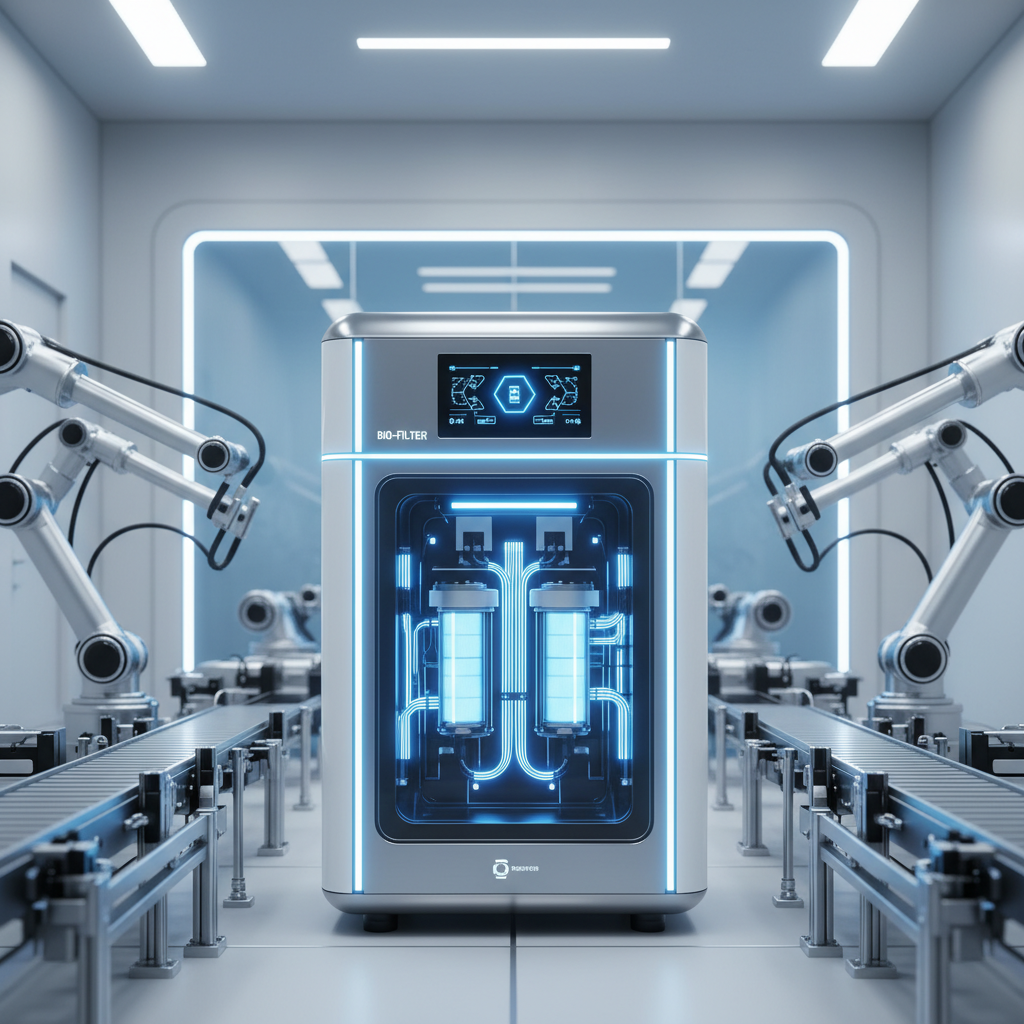
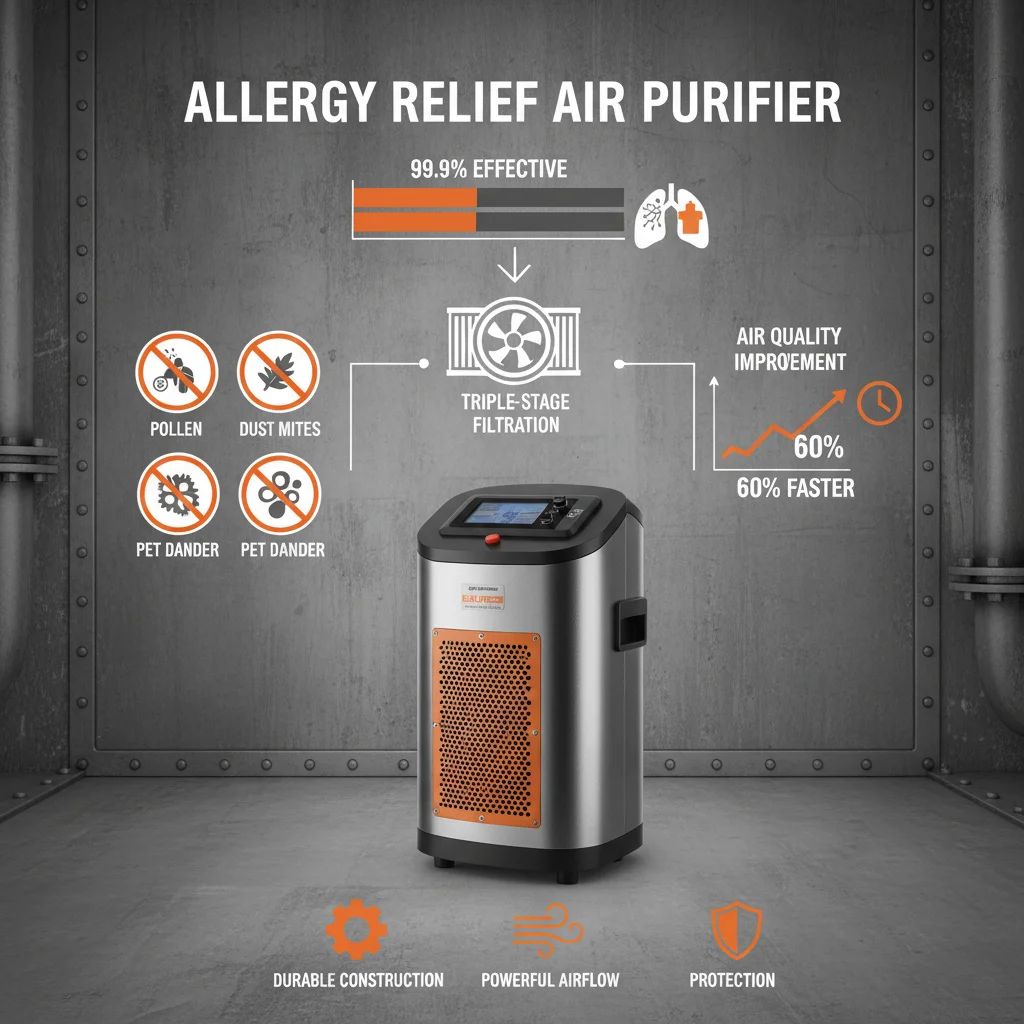
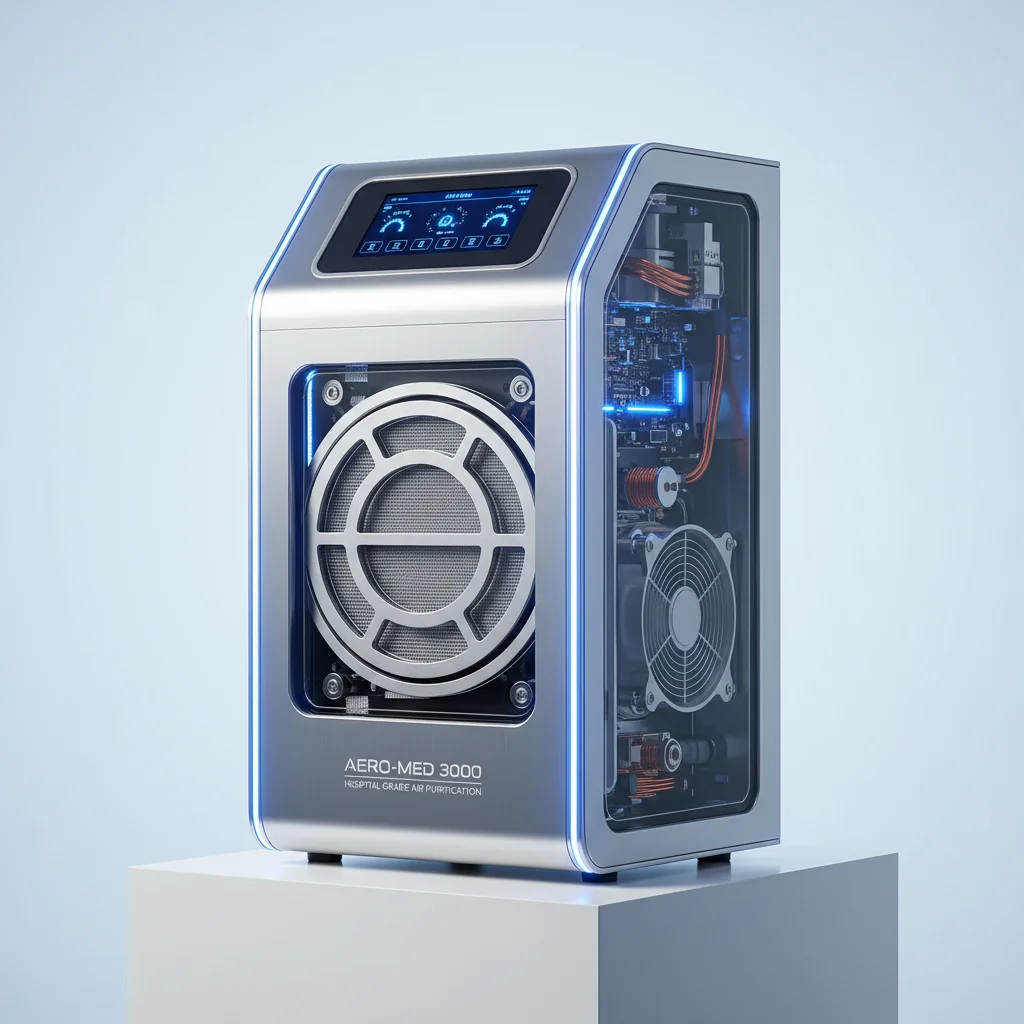
Medical air purifiers are becoming increasingly critical in maintaining safe and healthy environments, particularly within healthcare facilities, research laboratories, and even residential settings. The global need for effective air purification solutions is driven by rising concerns over indoor air quality, the spread of airborne diseases, and the impact of pollutants on human health. Understanding the technology, application, and future trends of medical air purifiers is essential for professionals in healthcare, building management, and public health, as well as for individuals seeking to improve their indoor air quality. medical air purifier solutions are evolving rapidly to meet these demands.
The relevance of medical air purifiers extends beyond clinical environments. Growing industrialization and urbanization contribute to increased levels of particulate matter and volatile organic compounds (VOCs) in the air, impacting respiratory health and overall well-being. The World Health Organization (WHO) estimates that 99% of the global population breathes air exceeding WHO guideline limits. This widespread exposure necessitates proactive measures, and sophisticated air purification technology plays a vital role. The demand for medical air purifier systems is steadily increasing worldwide.
Investing in and understanding medical air purifier technology isn't simply about compliance with regulations; it's about safeguarding public health, enhancing operational efficiency, and creating environments conducive to healing and productivity. From preventing hospital-acquired infections to protecting sensitive research, the benefits are far-reaching and contribute to a higher quality of life for all. The proliferation of advanced medical air purifier systems reflects a commitment to preventative healthcare and environmental stewardship.
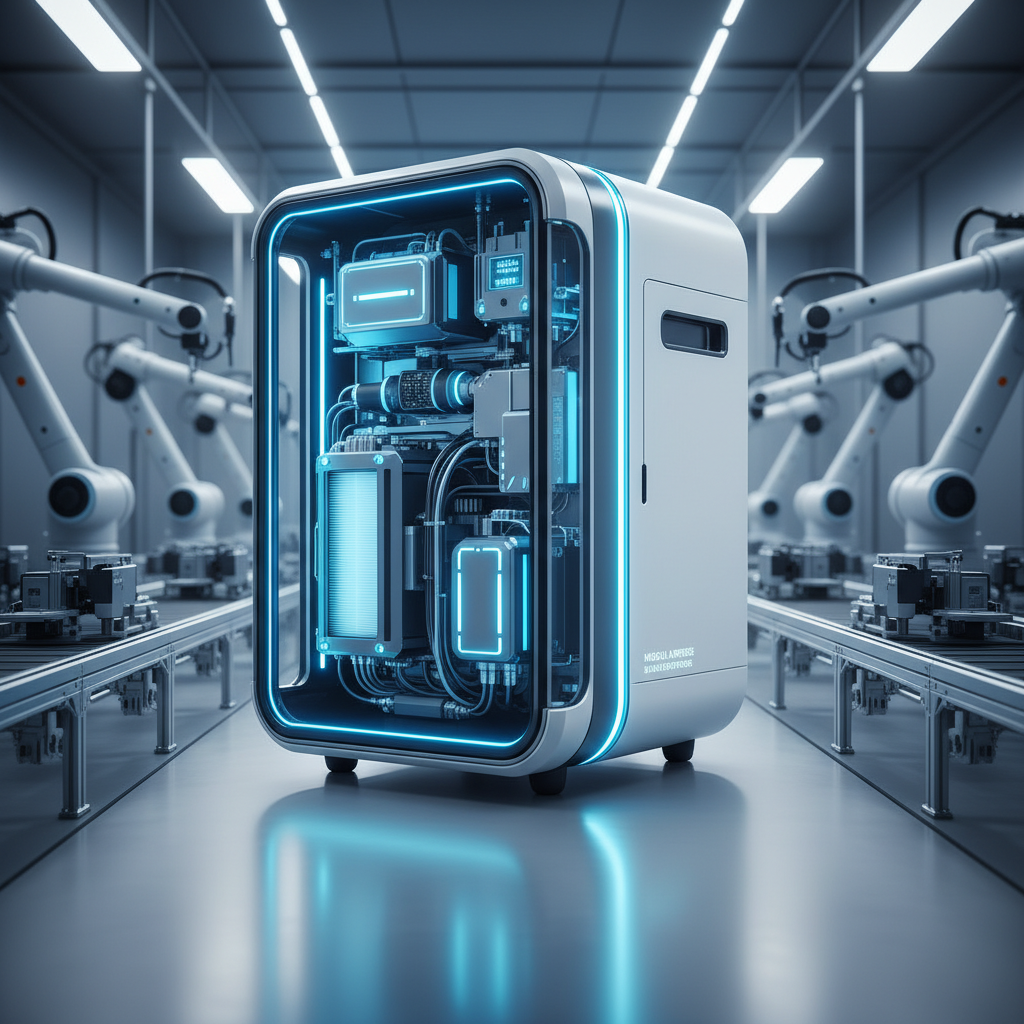
The Importance of Medical Air Purifiers
The need for effective medical air purification has never been more pronounced. In healthcare settings, airborne pathogens pose a constant threat of hospital-acquired infections (HAIs). These infections significantly increase morbidity, mortality, and healthcare costs. Medical air purifiers are designed to remove these pathogens, creating a safer environment for patients and staff. medical air purifier systems directly address this critical need.
Beyond healthcare, the growing awareness of indoor air pollution's impact on chronic diseases—such as asthma, allergies, and cardiovascular issues—is driving demand for high-quality air purification solutions in homes, offices, and public spaces. The rise of urbanization and industrialization further exacerbates these challenges, requiring proactive measures to safeguard public health.
Defining Medical Air Purification
Medical air purification refers to the process of removing airborne contaminants – including dust, pollen, mold spores, bacteria, viruses, and volatile organic compounds (VOCs) – from the air within healthcare facilities and other environments requiring stringent air quality control. Unlike standard air purifiers, medical-grade systems are designed to meet specific performance standards and often incorporate advanced filtration technologies like HEPA filters and UV-C sterilization.
This technology is vital not only for preventing the spread of infections but also for protecting sensitive medical equipment and processes. Certain procedures, like those in operating rooms and pharmaceutical manufacturing, demand exceptionally pure air to ensure optimal results and minimize contamination risks. medical air purifier systems are integral to maintaining these standards.
The connection to modern humanitarian needs is also evident. In disaster relief scenarios and temporary medical facilities, portable and robust air purification systems can provide a crucial barrier against airborne diseases and pollutants, creating safer environments for healthcare workers and those affected by the crisis.
Key Components and Filtration Technologies
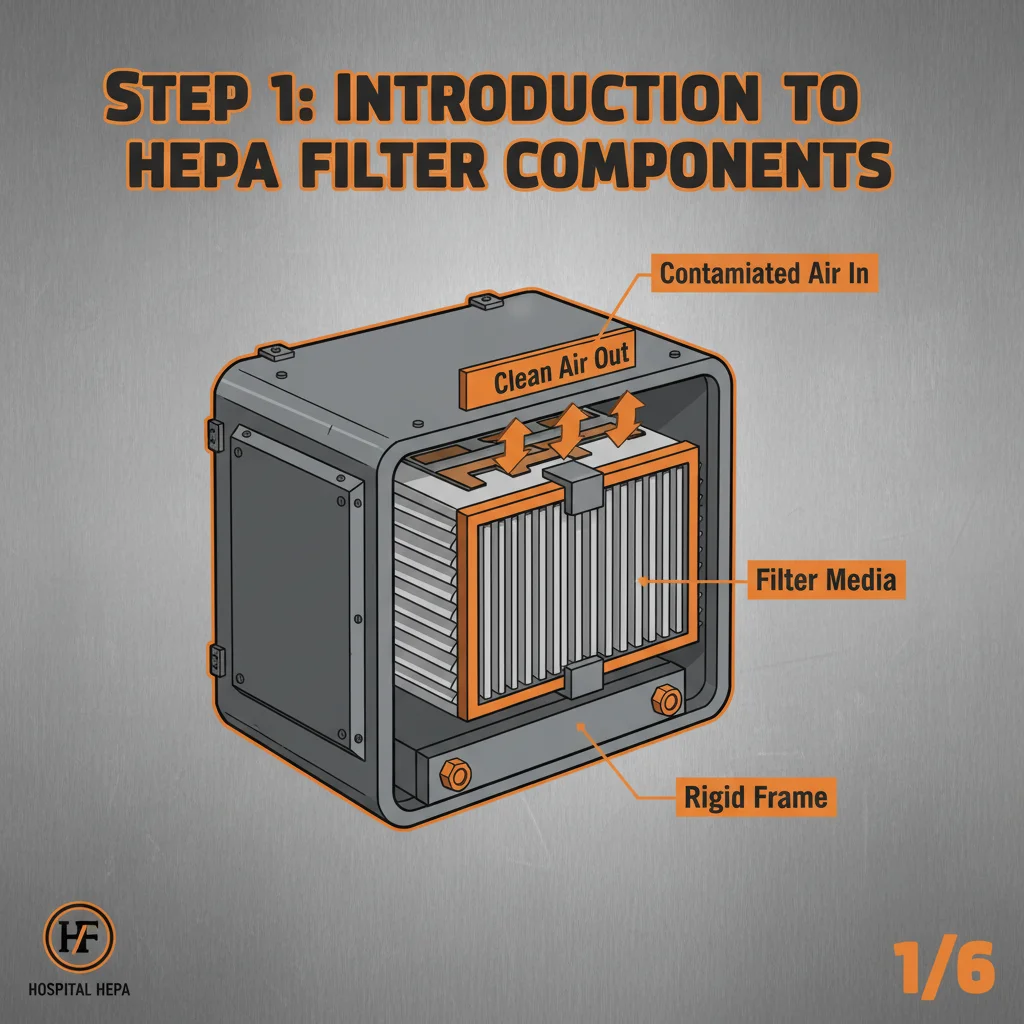
Several core components contribute to the effectiveness of a medical air purifier. Pre-filters remove larger particles like dust and pollen, extending the lifespan of subsequent filters. HEPA (High-Efficiency Particulate Air) filters are the cornerstone of most medical-grade systems, capturing at least 99.97% of particles 0.3 microns in diameter. These filters are crucial for removing bacteria and viruses.
Activated carbon filters are essential for removing odors, gases, and VOCs, contributing to overall air quality improvement. UV-C (Ultraviolet Germicidal Irradiation) lamps are often incorporated to kill bacteria, viruses, and mold spores that may pass through the filters. Finally, some advanced systems include ionization technology to further enhance air purification. The best medical air purifier units integrate several of these technologies.
The choice of filtration technology depends on the specific application and the types of contaminants that need to be removed. For example, a hospital operating room might prioritize HEPA filtration and UV-C sterilization, while a laboratory dealing with VOCs might focus on activated carbon filtration.
Performance Metrics and Efficiency
Evaluating the performance of a medical air purifier requires understanding several key metrics. Clean Air Delivery Rate (CADR) indicates the volume of clean air produced per hour, specifying the rate at which the purifier cleans a given room size. Another important metric is the Minimum Efficiency Reporting Value (MERV) rating, which assesses the filter's ability to capture particles of different sizes.
Efficiency is also determined by the purifier’s airflow rate and its ability to maintain consistent performance over time. Energy consumption is a critical factor for long-term cost-effectiveness and sustainability. Selecting a medical air purifier with a high CADR, appropriate MERV rating, and low energy consumption is essential.
Medical Air Purifier Performance Comparison
Global Applications Across Sectors
Medical air purifiers find applications in a wide range of sectors. Healthcare is the primary beneficiary, with critical applications in hospitals, clinics, operating rooms, and isolation wards. Pharmaceutical manufacturing facilities also rely heavily on these systems to maintain sterile environments.
Beyond healthcare, laboratories, research facilities, and cleanrooms utilize medical air purifiers to protect sensitive experiments and ensure accurate results. In post-disaster relief operations, portable air purification systems can provide immediate relief from airborne contaminants. The increasing demand for medical air purifier is reshaping air quality standards globally.
Advantages and Long-Term Value
The advantages of investing in medical air purification extend beyond immediate health benefits. Reduced rates of HAIs translate to lower healthcare costs and improved patient outcomes. Enhanced air quality can also boost employee productivity and reduce absenteeism. The sustainability aspect is becoming increasingly important, with energy-efficient models minimizing environmental impact.
Long-term value is derived from the reliability and durability of high-quality systems, reducing the need for frequent replacements. The peace of mind that comes with knowing you are providing a safe and healthy environment—for patients, staff, or your family—is an immeasurable benefit. Investing in a medical air purifier is an investment in wellbeing.
The emotional impact of clean air, fostering a sense of security and trust, should not be underestimated. Air purification solutions are not simply about technology; they are about creating spaces where people can thrive.
Future Trends and Innovations
Several exciting trends are shaping the future of medical air purification. The integration of smart technology, including IoT (Internet of Things) sensors and remote monitoring capabilities, is allowing for real-time air quality assessment and automated adjustments. Advanced filtration materials, such as nanofiber filters, are offering improved efficiency and longevity.
Sustainable design is also gaining traction, with manufacturers focusing on energy efficiency and the use of eco-friendly materials. The development of portable and mobile air purification systems is making these technologies more accessible in diverse settings. The future of medical air purifier is about intelligent, sustainable, and adaptable solutions.
Furthermore, the integration of artificial intelligence (AI) to predict air quality patterns and optimize filter replacement schedules promises to further enhance efficiency and reduce operational costs.
Key Challenges and Potential Solutions in Medical Air Purification
| Challenge |
Impact on Medical Air Purifier Performance |
Potential Solution |
Implementation Cost (1-10) |
| Filter Clogging |
Reduced CADR, Increased Energy Consumption |
Smart Filter Monitoring and Automated Replacement |
7 |
| High Energy Consumption |
Increased Operating Costs |
Energy-Efficient Motor and Fan Design |
6 |
| Limited Airflow in Large Spaces |
Uneven Air Purification |
Strategic Placement of Multiple Units |
4 |
| Maintenance Requirements |
Downtime and Labor Costs |
Automated Maintenance Scheduling and Remote Diagnostics |
8 |
| VOC Removal Efficiency |
Incomplete Removal of Harmful Gases |
Enhanced Activated Carbon Filtration and Catalytic Oxidation |
9 |
| Noise Levels |
Disruption in Sensitive Environments |
Sound Dampening Technologies and Variable Fan Speed Control |
5 |
FAQS
Medical air purifiers are designed to meet stricter standards for air filtration and sterilization, commonly utilizing HEPA filters, UV-C lights, and advanced sensors. They are validated for use in healthcare settings, focusing on removing pathogens and maintaining air quality crucial for patient safety, unlike standard purifiers geared toward general home use.
Filter replacement frequency depends on usage and air quality. Pre-filters should be replaced every 1-3 months. HEPA filters typically last 6-12 months, and activated carbon filters 3-6 months. Monitoring filter saturation indicators or checking for reduced airflow can help determine replacement needs. Regular maintenance ensures optimal medical air purifier performance.
Some medical air purifiers can produce noise, but many models are designed with quiet operation in mind. Noise levels vary depending on the fan speed and filtration system. Look for units with noise ratings below 50dB for comfortable use in sensitive environments like patient rooms or offices.
The effective room size depends on the purifier's Clean Air Delivery Rate (CADR). A higher CADR indicates the purifier can clean a larger space. Refer to the manufacturer's specifications for recommended room size. It's also crucial to consider the room's layout and air circulation patterns for optimal effectiveness.
UV-C lights are safe when contained within a properly designed air purifier. The unit's housing prevents exposure to UV radiation. However, direct exposure to UV-C light can be harmful. Ensure the purifier is intact and functioning correctly to maintain safe operation.
Look for certifications from reputable organizations like AHAM (Association of Home Appliance Manufacturers) and compliance with relevant standards. Check for independent testing reports verifying filtration efficiency and performance. Choosing a well-known and trusted brand can also provide assurance of quality and reliability.
Conclusion
Medical air purifiers are indispensable tools in safeguarding public health and maintaining optimal indoor air quality across a broad spectrum of settings. From healthcare facilities to research laboratories and residential spaces, these technologies are vital for removing airborne contaminants, preventing the spread of infections, and promoting overall well-being. The continuous advancements in filtration technologies and smart capabilities promise even more effective and efficient air purification solutions in the future.
Investing in a reliable medical air purifier isn't merely a preventative measure—it's a proactive step towards creating healthier and safer environments for individuals and communities. As awareness of the impact of air quality on health continues to grow, the demand for advanced air purification systems will only increase, driving further innovation and shaping a future where clean air is accessible to all. Visit our website: www.meshmachinery.com to learn more.