
February 05, 2026
Determining the barbed machine price requires a nuanced understanding of various factors, from machine type and capacity to manufacturer and location. This article provides an in-depth exploration of the costs associated with barbed wire machinery, helping you make an informed investment. We will cover the different types of machines, key cost drivers, and how to find the best value. Understanding these aspects will enable you to navigate the market effectively and secure a machine that aligns with your business needs and budget.
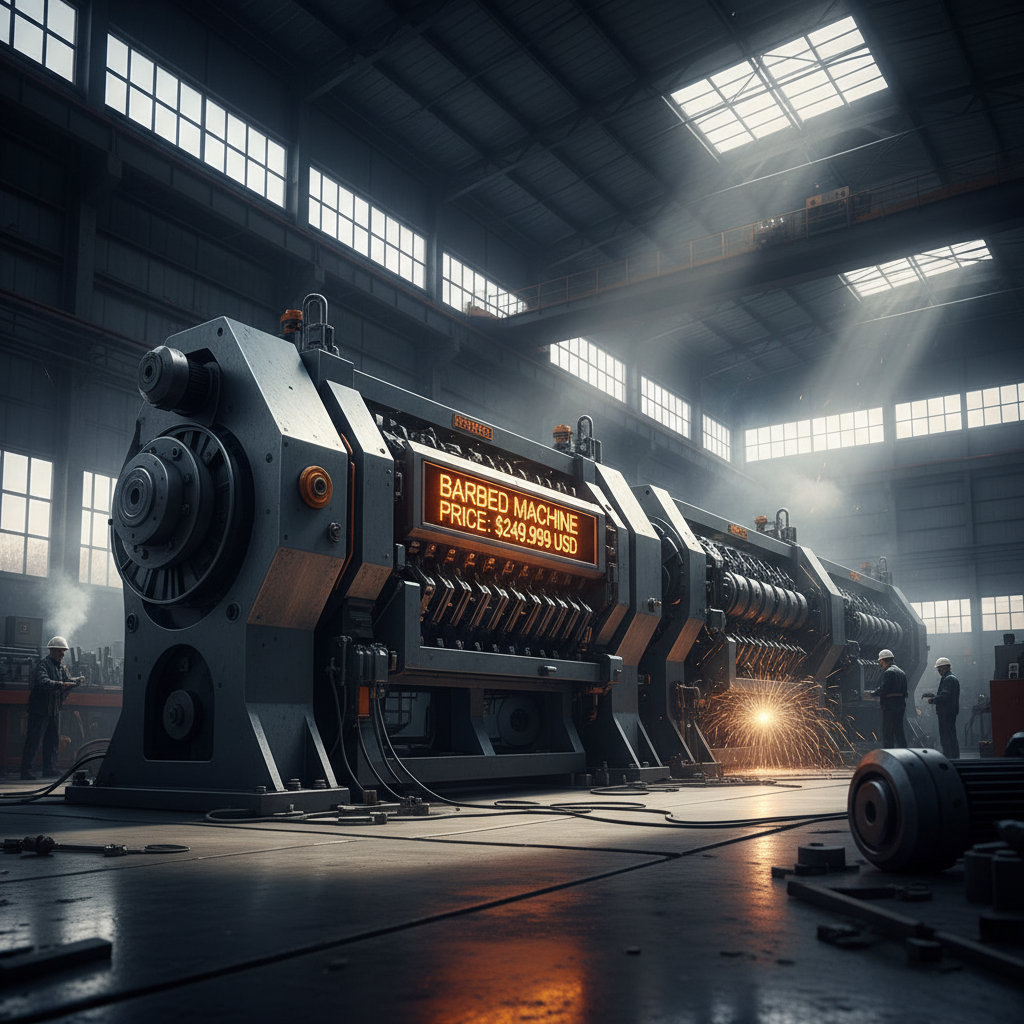
The barbed wire machine price heavily depends on the machine's type. Common types include automatic barbed wire machines, semi-automatic machines, and manual machines. Automatic machines offer high production rates and minimal labor requirements, but come with a higher price tag. Semi-automatic machines strike a balance between automation and manual operation, offering a moderate price range. Manual machines are the most affordable option, suitable for small-scale operations. The choice depends on your production volume, labor costs, and budget constraints.
Several key factors directly impact the barbed machine price. Machine capacity, measured in tons per hour, is a significant factor – higher capacity machines are more expensive. The level of automation also plays a role, with fully automated systems commanding a premium. The manufacturer's reputation and the quality of components used are also crucial. Additional features, such as automatic coilers and wire tension control systems, can add to the overall cost. Lastly, the location of the manufacturer and shipping costs contribute to the final price.
Key Price Influencers: Machine Capacity, Automation Level, Manufacturer Reputation, Component Quality, Additional Features, Shipping Costs.
To illustrate the cost differences, here’s a comparative overview of the barbed machine price across various types. Please note these are approximate ranges, and actual prices can vary.
While the upfront barbed machine price is important, remember to factor in long-term costs. These include maintenance, spare parts, electricity consumption, and labor costs. A more expensive, high-quality machine may have lower maintenance requirements and higher efficiency, ultimately reducing your total cost of ownership. Consider the availability of local service and support from the manufacturer. Choosing a reputable supplier with a proven track record can save you significant money and downtime in the long run.
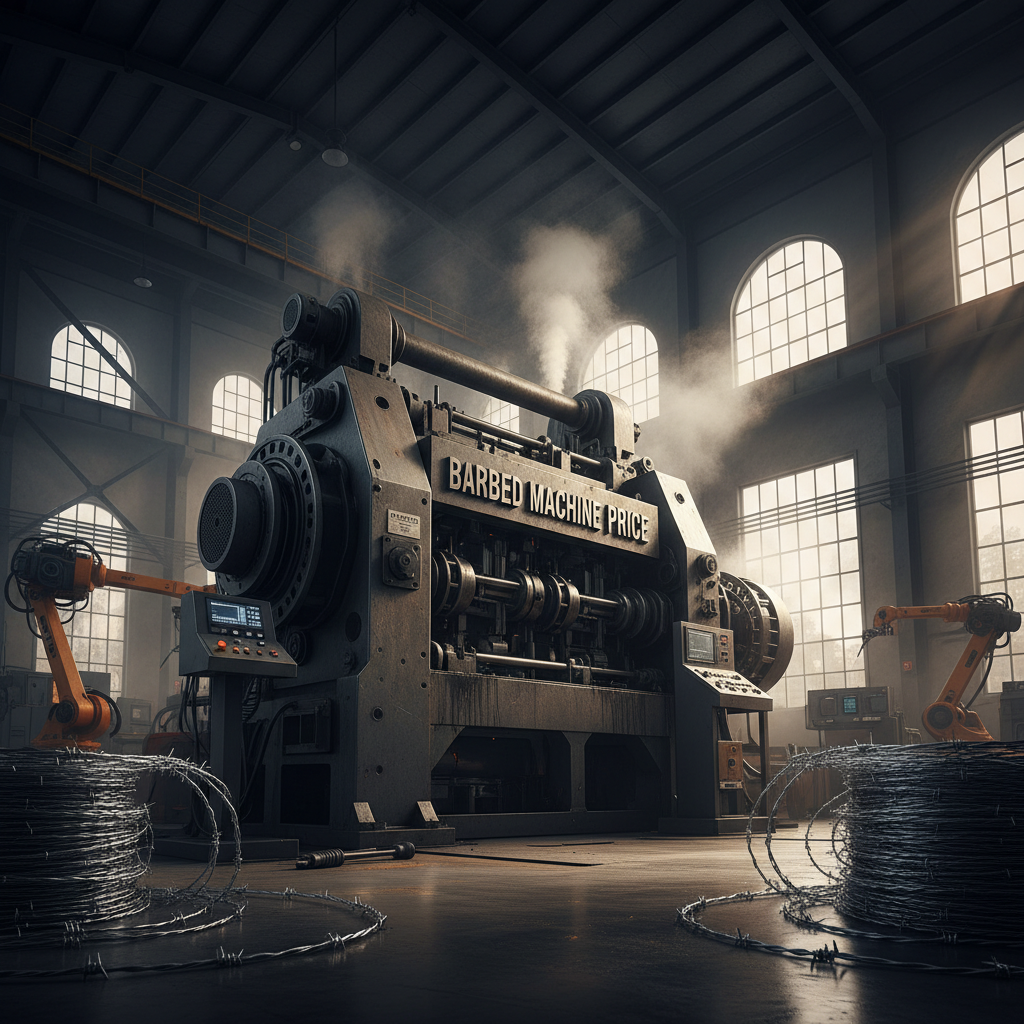
Sourcing a barbed wire machine requires diligent research. Explore online marketplaces like Alibaba and industry-specific websites. Contacting manufacturers directly, such as Mesh Machinery, allows you to request quotes and discuss your specific needs. Attend industry trade shows to network with suppliers and compare different models. Always request detailed specifications, warranty information, and references before making a purchase. Be cautious of exceptionally low prices, as they may indicate inferior quality or hidden costs.
Understanding the barbed machine price and the factors that influence it is crucial for making a sound investment. By carefully considering your production needs, budget, and long-term costs, you can select a machine that delivers optimal performance and value. Don't hesitate to reach out to reputable manufacturers like Mesh Machinery for expert guidance and customized solutions.
Lead times vary depending on the machine's complexity and the manufacturer's production schedule. Generally, expect a lead time of 4-12 weeks for standard machines and longer for customized configurations. It's crucial to inquire about lead times during the quotation process to plan your production schedule accordingly. Factors like the availability of raw materials and current order backlog can also influence delivery times. Confirming the lead time in writing with the supplier is always advisable.
Regular maintenance is essential for ensuring optimal performance and longevity. This includes daily lubrication of moving parts, periodic inspection of belts and gears, and regular cleaning of the machine. It’s vital to replace worn parts promptly to prevent breakdowns. Following the manufacturer’s maintenance schedule is highly recommended. Some machines may require specialized maintenance by trained technicians. Proper maintenance significantly reduces downtime and extends the machine's lifespan.
Typically, the barbed machine price does not include installation and training. These are usually offered as separate services at an additional cost. Installation typically involves setting up the machine, connecting power and air supplies, and performing initial testing. Training ensures that your operators understand how to operate and maintain the machine safely and efficiently. Always clarify whether installation and training are included in the quote or available as optional services.
Common wire types include low carbon steel wire, galvanized steel wire, and PVC coated wire. Low carbon steel wire is the most economical option, while galvanized steel wire offers superior corrosion resistance. PVC coated wire provides enhanced durability and a colored finish. The choice of wire depends on the intended application and environmental conditions. Ensure that the wire diameter and tensile strength are compatible with your machine's specifications.
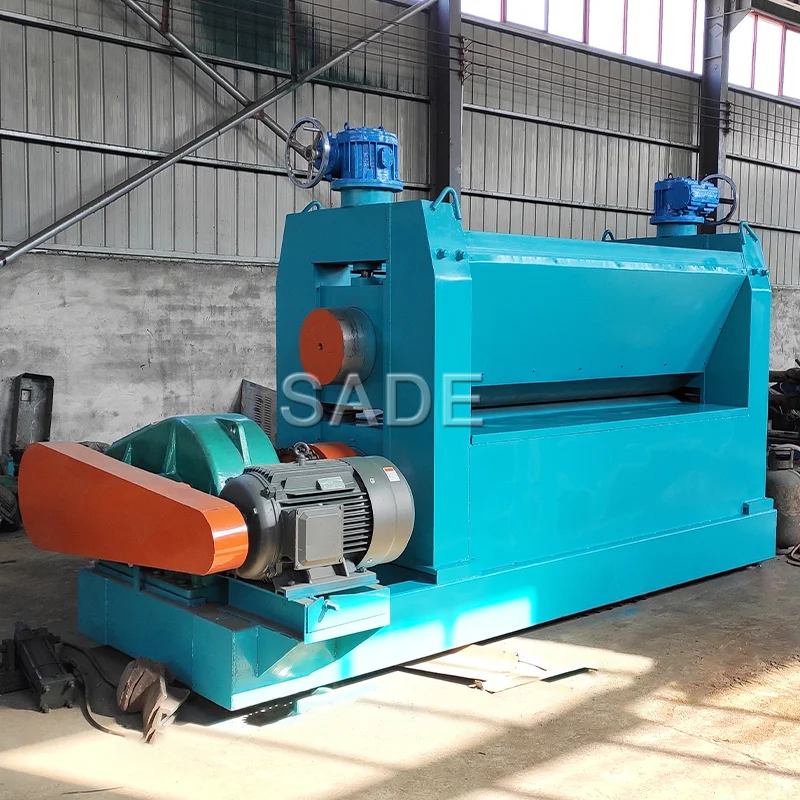
ZPJ Metal Mesh Flatting Machine
ZPJ metal mesh flatting machine is special designed for expanded metal flatting.It’s a corollary equipment of expanded metal machine. It can make expanded wire-mesh smoothly.And the flattened expanded metal have much more widely different applications.
Apr 24, 2026
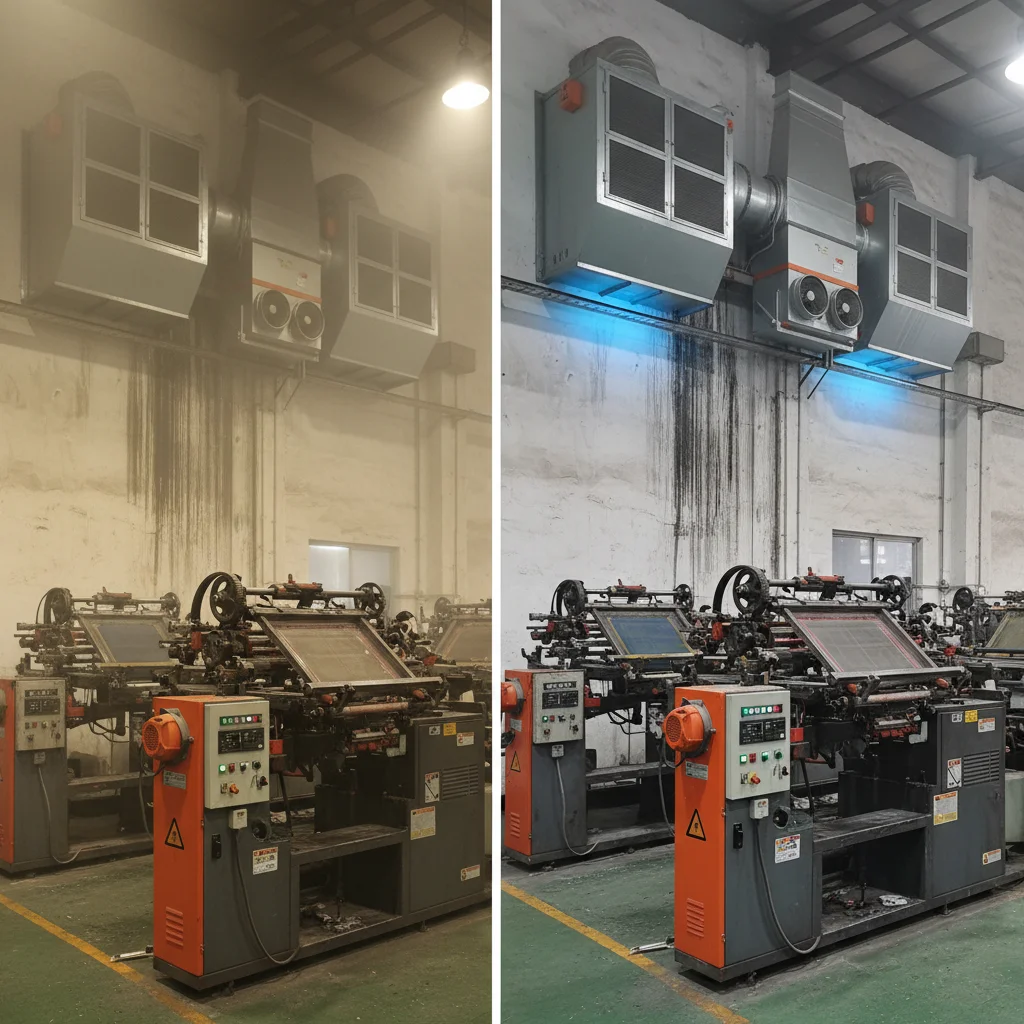
Industrial Wall Mounted Air Filtration for Clean Work Environments