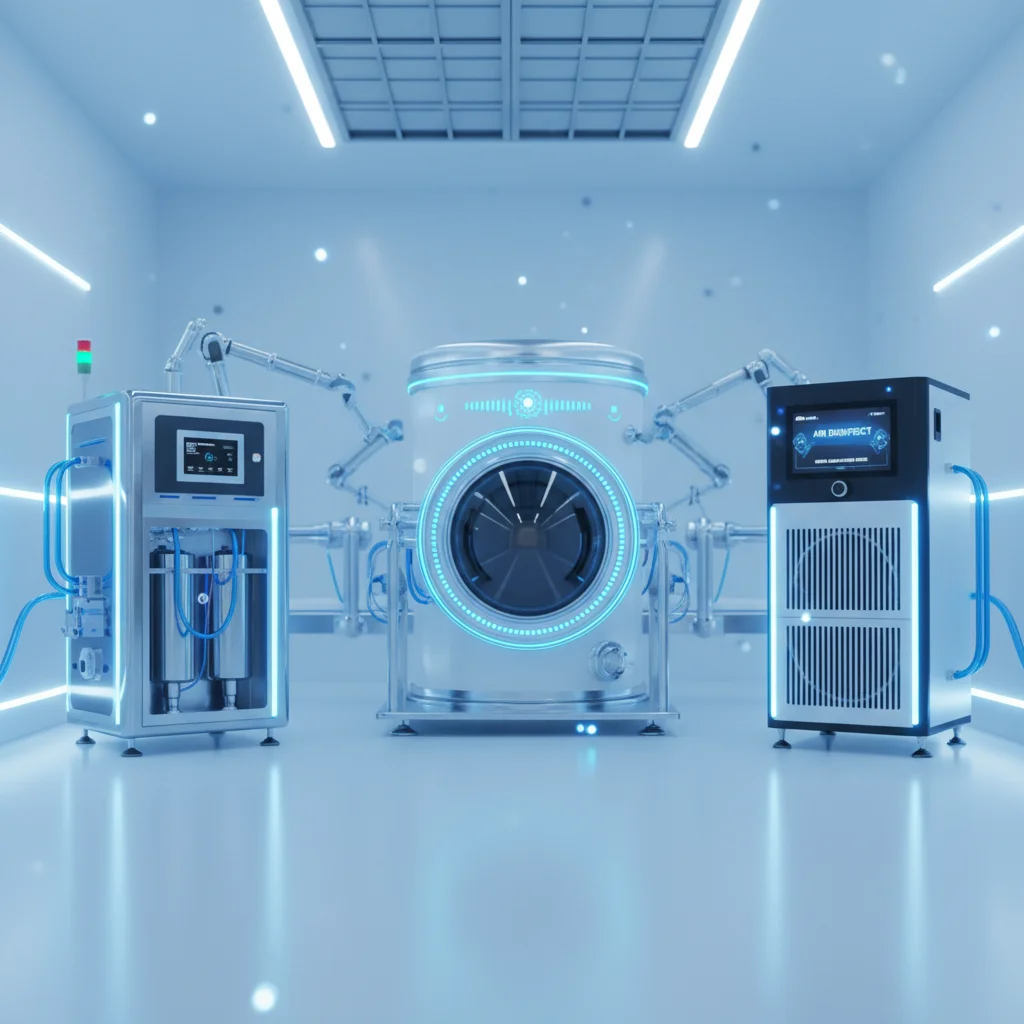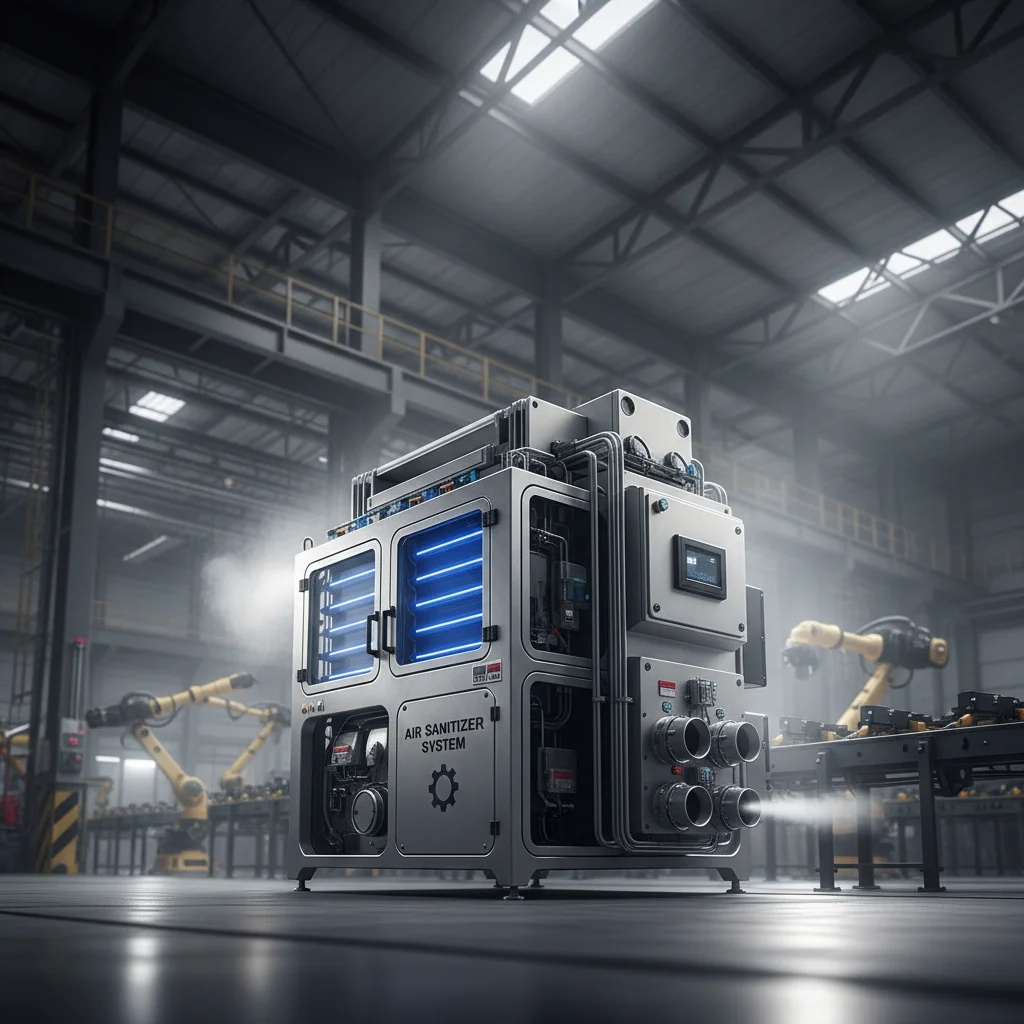

Air filtration in hospitals is a critical component of infection control, patient safety, and overall healthcare quality. The modern hospital environment presents unique challenges to air quality, including the circulation of airborne pathogens, dust, allergens, and volatile organic compounds. Effective air filtration in hospitals systems are therefore essential for minimizing the risk of healthcare-associated infections (HAIs), improving patient outcomes, and protecting healthcare workers. Investing in and maintaining advanced filtration technologies is no longer a luxury but a necessity for delivering safe and effective patient care.
Globally, the demand for robust air filtration solutions in healthcare facilities is steadily increasing, driven by factors like rising rates of antimicrobial resistance, the emergence of novel infectious diseases, and a growing awareness of the impact of indoor air quality on health. International organizations like the World Health Organization (WHO) and national standards bodies (e.g., ASHRAE) are continually updating guidelines for ventilation and air filtration in healthcare settings. This increasing emphasis on air quality necessitates a thorough understanding of the various technologies and strategies available for maintaining optimal air purity within hospital environments.
The importance of maintaining stringent air quality standards extends beyond simply preventing infection. It also contributes to patient comfort, reduces the severity of respiratory symptoms, and supports the proper functioning of sensitive medical equipment. Advanced air filtration in hospitals systems represent a significant investment in public health and contribute to the overall sustainability of healthcare operations.
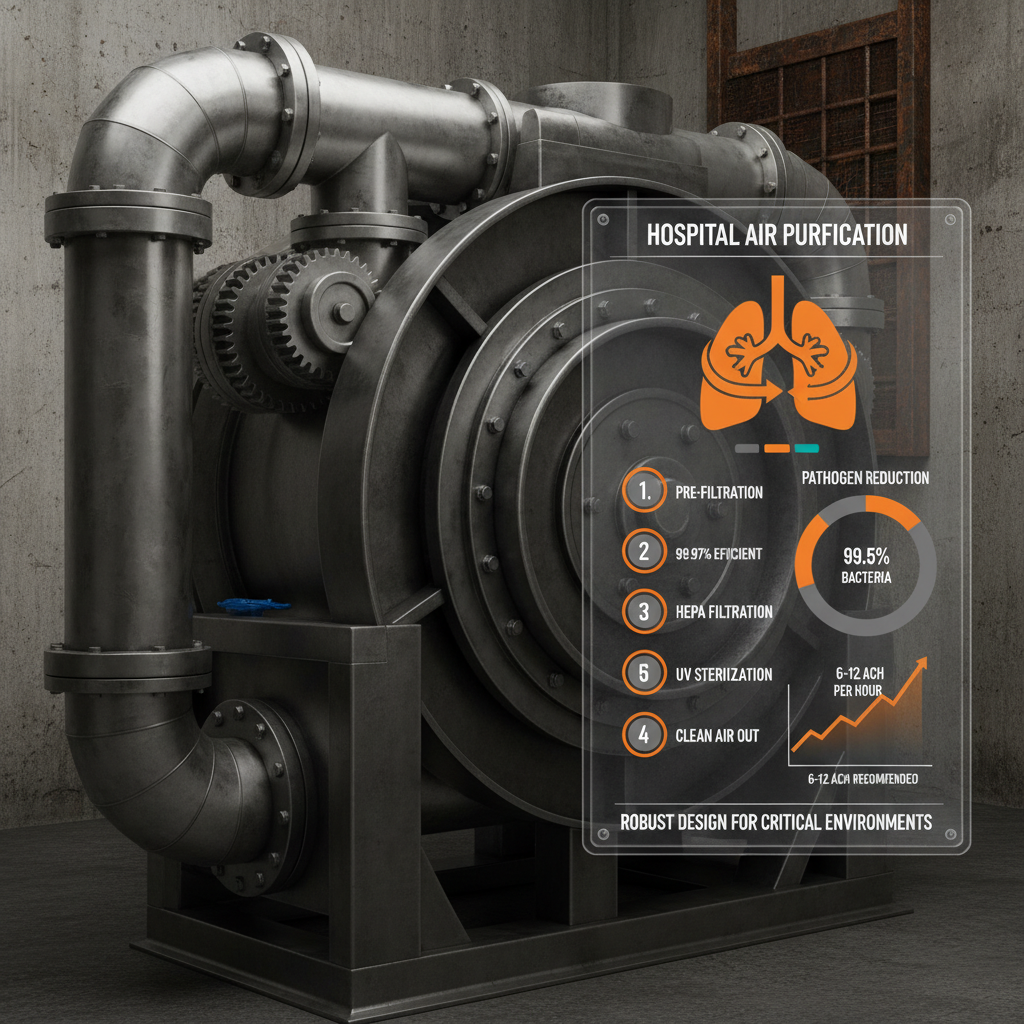
The fundamental purpose of air filtration in hospitals is to remove airborne contaminants that could compromise patient health or impede medical procedures. This includes bacteria, viruses, fungal spores, dust particles, pollen, and even surgical smoke. Modern systems go beyond simple particle removal and increasingly focus on capturing volatile organic compounds (VOCs) and odors, contributing to a more therapeutic environment.
Implementing effective air filtration in hospitals requires a holistic approach, encompassing proper system design, regular maintenance, and adherence to established industry standards. Factors such as airflow rates, filter efficiency, and room pressurization all play a crucial role in achieving optimal air quality. Furthermore, the increasing complexity of healthcare environments—including isolation rooms, operating theaters, and intensive care units—demands tailored filtration solutions to address specific needs.
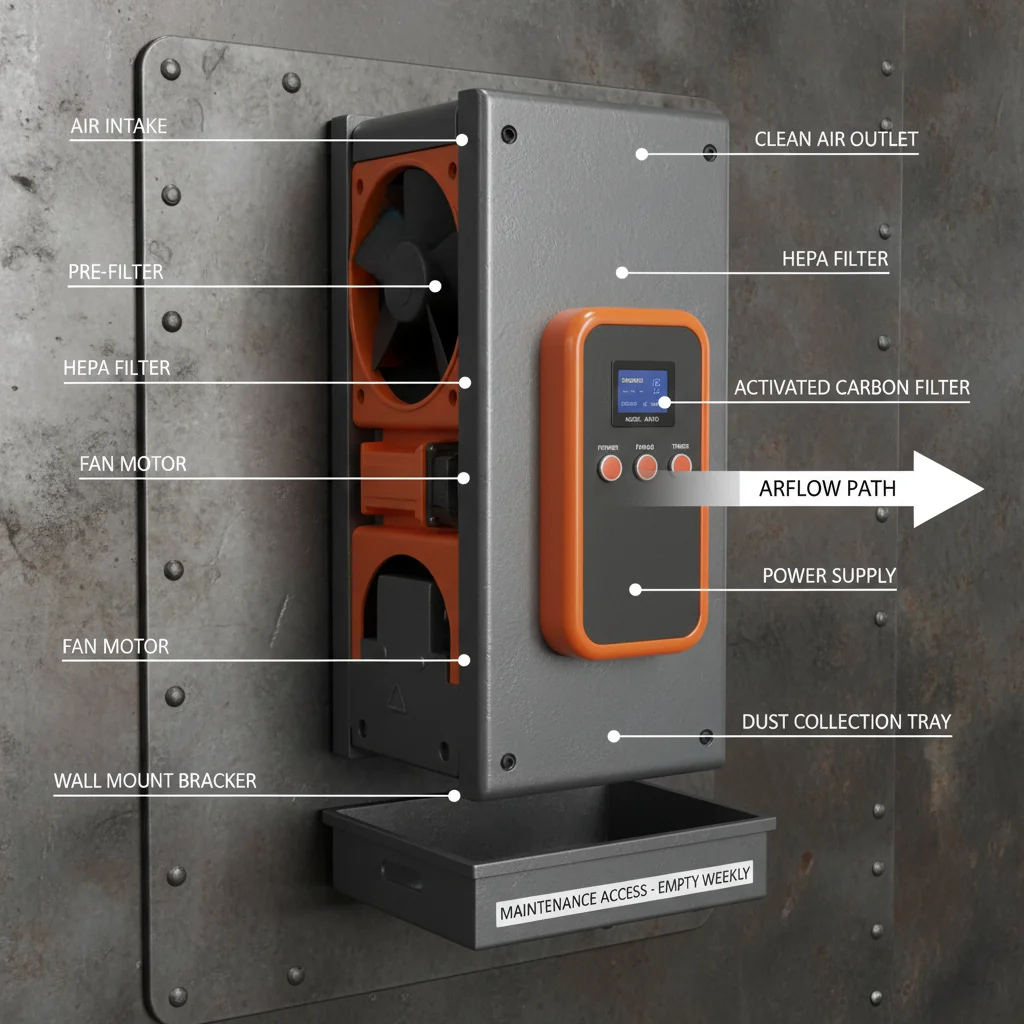
HEPA (High-Efficiency Particulate Air) filters remove 99.97% of particles 0.3 microns in size, while ULPA (Ultra-Low Penetration Air) filters are even more efficient, capturing 99.999% of particles of the same size. ULPA filters are typically used in critical environments like operating rooms or laboratories where extremely high levels of air purity are required. HEPA filters are generally suitable for most other hospital areas, offering a balance between performance and cost.
The frequency of air filter changes depends on several factors, including the type of filter, the level of contamination in the environment, and the manufacturer’s recommendations. Pre-filters typically need to be replaced monthly, while HEPA and ULPA filters may last 6-12 months. Regular monitoring of pressure drop across the filters is crucial to determine when replacement is necessary. Failing to replace filters on time significantly reduces their effectiveness.
UV-C sterilization utilizes ultraviolet light to inactivate airborne pathogens, including bacteria, viruses, and fungi. It's often used in conjunction with traditional filtration systems to provide an extra layer of protection. UV-C light disrupts the DNA or RNA of microorganisms, preventing them from replicating. However, UV-C sterilization is most effective when used in conjunction with adequate air mixing and filtration to ensure all airborne contaminants are exposed to the UV-C source.
Maintaining proper airflow and ventilation requires a comprehensive approach. This includes regular inspection and maintenance of HVAC systems, ensuring adequate outdoor air intake, and implementing room pressurization strategies. Airflow patterns should be designed to minimize the spread of contaminants and maximize air exchange. Regular airflow measurements and smoke tests can help identify and correct any imbalances or deficiencies.
The costs vary widely depending on the size of the hospital, the level of filtration required, and the type of technology employed. Initial costs include equipment purchase and installation. Ongoing costs include filter replacements, energy consumption, and maintenance services. However, these costs should be viewed as an investment in patient safety and reduced healthcare-associated infections, which can result in significant savings in the long run.
Yes, several organizations establish guidelines and standards for air filtration in healthcare settings. ASHRAE (American Society of Heating, Refrigerating and Air-Conditioning Engineers) provides standards for ventilation and air filtration. The CDC (Centers for Disease Control and Prevention) offers guidelines for preventing the spread of infections in healthcare facilities. Compliance with these standards is essential for ensuring patient safety and maintaining accreditation.
In conclusion, effective air filtration in hospitals is paramount for safeguarding patient health, protecting healthcare workers, and minimizing the risk of healthcare-associated infections. A multi-faceted approach encompassing high-efficiency filters, proper ventilation, regular maintenance, and adherence to industry standards is crucial for achieving optimal air quality. Investing in and prioritizing air filtration is not merely a matter of compliance but a fundamental commitment to delivering safe and effective patient care.
Looking ahead, ongoing innovation in filtration technologies, coupled with a greater emphasis on data-driven monitoring and proactive maintenance, will further enhance the effectiveness and sustainability of hospital air filtration systems. Continuous research and development are essential for addressing emerging threats and adapting to the evolving needs of the healthcare landscape. Visit our website at www.meshmachinery.com to learn more about our comprehensive air filtration solutions for hospitals.