
February 27, 2026
Rebar bending machines are essential tools for the construction industry, facilitating the precise and efficient shaping of reinforcing steel. Selecting the appropriate machine is crucial for project success, impacting both productivity and the structural integrity of concrete structures. This article provides a comprehensive overview of rebar bending machines, covering types, features, applications, and factors to consider when making a purchase. We'll guide you through the process of choosing the perfect rebar bending machine for your specific needs and budget.
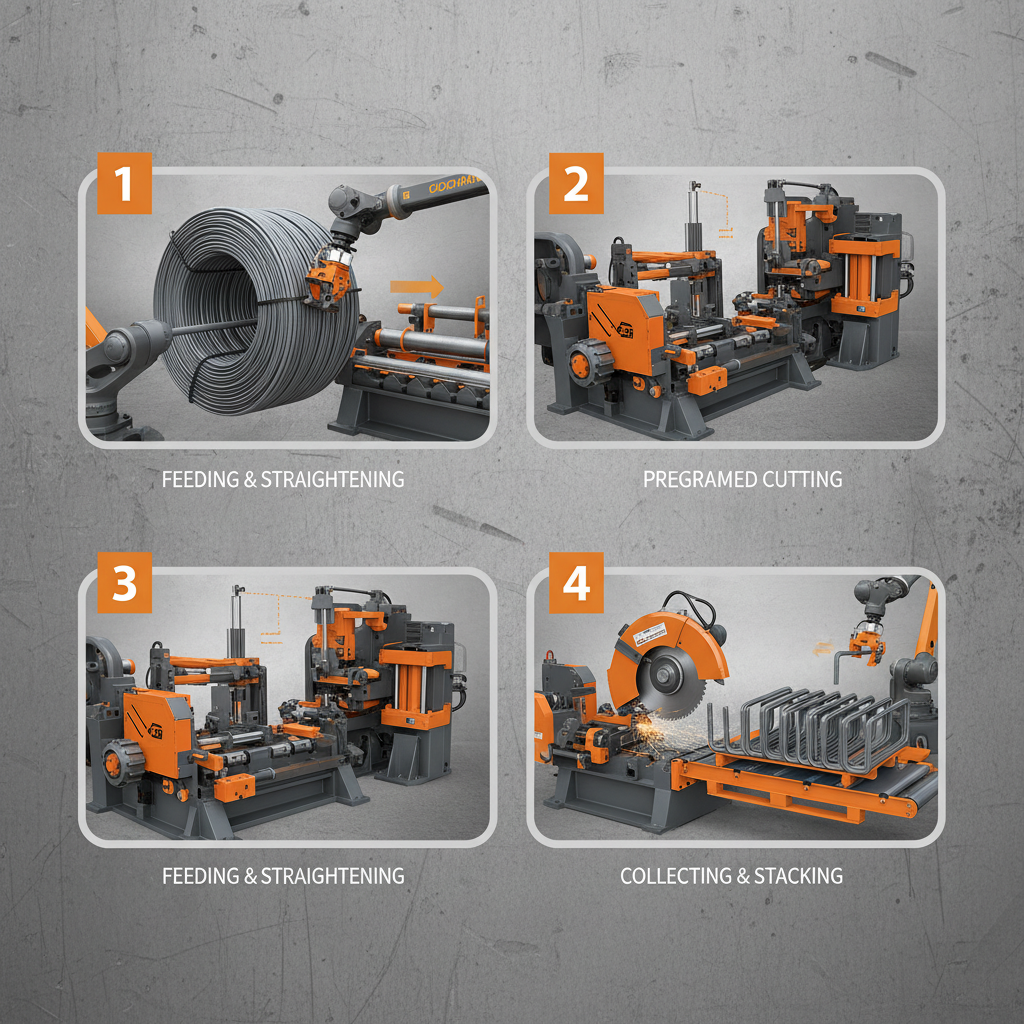
Rebar bending machines come in several varieties, each suited to different applications and scales of operation. The most common types include manual, semi-automatic, and fully automatic machines. Manual machines require physical effort to operate, while semi-automatic machines assist with the bending process, reducing operator fatigue. Fully automatic machines offer the highest levels of efficiency and precision, ideal for large-scale construction projects. Choosing the right type depends on factors such as project size, budget, and the required bending accuracy. Mesh Machinery offers a range of options to meet diverse requirements.
Key Takeaway: Selecting the proper rebar bending machine depends heavily on the scale of the project and the desired level of automation.
Several features differentiate rebar bending machines. Bending diameter and capacity refer to the maximum size of rebar the machine can handle. Bending angle accuracy is critical for structural integrity. Portability is important for on-site applications. Power source (electric, hydraulic, or pneumatic) influences flexibility and operational costs. Finally, safety features, such as emergency stops and protective guards, are paramount. A machine with a robust build quality and reliable components will ensure long-term performance and minimize downtime.
Essential Features:
• Bending Diameter & Capacity
• Bending Angle Accuracy
• Portability
• Power Source
• Safety Features
Understanding the differences between these types is vital for making an informed decision. Manual machines are cost-effective for small projects but require significant physical effort. Semi-automatic machines balance cost and efficiency, while automatic machines offer the highest productivity and precision, but come with a higher price tag. Consider your project's demands and available resources when evaluating these options.
Rebar bending machines are vital in various construction applications. They’re used in building foundations, columns, beams, slabs, and walls. They are also employed in infrastructure projects like bridges, tunnels, and roads. The ability to efficiently and accurately bend rebar contributes significantly to the speed and quality of construction. Choosing a machine tailored to the specific types of projects you undertake is essential.
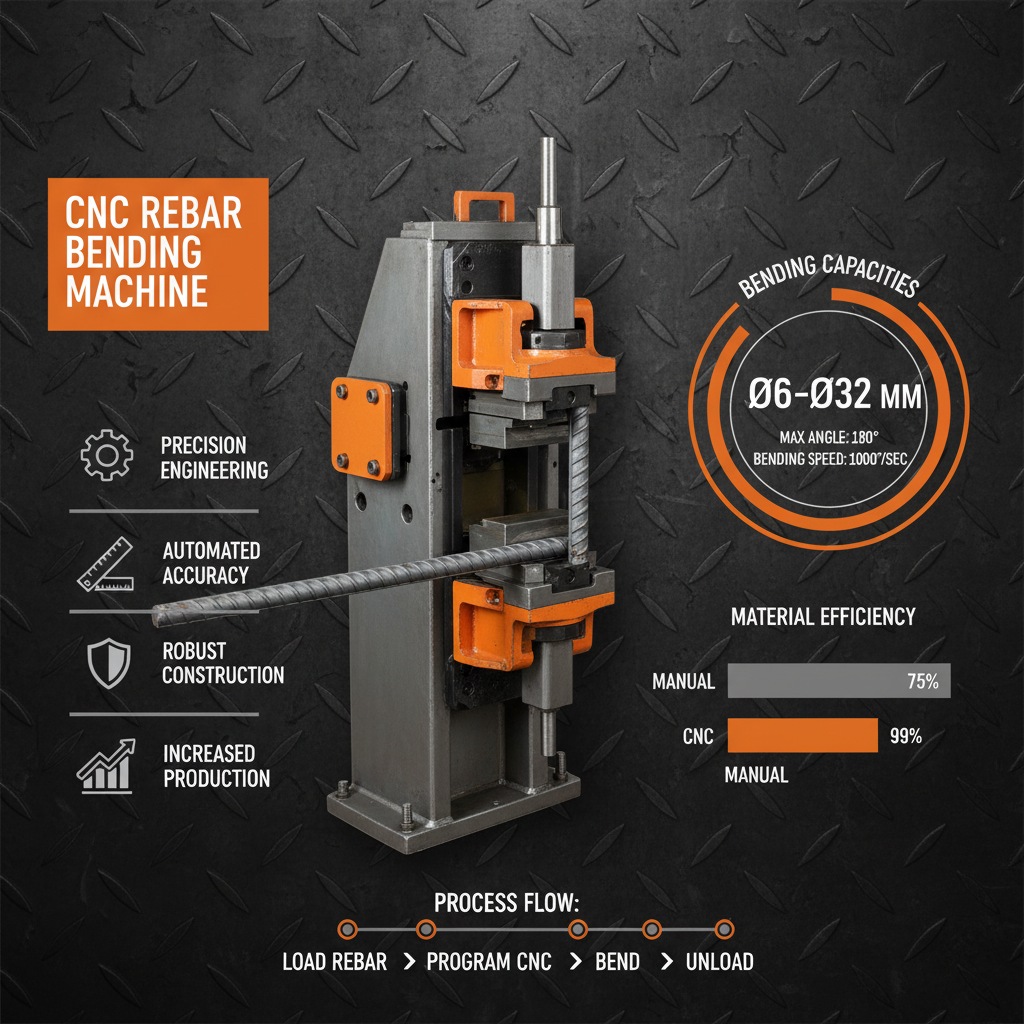
Before making a purchase, carefully assess your project needs, budget, and available resources. Consider the size and type of rebar you'll be working with, the required bending angles, and the level of automation desired. Evaluate the machine's build quality, safety features, and the availability of spare parts and service support. Mesh Machinery offers expert advice and a wide selection of machines to help you find the perfect fit.
Investing in a high-quality rebar bending machine is a strategic decision that yields significant benefits for construction professionals. From increased efficiency and precision to enhanced safety and durability, the right machine can streamline operations and improve project outcomes. Mesh Machinery is your trusted partner for sourcing reliable and innovative rebar bending solutions.
Power requirements vary significantly depending on the machine's type and capacity. Manual machines require no electrical power, while semi-automatic and automatic machines typically operate on 220V or 380V electrical supply. Hydraulic machines may require a separate hydraulic power unit. Before purchasing, ensure your facility has the appropriate power infrastructure to support the machine. Consult the machine's specifications for accurate power requirements.
Regular maintenance is crucial for extending the lifespan and ensuring the optimal performance of your rebar bending machine. This includes lubricating moving parts, cleaning the machine after each use, and inspecting for wear and tear. Regularly check the hydraulic fluid levels (if applicable) and replace filters as needed. Refer to the manufacturer's manual for detailed maintenance instructions. Preventive maintenance can significantly reduce downtime and repair costs.
Safety is paramount when operating a rebar bending machine. Always wear appropriate personal protective equipment (PPE), including safety glasses, gloves, and steel-toe boots. Ensure the machine is properly grounded and that all safety guards are in place. Never exceed the machine's capacity, and always follow the manufacturer's operating instructions. Keep bystanders away from the work area and be aware of potential pinch points. Regular safety training for operators is essential.
Mesh Machinery provides comprehensive spare parts and service support for all our rebar bending machines. We maintain a stock of essential components and offer expert repair services. Contact our customer support team for assistance with parts ordering or technical issues. Regularly scheduled maintenance and prompt repairs can help ensure the continued reliability of your machine.
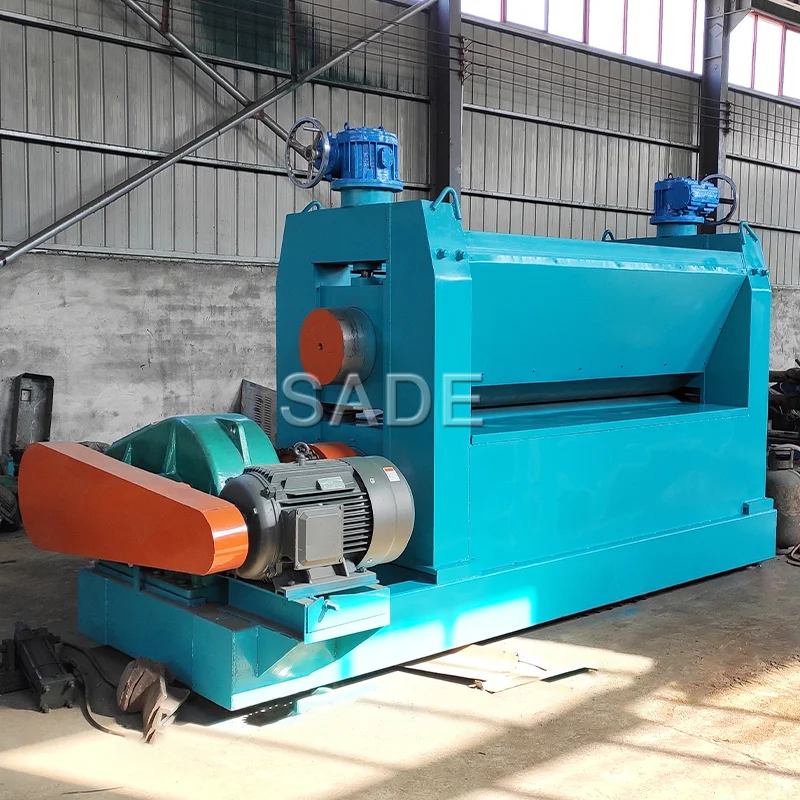
ZPJ Metal Mesh Flatting Machine
ZPJ metal mesh flatting machine is special designed for expanded metal flatting.It’s a corollary equipment of expanded metal machine. It can make expanded wire-mesh smoothly.And the flattened expanded metal have much more widely different applications.
Apr 24, 2026
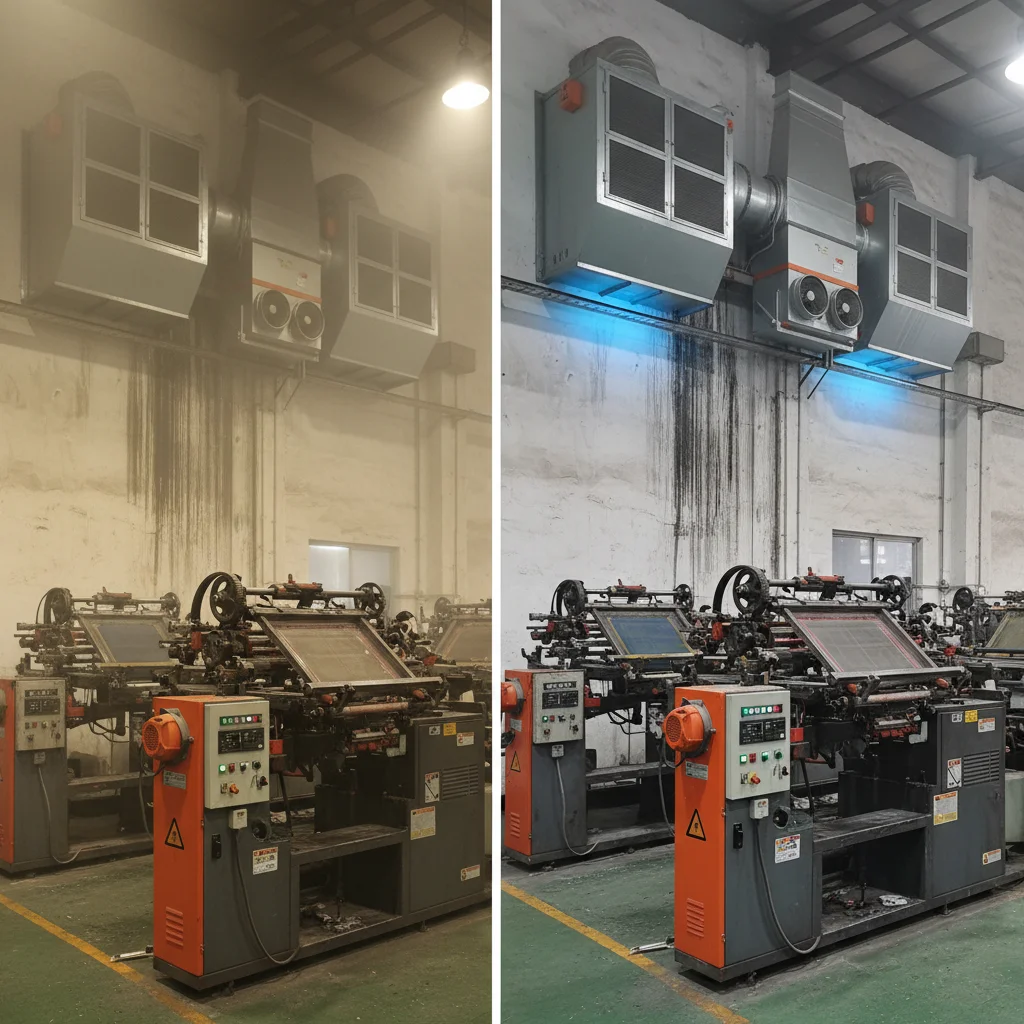
Industrial Wall Mounted Air Filtration for Clean Work Environments