
February 28, 2026
In the dynamic world of construction, efficient and precise rebar bending is crucial for structural integrity. A TMT rebar bending machine is an indispensable tool for streamlining this process. This article provides a detailed overview of these machines, exploring their types, applications, benefits, and key considerations when choosing the right one for your project. We will delve into the technology, features, and the crucial role they play in modern construction practices. Mesh Machinery offers a range of robust and reliable rebar bending solutions.
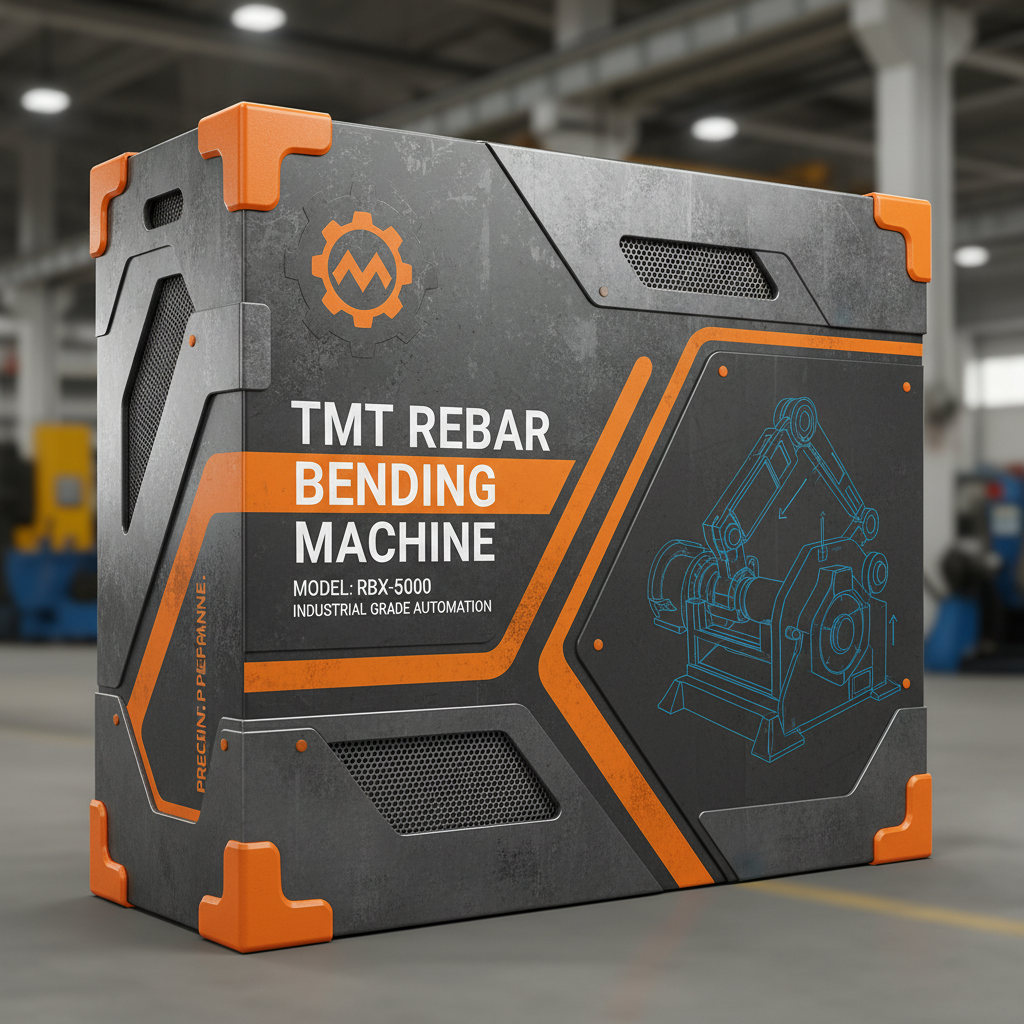
A TMT (Thermo-Mechanically Treated) rebar bending machine is a specialized piece of equipment designed to accurately bend steel reinforcement bars, commonly known as rebars. These rebars, essential components of reinforced concrete structures, need precise bending to conform to engineering specifications. The machines utilize hydraulic or electromechanical power to bend the rebars to the desired angles and shapes. They significantly reduce labor costs, increase production speed, and ensure consistent bending quality, leading to stronger and more durable structures. Utilizing a rebar bending machine enhances efficiency on any construction site.
Key Benefits: Reduced labor costs, increased production speed, consistent bending quality, enhanced structural integrity, improved safety.
There are several types of TMT rebar bending machines available, each suited to different project requirements. The most common types include:
Choosing the right type depends on factors like production volume, complexity of bends, and budget. Mesh Machinery provides a comprehensive selection of each type.
Key Considerations When Choosing:
• Project Scale: Small vs. Large
• Bending Complexity: Simple vs. Complex Shapes
• Production Volume: Low vs. High Output
• Budget: Initial investment and operational costs.
Selecting the best rebar bending machine involves comparing different models based on their features and capabilities. Here's a comparative overview of popular options:
TMT rebar bending machines are integral to a wide array of construction applications, including:
Investing in a reliable TMT rebar bending machine is an investment in the quality and longevity of your construction projects.
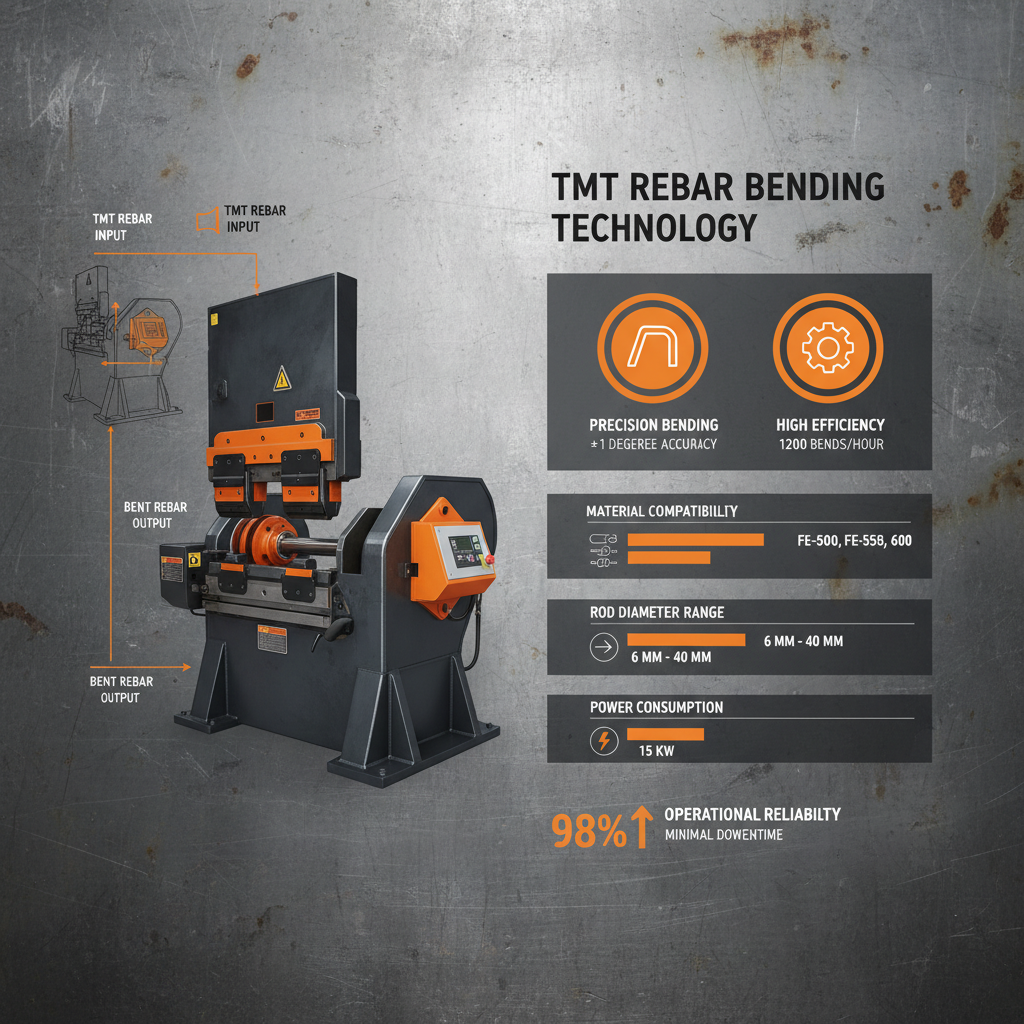
Operating a rebar bending machine requires strict adherence to safety guidelines. Always wear appropriate personal protective equipment (PPE), including safety glasses, gloves, and steel-toe boots. Ensure the machine is properly grounded and that all safety features are functioning correctly. Regular maintenance, including lubrication and inspection of hydraulic hoses and electrical components, is essential for extending the machine's lifespan and preventing accidents. Proper training for operators is also crucial. Mesh Machinery provides comprehensive training and support for all its products.
Investing in a TMT rebar bending machine is a strategic move for any construction company seeking to improve efficiency, accuracy, and safety. By carefully evaluating your project needs and selecting the appropriate machine type, you can optimize your rebar bending processes and achieve superior results. Mesh Machinery is dedicated to providing high-quality, reliable machines and exceptional customer support.
Power requirements vary depending on the machine's size and automation level. Manual machines require minimal power, primarily for lighting or small motors. Semi-automatic and fully automatic machines typically require 220V or 380V three-phase power. It's crucial to check the machine's specifications and ensure your electrical supply is adequate before operation. Insufficient power can lead to performance issues or damage to the machine. Consult with an electrician to ensure proper installation and safety.
The bending diameter is determined by the rebar size and the desired bend angle. Engineering drawings and specifications will clearly indicate the required bending diameter for each rebar. It's essential to accurately set the machine's bending parameters to match these specifications. Using the incorrect bending diameter can compromise the structural integrity of the concrete element. Always double-check your settings and perform test bends to ensure accuracy.
Hydraulic rebar bending machines require regular maintenance to ensure optimal performance. This includes checking and replenishing hydraulic fluid levels, inspecting hoses and fittings for leaks, lubricating moving parts, and cleaning the machine regularly. It’s also important to check the oil filter and replace it as needed. Regular maintenance prevents breakdowns and extends the life of the machine. Mesh Machinery offers maintenance schedules and support resources.
Yes, most TMT rebar bending machines can handle different grades of TMT steel, but it’s crucial to check the machine’s specifications for maximum rebar strength capacity. Higher-grade TMT steel typically requires more bending force. Using a machine that isn’t capable of handling the steel grade can lead to damage or inaccurate bending. Always refer to the manufacturer's guidelines and adjust bending parameters accordingly.
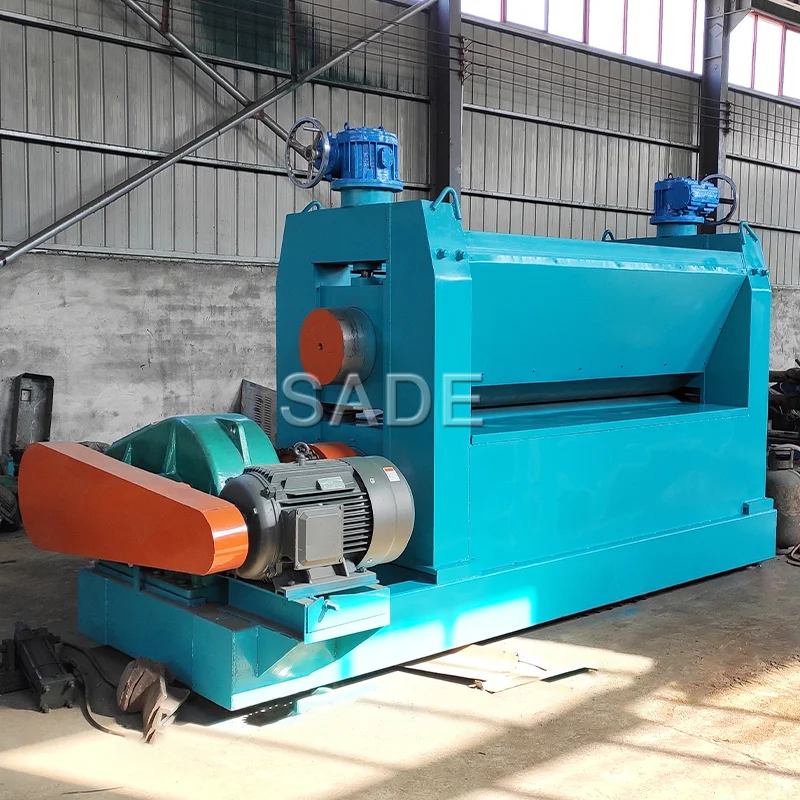
ZPJ Metal Mesh Flatting Machine
ZPJ metal mesh flatting machine is special designed for expanded metal flatting.It’s a corollary equipment of expanded metal machine. It can make expanded wire-mesh smoothly.And the flattened expanded metal have much more widely different applications.
Apr 24, 2026
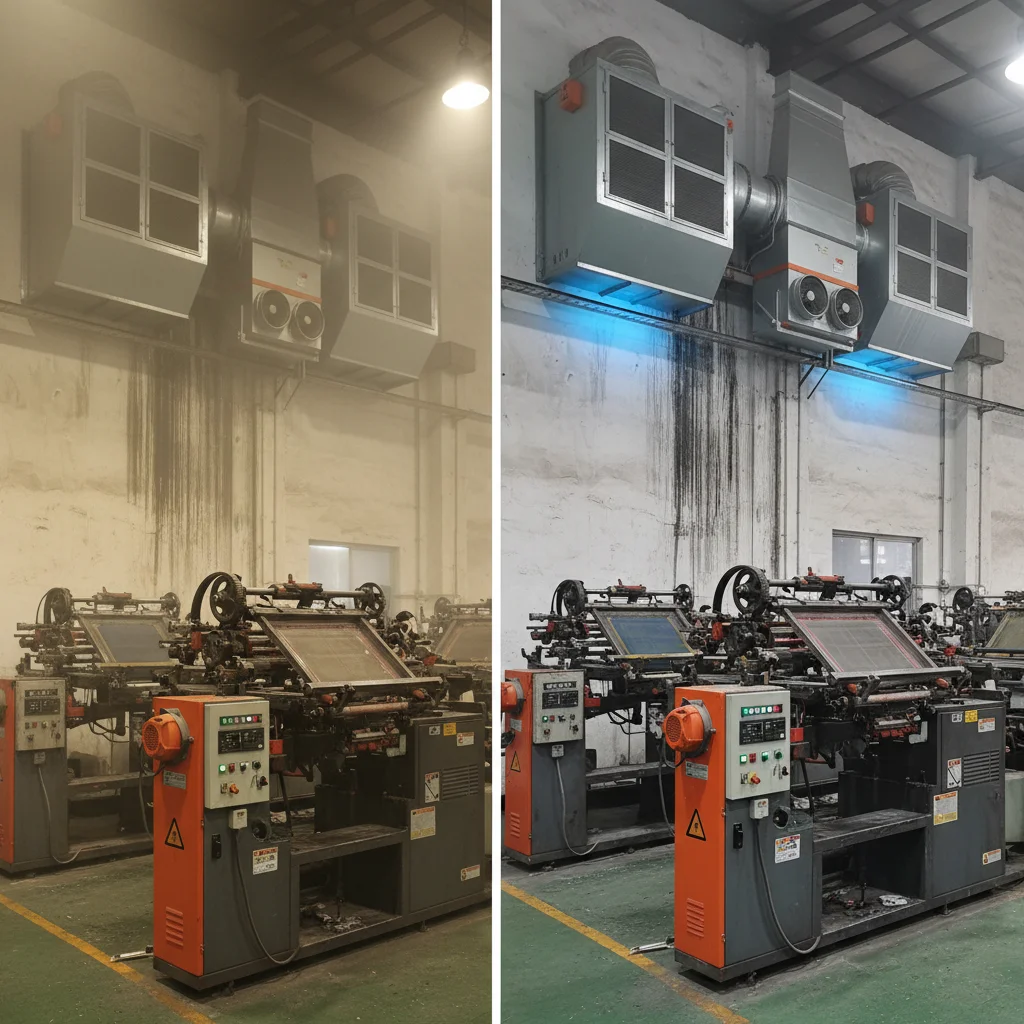
Industrial Wall Mounted Air Filtration for Clean Work Environments