
March 09, 2026
In today's rapidly evolving industrial landscape, efficiency and precision are paramount. For businesses involved in construction, agriculture, security, and various other sectors, automatic wire mesh machines represent a critical investment. These machines automate the process of weaving or welding wires into a mesh, significantly boosting production rates and reducing labor costs. This article will explore the functionality, benefits, applications, and key considerations when selecting an automatic wire mesh machine, providing a comprehensive guide for potential buyers. Ultimately, choosing the right machine can translate into substantial gains in productivity and profitability.
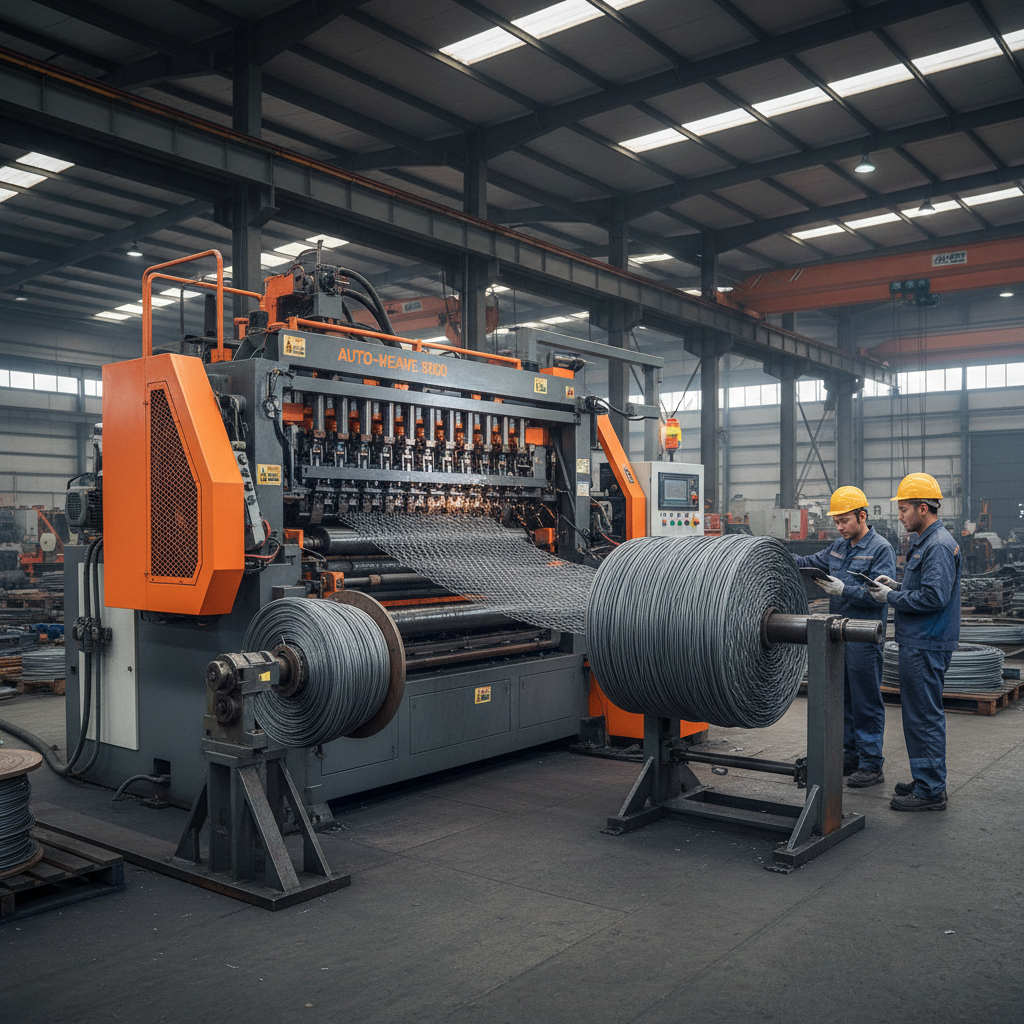
Automatic wire mesh machines operate through a series of precisely coordinated mechanical and electronic processes. Typically, the machine begins by unwinding spools of wire. These wires are then fed into a weaving or welding mechanism, depending on the type of mesh being produced. Weaving machines interlock the wires at right angles, creating a grid-like structure. Welding machines, on the other hand, use electrical resistance to fuse the wires together at their intersection points. Modern machines incorporate computerized controls for precise adjustment of parameters such as wire feed rate, mesh aperture size, and machine speed. This level of automation ensures consistent quality and minimizes the need for manual intervention. Explore our range of machines here.
Key Components: Wire Unwinders, Weaving/Welding Mechanism, Control System, Mesh Take-Up System, Safety Features.
There are several types of automatic wire mesh machines, each suited for different applications and materials. Common types include chain link fence machines, hexagonal wire netting machines, welded wire mesh machines, and hexagonal netting machines. Chain link fence machines produce the familiar diamond-shaped mesh used for fencing. Hexagonal wire netting machines create a mesh with a hexagonal pattern, often used in poultry cages and construction. Welded wire mesh machines offer a strong and durable mesh, ideal for reinforcement and security applications. Choosing the right type depends on the specific product requirements and the desired mesh characteristics.
Common Machine Types:
• Chain Link Fence Machines
• Hexagonal Wire Netting Machines
• Welded Wire Mesh Machines
• Hexagonal Netting Machines
When evaluating different automatic wire mesh machines, it's crucial to consider their capabilities and limitations. Manual machines, while inexpensive, require significant labor and produce inconsistent results. Semi-automatic machines offer a balance between cost and efficiency, but still necessitate some manual intervention. Fully automatic machines, though the most expensive, provide the highest levels of productivity, precision, and consistency. The following table highlights the key differences between these options.
The versatility of automatic wire mesh machines makes them indispensable across various sectors. In agriculture, they're used for creating netting to protect crops and livestock. The construction industry relies on wire mesh for reinforcing concrete and creating durable structures. Security applications include fencing, cages, and protective barriers. Furthermore, they play a vital role in manufacturing, where wire mesh is used for filtration, screening, and product containment. The demand for high-quality wire mesh continues to grow, driving the need for efficient and reliable automatic machines. Contact us today to discuss your needs.
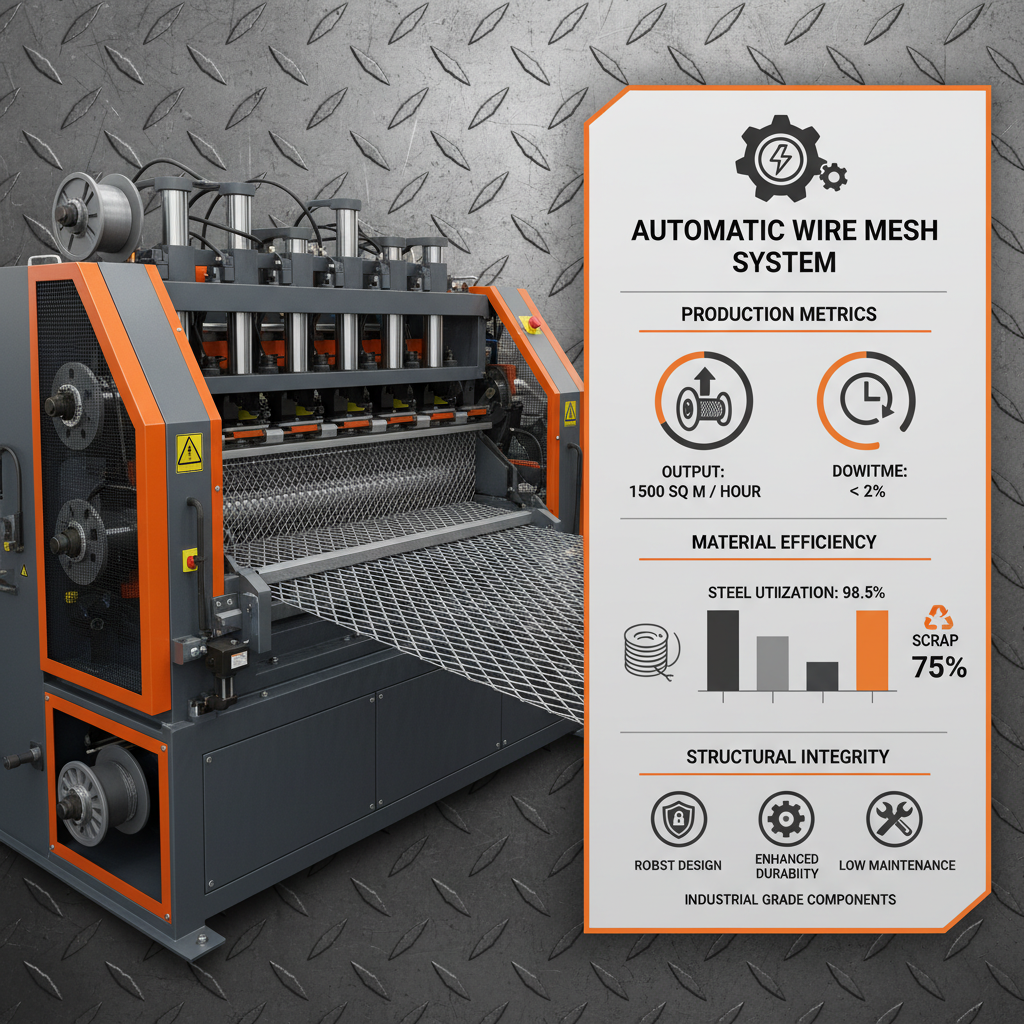
Selecting the right automatic wire mesh machine requires careful consideration of several factors. First, determine the specific type of mesh you need to produce. Second, assess the required production volume. Third, consider the available floor space and power supply. Fourth, evaluate the machine's ease of operation and maintenance. Finally, prioritize safety features and ensure compliance with relevant industry standards. Partnering with a reputable supplier like Mesh Machinery can provide expert guidance and support throughout the selection process.
Investing in an automatic wire mesh machine is a strategic move for businesses seeking to enhance efficiency, reduce costs, and improve product quality. By carefully evaluating your needs and partnering with a trusted supplier, you can select the perfect machine to streamline your production process and achieve your business objectives.
Regular maintenance is crucial for ensuring the longevity and optimal performance of your machine. This includes daily lubrication of moving parts, periodic inspection of wires and dies for wear, cleaning of debris, and checking electrical connections. Preventive maintenance schedules, as outlined in the machine's manual, should be strictly followed. It's also recommended to train personnel on basic maintenance procedures. More complex repairs should be handled by qualified technicians.
Safety is paramount. Look for features such as emergency stop buttons, safety guards around moving parts, overload protection systems, and proper electrical grounding. The machine should also comply with relevant safety standards. Operator training on safe operating procedures is essential. Always ensure that safety guards are in place and functioning correctly before operating the machine.
Most automatic wire mesh machines can handle a variety of materials, including carbon steel, stainless steel, galvanized steel, and aluminum wire. However, the specific materials compatibility will depend on the machine's design and the welding or weaving process used. It's essential to verify that the machine is suitable for the material you intend to use to avoid damage or poor results. Contact our experts for specific material compatibility advice.
Lead times vary depending on the machine's complexity, customization options, and current production schedules. Typically, delivery times range from 4 to 12 weeks. It’s crucial to discuss delivery expectations with your supplier during the quotation process. Factors like international shipping and customs clearance can also impact the overall delivery timeframe.
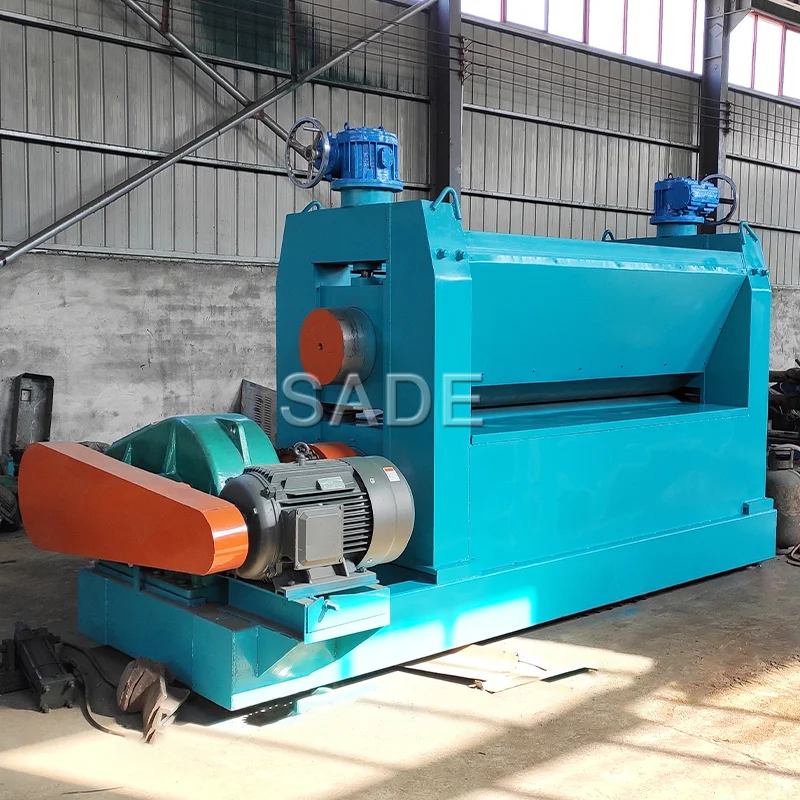
ZPJ Metal Mesh Flatting Machine
ZPJ metal mesh flatting machine is special designed for expanded metal flatting.It’s a corollary equipment of expanded metal machine. It can make expanded wire-mesh smoothly.And the flattened expanded metal have much more widely different applications.
Apr 24, 2026
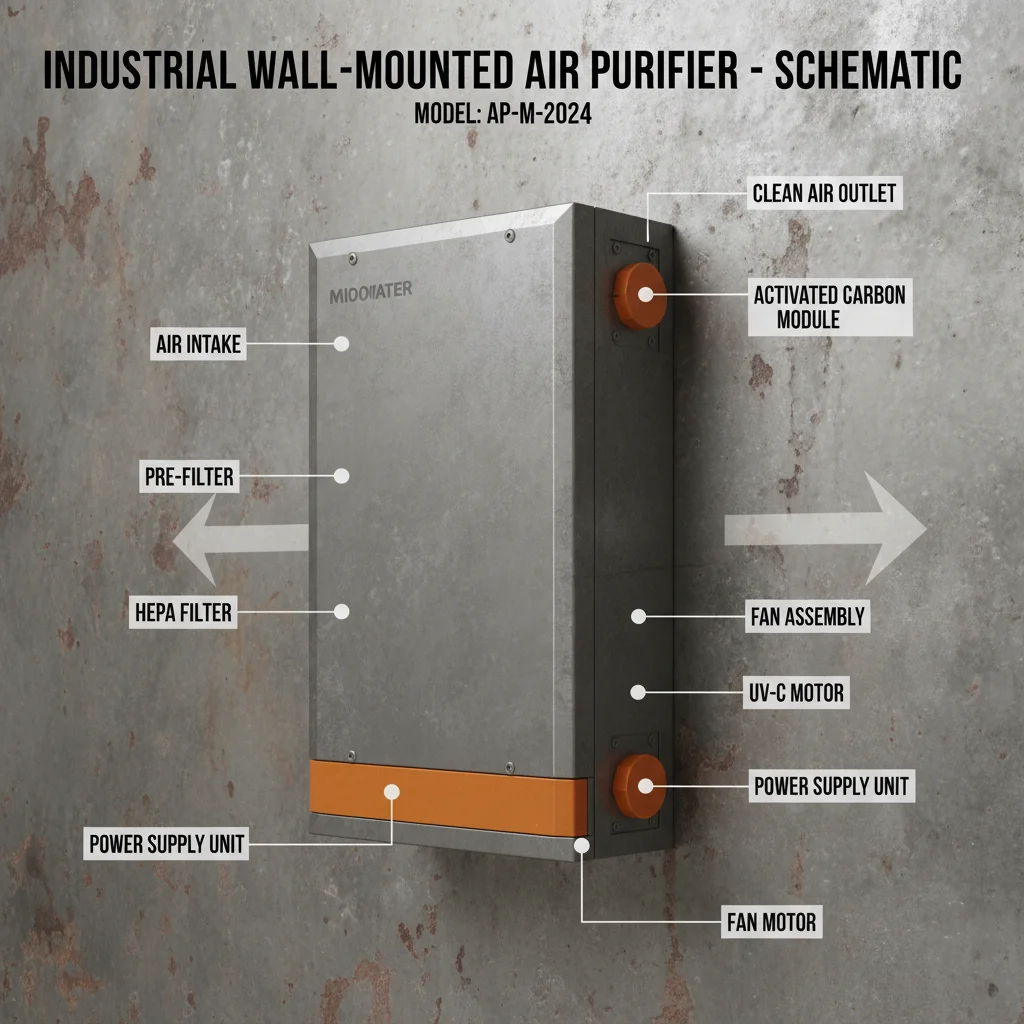
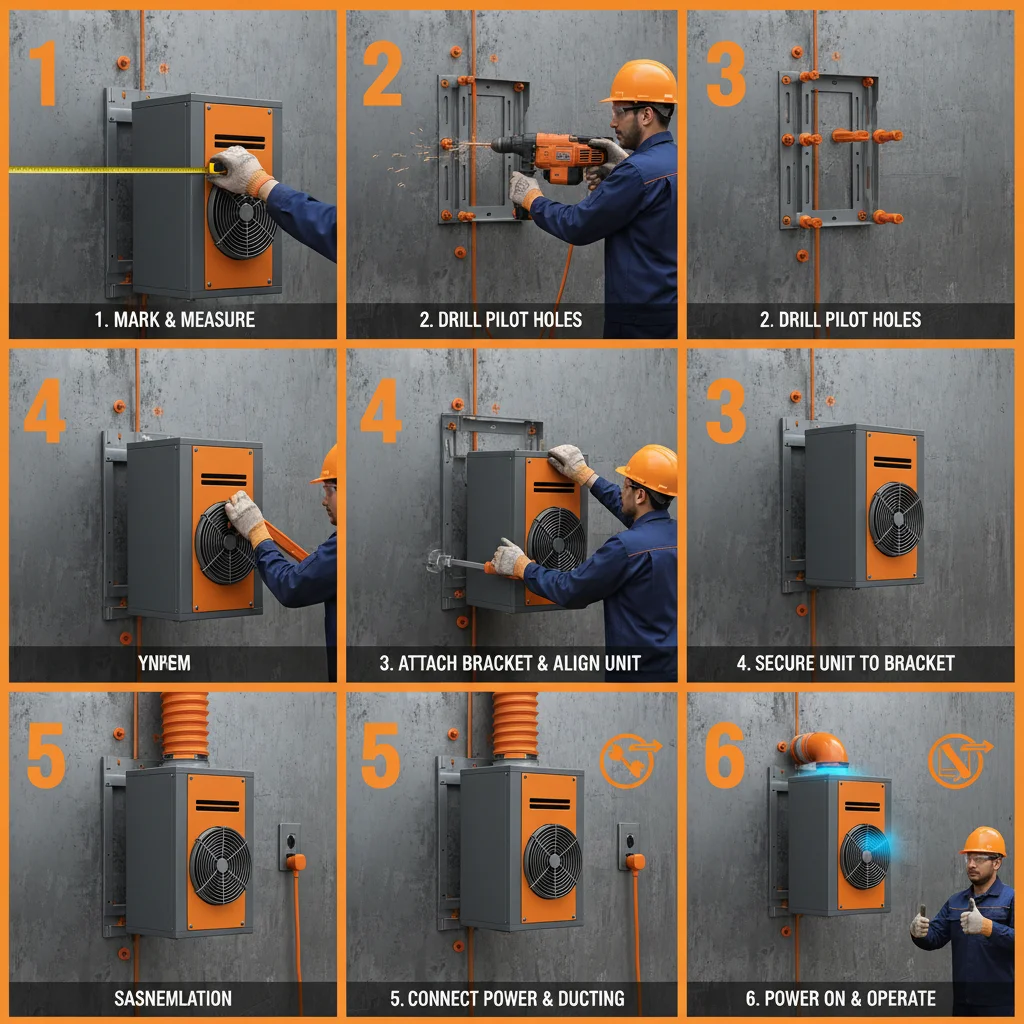
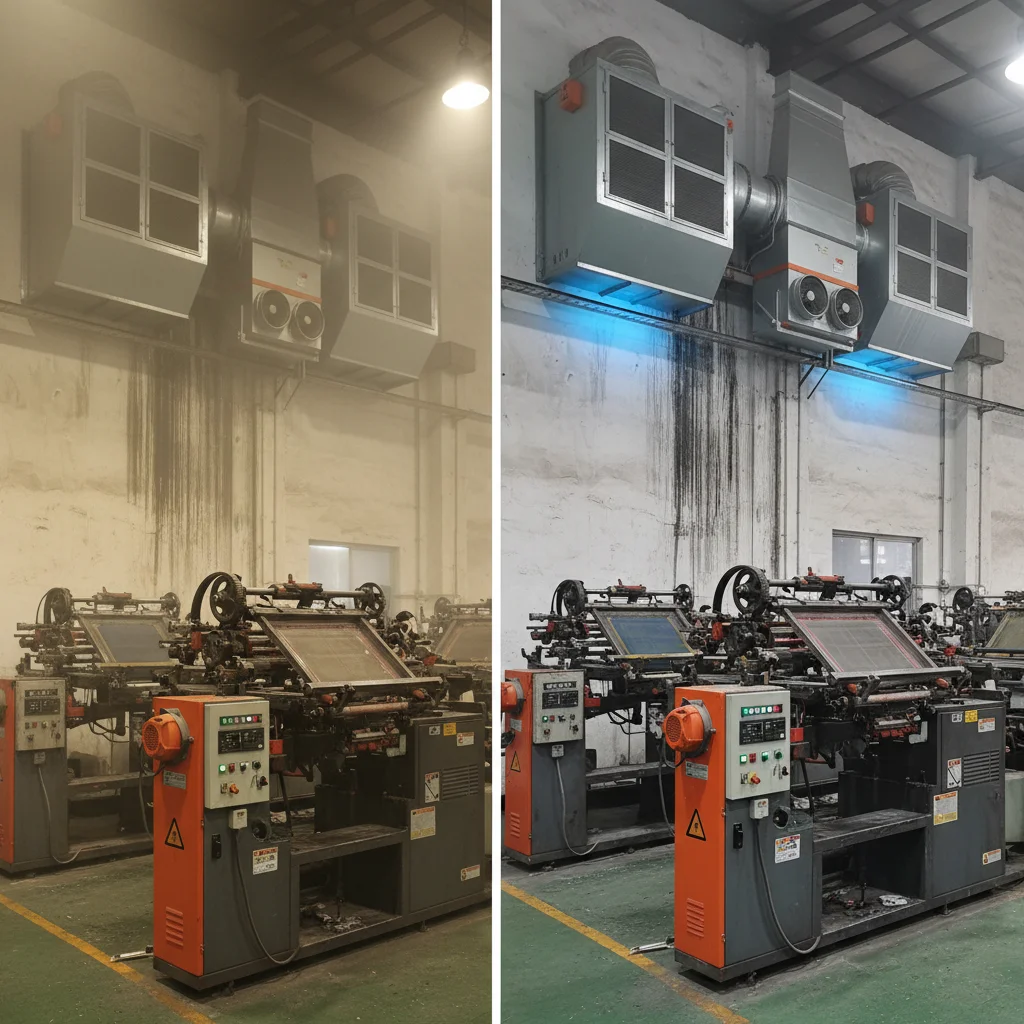
Industrial Wall Mounted Air Filtration for Clean Work Environments