
March 12, 2026
Expanded metal is a versatile material used in a wide array of industries, from construction and security to filtration and automotive. The production of this material relies on specialized machinery – the expanded metal machine. This article provides an in-depth look at these machines, their workings, applications, and what to consider when choosing one. We'll explore the technology behind creating this robust and adaptable material, helping you understand the role these machines play in diverse manufacturing processes.
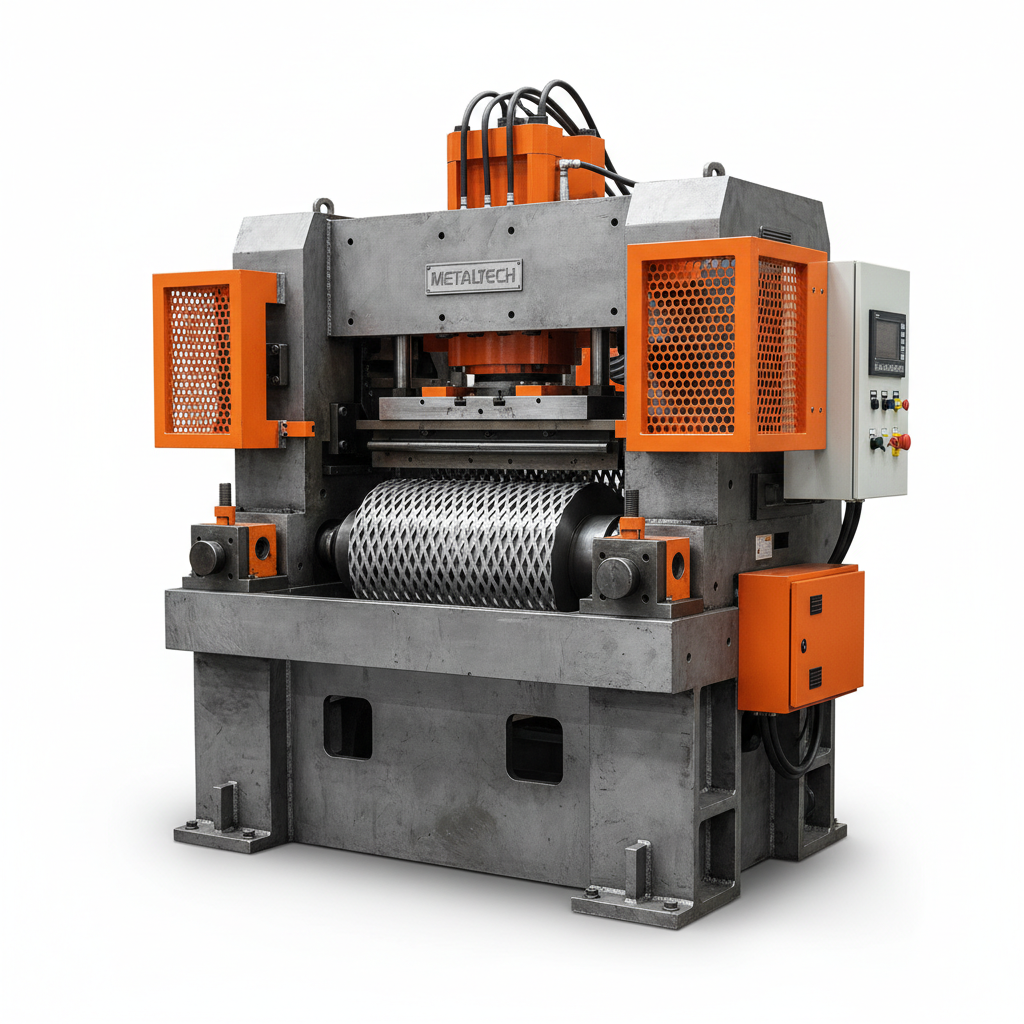
At its core, an expanded metal machine takes a solid metal sheet and slits and stretches it simultaneously. This process creates a mesh-like structure with interconnected strands, maintaining a high strength-to-weight ratio. The machine utilizes a series of specialized rollers and cutting tools. The metal sheet passes through these rollers, where precisely positioned blades create the initial slits. Then, stretching rollers expand the metal, drawing it into the desired mesh pattern. The precision of the machinery is vital for achieving consistent mesh size and quality. Different machines offer varying levels of automation and control, impacting production speed and accuracy.
Key Principle: The simultaneous slitting and stretching process is what distinguishes expanded metal production from other mesh-making techniques. This results in a seamless, single-piece construction.
There isn't a one-size-fits-all expanded metal machine. Different types are designed to handle specific metal thicknesses, sheet widths, and production volumes. Common types include:
Machine Type Comparison:
• Mechanical: Lower initial cost, suitable for small batches.
• Hydraulic: Higher capacity, handles thicker materials.
• Automatic: High speed, consistent quality, requires skilled operators.
Selecting the right machine requires careful consideration of several factors. These include the types of metals you’ll be processing (steel, aluminum, stainless steel, etc.), the desired mesh size and pattern, the required production capacity, and your budget. Important features to look for include: adjustable slitting and stretching speeds, precise control systems, robust construction for durability, and safety features to protect operators. The level of automation is also crucial—automatic machines offer higher throughput but require a greater upfront investment. Meshmachinery.com offers a wide range of machines tailored to different needs.
The applications of expanded metal are incredibly diverse. It’s used in building facades, walkways, and stair treads due to its slip-resistant properties. In the automotive industry, it finds application in radiator cores and protective grills. Security applications include fencing, cages, and protective screens. Other applications include filtration systems, speaker grills, and even decorative elements. The versatility of the material is a direct result of the precise manufacturing capabilities of these specialized machines.
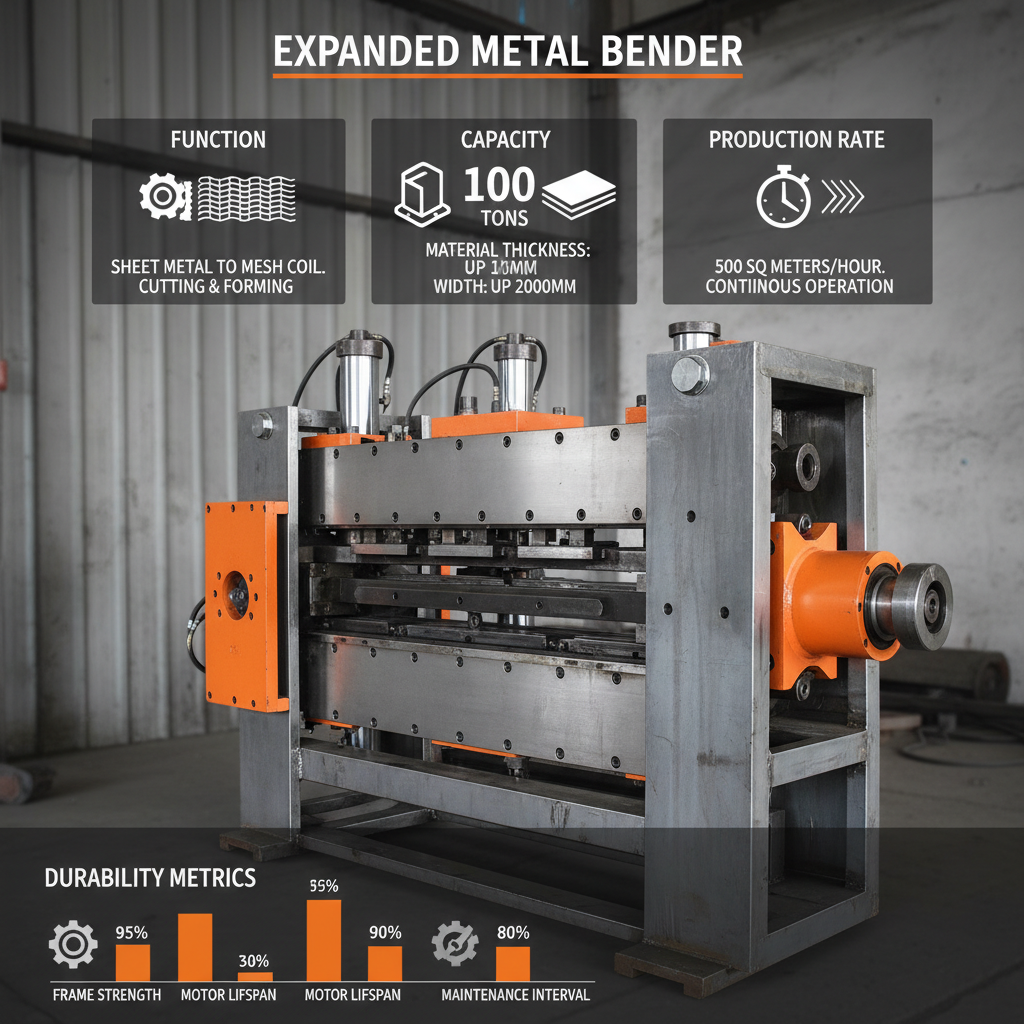
Regular maintenance is critical to ensuring the longevity and optimal performance of your expanded metal machine. This includes lubricating moving parts, inspecting and replacing worn blades, and cleaning the machine to prevent material buildup. Following the manufacturer’s recommended maintenance schedule is crucial. Proper maintenance not only prevents costly breakdowns but also ensures the consistent production of high-quality expanded metal. Investing in preventative maintenance pays dividends in the long run.
Choosing the right expanded metal machine is a significant investment. By carefully considering your production needs, material types, and budget, you can select a machine that delivers reliable performance and consistent quality. Meshmachinery.com offers expert guidance and a comprehensive range of machines to meet your specific requirements.
The production speed of an automatic expanded metal machine varies depending on the material thickness, sheet width, and mesh size. However, modern automatic machines can typically process between 20 to 60 meters of metal sheet per hour. This significantly surpasses the output of mechanical or hydraulic machines. The precise speed is often adjustable to optimize production for different materials and desired mesh characteristics.
Essential safety features include emergency stop buttons, safety guards around moving parts, and overload protection systems. Machines should also have clear warning labels and a robust locking mechanism to prevent unauthorized access during maintenance. Light curtains and interlocks can also enhance safety by automatically stopping the machine if a barrier is breached. Regular safety inspections and operator training are also critical.
Lubrication is vital for reducing friction and wear on moving parts, such as rollers, bearings, and gears. Proper lubrication extends the lifespan of these components, ensures smooth operation, and prevents overheating. Using the lubricant recommended by the machine manufacturer is crucial. Regularly checking and replenishing lubricant levels is an essential part of routine maintenance.
Yes, expanded metal machines can produce a variety of mesh patterns, including raised, flattened, and embossed designs. The pattern is determined by the configuration of the slitting and stretching tools. Different patterns offer varying levels of grip, strength, and aesthetic appeal, making them suitable for different applications.
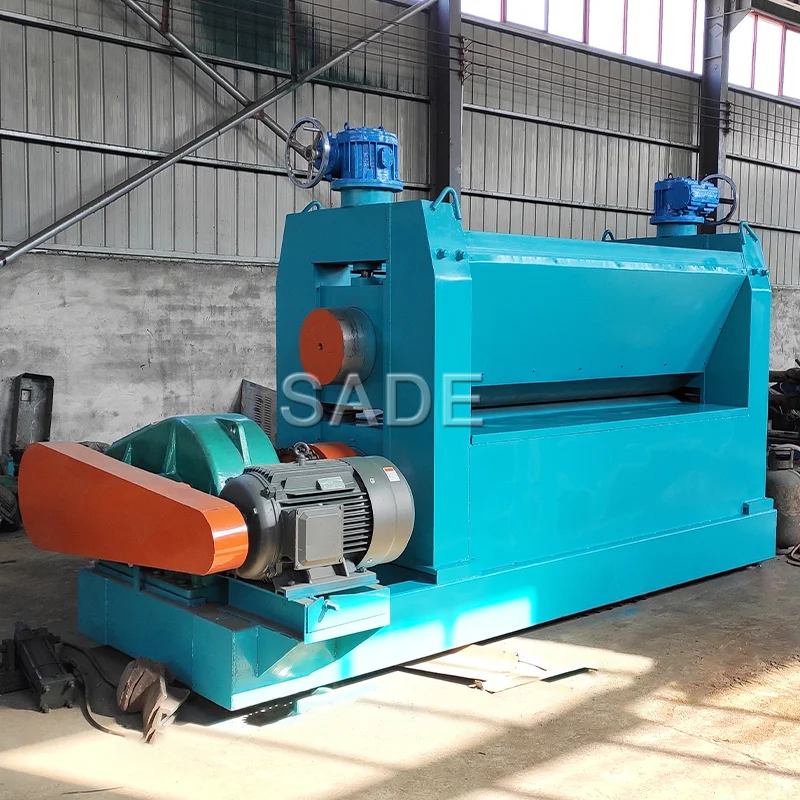
ZPJ Metal Mesh Flatting Machine
ZPJ metal mesh flatting machine is special designed for expanded metal flatting.It’s a corollary equipment of expanded metal machine. It can make expanded wire-mesh smoothly.And the flattened expanded metal have much more widely different applications.
Apr 24, 2026
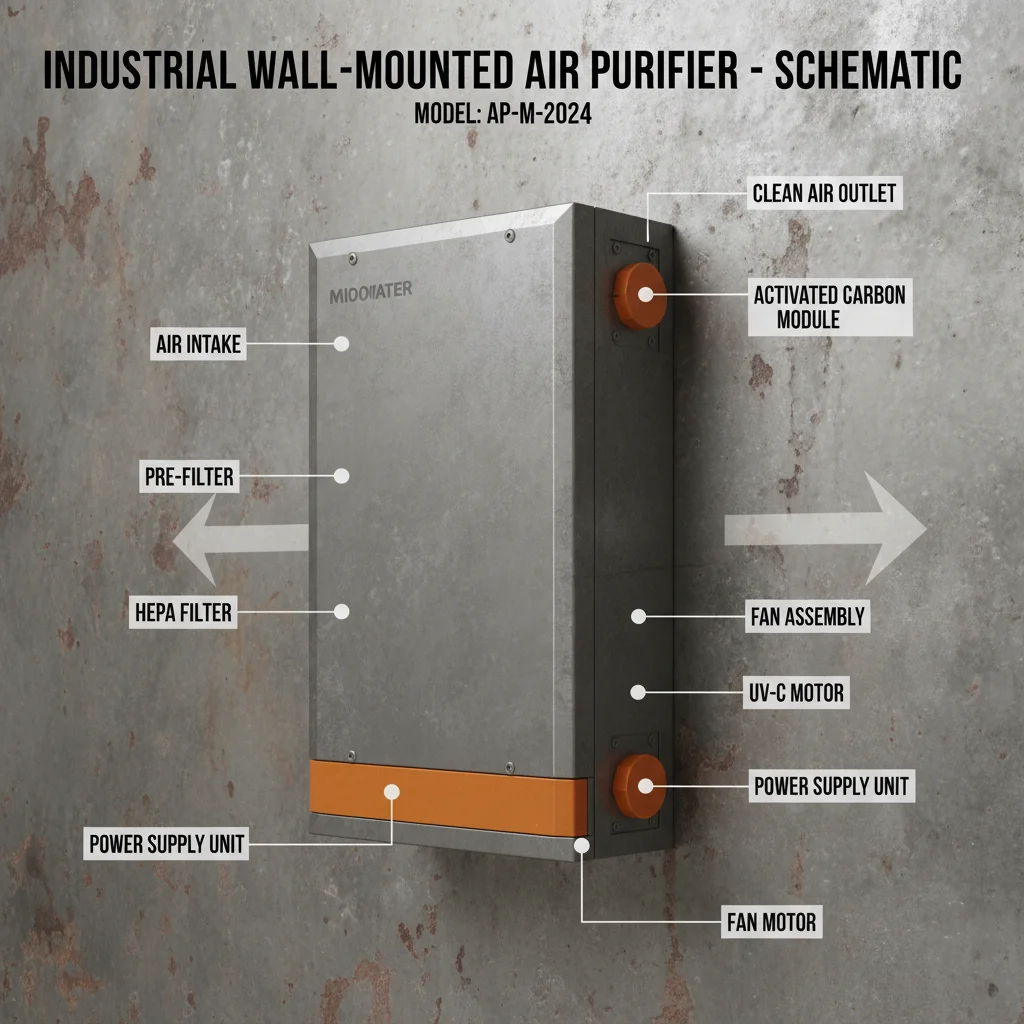
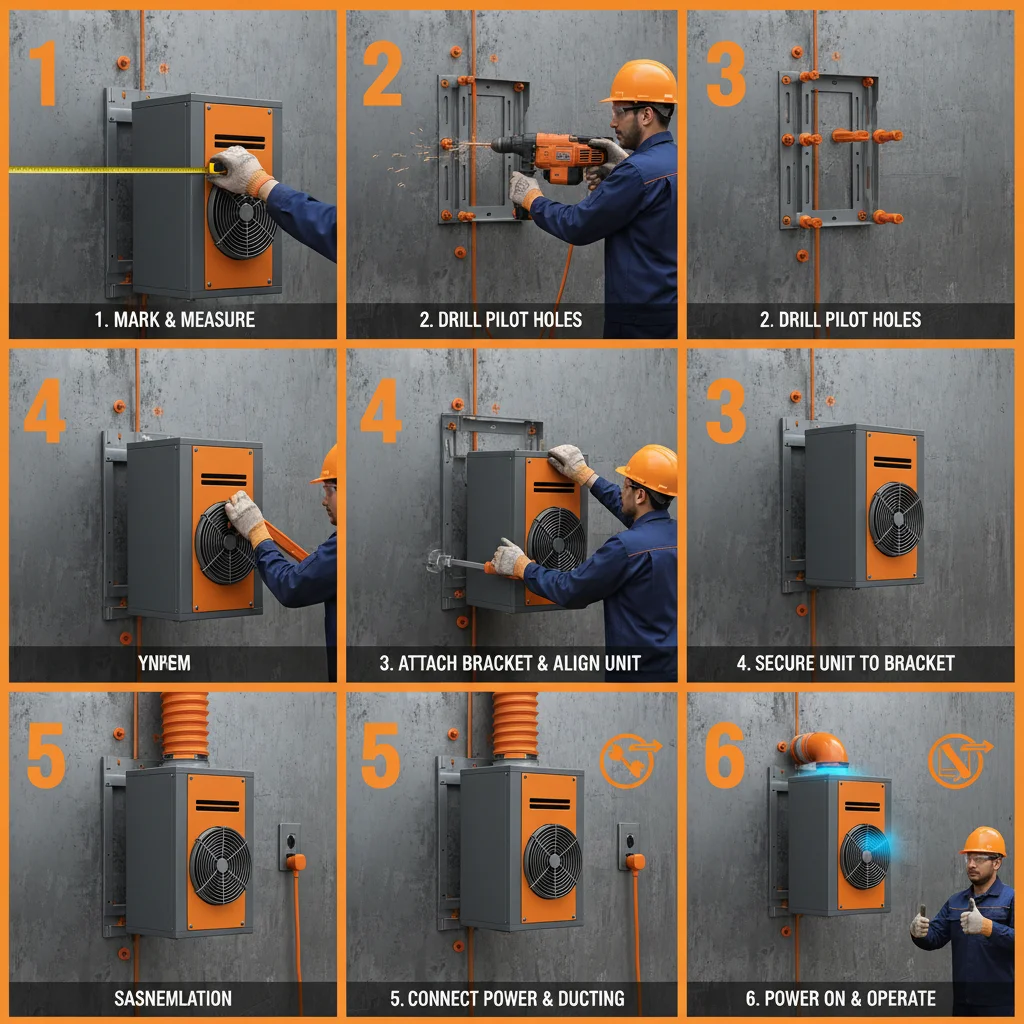
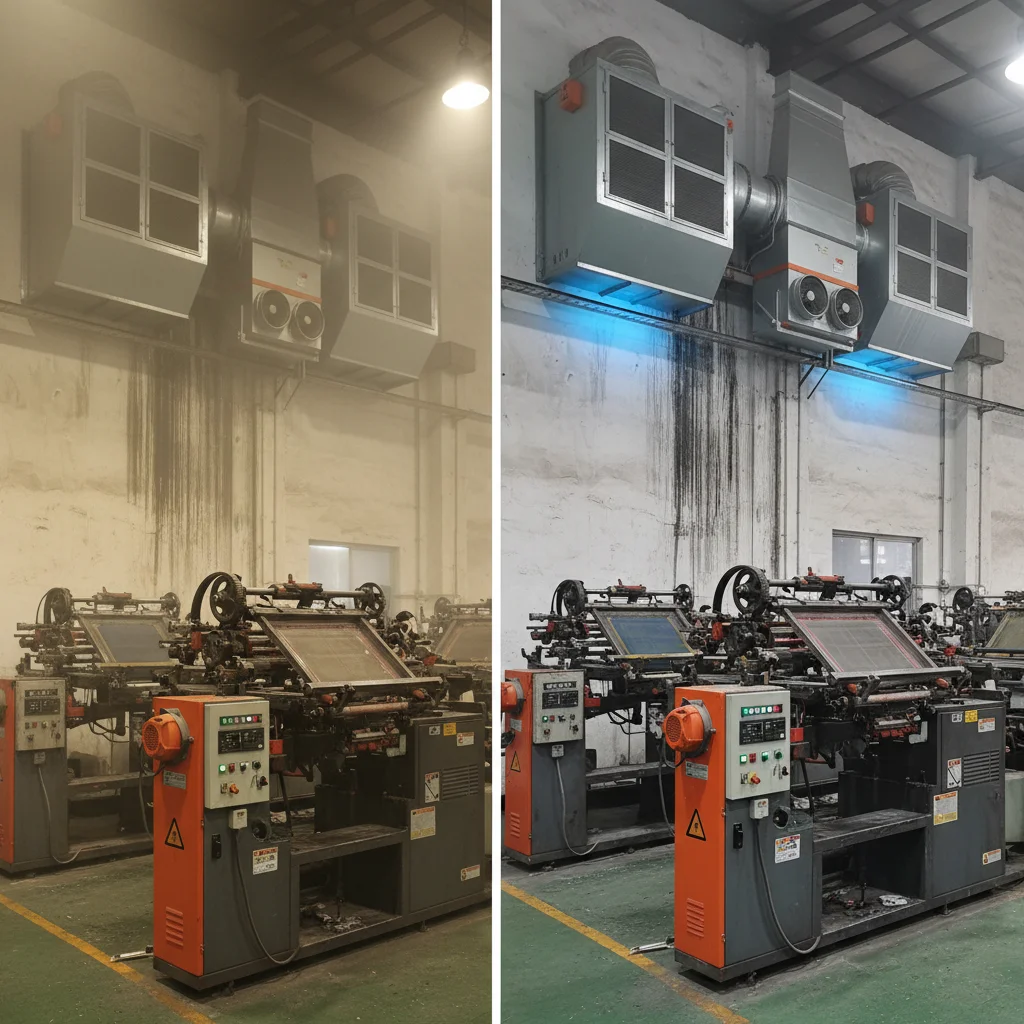
Industrial Wall Mounted Air Filtration for Clean Work Environments