
March 12, 2026
The demand for expanded metal sheets is continuously growing across various industries, from construction and automotive to filtration and security. To meet this demand, efficient and reliable expanded metal sheet machines are crucial. This article provides an in-depth look at these machines, their applications, types, key features, and factors to consider when choosing the right one. We’ll explore the technology behind expanded metal production and highlight why investing in a quality machine is essential for businesses.
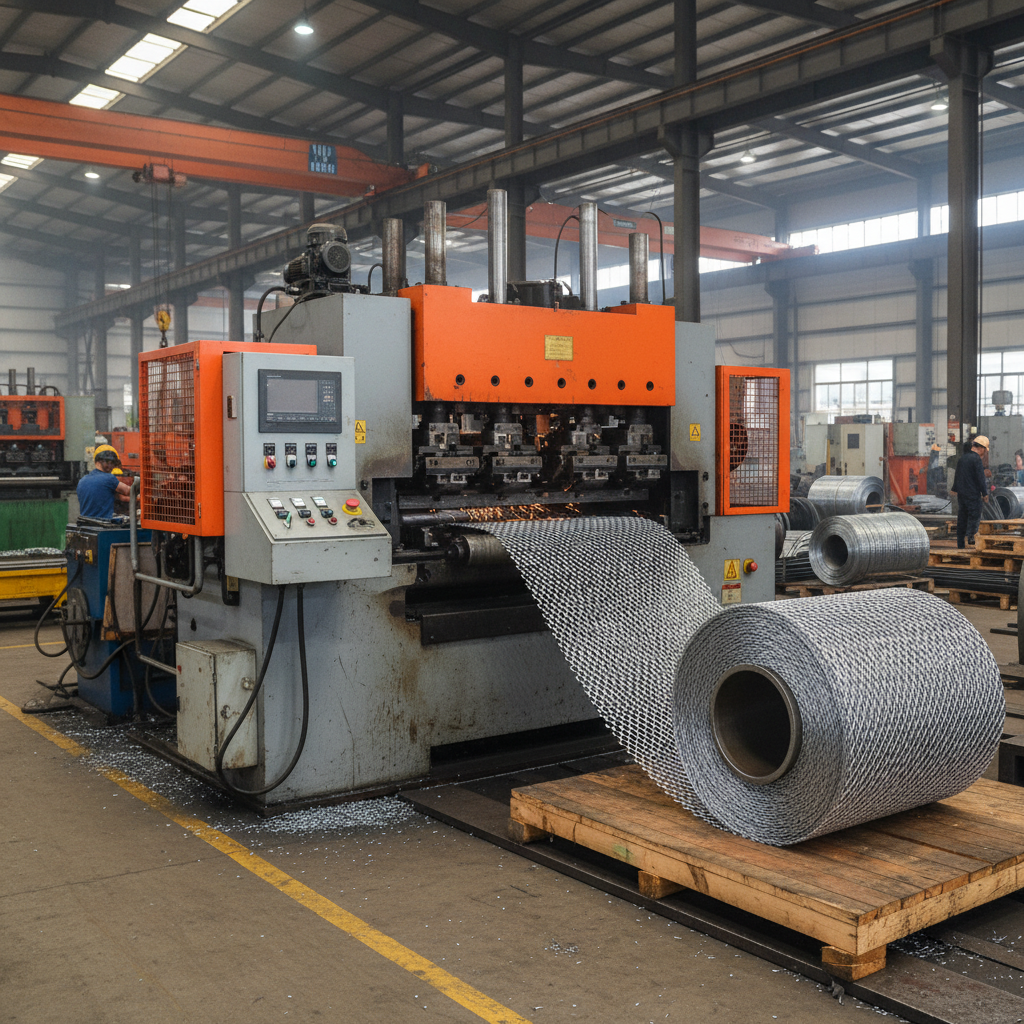
An expanded metal sheet machine takes a solid metal sheet and slitting and stretching it simultaneously to form a mesh-like pattern. This process creates a strong, lightweight material with excellent strength-to-weight ratio. These machines come in various configurations, each suited for different metal types, sheet thicknesses, and desired mesh patterns. The process doesn't involve welding, minimizing material waste and creating a product that maintains the metal’s inherent properties. Mesh Machinery specializes in providing high-quality, efficient expanded metal sheet machines for a global clientele.
Key Benefit: Expanded metal sheets produced by these machines are incredibly versatile, offering a cost-effective solution for a wide array of applications. The process also allows for customization of mesh size and pattern to meet specific requirements.
Several types of expanded metal sheet machines cater to varying production needs. The most common include:
The choice depends on the type of metal being processed, the desired output, and budget considerations. Each type offers distinct advantages in terms of speed, precision, and material compatibility.
Key Considerations When Choosing a Machine:
• Material Compatibility (Steel, Aluminum, Stainless Steel)
• Sheet Thickness Capacity
• Production Volume Requirements
• Automation Level (Manual, Semi-Automatic, Fully Automatic)
Modern expanded metal sheet machines are equipped with several features that enhance performance and efficiency. These include automated feeding systems, precise slitting and stretching mechanisms, adjustable mesh size controls, and safety features like emergency stop buttons and protective guards. Advanced models also incorporate CNC technology for intricate designs and high-speed production.
Expanded metal sheets find extensive applications across diverse industries, including:
The versatility of expanded metal stems from its unique properties – strength, lightweight nature, and open design. Choosing the right expanded metal sheet machine is vital for consistently producing high-quality sheets that meet these demands.
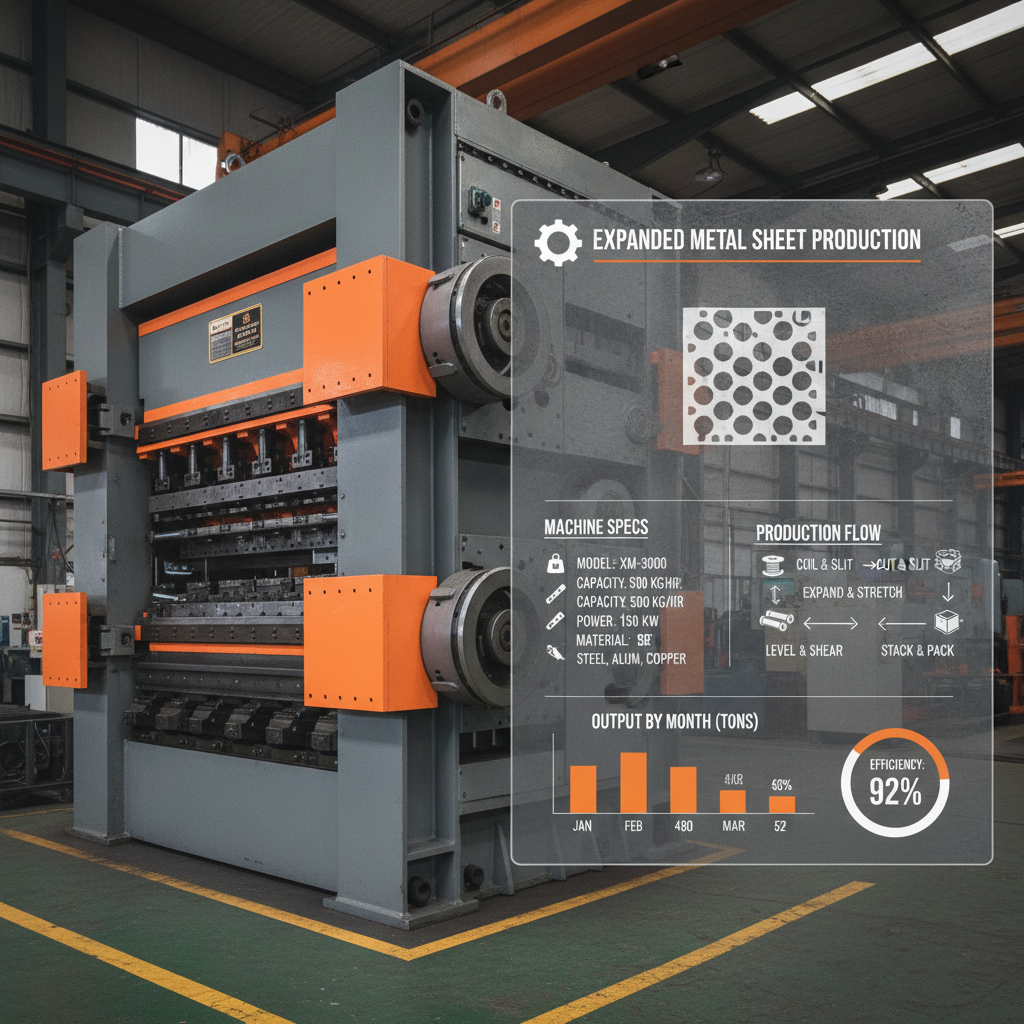
Before investing in an expanded metal sheet machine, consider the following factors:
Mesh Machinery provides expert guidance and support to help you select the ideal machine for your specific application.
Investing in a high-quality expanded metal sheet machine is a strategic decision that can significantly enhance your production capabilities and profitability. By carefully considering your specific needs and choosing a reliable supplier, you can ensure a smooth and efficient manufacturing process.
Expanded metal sheet machines can process a wide range of metals, including mild steel, stainless steel, aluminum, and galvanized steel. The choice of metal depends on the application requirements and the machine’s capabilities. Different metals require varying settings and tooling to achieve optimal results. It's crucial to ensure the machine is compatible with the specific metal you intend to use. Some machines are specifically designed for certain metal types for maximum efficiency and output.
Production speed varies significantly based on the machine type (mechanical, hydraulic, or CNC), the metal thickness, and the desired mesh size. Mechanical machines are typically slower, while CNC machines offer the highest speeds. A typical hydraulic machine may produce between 10-30 sheets per hour, depending on the specifications. CNC machines can potentially double or triple that output. It's important to discuss production requirements with the supplier to determine the appropriate machine for your needs.
Regular maintenance is crucial for ensuring the longevity and optimal performance of an expanded metal sheet machine. Key maintenance tasks include lubrication of moving parts, inspection of slitting and stretching tools, cleaning of the machine, and checking the hydraulic system (if applicable). Preventative maintenance schedules should be followed, and worn parts should be replaced promptly. Mesh Machinery offers comprehensive maintenance services and spare parts to support our customers.
The cost of an expanded metal sheet machine varies widely depending on its type, capacity, automation level, and features. Mechanical machines are generally the most affordable, with prices starting around $20,000. Hydraulic machines typically range from $40,000 to $80,000, while CNC machines can cost upwards of $100,000. It’s recommended to obtain quotes from multiple suppliers and carefully evaluate the features and benefits of each machine before making a decision.
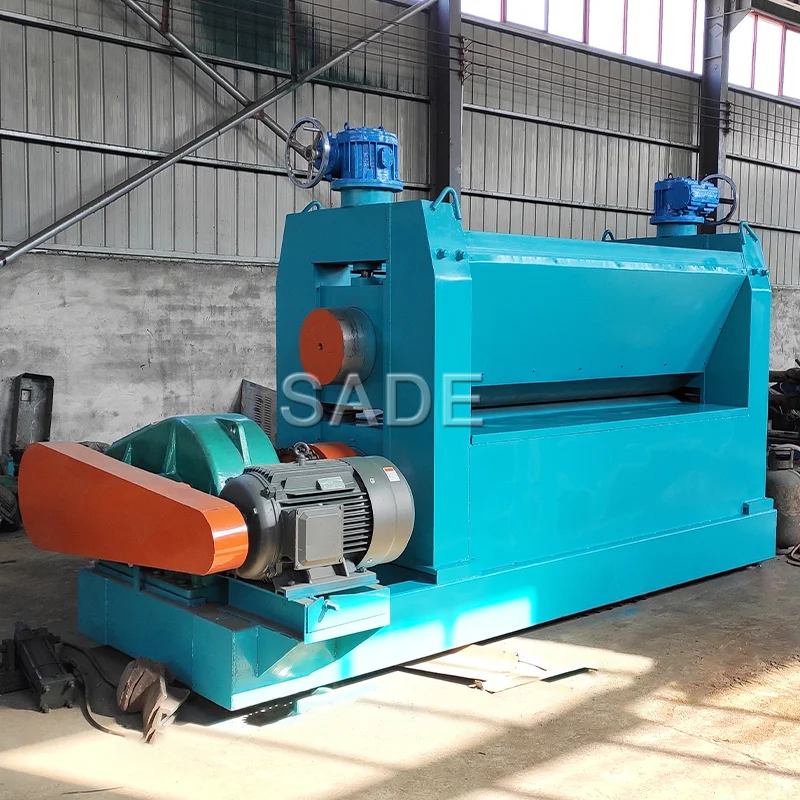
ZPJ Metal Mesh Flatting Machine
ZPJ metal mesh flatting machine is special designed for expanded metal flatting.It’s a corollary equipment of expanded metal machine. It can make expanded wire-mesh smoothly.And the flattened expanded metal have much more widely different applications.
Apr 24, 2026
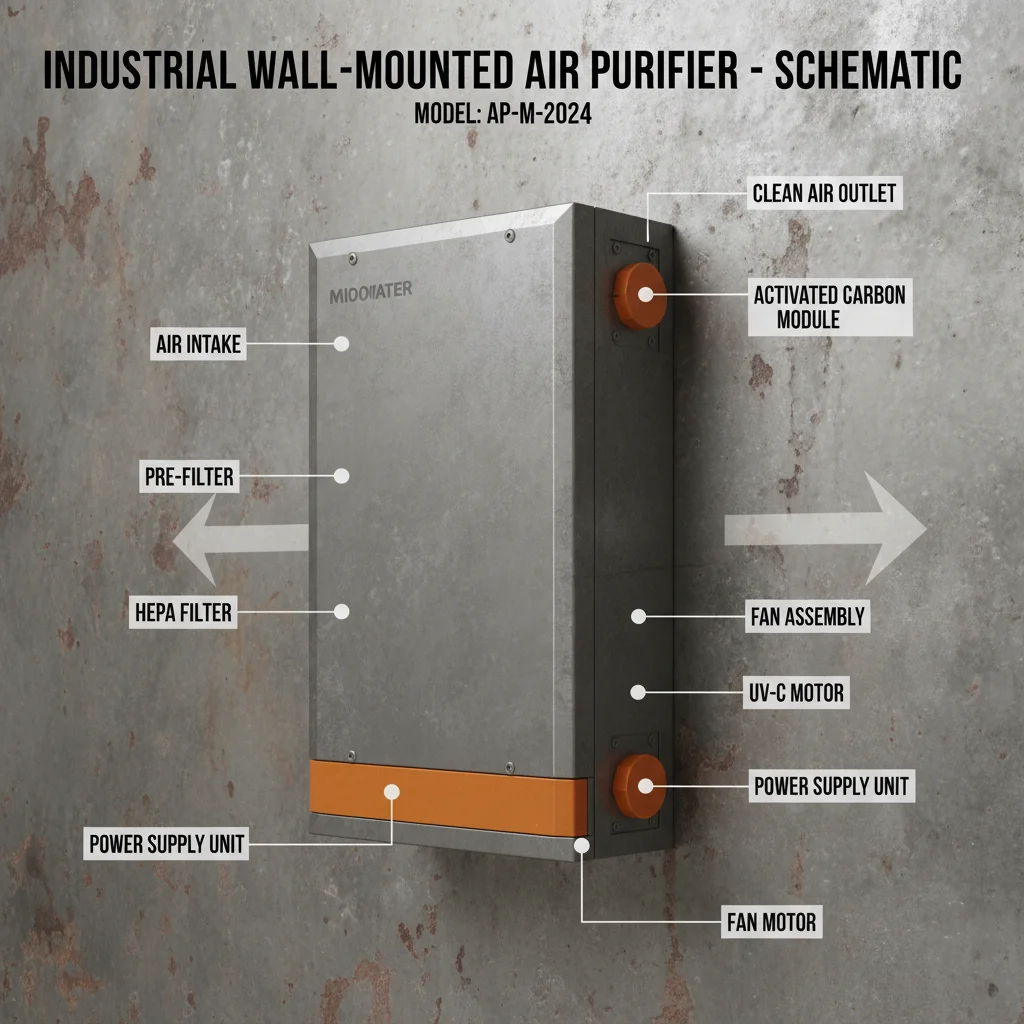
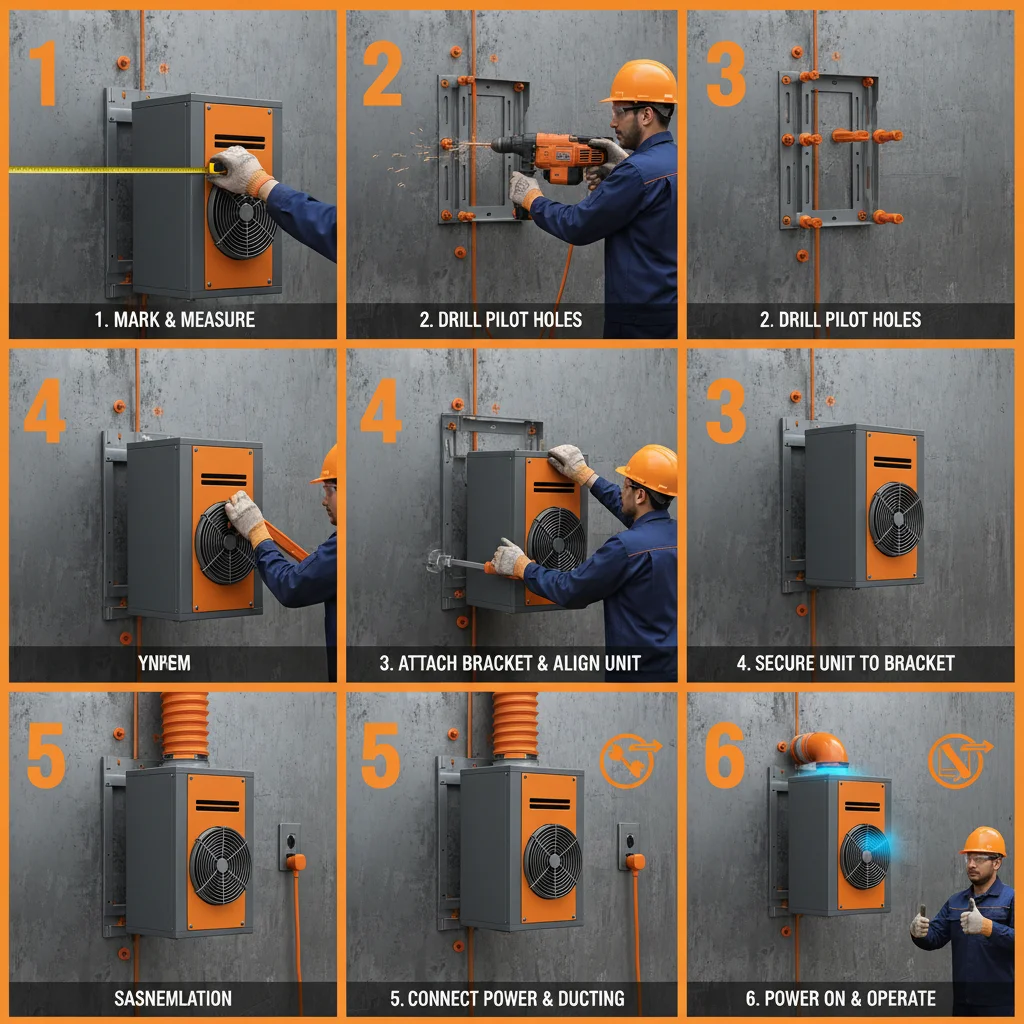
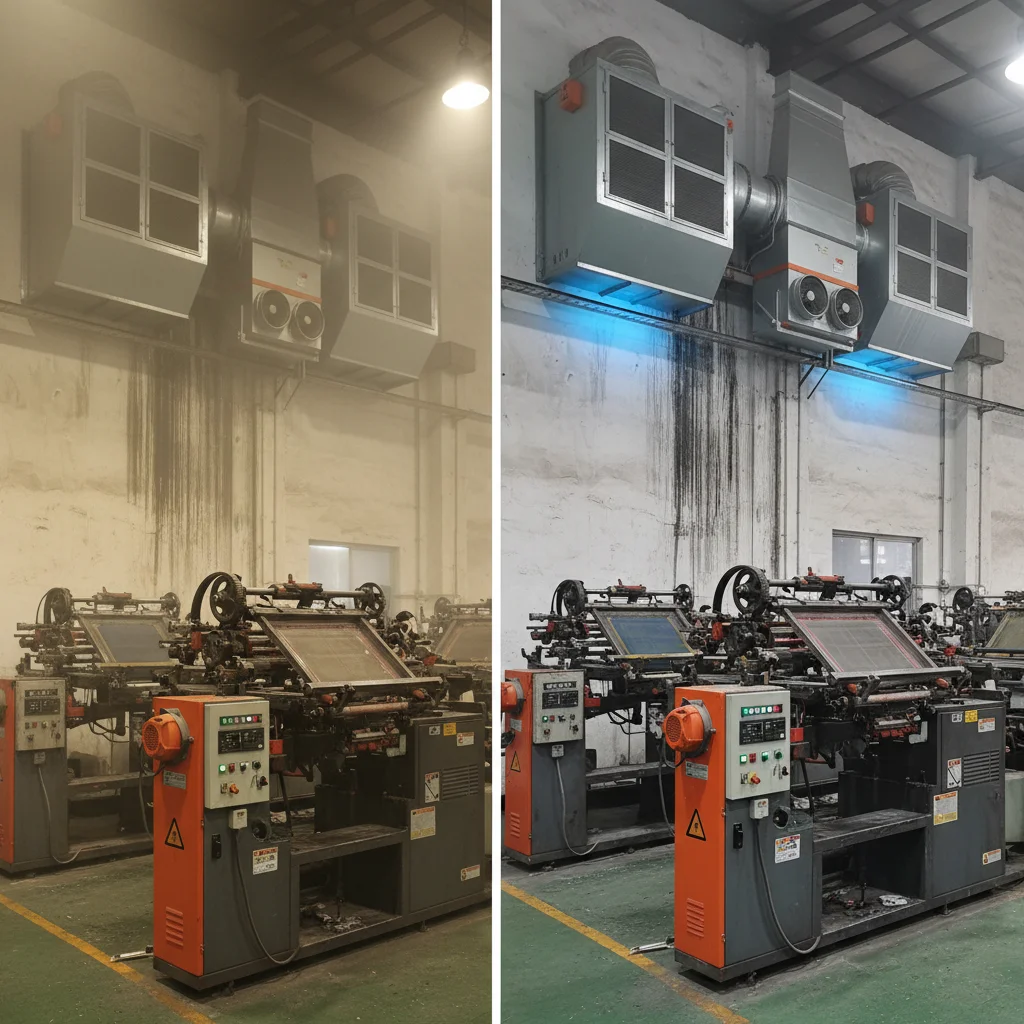
Industrial Wall Mounted Air Filtration for Clean Work Environments