

March 12, 2026
The demand for expanded metal mesh continues to rise across diverse industries, including construction, automotive, agriculture, and security. Understanding the machinery behind its production is crucial for businesses seeking to optimize efficiency and product quality. This article will provide a detailed overview of expanded metal mesh making machines, exploring their functionality, types, key features, and factors to consider when making a purchase. Investing in the right equipment can significantly impact production costs and the overall competitiveness of your business. Mesh Machinery specializes in providing high-quality, reliable solutions for expanded metal mesh production.
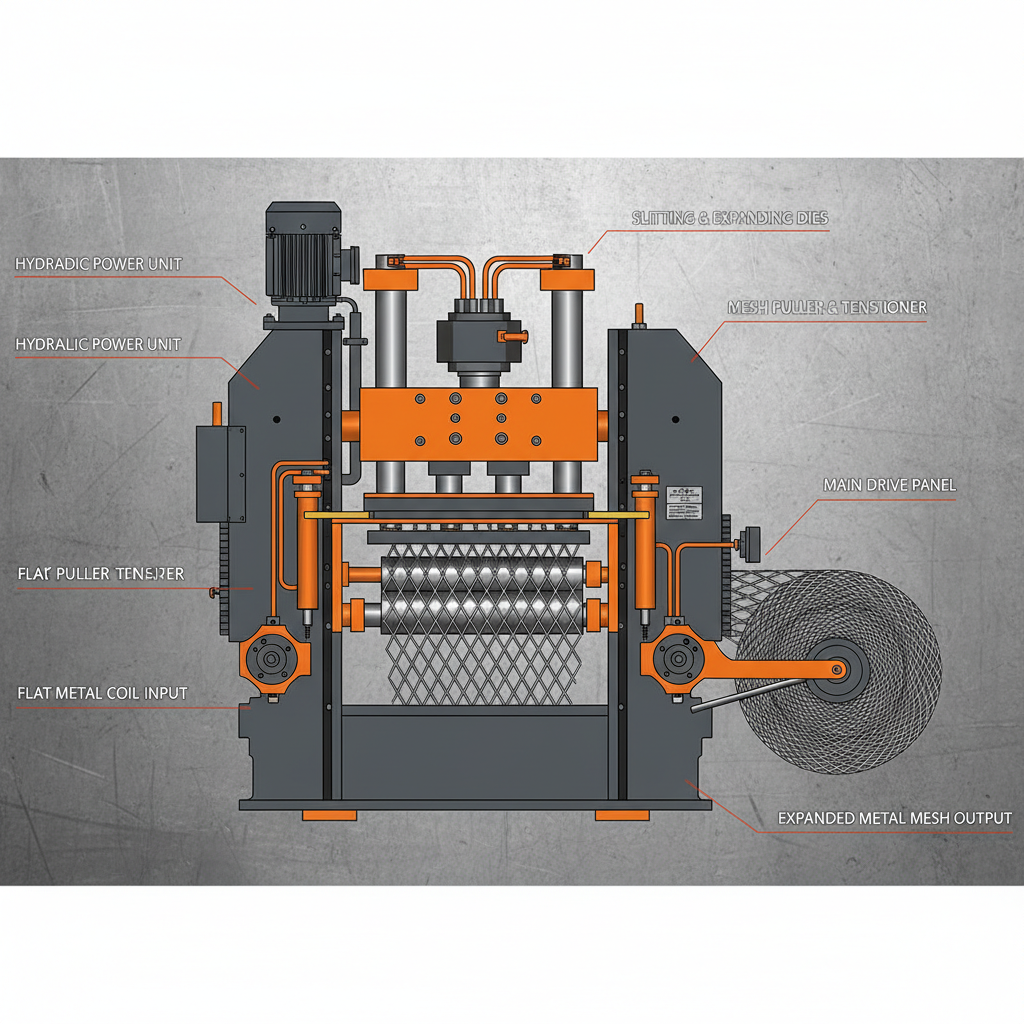
Expanded metal mesh is created through a slitting and stretching process. A metal sheet is passed through rollers with knives or shearing tools that cut slits into the metal. Simultaneously, the metal is stretched, causing the slits to open and create a mesh-like pattern. Unlike woven wire mesh, expanded metal maintains a high percentage of the original metal, resulting in strong and rigid panels. The process doesn't involve welding, making it a robust and durable option. The expanded metal mesh making machine automates this complex process, ensuring consistent quality and high production rates. Key variables include the slit width, slit length, and the metal’s thickness.
Key Benefits of Expanded Metal Mesh: High strength-to-weight ratio, durable, non-slip surface, and cost-effective.
There are several types of expanded metal mesh making machines, each suited for different production needs and scales. The most common types include:
Mechanical Expanded Metal Machines: These machines rely on mechanical power to drive the slitting and stretching process. They are generally more affordable but offer lower production speeds.
Hydraulic Expanded Metal Machines: Utilizing hydraulic systems, these machines offer greater power and precision, allowing for thicker metal sheets and higher production volumes.
Automatic Expanded Metal Machines: These fully automated systems are designed for continuous, high-volume production. They often include features like automatic feeding, slitting, stretching, and winding.
Selecting the right expanded metal mesh making machine requires careful consideration of several factors. Here are some crucial features to look for:
Processing Capacity: Determine the thickness and width of the metal sheets you'll be working with.
Production Speed: Consider your desired output volume.
Automation Level: Decide whether you need a manual, semi-automatic, or fully automatic machine.
Slitting and Stretching Precision: Ensure accurate and consistent mesh patterns.
Motor Power and Efficiency: Higher power is necessary for thicker materials.
Control System: A user-friendly interface for easy operation and monitoring.
Choosing between mechanical and hydraulic expanded metal machines depends largely on your production requirements. Here’s a comparative look:
Choosing a reputable supplier is paramount. Look for a company with a proven track record of delivering high-quality expanded metal mesh making machines, providing excellent customer support, and offering comprehensive after-sales service. Mesh Machinery offers customized solutions, technical expertise, and a commitment to customer satisfaction. They can help you determine the best machine for your specific needs and provide ongoing support to ensure optimal performance.
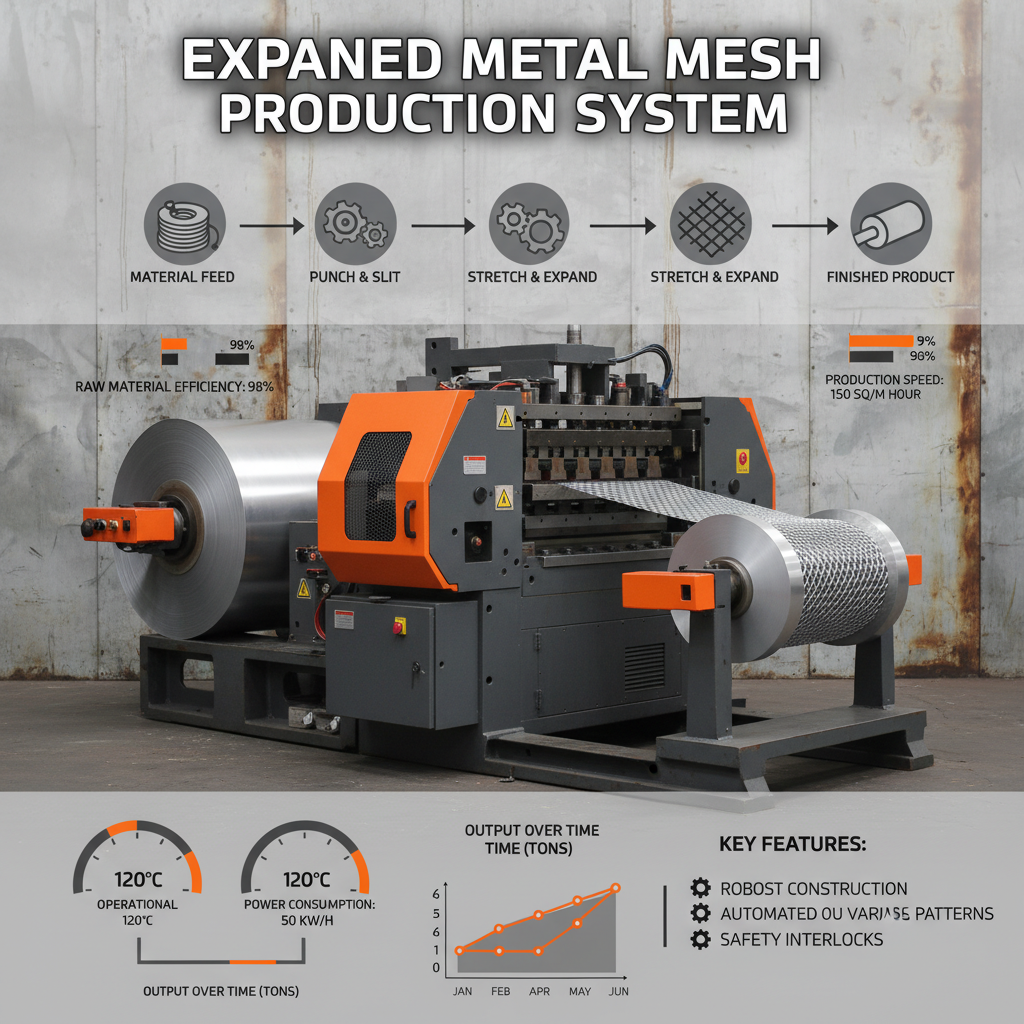
Investing in a quality expanded metal mesh making machine is a strategic decision that can significantly enhance your production capabilities and profitability. By carefully considering your needs, evaluating the different machine types, and choosing a reliable supplier like Mesh Machinery, you can ensure a smooth and successful implementation.
Expanded metal mesh making machines are versatile and can process a wide variety of materials, including carbon steel, stainless steel, aluminum, and galvanized steel. The choice of material will depend on the specific application and required properties of the finished mesh. Some machines are specifically designed for harder metals, while others are better suited for softer materials. It's essential to verify the machine’s compatibility with the desired material before purchase.
Regular maintenance is crucial for ensuring the longevity and optimal performance of your machine. This includes lubricating moving parts, inspecting and replacing worn components, cleaning the machine regularly, and checking the tension of belts and rollers. Hydraulic machines require periodic oil changes and filter replacements. Following the manufacturer’s recommended maintenance schedule is essential.
Safety is paramount when operating this type of machinery. Operators should always wear appropriate personal protective equipment (PPE), including safety glasses, gloves, and hearing protection. Ensure all safety guards are in place and functioning correctly. Never operate the machine without proper training. Follow all safety guidelines provided by the manufacturer. Regularly inspect the machine for any potential hazards and address them immediately.
The payback period varies depending on factors such as production volume, material costs, labor costs, and the machine's efficiency. However, by automating the process and reducing labor costs, a quality machine can often pay for itself within 2-5 years. The increased production capacity and improved product quality also contribute to a faster return on investment. Contacting Mesh Machinery for a personalized ROI analysis is recommended.

High Precision Wedge Wire Screen Welding Machine Factory Suppliers in China


Nov 10, 2026
Technical Factors Influencing the Gabion Machine Price


