
March 19, 2026
Creating a secure and effective fence is crucial for both residential and agricultural purposes. A diy simple fence wire netting machine empowers you to produce custom fencing solutions efficiently and cost-effectively. This article delves into the world of these machines, covering their benefits, types, key features, applications, and factors to consider when choosing the right one. Whether you're a small farm owner, a fencing contractor, or a DIY enthusiast, this guide will provide valuable insights into the world of fence netting production.
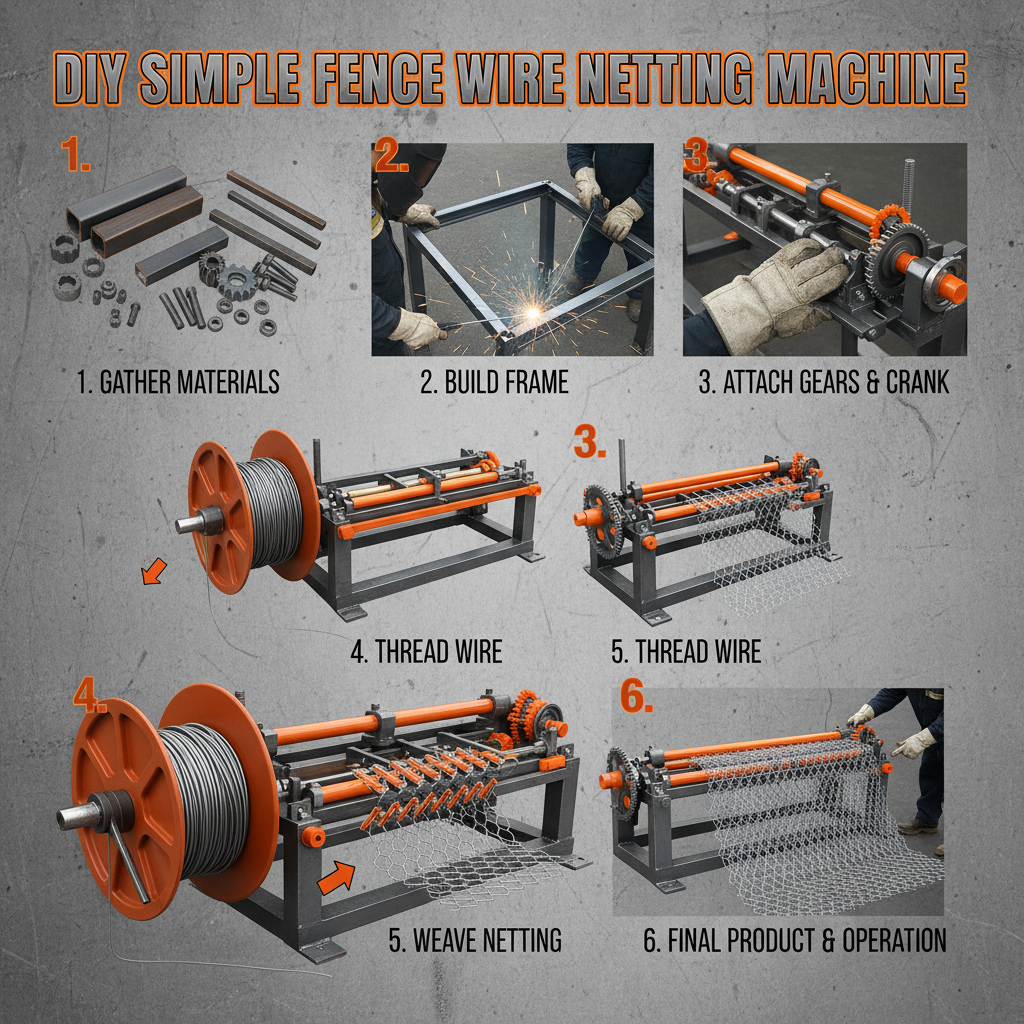
Investing in a diy simple fence wire netting machine offers numerous advantages over purchasing pre-made fencing. Firstly, it significantly reduces costs, particularly for large-scale fencing projects. Secondly, it allows for customization – you can adjust the mesh size, wire gauge, and fence height to meet your specific requirements. This is especially important for containing different types of livestock or securing properties with unique terrain. Finally, having your own machine provides independence and allows you to produce fencing on demand, eliminating lead times and reliance on suppliers. It’s an investment that yields long-term savings and control.
Key Benefits: Reduced costs, customization options, independence, on-demand production, increased control over fence quality.
Several types of wire netting machines cater to different needs and budgets. Manual machines are the most affordable and suitable for small-scale projects. They require physical effort to operate but are simple to maintain. Semi-automatic machines offer increased efficiency with motorized components for tasks like wire feeding. Fully automatic machines provide the highest production capacity and minimal operator intervention, ideal for large-scale fencing businesses. The choice depends on your project size, budget, and desired level of automation. Meshmachinery.com offers a diverse range of options to suit various needs.
Machine Type Overview:
• Manual Machines: Low cost, small-scale projects, high labor input.
• Semi-Automatic Machines: Moderate cost, improved efficiency, some manual operation.
• Fully Automatic Machines: High cost, high production capacity, minimal operator intervention.
When selecting a machine, several features are crucial. The wire feeding system should be reliable and consistent for smooth operation. The mesh forming mechanism determines the mesh size and consistency. A sturdy frame and durable components ensure longevity and reduce maintenance. Adjustability is key – look for machines that allow you to easily change mesh size, wire gauge, and fence height. Finally, consider the machine's ease of use and maintenance requirements. Meshmachinery.com provides detailed specifications and support to help you make an informed decision.
These machines are incredibly versatile and find applications in various sectors. Agriculture benefits from fencing for livestock containment, pasture management, and crop protection. Rural properties use them for perimeter security and boundary demarcation. Horticulture utilizes netting for plant support and protection from pests. Even residential applications like garden fencing and pet enclosures are made easier with a personal wire netting machine. The ability to produce custom fencing solutions makes these machines invaluable across a broad spectrum of industries. Explore the possibilities with Meshmachinery.com.
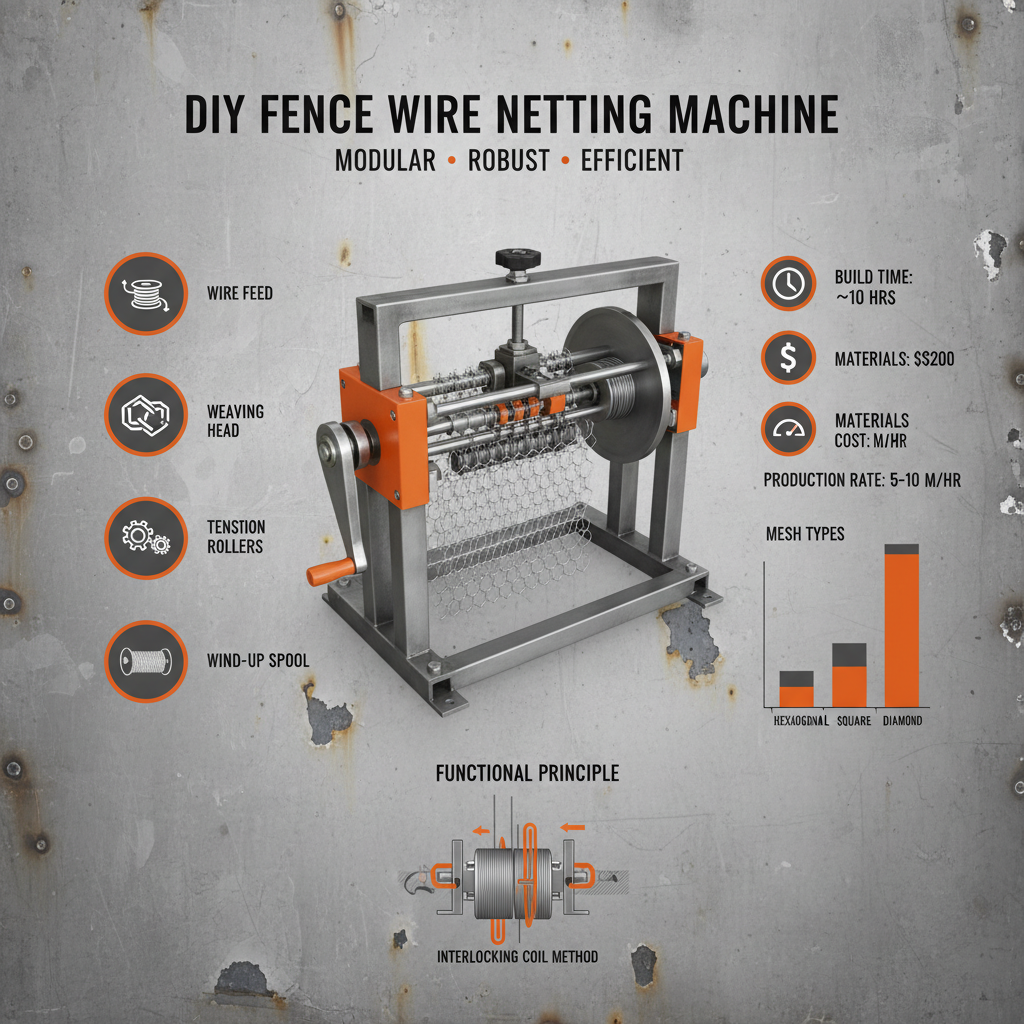
Selecting the right diy simple fence wire netting machine requires careful consideration. Evaluate your production volume – how much fencing do you need to produce? Determine the types of fencing you’ll be creating – livestock, security, or garden fencing. Assess your budget – manual machines are cheaper, but automated machines offer greater efficiency. Consider the available space – larger machines require more floor space. Finally, factor in maintenance and support – choose a reputable supplier with readily available parts and technical assistance.
Investing in a diy simple fence wire netting machine is a smart decision for anyone seeking cost-effective, customizable, and independent fencing solutions. By carefully evaluating your needs and considering the factors outlined in this guide, you can select the perfect machine to empower your fencing projects. Visit Meshmachinery.com today to explore our extensive range of machines and take the first step towards efficient and reliable fencing production.
Most machines are compatible with a variety of wire types, including galvanized steel, stainless steel, and coated wire. The specific wire gauge that can be used depends on the machine's capacity and the desired fence strength. It's crucial to consult the machine’s specifications and the manufacturer's recommendations for compatible wire types. Using incompatible wire can damage the machine or compromise the quality of the fence. Meshmachinery.com provides detailed information on wire compatibility for each machine.
Regular maintenance is essential for ensuring the machine's longevity and optimal performance. This includes lubricating moving parts, cleaning the machine after each use, and inspecting for wear and tear. It’s important to check and tighten bolts and screws regularly. Refer to the machine's manual for specific maintenance instructions and schedules. Proactive maintenance prevents breakdowns and reduces the need for costly repairs.
The ease of operation varies depending on the machine type. Manual machines are relatively simple to operate, requiring only physical effort. Semi-automatic and fully automatic machines have more complex controls but are generally user-friendly. Meshmachinery.com offers machines with intuitive interfaces and provides comprehensive training materials and support to ensure a smooth learning curve.
Production rates vary significantly depending on the machine type, wire gauge, and operator skill. Manual machines typically produce a few meters of fencing per hour, while semi-automatic machines can produce up to 10-20 meters per hour. Fully automatic machines can achieve production rates of 30 meters or more per hour. Contact Meshmachinery.com for specific production rate data for each model.
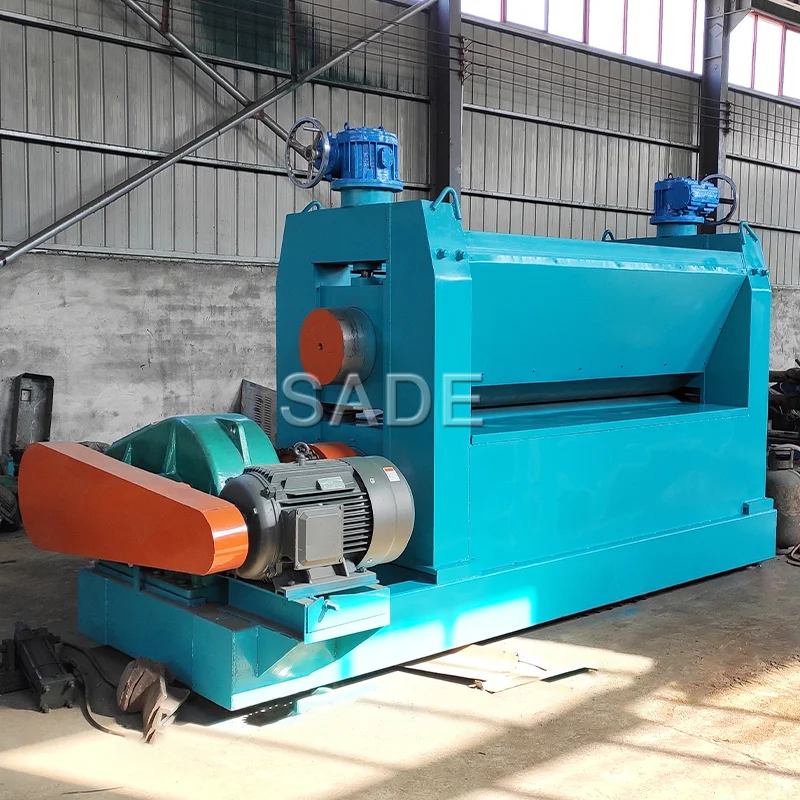
ZPJ Metal Mesh Flatting Machine
ZPJ metal mesh flatting machine is special designed for expanded metal flatting.It’s a corollary equipment of expanded metal machine. It can make expanded wire-mesh smoothly.And the flattened expanded metal have much more widely different applications.
Apr 24, 2026
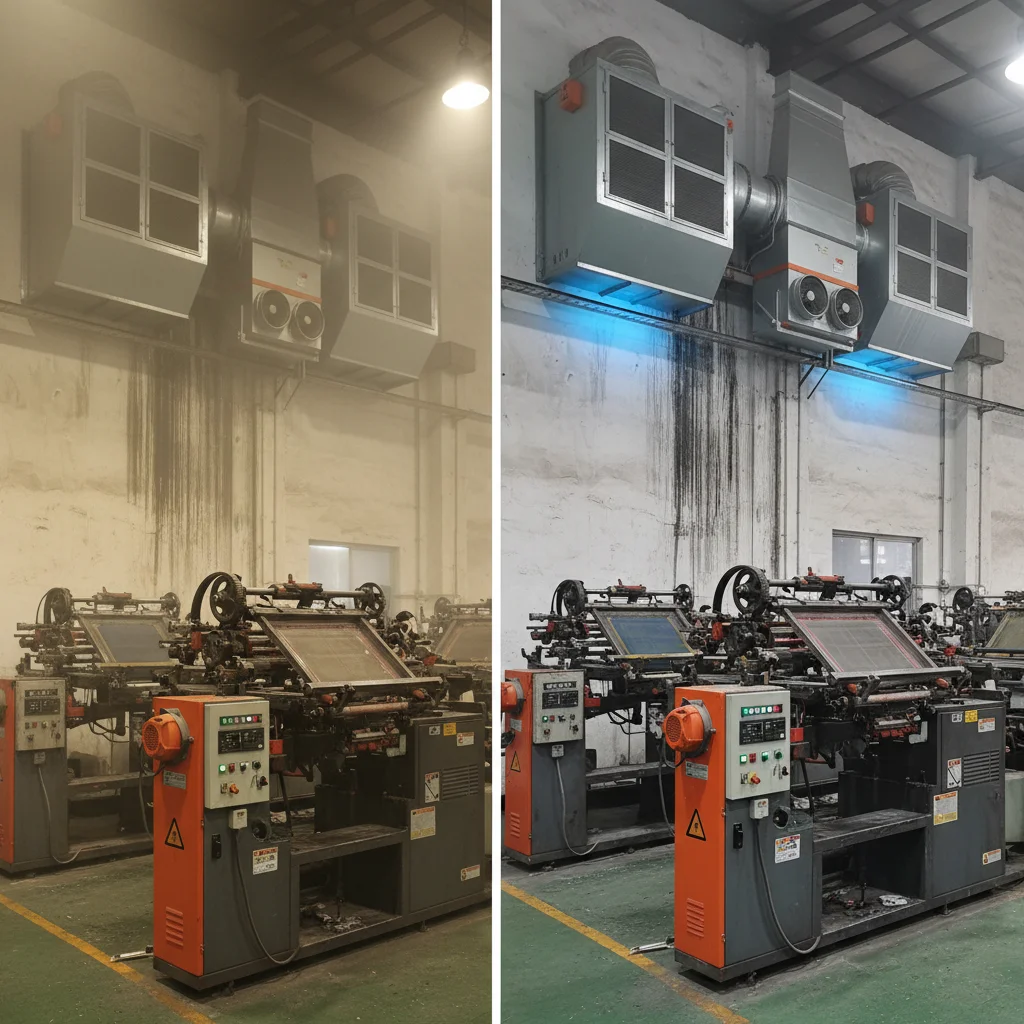
Industrial Wall Mounted Air Filtration for Clean Work Environments