
March 19, 2026
The demand for iron jali, or wrought iron mesh, is steadily increasing across various industries – from construction and security to decorative elements. This surge in demand has fueled the need for efficient and reliable manufacturing solutions. An iron jali making machine offers a significant upgrade over traditional manual methods, boosting production capacity and ensuring consistent quality. This article will delve into the intricacies of these machines, exploring their types, benefits, applications, and key considerations when selecting the right model for your business. Investing in an iron jali making machine is a strategic step towards optimizing your production process and meeting growing market demands.
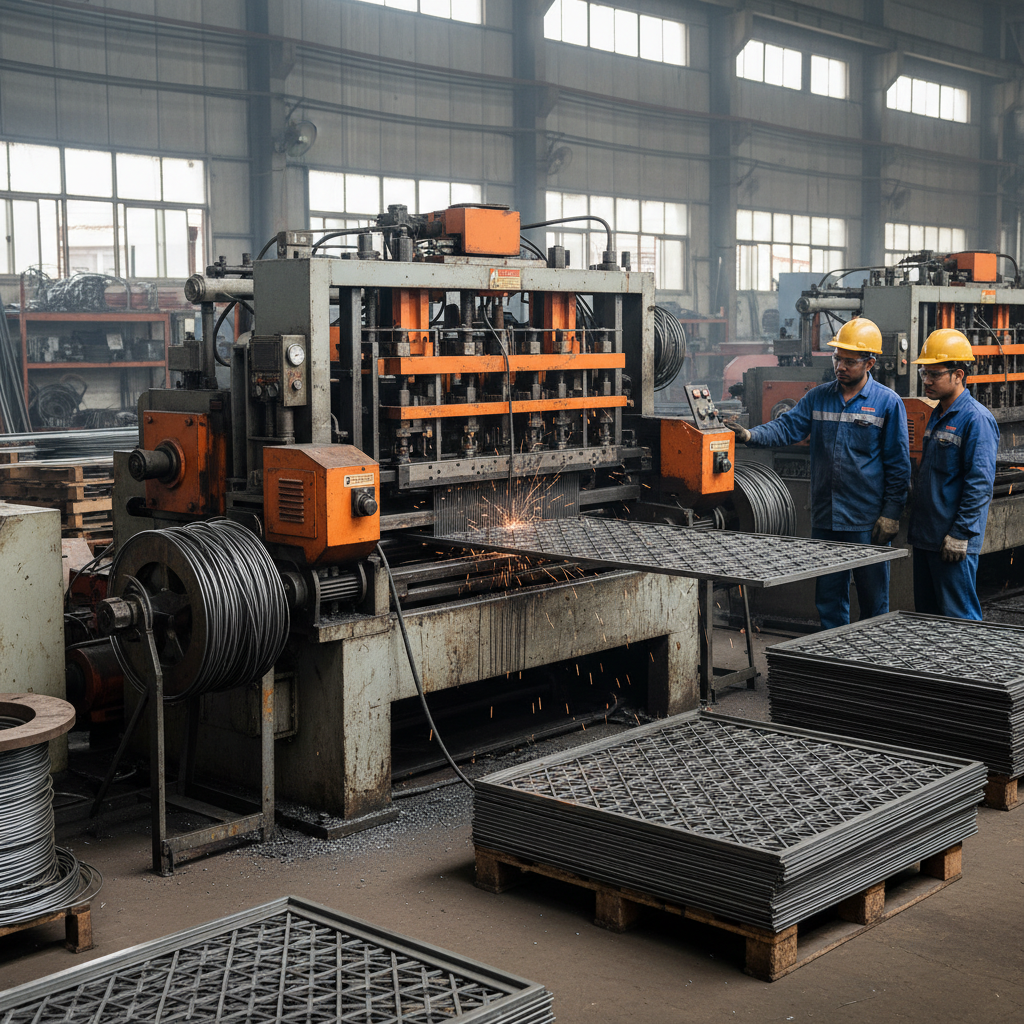
Iron jali making machines come in various designs, each suited to different production needs and scales. The most common types include: manual machines, semi-automatic machines, and fully automatic machines. Manual machines require significant human effort and are best suited for small-scale or infrequent production. Semi-automatic machines automate certain aspects of the process, reducing labor and increasing output. Fully automatic machines offer the highest levels of efficiency and precision, capable of continuous operation and producing large volumes of jali with minimal human intervention. Choosing the right type depends on factors like your budget, production volume, and desired level of automation.
Key Consideration: Evaluating your production volume and growth potential is crucial when selecting a machine type. Investing in a machine that's too small could limit future expansion, while a machine that's too large might be an unnecessary expense.
Switching from manual jali production to using a machine offers numerous advantages. These machines significantly increase production speed, reducing lead times and enabling you to fulfill larger orders. They ensure consistent product quality, minimizing defects and waste. Automation reduces labor costs and the reliance on skilled artisans, which can be difficult to find. Machines can produce a wider range of jali designs and patterns, expanding your product offerings. Ultimately, an iron jali making machine enhances your competitiveness and profitability.
Key Benefits:
• Increased production speed and efficiency
• Consistent product quality
• Reduced labor costs
• Wider range of design capabilities
Understanding the differences between machine types is essential for making an informed decision. Here's a comparison to highlight the key distinctions:
Iron jali finds applications in a diverse range of industries. In construction, it's used for safety barriers, railings, and decorative elements. The security industry utilizes it for fences, gates, and protective cages. Architects and interior designers employ iron jali for aesthetically pleasing screens, partitions, and facades. The automotive industry uses it in certain protective components. Furthermore, iron jali is popular in agricultural settings for creating protective enclosures for plants and animals. With a reliable iron jali making machine, businesses can efficiently cater to these varied demands.
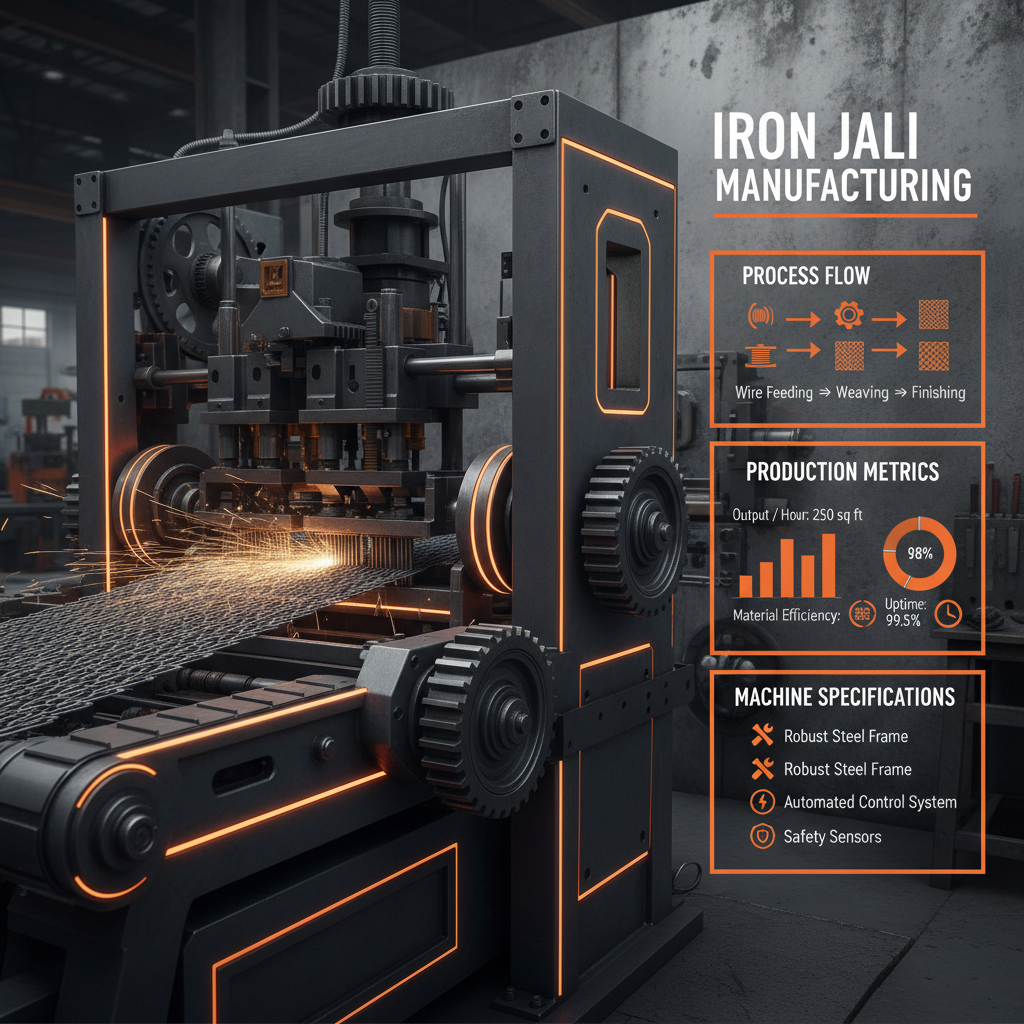
Selecting the right machine requires careful evaluation. Consider your budget, production volume, the types of jali you intend to produce, and the available space in your facility. Assess the machine's power requirements and ensure your electrical infrastructure can support it. Look for machines with robust construction and reliable components to minimize downtime and maintenance costs. Furthermore, consider the availability of after-sales service and support from the manufacturer. Mesh Machinery offers a comprehensive range of iron jali making machines to suit diverse needs.
Investing in an iron jali making machine is a strategic move for any business looking to enhance productivity, improve quality, and expand its product offerings. With a range of options available, from manual to fully automatic, you can find a machine that perfectly aligns with your specific needs and budget. Don't hesitate to explore the possibilities and unlock the full potential of your iron jali production.
Regular maintenance is key to ensuring the longevity and optimal performance of your machine. This includes lubricating moving parts, checking for wear and tear on components like cutting blades and rollers, and cleaning the machine thoroughly after each use. It's also crucial to inspect electrical connections and wiring for any damage. Following the manufacturer's recommended maintenance schedule will help prevent breakdowns and minimize downtime. Consider establishing a preventative maintenance plan and training personnel to perform routine checks.
Most iron jali making machines are designed to work with a variety of wire types, including mild steel wire, galvanized wire, and stainless steel wire. The maximum wire diameter supported will vary depending on the machine model. It's crucial to select a wire that's compatible with the machine's specifications to avoid damage and ensure optimal results. Always consult the machine's manual for recommended wire types and diameters.
The space requirements will vary based on the size and type of machine. Manual machines generally require less space than automatic models. It’s essential to consider space for the machine itself, as well as adequate room for loading materials, unloading finished products, and performing maintenance. A well-ventilated area is also important, particularly for machines that generate heat or dust. Always refer to the machine's specifications for precise space requirements.
Safety is paramount when operating any machinery. Always wear appropriate personal protective equipment (PPE), including safety glasses, gloves, and ear protection. Ensure the machine is properly grounded and that all safety guards are in place. Never attempt to operate the machine without proper training. Be aware of moving parts and avoid reaching into the machine while it’s running. Regularly inspect the machine for any potential hazards and address them promptly.
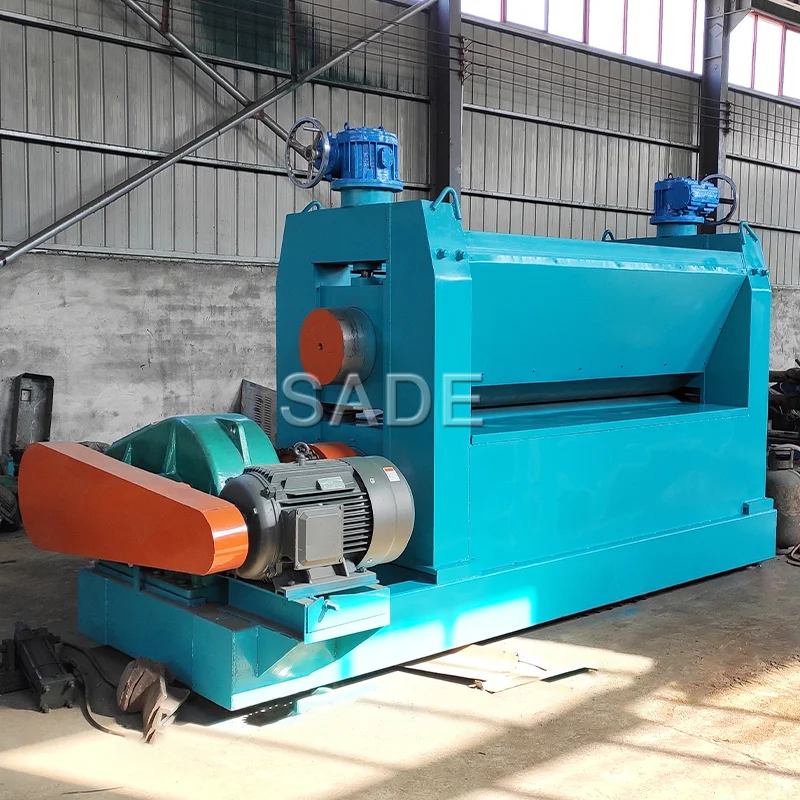
ZPJ Metal Mesh Flatting Machine
ZPJ metal mesh flatting machine is special designed for expanded metal flatting.It’s a corollary equipment of expanded metal machine. It can make expanded wire-mesh smoothly.And the flattened expanded metal have much more widely different applications.
Apr 24, 2026
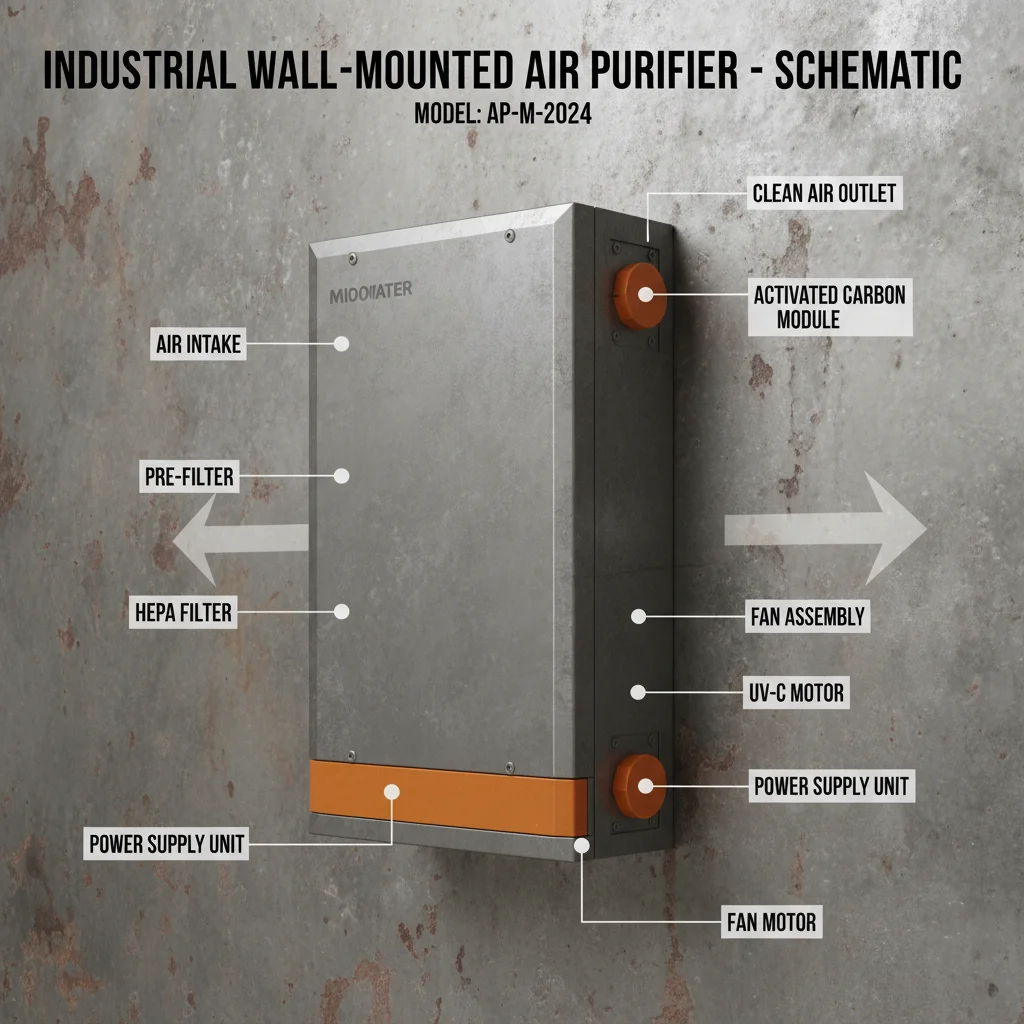
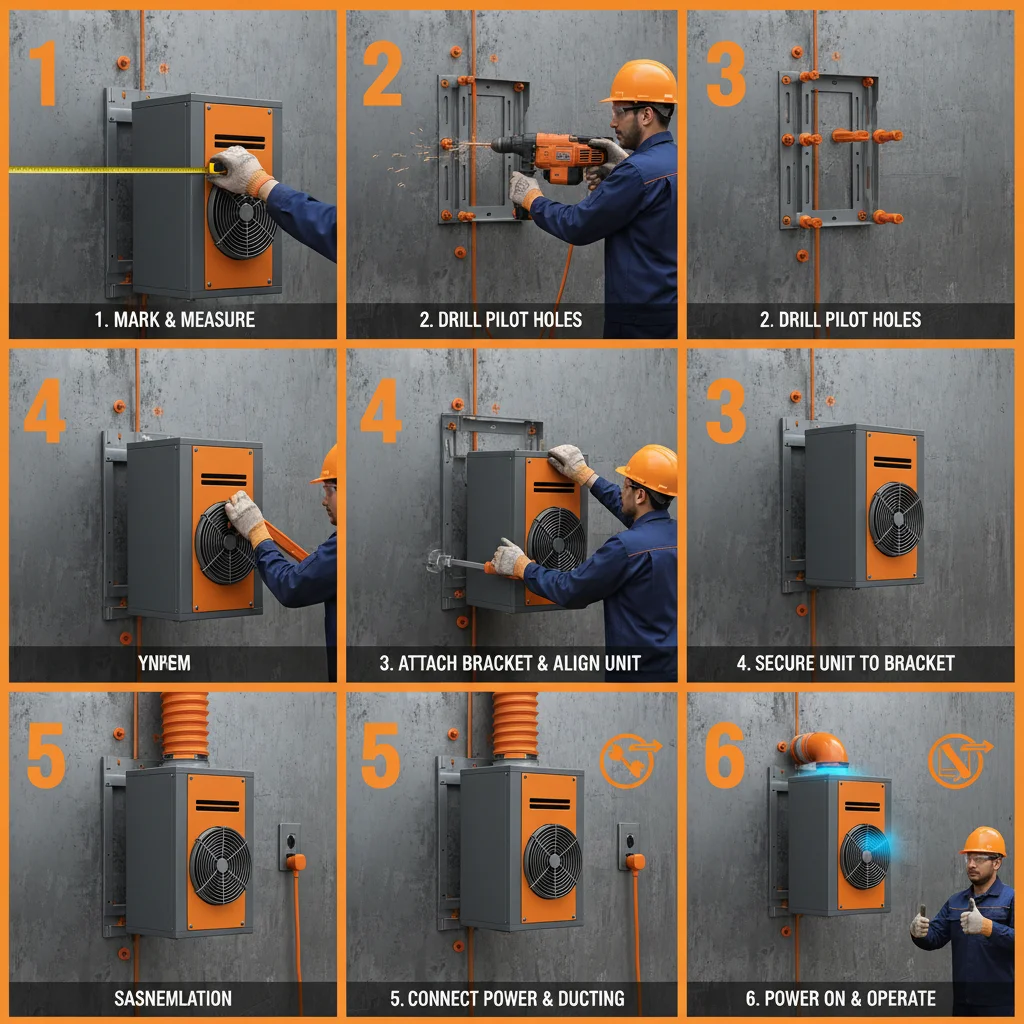
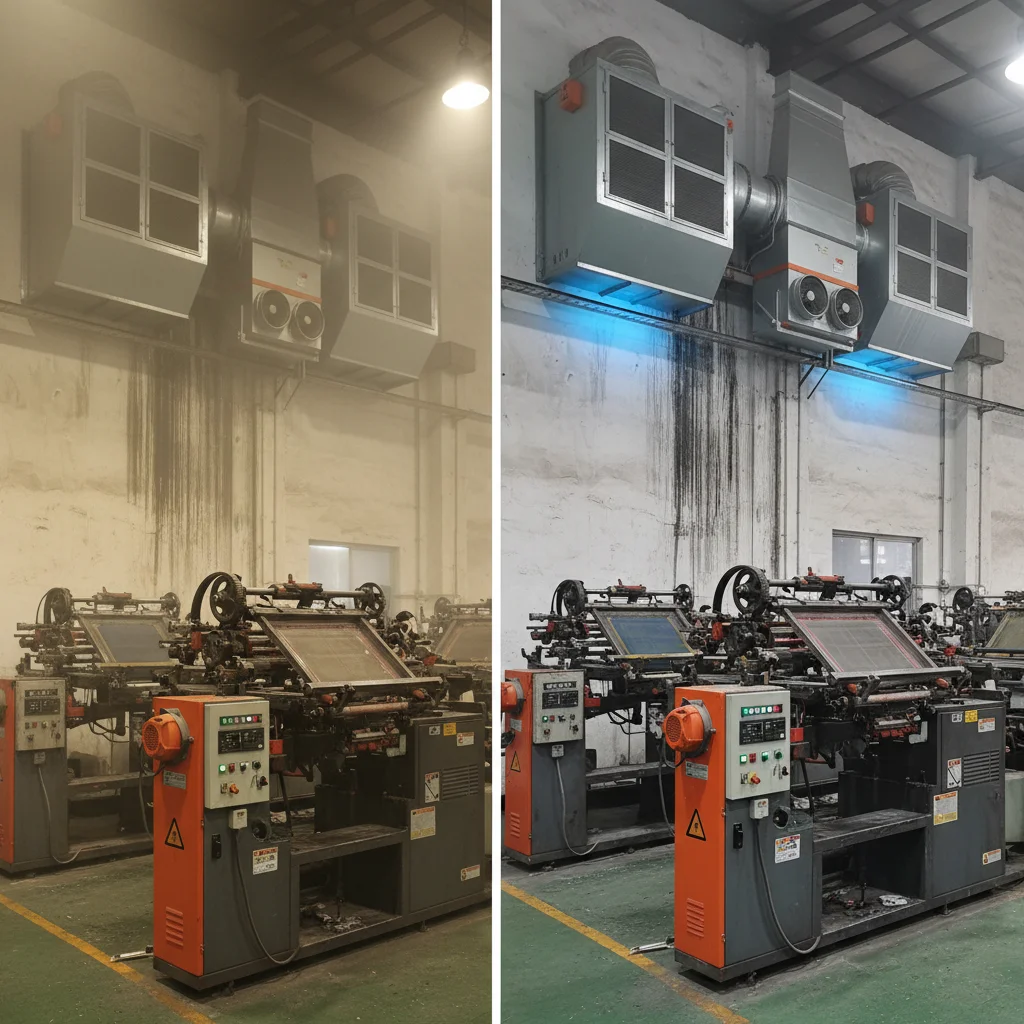
Industrial Wall Mounted Air Filtration for Clean Work Environments