
March 24, 2026
In the realm of industrial manufacturing, the demand for precision and efficiency is paramount. Metal mesh machines play a critical role in meeting this demand, producing versatile materials used across diverse industries. This article delves into the intricacies of metal mesh machines, exploring their types, applications, operational principles, and future trends. Whether you’re in filtration, security, or architectural design, understanding these machines is key to optimizing your processes and achieving superior results. Choosing the right machine can significantly improve the quality and cost-effectiveness of your production.
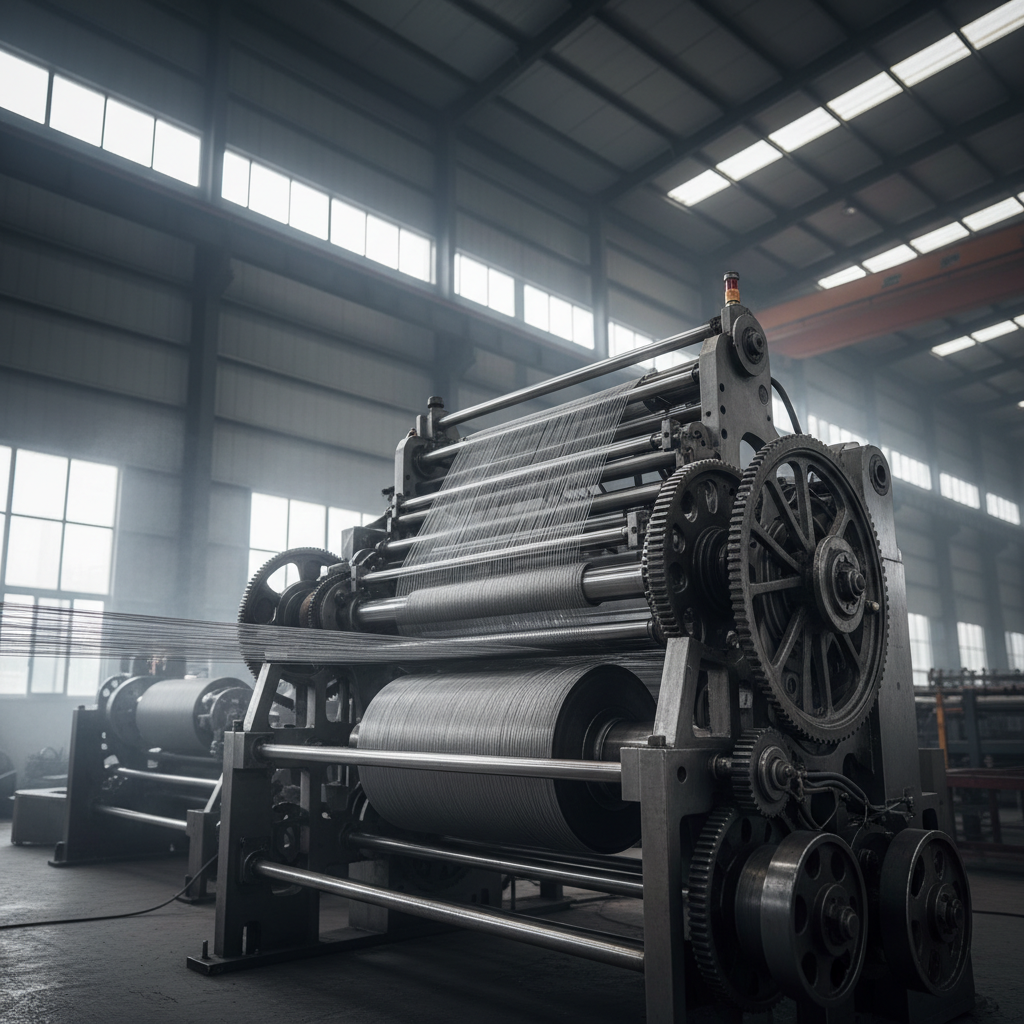
The world of metal mesh machines isn't one-size-fits-all. Different applications demand different machine types. Common types include weaving machines, knitting machines, crimping machines, and expanding machines. Meshmachinery.com specializes in a range of solutions tailored to specific needs. Weaving machines interlace wires at right angles, creating a structured mesh. Knitting machines form loops, resulting in a more flexible mesh. Crimping machines lock wires into a wavy pattern for stability, and expanding machines stretch and interlock metal sheets to create a unique mesh structure. The selection process hinges on the desired mesh characteristics, material type, and production volume.
Key Considerations: Selecting the appropriate metal mesh machine requires careful evaluation of factors like production volume, mesh type, and material compatibility.
At the heart of every metal mesh machine lies a precise interplay of mechanical components. Most machines utilize a series of rollers, guides, and cutting mechanisms to manipulate the metal wire or sheet. For instance, a weaving machine uses shuttles to pass weft wires under warp wires, creating the interlaced structure. Expanding machines utilize blades to slice and stretch the metal sheet, forming a diamond or hexagonal pattern. The automation capabilities of modern machines significantly enhance production speed and consistency, reducing manual labor and minimizing errors.
Core Operational Steps:
• Material Feeding: Precise and consistent wire or sheet feeding is crucial.
• Forming/Weaving/Expanding: The core process that shapes the mesh.
• Edge Treatment: Trimming and finishing to create clean edges.
• Winding/Collection: Efficiently collecting the finished mesh.
Choosing between weaving and expanding machines depends largely on the desired mesh characteristics and intended application. Woven mesh offers high strength and dimensional stability, while expanded mesh provides a more open structure with excellent drainage and ventilation. The following table highlights a comparison:
Metal mesh finds applications in an astonishingly wide range of sectors. In filtration, it’s used to create filters for air, water, and oil. In security, it forms the basis for fencing and protective barriers. The architectural industry utilizes it for facade cladding and decorative elements. Meshmachinery.com provides solutions for all these applications and more, including specialized meshes for aerospace and medical industries.
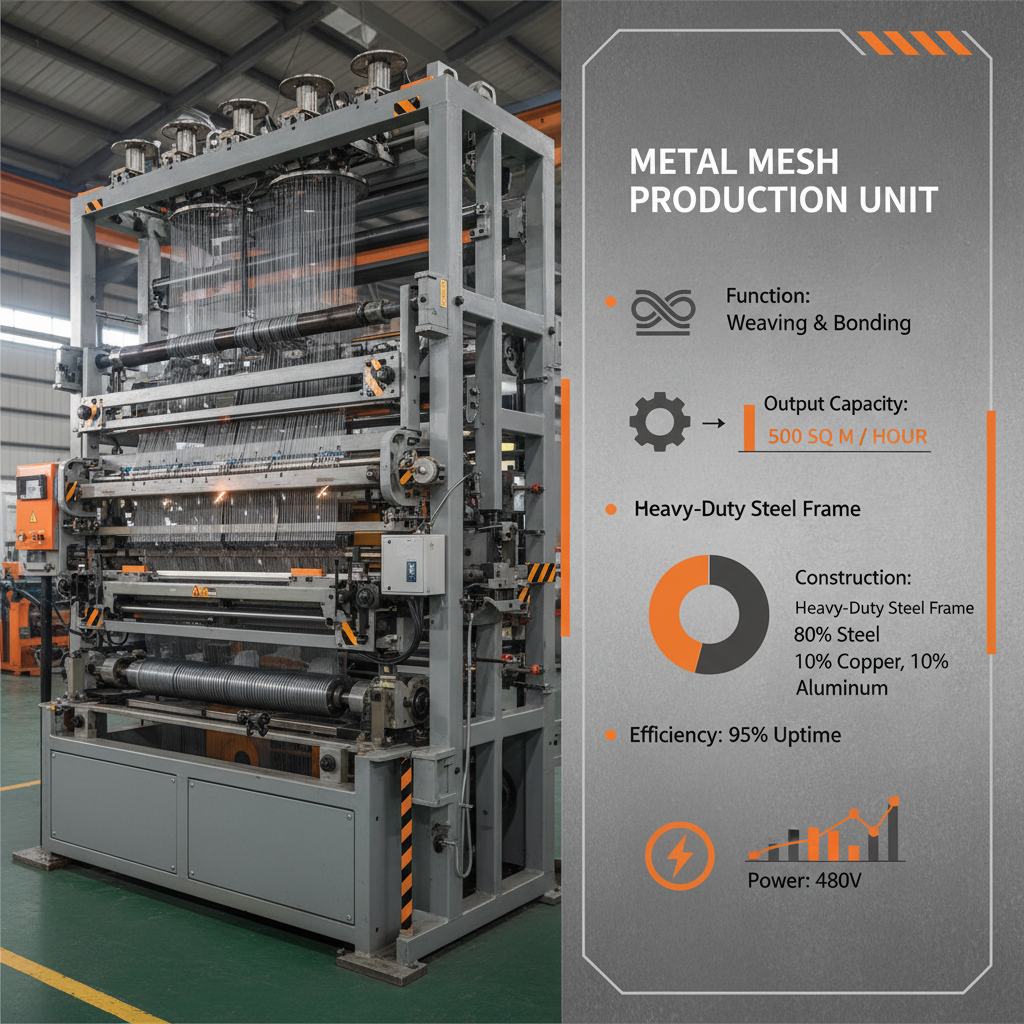
The future of metal mesh machine technology is marked by a drive towards increased automation, precision, and sustainability. We are seeing the integration of AI-powered control systems for real-time optimization and defect detection. Advanced sensor technologies are enabling finer control over mesh parameters, leading to superior quality. Furthermore, there’s a growing focus on energy efficiency and the use of eco-friendly materials. Meshmachinery.com is at the forefront of these innovations, constantly researching and developing cutting-edge solutions to meet the evolving needs of the industry.
Choosing the right metal mesh machine is a crucial investment for any manufacturing operation. By understanding the different types, operational principles, and future trends, you can make an informed decision that optimizes your production processes, enhances product quality, and maximizes your return on investment. Partnering with a trusted supplier like Meshmachinery.com ensures access to cutting-edge technology, expert support, and tailored solutions to meet your unique needs.
Metal mesh machines are versatile and can process a wide variety of materials including stainless steel, aluminum, brass, copper, and even specialized alloys. The choice of material depends on the specific application and the desired properties of the finished mesh. Meshmachinery.com offers machines capable of handling diverse materials, and our experts can advise you on the optimal configuration for your needs. Factors like material hardness, thickness, and corrosion resistance are key considerations when selecting a machine.
Production speed varies significantly depending on the type of machine, the material being processed, and the mesh specifications. Weaving machines typically operate at slower speeds for higher precision, while expanding machines can achieve higher throughput. Modern automated machines can produce several hundred meters of mesh per hour. Meshmachinery.com provides detailed production specifications for each machine, allowing you to assess its suitability for your required output.
Regular maintenance is crucial for ensuring the longevity and optimal performance of metal mesh machines. This includes lubrication of moving parts, inspection of wear components, and cleaning of debris. The frequency of maintenance depends on the machine’s usage and operating conditions. Meshmachinery.com offers comprehensive maintenance schedules and spare parts availability to minimize downtime and maximize machine uptime.
The optimal mesh size depends on the specific requirements of your application. Factors to consider include the size of the particles being filtered, the required flow rate, and the desired level of structural support. For filtration applications, smaller mesh sizes provide finer filtration. For security applications, larger mesh sizes may offer adequate protection with lower material costs. Our team at Meshmachinery.com can assist you in determining the ideal mesh size based on your unique needs.
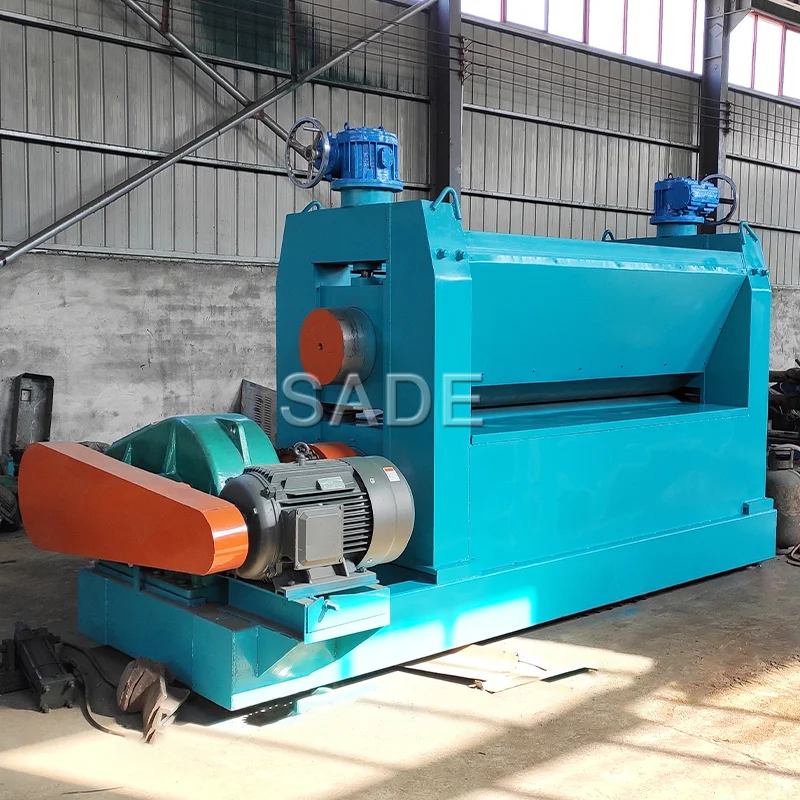
ZPJ Metal Mesh Flatting Machine
ZPJ metal mesh flatting machine is special designed for expanded metal flatting.It’s a corollary equipment of expanded metal machine. It can make expanded wire-mesh smoothly.And the flattened expanded metal have much more widely different applications.
Apr 23, 2026
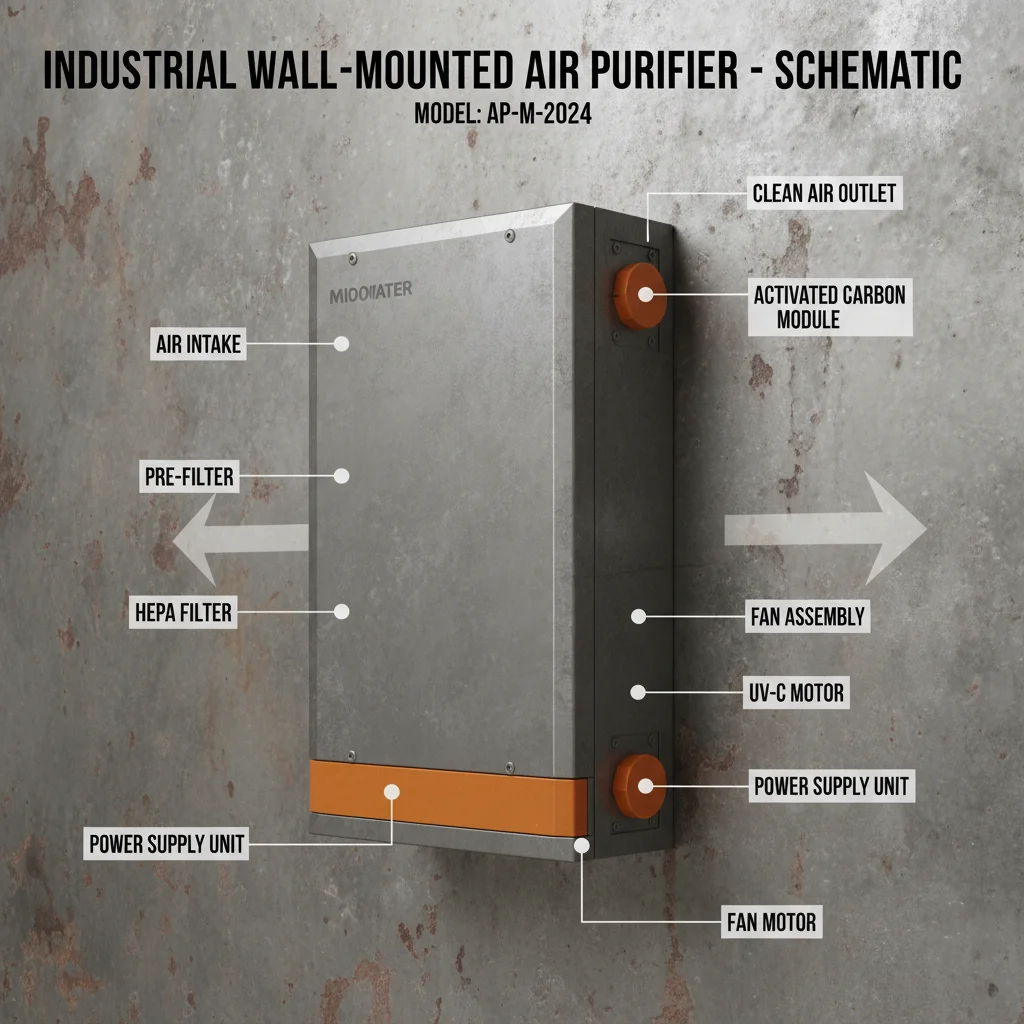
Industrial Wall Mounted Purifier for Manufacturing Air Quality