
March 24, 2026
Welders mesh, also known as welding wire mesh, is a crucial component in numerous industrial applications, particularly in welding processes where precise and consistent results are paramount. This article delves into the properties, types, applications, and benefits of welders mesh, offering a detailed overview for professionals and those seeking to understand this essential material. Choosing the right welders mesh can significantly enhance weld quality, efficiency, and overall project success.
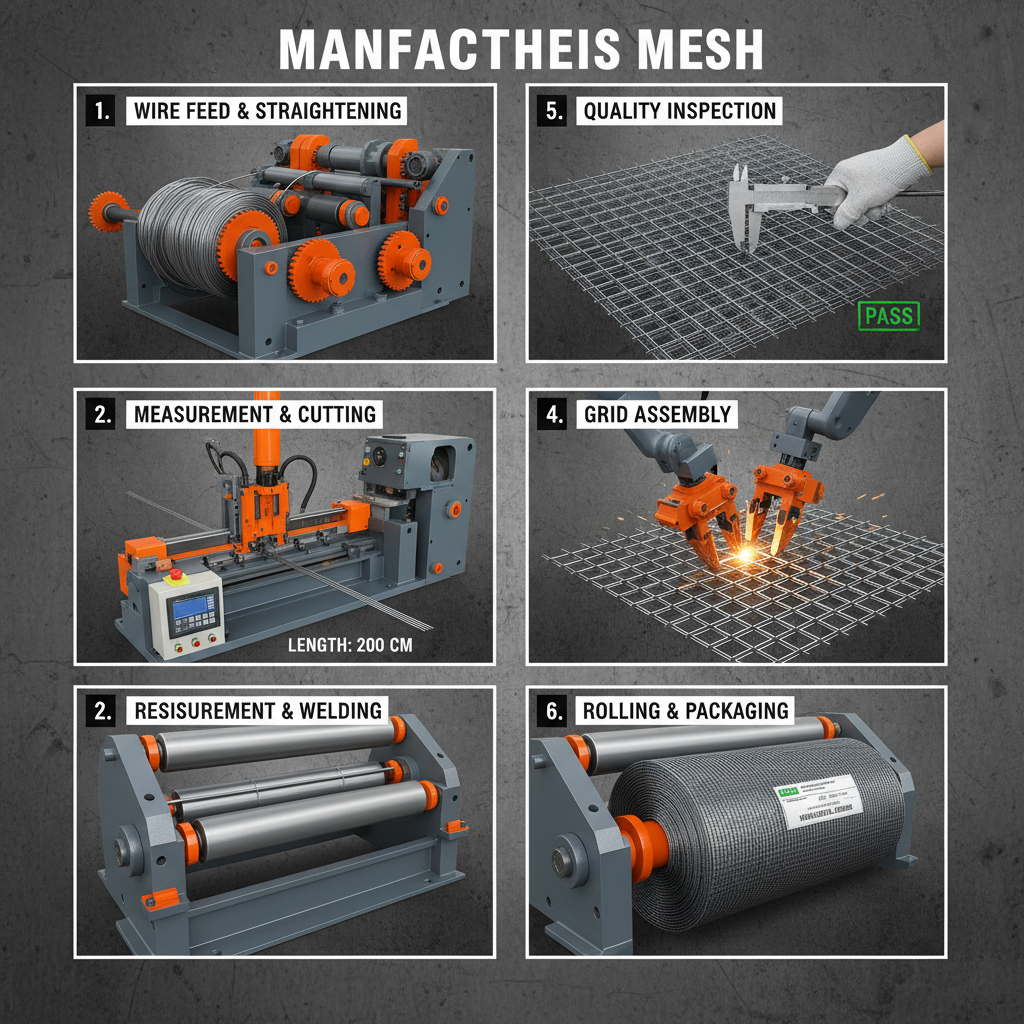
Welders mesh is a woven or welded grid of metal wires, typically made from materials like stainless steel, carbon steel, or alloy steel. Its primary function is to provide support and control during welding, especially in processes like gas metal arc welding (GMAW) and flux-cored arc welding (FCAW). The mesh prevents burn-through, reduces distortion, and ensures a smoother, more consistent weld bead. It is particularly valuable when welding thin materials or complex geometries. Understanding the different types of welders mesh is crucial for optimal welding performance.
Key Benefits: Improves weld quality, reduces burn-through, minimizes distortion, and increases welding efficiency.
Welders mesh comes in various forms, each suited for specific applications. The main types include woven mesh, welded mesh, and expanded metal. Woven mesh offers excellent drapeability and is ideal for complex shapes, while welded mesh provides superior strength and stability. Expanded metal offers high strength-to-weight ratio and is suitable for applications requiring ventilation. The choice of mesh type depends on the material being welded, the welding process used, and the desired weld characteristics. Meshmachinery provides a comprehensive range of welders mesh types to suit diverse needs.
Welders Mesh Types:
• Woven Mesh: Excellent drapeability, ideal for complex shapes.
• Welded Mesh: Superior strength and stability.
• Expanded Metal: High strength-to-weight ratio, good ventilation.
The applications of welders mesh are widespread across numerous industries. It’s extensively used in shipbuilding for hull welding, in automotive manufacturing for chassis and body panel welding, and in construction for structural steel welding. Furthermore, it's vital in the production of pressure vessels, pipelines, and various fabricated metal products. The ability of welders mesh to enhance weld integrity makes it indispensable in applications where structural reliability is critical.
Selecting the appropriate welders mesh involves considering several factors. The material of the mesh should be compatible with the base metal being welded. The mesh size (aperture) should be chosen based on the desired weld penetration and the thickness of the material. The wire diameter impacts the mesh’s strength and stability. Finally, the form (woven, welded, expanded) should be determined based on the complexity of the weld geometry and the required level of support. Meshmachinery offers expert guidance to help you select the optimal welders mesh for your specific application.
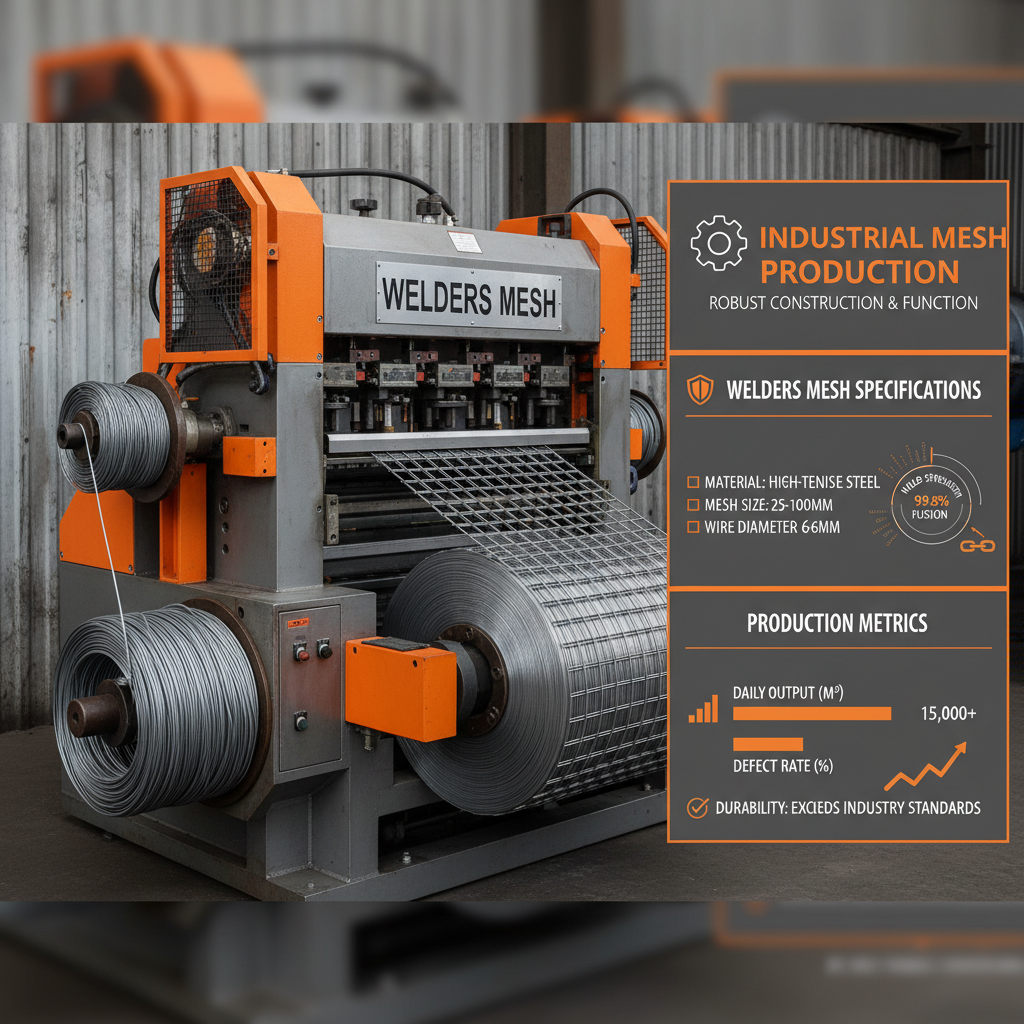
Here's a table outlining common welders mesh sizes and their typical applications:
Investing in high-quality welders mesh is essential for achieving superior weld quality, enhancing efficiency, and ensuring structural integrity. By understanding the different types, applications, and specifications of welders mesh, you can select the optimal material for your specific welding needs. Meshmachinery is your trusted partner for all your welders mesh requirements, providing expert advice and a comprehensive product range.
Welders mesh is commonly manufactured from carbon steel, stainless steel (grades 304, 304L, 316, 316L), and various alloy steels. The choice of material depends on the specific application and the base metal being welded. Stainless steel is preferred for corrosion resistance, while carbon steel is suitable for general-purpose welding. Alloy steels offer enhanced strength and heat resistance for specialized applications. The material selected should be compatible with the welding process and the surrounding environment to prevent corrosion or other material failures.
Welders mesh prevents burn-through by providing a supporting structure to the molten weld pool. The mesh acts as a heat sink, dissipating heat away from the weld zone and reducing the risk of the weld melting through the base metal, particularly when welding thin materials. It also helps to distribute the heat more evenly, preventing localized overheating and improving weld quality. The mesh effectively bridges the gap and supports the molten metal, preventing collapse and ensuring a strong, reliable weld.
The reusability of welders mesh depends on the welding process and the extent of heat exposure. Generally, welders mesh is considered a single-use item, particularly after being subjected to high temperatures during welding. Repeated use can compromise its structural integrity and effectiveness, potentially leading to weld defects. While some minor cleaning and inspection may be possible, it's recommended to replace the mesh after each welding application to ensure consistent and reliable results.
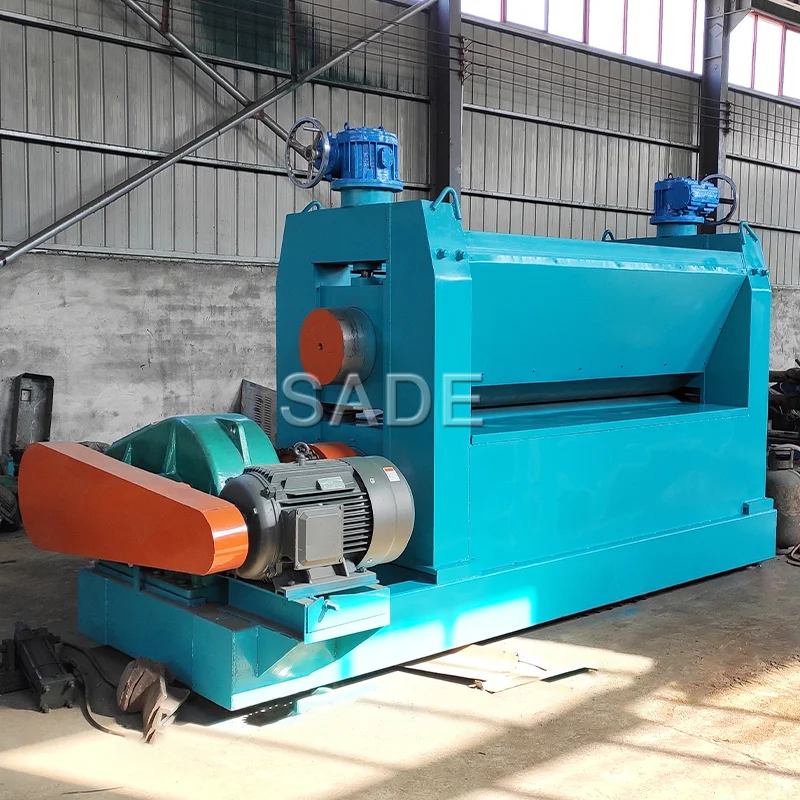
ZPJ Metal Mesh Flatting Machine
ZPJ metal mesh flatting machine is special designed for expanded metal flatting.It’s a corollary equipment of expanded metal machine. It can make expanded wire-mesh smoothly.And the flattened expanded metal have much more widely different applications.
Apr 24, 2026
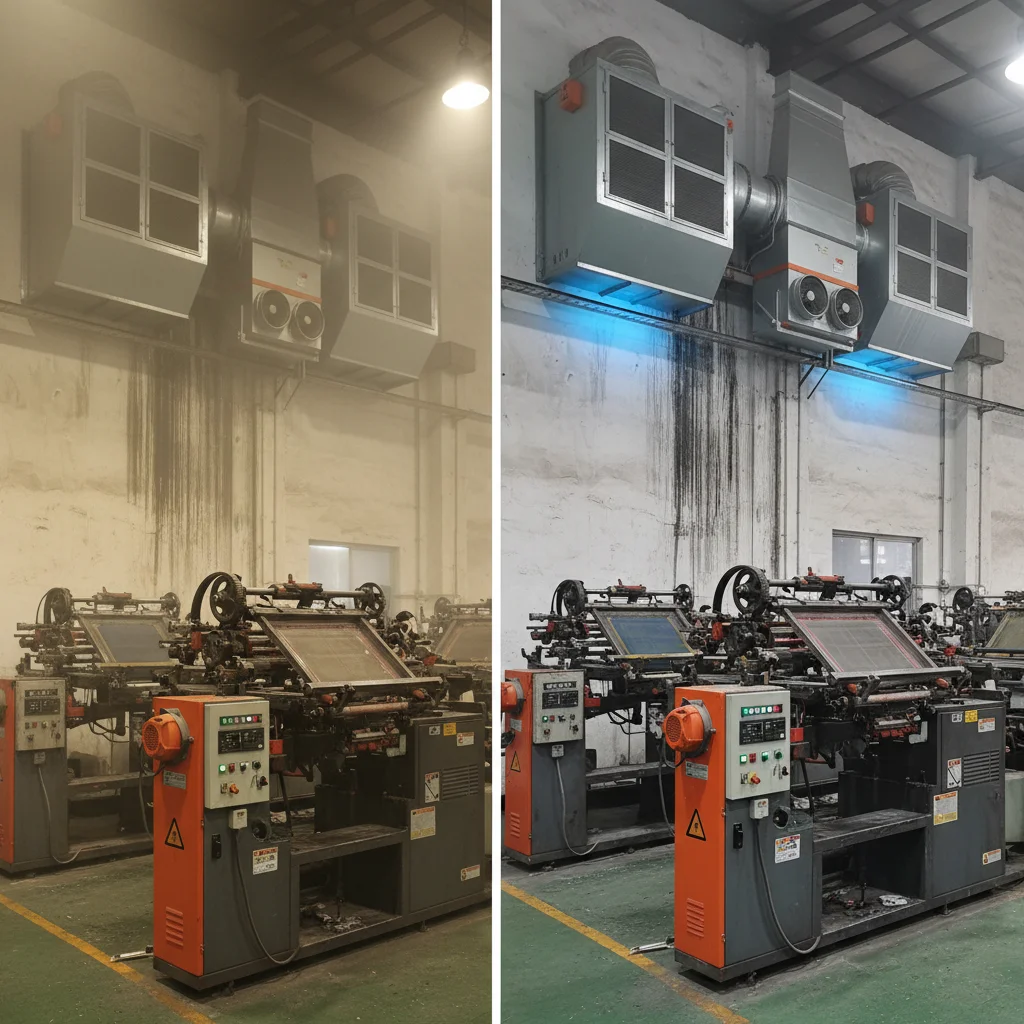
Industrial Wall Mounted Air Filtration for Clean Work Environments