
March 28, 2026
Selecting the right wire mesh welder is crucial for efficient and high-quality production in a variety of industries. From construction and agriculture to security and industrial applications, wire mesh plays a vital role. Understanding the different types of welding techniques, machinery features, and the specific needs of your operation are key to making an informed decision. This comprehensive guide will explore the various aspects of wire mesh welding, helping you choose the optimal solution for your business. Choosing the right machine will significantly impact productivity, cost-effectiveness, and the overall quality of your finished products.
Several welding techniques are commonly used for creating wire mesh. These include spot welding, resistance welding, and laser welding. Spot welding is a cost-effective method ideal for joining overlapping sheets of wire mesh. Resistance welding offers faster production speeds and is suitable for larger-scale operations. Laser welding provides high precision and is often used for intricate designs and specialized applications. The choice of technique depends on factors like the type of wire mesh, the desired strength of the weld, and production volume. Mesh Machinery provides machines capable of performing these welding techniques with precision and reliability.
Key Takeaway: The right welding technique is critical for achieving the desired strength, appearance, and cost-effectiveness for your wire mesh products.
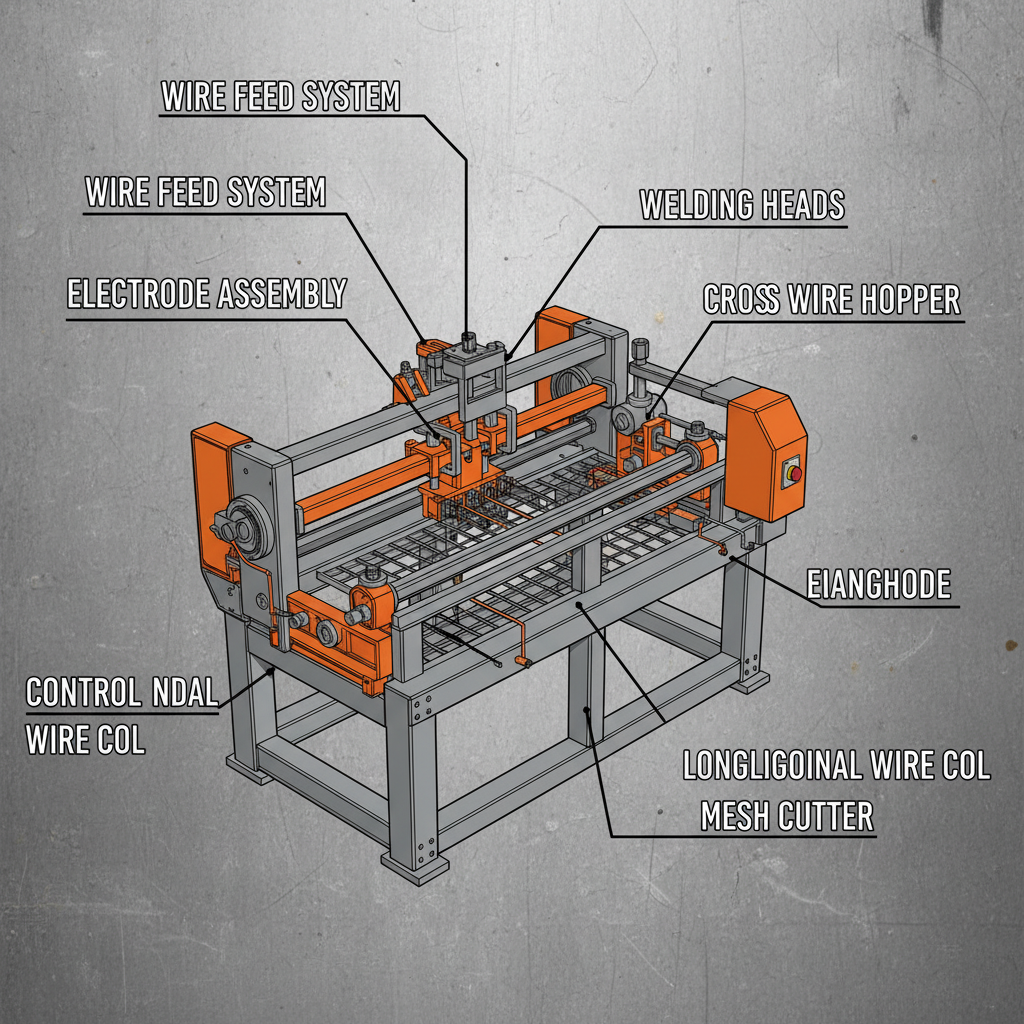
When evaluating wire mesh welders, consider several key features. Automation level is vital - from semi-automatic to fully automatic machines. Look for adjustable welding parameters such as current, voltage, and time, allowing for customization based on wire type and mesh size. Robust frame construction ensures durability and stability during operation. Integrated cooling systems prevent overheating and maintain consistent weld quality. User-friendly controls and interfaces simplify operation and minimize training time.
Essential Features:
• Automation Level (Semi-Automatic, Fully Automatic)
• Adjustable Welding Parameters
• Robust Frame Construction
• Integrated Cooling System
Spot welding and resistance welding are two common techniques for joining wire mesh. Spot welding uses localized heat to fuse the metal together, while resistance welding employs electrical resistance to generate heat at the joint. Resistance welding generally offers faster cycle times and stronger welds, making it suitable for high-volume production. Spot welding is often more cost-effective for smaller projects or applications where weld strength is less critical.
The cost of a wire mesh welder can vary significantly depending on several factors. Automation level is a major price driver, with fully automatic machines being more expensive than semi-automatic models. Welding capacity (the size and thickness of wire mesh it can handle) also impacts the price. Additional features like programmable controllers, automatic wire feeders, and cooling systems add to the overall cost. Finally, brand reputation and after-sales service also play a role in the pricing structure.
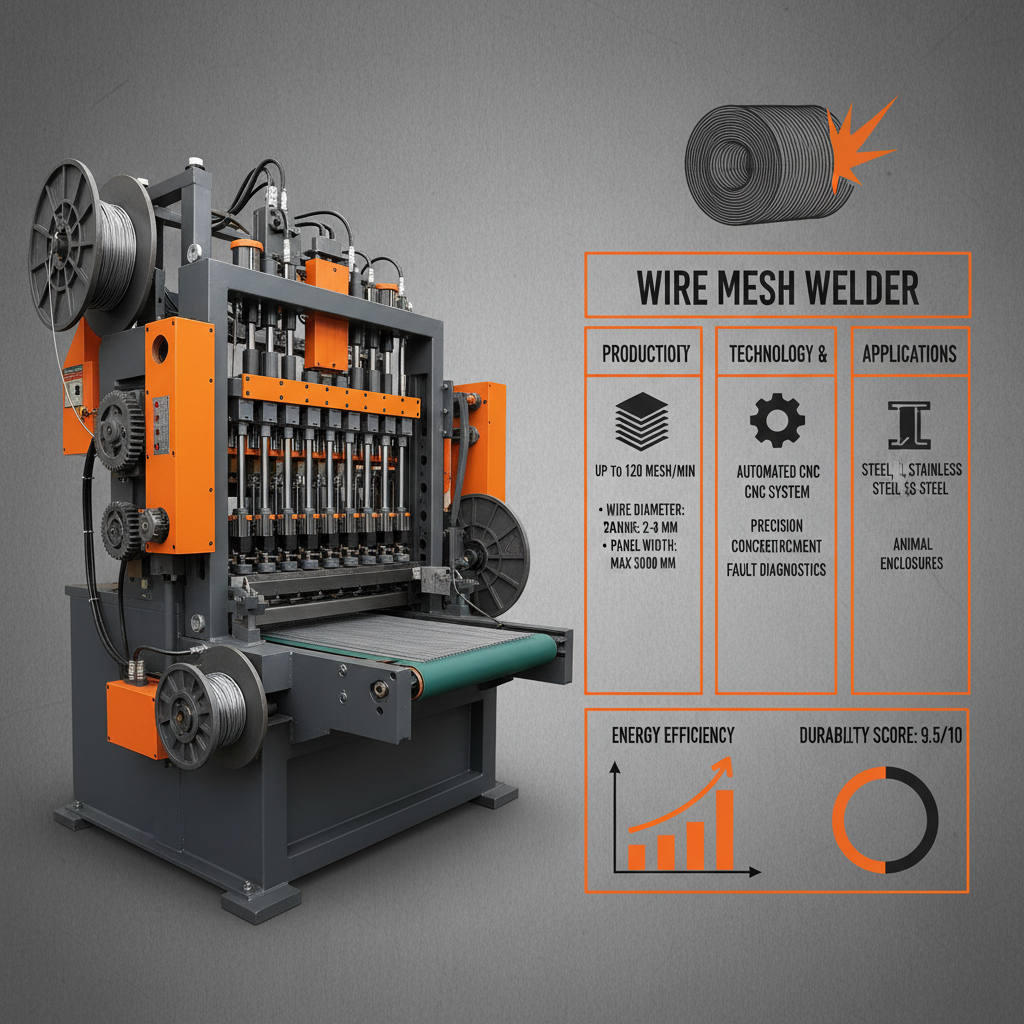
Selecting the ideal wire mesh welder requires careful consideration of your specific needs. Assess your production volume, the type of wire mesh you’ll be working with, and the required weld strength. Consider the available floor space and power supply. Evaluate your budget and the long-term cost of ownership (including maintenance and operating expenses). Consult with industry experts and request quotes from multiple suppliers. Mesh Machinery offers tailored solutions and expert guidance to help you make the right investment.
Investing in a high-quality wire mesh welder is a strategic decision that can significantly improve your production efficiency, product quality, and profitability. By carefully evaluating your needs, considering the key features outlined in this guide, and partnering with a reputable supplier, you can find the perfect welding solution for your business.
Our wire mesh welders are designed to handle a wide variety of wire materials, including carbon steel, stainless steel, aluminum, and galvanized wire. They can accommodate different mesh sizes and thicknesses, typically ranging from fine mesh used in insect screens to heavier gauge wire used in security fencing. The specific capabilities depend on the model and its welding capacity. We offer machines tailored for specific mesh types, ensuring optimal weld quality and efficiency.
Power requirements vary depending on the welder's size and capabilities. Smaller, semi-automatic welders typically require a 220V single-phase power supply, while larger, fully automatic machines may require a 480V three-phase power supply. It’s essential to verify the specific power requirements of the machine before installation to ensure your facility can provide adequate power.
Regular maintenance is crucial for ensuring the longevity and optimal performance of your wire mesh welder. This includes cleaning the welding electrodes, inspecting and replacing worn parts (such as tips and guides), lubricating moving components, and checking the cooling system. Following the manufacturer’s recommended maintenance schedule will help prevent breakdowns and minimize downtime.
Yes, Mesh Machinery provides comprehensive training programs for operating and maintaining our wire mesh welders. These programs cover everything from basic operation and safety procedures to advanced troubleshooting and maintenance techniques. We offer both on-site training and remote training options to suit your needs.
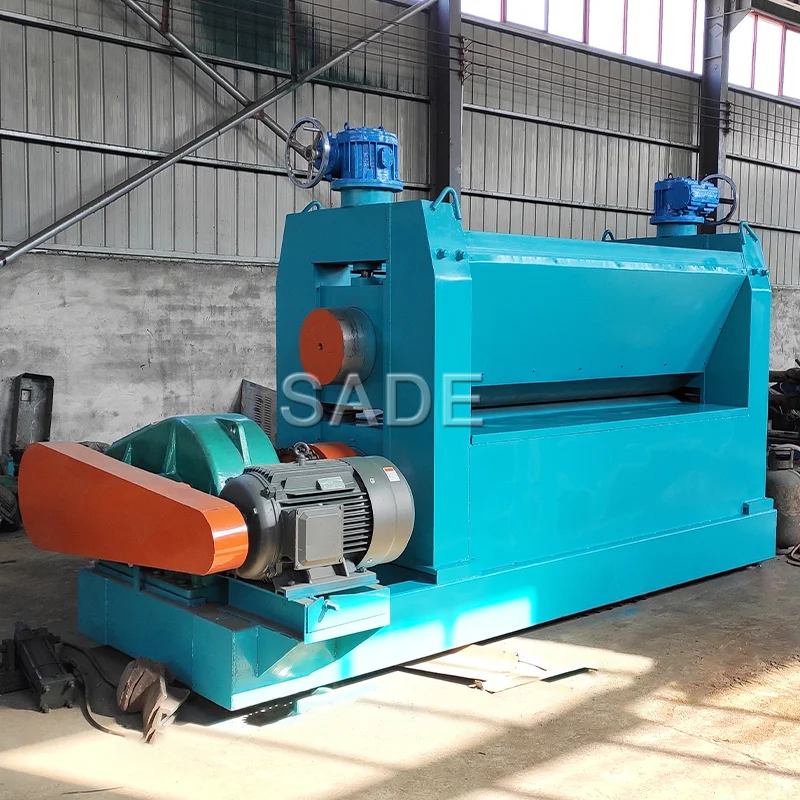
ZPJ Metal Mesh Flatting Machine
ZPJ metal mesh flatting machine is special designed for expanded metal flatting.It’s a corollary equipment of expanded metal machine. It can make expanded wire-mesh smoothly.And the flattened expanded metal have much more widely different applications.
Apr 24, 2026
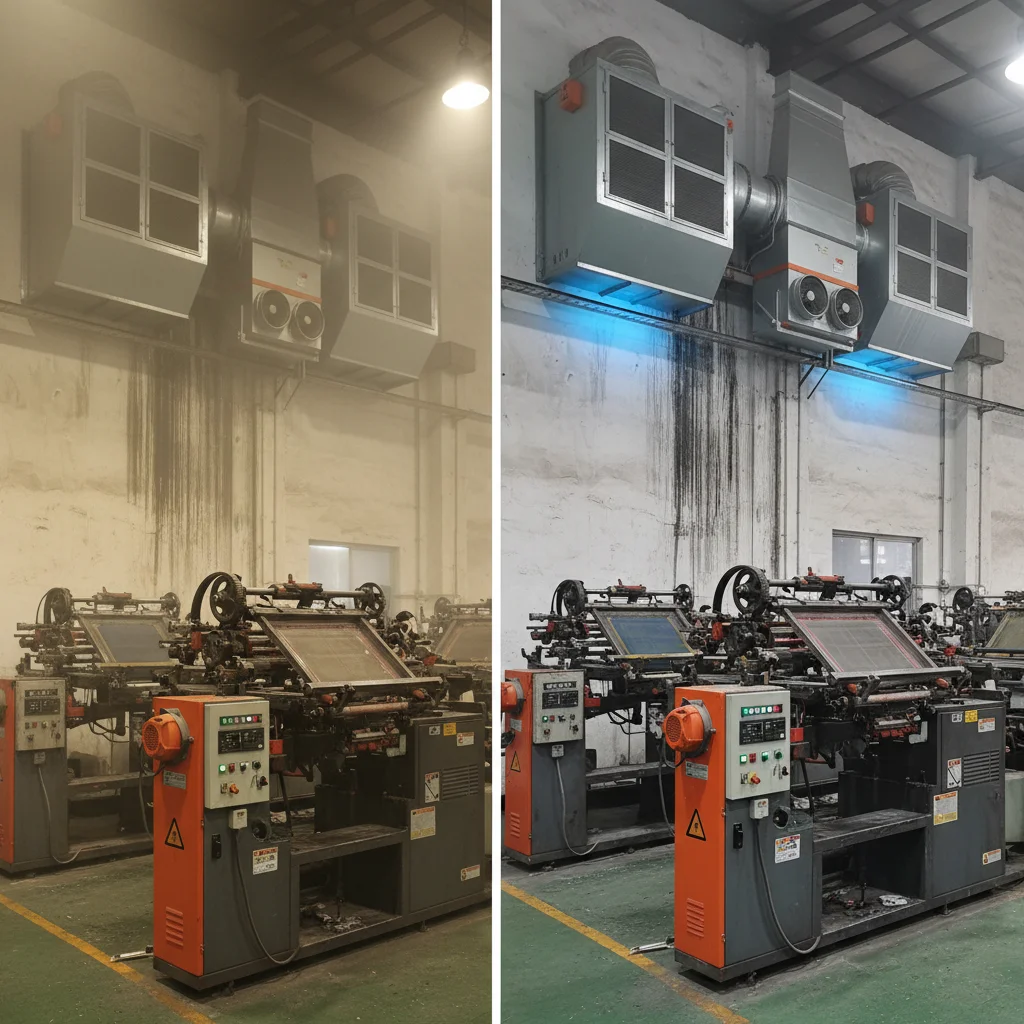
Industrial Wall Mounted Air Filtration for Clean Work Environments