
March 28, 2026
Selecting the optimal wire mesh cutter machine is a crucial step in streamlining your production process. Whether you're involved in construction, agriculture, animal husbandry, or industrial manufacturing, a reliable and efficient cutter ensures precision, reduces labor costs, and enhances overall productivity. This article will guide you through the key considerations when choosing a wire mesh cutter, exploring different types, applications, and features to help you make an informed decision. Understanding your specific needs will be essential for maximizing your investment.
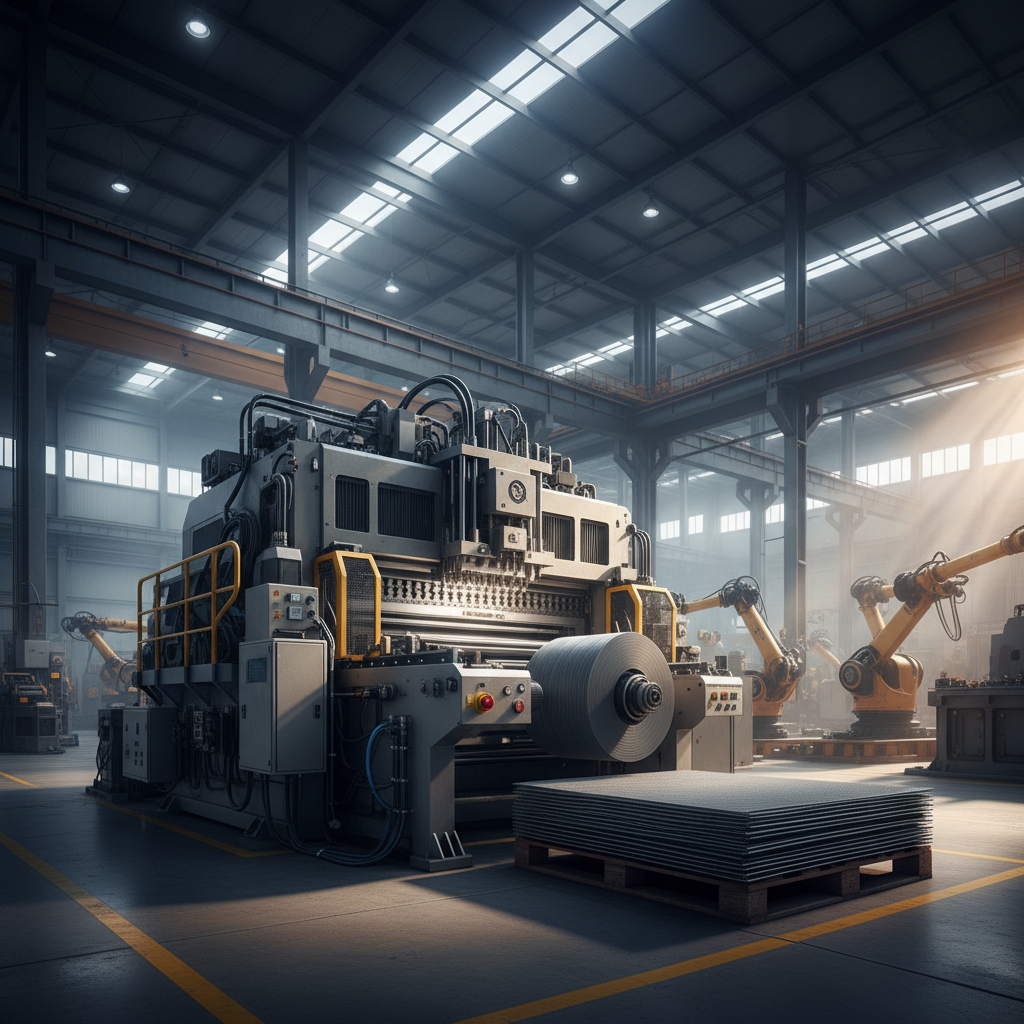
There are several types of wire mesh cutter machines available, each suited for different applications and mesh types. Manual cutters are ideal for small-scale operations and occasional use, offering portability and affordability. Semi-automatic cutters provide increased efficiency with a foot pedal or lever operation, suitable for moderate production volumes. Fully automatic cutters, often equipped with PLC controls, are designed for high-volume production and offer precision cutting with minimal operator intervention. Choosing the right type depends on your production requirements, budget, and the types of wire mesh you need to cut.
Key Considerations: Evaluate your production volume, mesh type, and desired level of automation to select the appropriate cutter machine.
Different types of wire mesh require different cutting techniques. Galvanized steel mesh, stainless steel mesh, and PVC coated mesh all possess unique characteristics that impact cutter blade selection and machine settings. Some cutters are specifically designed for hard materials like stainless steel, while others are better suited for softer materials like PVC-coated mesh. Using the wrong blade or settings can result in damaged mesh, reduced cutting efficiency, and premature blade wear. Therefore, understanding the properties of your mesh is vital when choosing a wire mesh cutter machine. Meshmachinery.com provides cutters suitable for a wide range of mesh types.
Mesh Type Considerations:
• Galvanized Steel: Requires durable blades to prevent corrosion.
• Stainless Steel: Demands high-strength blades designed for hard materials.
• PVC Coated: Requires blades that minimize coating damage.
When evaluating different wire mesh cutter machines, consider features such as blade material (high-speed steel, carbide, etc.), cutting precision, ease of operation, safety features, and maintenance requirements. A robust frame and durable components are essential for long-term reliability. Look for machines with adjustable cutting lengths and widths to accommodate various mesh sizes. Safety guards and emergency stop mechanisms are crucial for protecting operators. Finally, consider the availability of spare parts and technical support.
Wire mesh cutter machines are indispensable across numerous industries. In agriculture, they’re used for cutting netting for crop protection and animal enclosures. Construction utilizes them for cutting rebar ties and mesh for concrete reinforcement. The animal husbandry sector employs them for creating cages and fencing. Manufacturing industries rely on them for producing filters, screens, and other mesh-based components. Choosing a machine tailored to the specific demands of your industry will optimize performance and ensure long-term value. Meshmachinery.com caters to a diverse range of industrial applications.
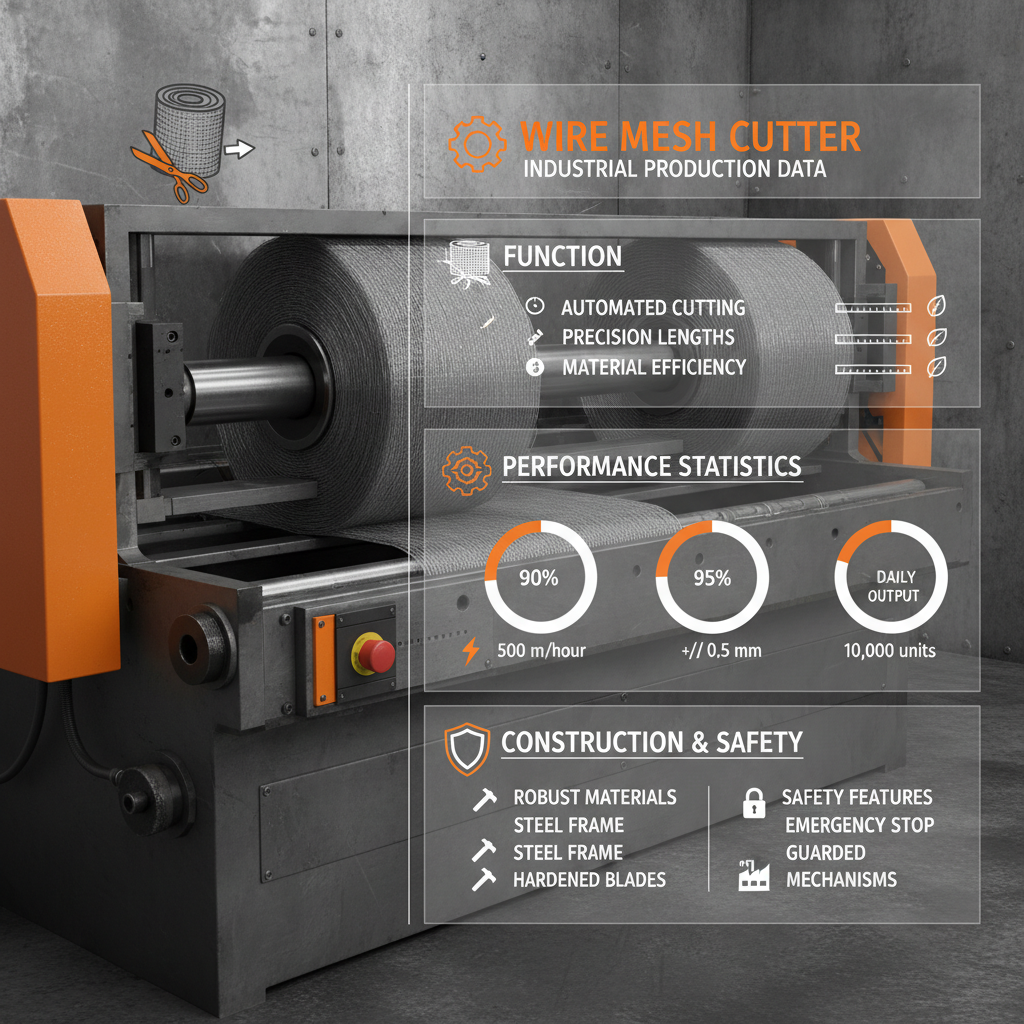
Understanding the specifications of different wire mesh cutter machines is vital. Key specifications include maximum cutting width, maximum cutting thickness, cutting speed, motor power, and overall machine dimensions. Consider your specific production needs and choose a model that can handle the size and thickness of the mesh you'll be working with. Refer to the manufacturer's specifications and compare different models to ensure compatibility with your operations.
Choosing the right wire mesh cutter machine is a significant investment that can yield substantial benefits. By carefully considering your specific needs, mesh types, and production volumes, you can select a machine that enhances efficiency, reduces costs, and improves product quality. Meshmachinery.com offers a comprehensive range of solutions to meet diverse industrial requirements. Don't hesitate to contact their experts for personalized guidance and support.
Regular maintenance is crucial for ensuring the longevity and optimal performance of your wire mesh cutter machine. This includes lubricating moving parts, sharpening or replacing blades as needed, and inspecting for any signs of wear or damage. Cleaning the machine regularly to remove debris and metal filings is also essential. Refer to the manufacturer's manual for specific maintenance recommendations. Neglecting maintenance can lead to reduced cutting efficiency, increased downtime, and potential safety hazards.
Safety is paramount when operating a wire mesh cutter machine. Always wear appropriate personal protective equipment (PPE), including safety glasses, gloves, and ear protection. Ensure the machine is properly grounded and that all safety guards are in place. Never attempt to cut mesh that exceeds the machine's capacity. Keep hands and fingers away from the cutting area during operation. Disconnect the power supply before performing any maintenance or repairs. Always follow the manufacturer's safety guidelines.
Selecting the right blade is crucial for efficient and clean cutting. Consider the material and hardness of the wire mesh. For softer materials like PVC-coated mesh, a standard steel blade may suffice. However, for harder materials like stainless steel or galvanized steel, you'll need a high-speed steel or carbide blade. Consult the machine manufacturer or a blade supplier for recommendations based on your specific mesh type. Using the wrong blade can damage the mesh and shorten blade life.
Lead times for wire mesh cutter machines can vary depending on the model, customization options, and current production schedules. Typically, standard models are in stock and can ship within a few weeks. Customized machines or those with specific configurations may have longer lead times, ranging from several weeks to a few months. It's best to contact Meshmachinery.com directly to obtain an accurate estimate for your specific requirements.
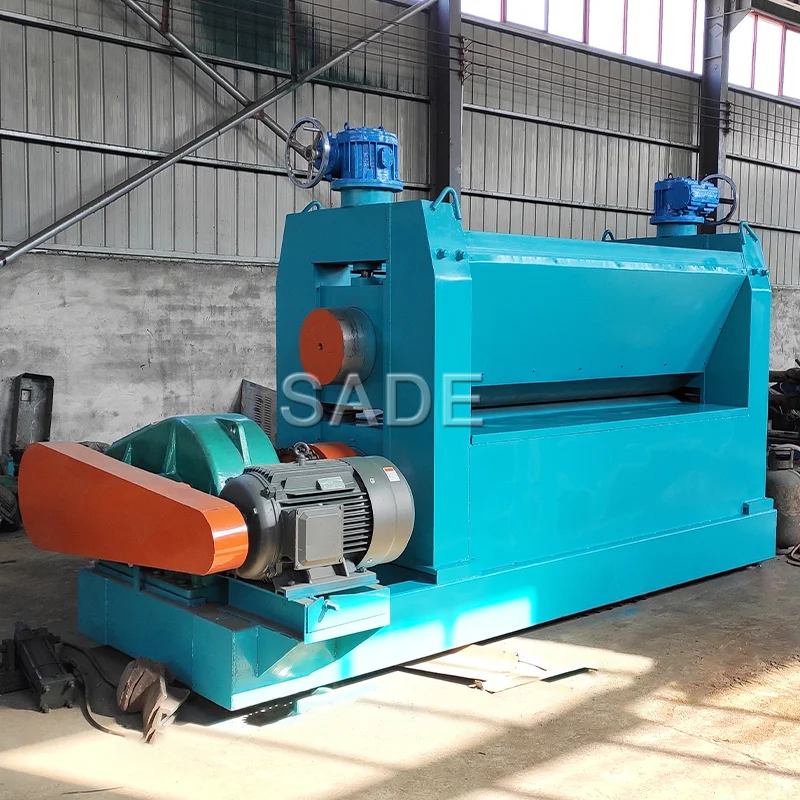
ZPJ Metal Mesh Flatting Machine
ZPJ metal mesh flatting machine is special designed for expanded metal flatting.It’s a corollary equipment of expanded metal machine. It can make expanded wire-mesh smoothly.And the flattened expanded metal have much more widely different applications.
Apr 24, 2026
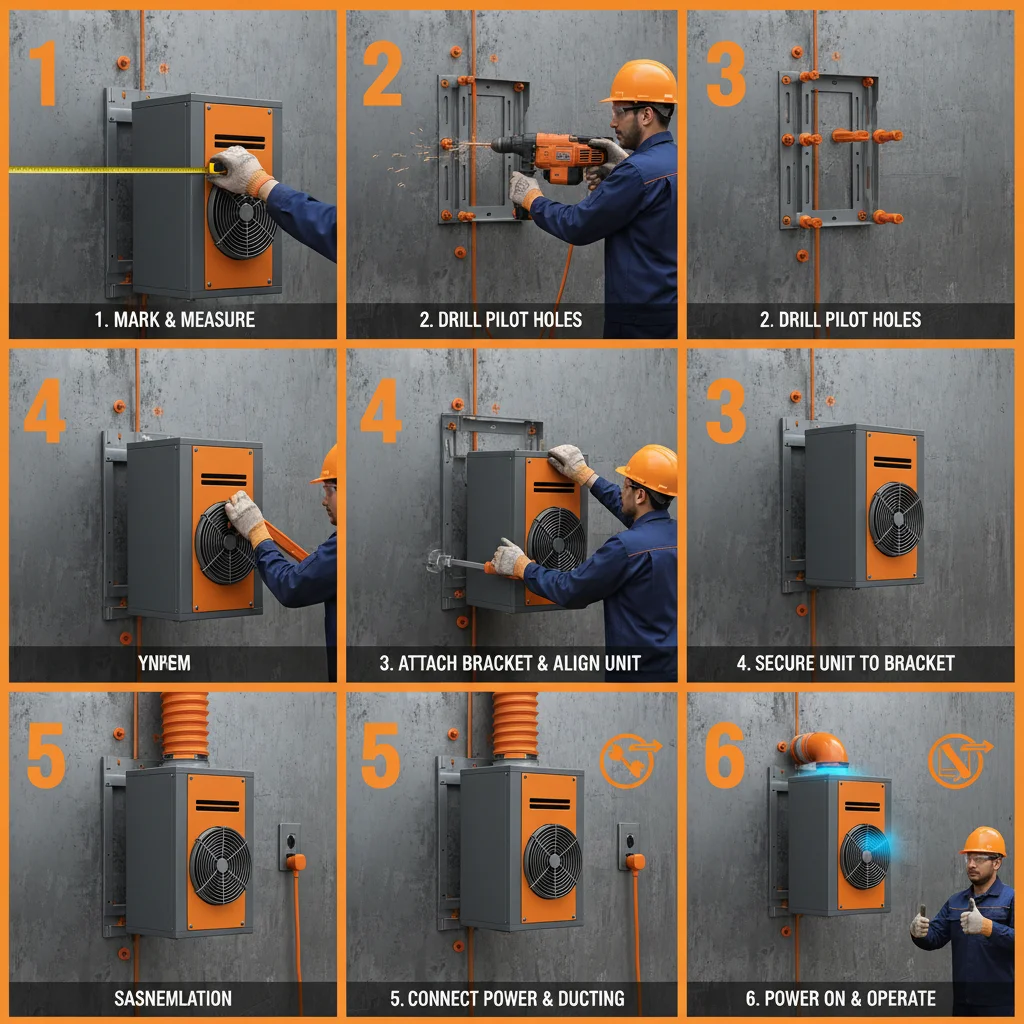
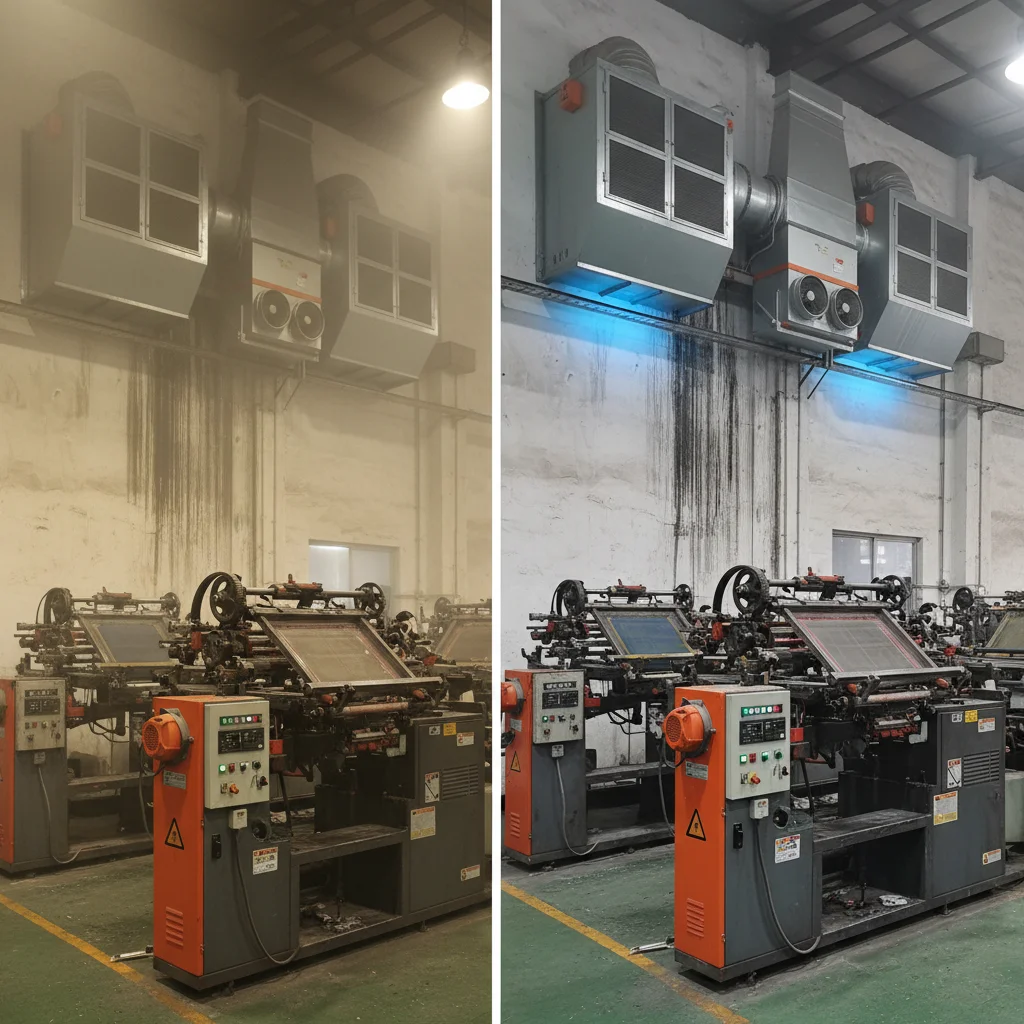
Industrial Wall Mounted Air Filtration for Clean Work Environments