
March 31, 2026
Understanding the wire mesh machine price landscape is crucial for businesses looking to invest in this essential equipment. Prices vary widely based on machine type, automation level, and production capacity. This article provides a detailed overview of factors influencing cost, different machine types, and price ranges, helping you make an informed decision. We'll explore everything from basic manual machines to fully automated, high-output systems.
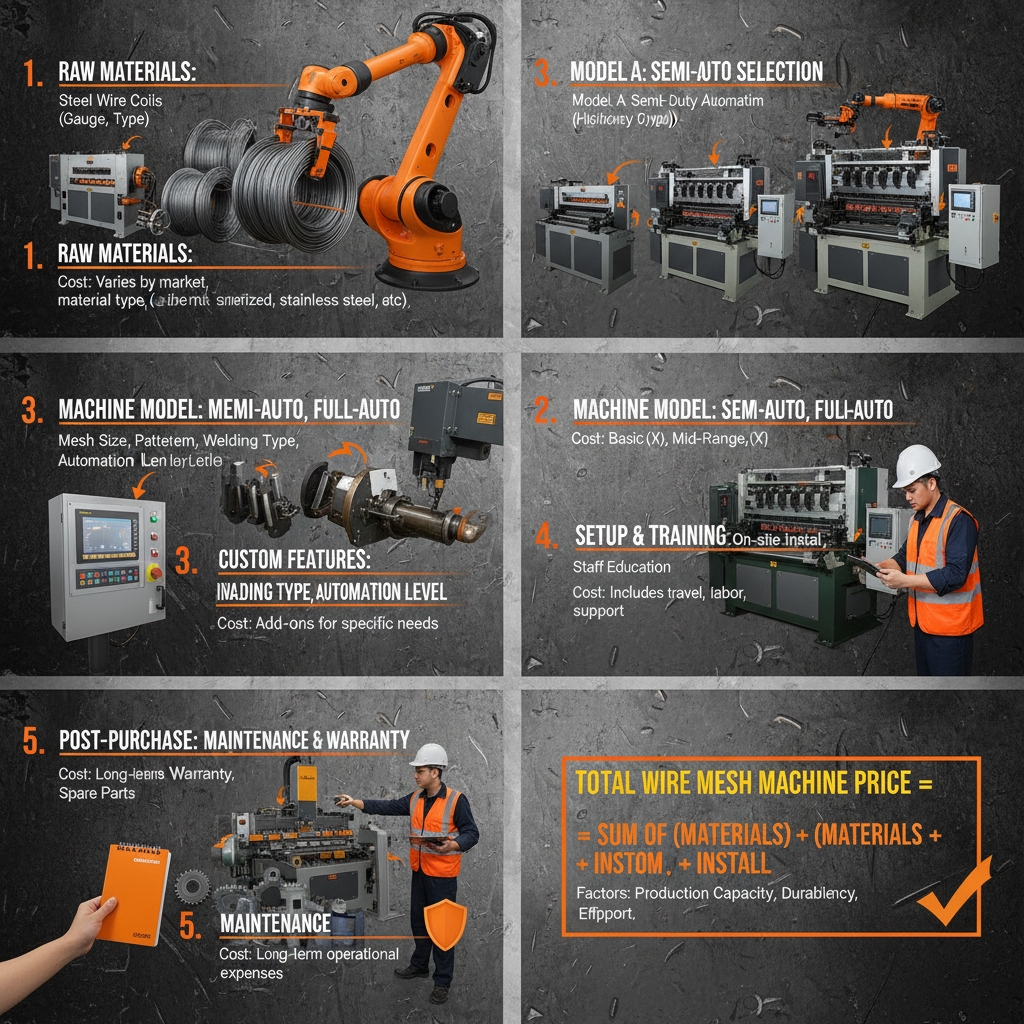
Several key factors determine the price of a wire mesh machine. The most significant is the level of automation. Manual machines are the most affordable, requiring significant operator input. Semi-automatic machines offer a balance between cost and efficiency, while fully automatic machines, though expensive, deliver the highest throughput and reduced labor costs. Another crucial factor is the machine’s capacity – how much mesh can it produce per hour? Larger capacity machines naturally command a higher price. Finally, the type of mesh the machine produces (e.g., hexagonal, square, crimped) impacts the complexity and cost of the machine.
Key Influencers: Automation level, production capacity, and the type of mesh produced all significantly impact the price.
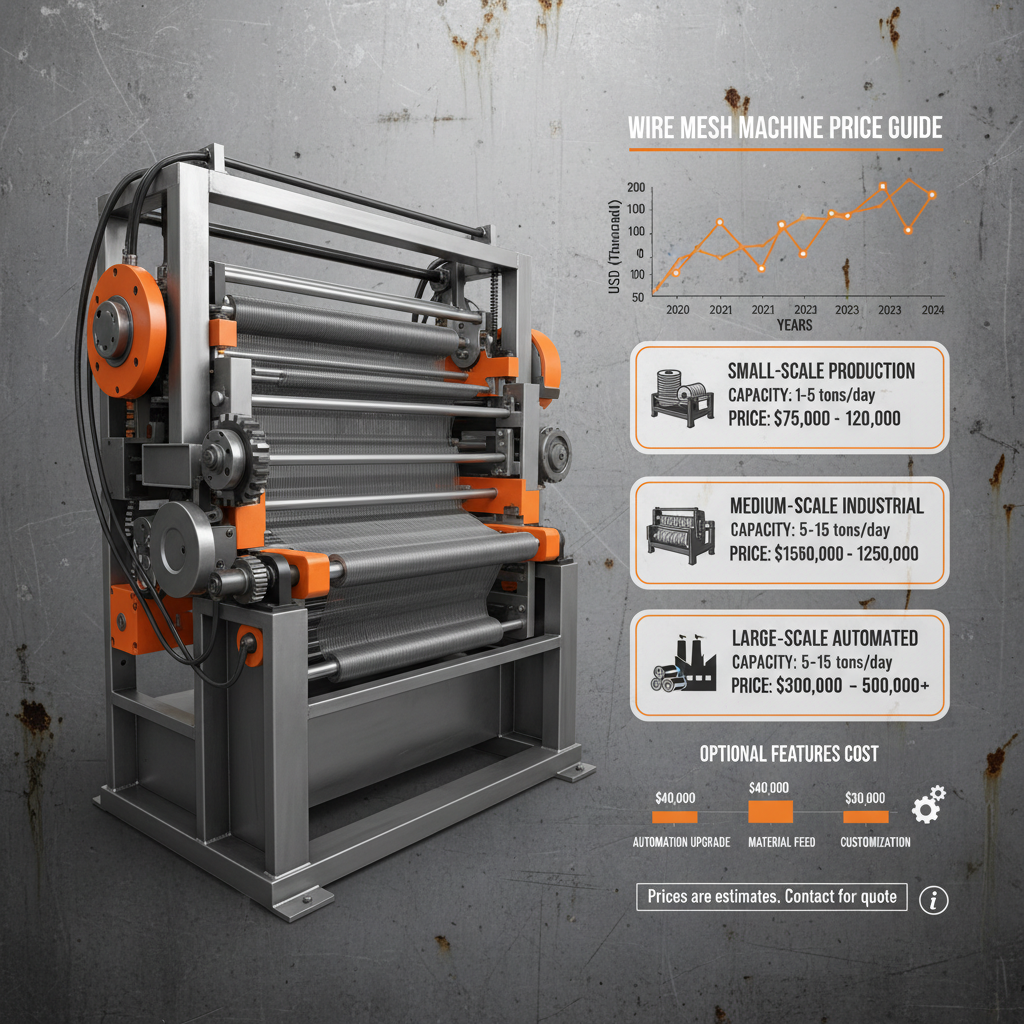
The market offers a diverse range of wire mesh machines, each suited for different applications and budgets. Here’s a breakdown of common types and their approximate price ranges. These are estimates and can vary based on the manufacturer and specific features. Visiting Meshmachinery.com can provide accurate quotes for your specific needs.
A machine’s production capacity directly affects its price. Machines designed for high-volume output necessitate more robust components, advanced control systems, and often a higher degree of automation. For example, a small, manual hexagonal mesh machine might produce only a few rolls per day, while a large, fully automatic machine can produce hundreds. Understanding your required output is therefore critical when evaluating wire mesh machine prices.
While the initial investment in a fully automatic machine is significantly higher, consider the long-term return on investment (ROI). Reduced labor costs, increased production speed, and consistent product quality can quickly offset the initial expense. Manual machines might have a lower upfront cost, but ongoing labor costs and potential quality inconsistencies can impact profitability. A thorough cost-benefit analysis is essential before making a purchase. Don't forget to factor in maintenance costs and the lifespan of the machine when calculating ROI.
Selecting a reputable supplier is paramount. Look for companies with a proven track record, positive customer reviews, and comprehensive after-sales support. Meshmachinery.com offers a wide selection of machines, competitive pricing, and expert guidance to help you choose the right solution for your needs. Consider factors like warranty, spare parts availability, and the supplier's ability to provide technical assistance.
Ultimately, the ideal wire mesh machine depends on your specific requirements and budget. By carefully considering the factors discussed in this article, you can make an informed decision that maximizes your investment and contributes to your business's success. Don't hesitate to seek expert advice and request quotes from multiple suppliers.
Lead times can vary significantly based on the machine type, customization requirements, and the supplier's production schedule. Generally, for standard machines, you can expect a lead time of 4-8 weeks. However, fully customized machines may require 12 weeks or longer. It’s crucial to confirm the lead time with the supplier before placing your order to ensure it aligns with your project timeline. Consider potential shipping times as well, especially for international orders.
Regular maintenance is crucial for ensuring the longevity and optimal performance of your wire mesh machine. This typically includes lubricating moving parts, checking and tightening bolts, cleaning the machine, and inspecting electrical connections. More complex machines may require specialized maintenance performed by a qualified technician. Following the manufacturer's recommended maintenance schedule is vital to prevent breakdowns and costly repairs.
Many suppliers, including Meshmachinery.com, offer financing options to help businesses acquire the equipment they need. These options may include leasing, installment plans, or loans. The availability and terms of financing will vary depending on your creditworthiness and the supplier's policies. Exploring financing options can make a significant investment more manageable.
Most wire mesh machine manufacturers offer a warranty period, typically ranging from 12 to 24 months. The warranty covers defects in materials and workmanship. However, it's important to carefully review the warranty terms and conditions, as coverage may vary. Some warranties may exclude certain components or types of damage. A comprehensive warranty provides peace of mind and protects your investment.
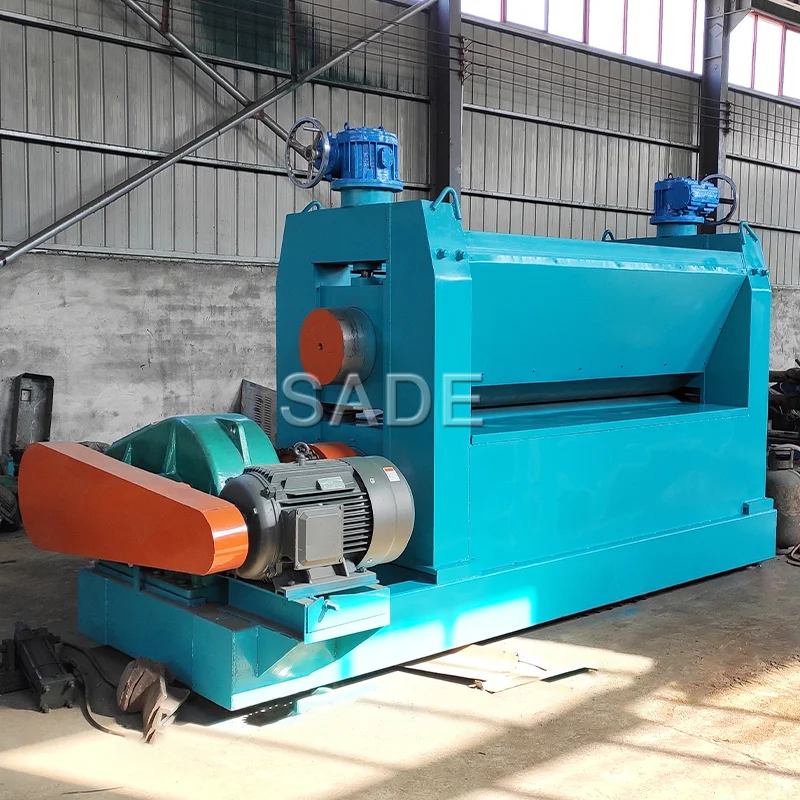
ZPJ Metal Mesh Flatting Machine
ZPJ metal mesh flatting machine is special designed for expanded metal flatting.It’s a corollary equipment of expanded metal machine. It can make expanded wire-mesh smoothly.And the flattened expanded metal have much more widely different applications.
Apr 24, 2026
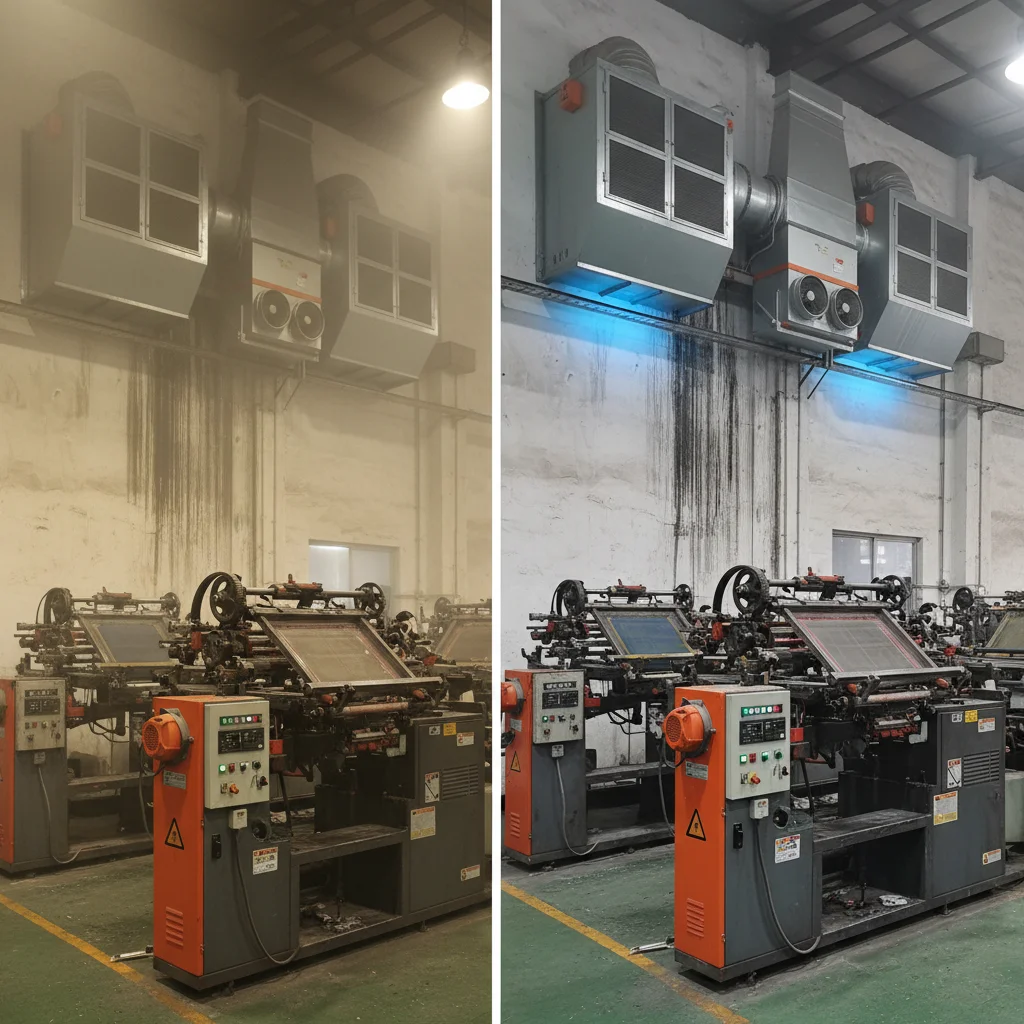
Industrial Wall Mounted Air Filtration for Clean Work Environments