
April 04, 2026
In the world of construction, agriculture, and various industrial applications, wire mesh plays a crucial role. From reinforcing concrete to creating animal enclosures, its versatility is undeniable. While automated machinery dominates large-scale production, the manual wire mesh making machine remains a viable and often preferred option for smaller operations, custom projects, and regions with limited access to power. This article will explore the benefits, applications, and considerations surrounding these machines, offering a comprehensive guide for potential buyers. Choosing the right machine ensures you can meet your wire mesh needs efficiently and cost-effectively.
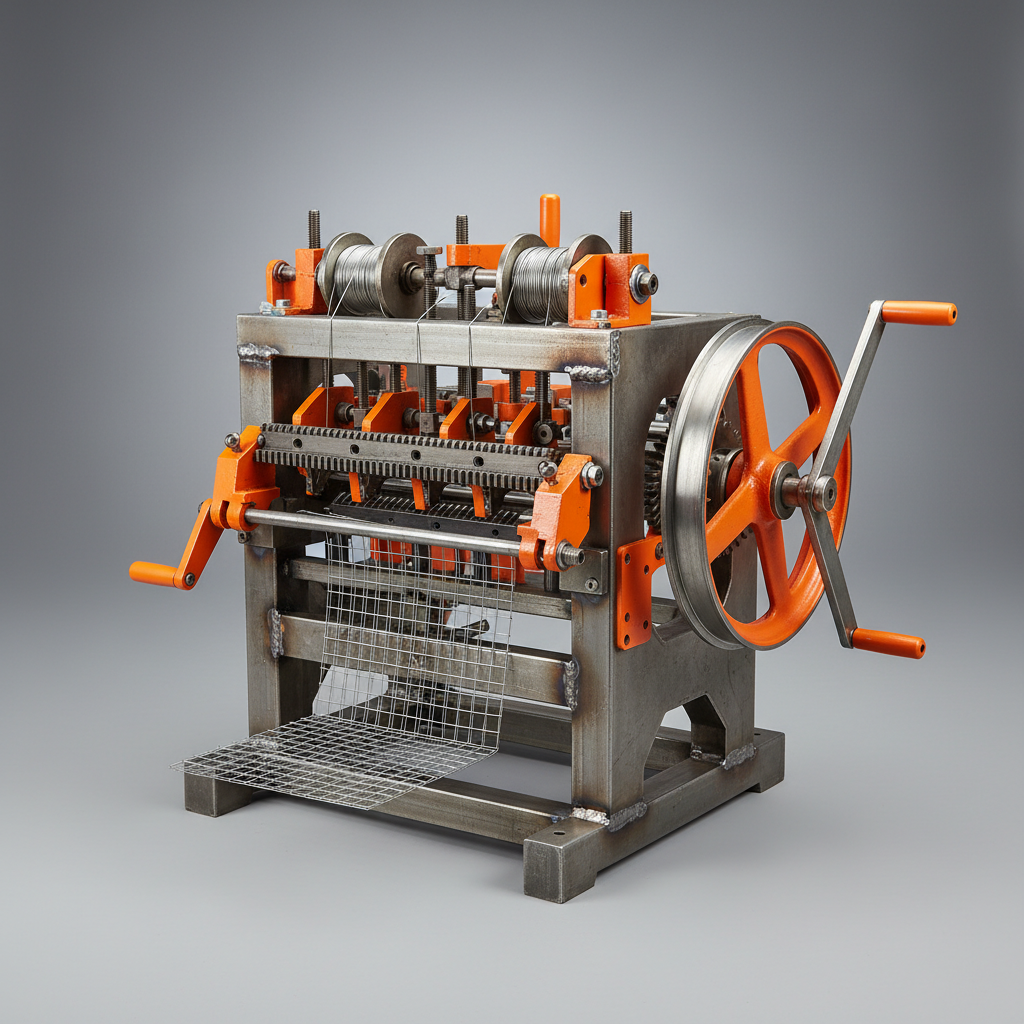
Manual wire mesh machines offer several distinct advantages, particularly for small businesses or those operating in locations where electricity is unreliable or expensive. The initial investment cost is significantly lower than that of automated machines, making them accessible to a wider range of users. Furthermore, these machines are incredibly portable and require minimal setup, allowing for on-site mesh production. They are also simpler to operate and maintain, reducing the need for specialized training or technical expertise. Meshmachinery.com provides a range of these machines suitable for diverse applications.
Key Highlights: Lower initial investment, portability, simplified operation, and reduced maintenance requirements make manual machines ideal for small-scale production.
Most manual wire mesh making machines consist of a frame, a handle, and a set of interlocking plates or pins that guide the weaving process. The operator manually cranks the handle, which drives the weaving mechanism. The user feeds the wire through the guides, and the machine interlocks it to create the mesh. Common features include adjustable mesh size, allowing for customization, and a robust construction for durability. These machines are typically designed to handle a variety of wire types, including galvanized steel, stainless steel, and copper. They excel at producing mesh with smaller apertures and are often preferred for intricate designs.
Essential Components:
• Robust frame for stability
• Manual crank handle for operation
• Adjustable mesh size settings
• Wire feeding guides
Choosing between a manual and automated wire mesh machine depends on your production volume, budget, and specific needs. Automated machines offer significantly higher output and precision, but at a considerable cost. Manual machines are more affordable and versatile for smaller projects. Here's a comparison table to help you decide:
Manual wire mesh machines are incredibly versatile and can be used in a variety of applications. These include creating mesh for chicken coops, rabbit hutches, and other animal enclosures. They are also utilized in the construction industry for making plastering mesh, reinforcing mesh, and concrete formwork. Farmers use them for creating protective netting for crops. Furthermore, hobbyists and artisans often employ these machines for creating custom wire mesh sculptures and decorative pieces. The ability to create bespoke mesh sizes and shapes is a major advantage.
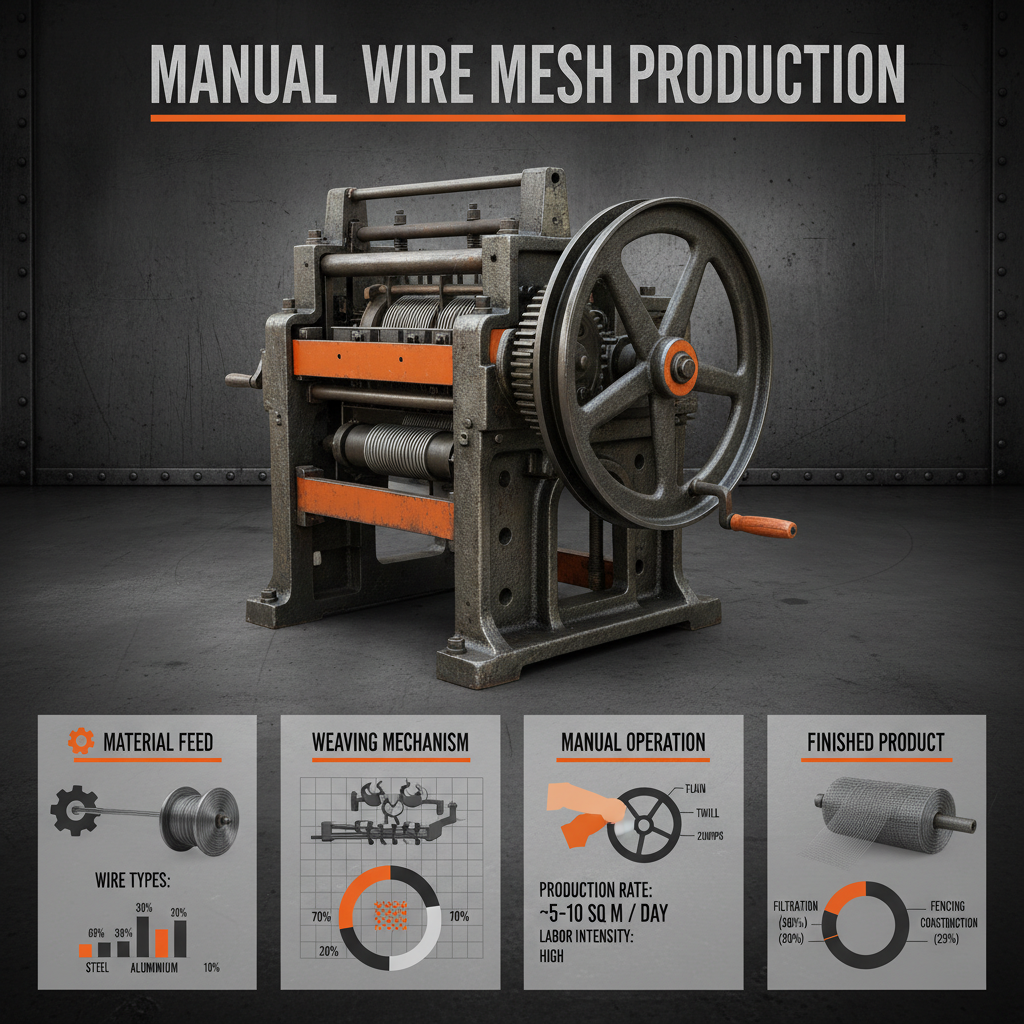
When selecting a manual wire mesh machine, consider the types of wire you'll be using, the desired mesh size, and the frequency of use. Look for a machine with a robust frame and durable components. Ensure the adjustment mechanisms are smooth and precise. Check the availability of spare parts and the manufacturer's reputation for customer support. Meshmachinery.com offers detailed specifications and expert advice to help you make the right choice. It’s important to also consider the warranty offered by the supplier.
The manual wire mesh making machine offers a cost-effective and versatile solution for a wide range of applications. Its simplicity, portability, and affordability make it an excellent choice for small businesses, farms, and DIY enthusiasts. By carefully considering your needs and selecting a machine from a reputable supplier, you can enjoy the benefits of in-house mesh production.
Most manual mesh machines are designed to handle a variety of wire types, including galvanized steel, stainless steel, aluminum, and even copper wire. However, the machine’s specifications will dictate the maximum wire diameter it can accommodate. It's crucial to verify the machine’s compatibility with your intended wire type before purchase. Using wire that is too thick or too hard can damage the machine and void the warranty. Choosing a machine specifically designed for heavier-gauge wire may be necessary for certain applications.
Regular maintenance is essential for ensuring the longevity and optimal performance of your manual wire mesh machine. This includes lubricating moving parts with a suitable oil or grease, cleaning the machine after each use to remove wire debris, and inspecting the components for wear and tear. Tighten any loose bolts or screws regularly. Store the machine in a dry environment to prevent rust. Meshmachinery.com offers maintenance guides and spare parts to assist with upkeep.
Safety should always be a top priority. Always wear safety glasses to protect your eyes from flying wire fragments. Gloves are recommended to protect your hands from sharp edges. Be mindful of the moving parts and avoid inserting your hands or fingers into the mechanism while it’s in operation. Ensure the machine is placed on a stable and level surface before use. Never attempt to force the machine or use wire that exceeds its capacity.
Yes, one of the biggest advantages of a manual wire mesh machine is its ability to create custom mesh sizes. Most machines have adjustable settings that allow you to control the spacing between the wires. By adjusting these settings, you can produce mesh with the precise aperture size required for your specific application. This level of customization is often difficult to achieve with automated machinery, making manual machines ideal for specialized projects.
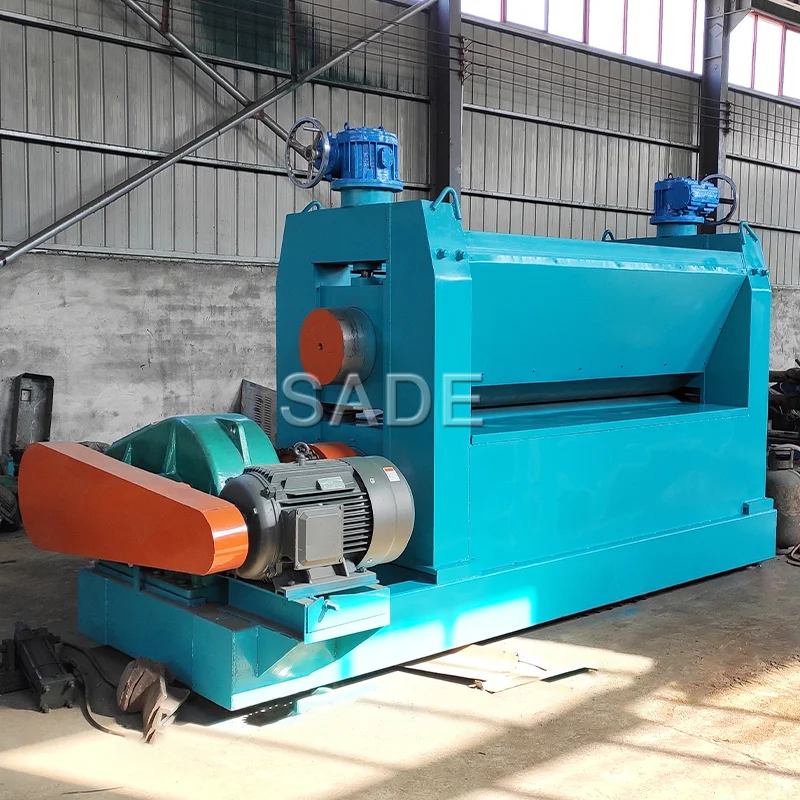
ZPJ Metal Mesh Flatting Machine
ZPJ metal mesh flatting machine is special designed for expanded metal flatting.It’s a corollary equipment of expanded metal machine. It can make expanded wire-mesh smoothly.And the flattened expanded metal have much more widely different applications.
Apr 24, 2026
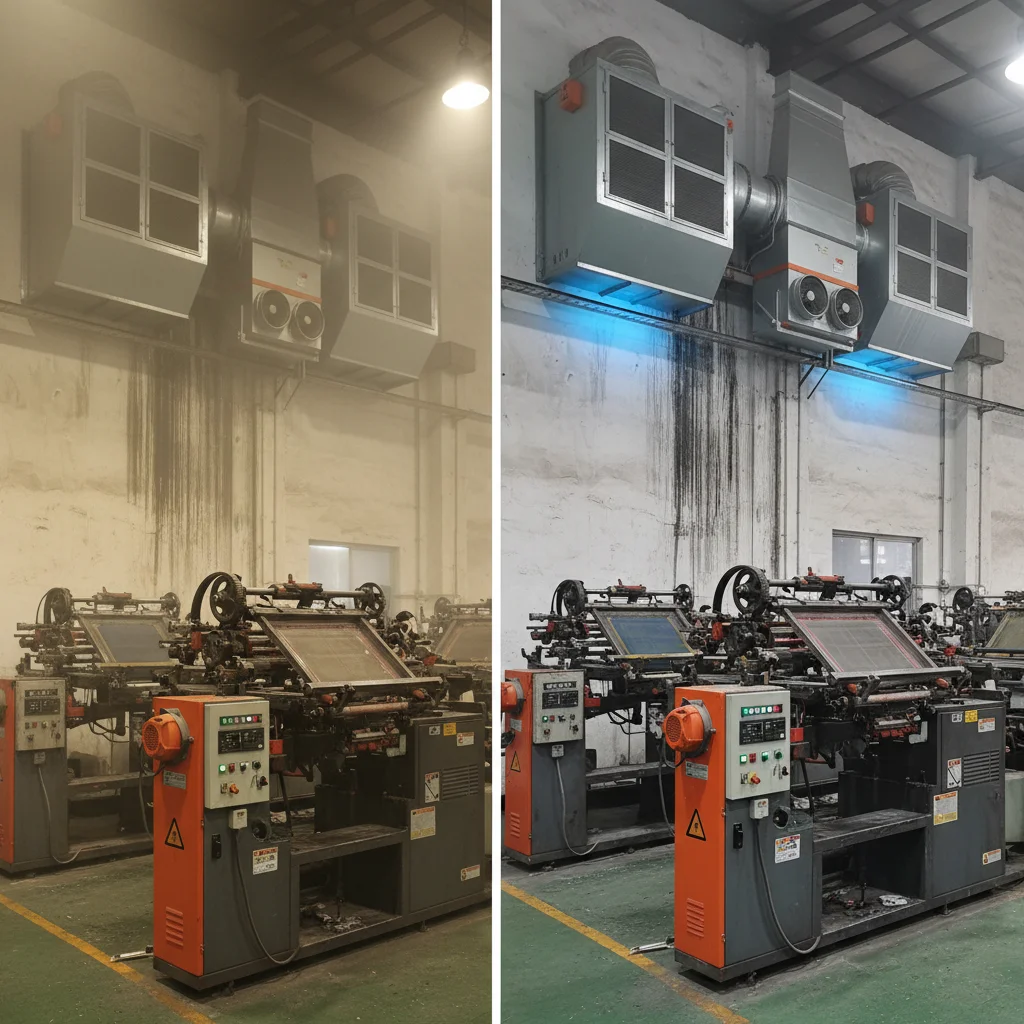
Industrial Wall Mounted Air Filtration for Clean Work Environments