
April 09, 2026
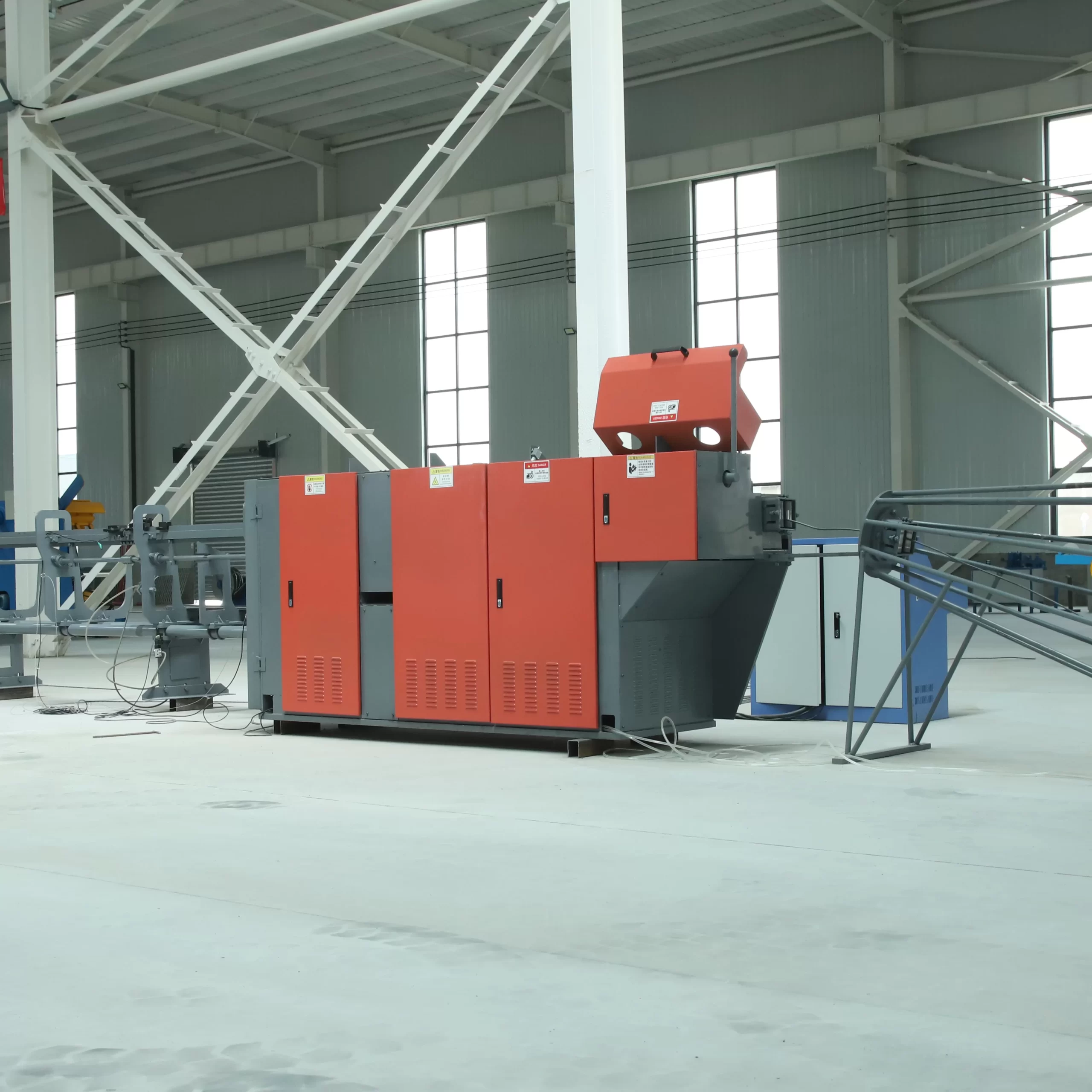
In the demanding world of metal fabrication, precision is everything. Whether you are dealing with stainless steel, copper, or aluminum, the quality of your end product depends heavily on the initial preparation of your raw materials. Searching for a high-quality wire straightening machine for sale is the first step toward optimizing your production line and reducing material waste. A professional straightening machine ensures that coiled wire is transformed into perfectly straight rods, ready for cutting or further processing. In this guide, we will explore the technical nuances, selection criteria, and the operational advantages of investing in the right machinery for your business.
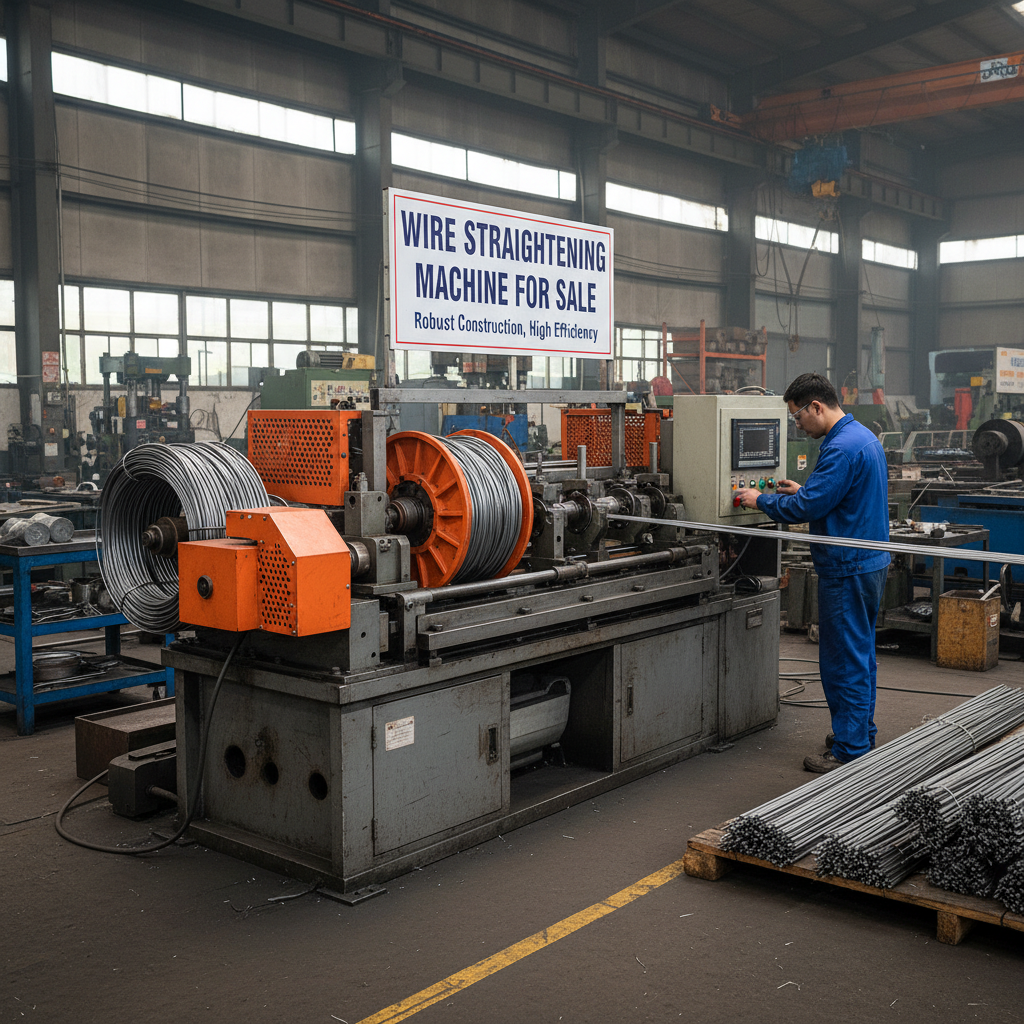
Most professional machines utilize a process known as two-plane bending. The wire is passed through a series of staggered rollers that intentionally bend the wire back and forth across two perpendicular axes. This process relieves the internal stresses created during the coiling process, effectively "neutralizing" the memory of the metal. When looking for a wire straightening machine for sale, it is essential to check the number of rollers; generally, the more rollers a machine has, the higher the precision and the smoother the final result.
Pro Tip: Always ensure that the rollers are made from high-grade tungsten steel or hardened chrome to prevent wear and tear when processing hard alloys.
Depending on your production volume, you may encounter different types of equipment. Manual machines are cost-effective for small shops with low throughput, while automatic systems are designed for industrial-scale operations. When browsing a wire straightening machine for sale, consider the integration of feeding and cutting units. Automatic machines significantly reduce labor costs and eliminate human error in measurement.
Not all machines are created equal. When evaluating a wire straightening machine for sale, you must align the technical specifications with your specific material requirements. The diameter of the wire you intend to process determines the size of the rollers and the strength of the frame. Using a machine that is too small for your wire gauge can lead to premature mechanical failure and poor straightening quality.
The versatility of these machines makes them indispensable across various sectors. In the automotive industry, straightened wires are used for chassis components and springs. The construction sector relies on them for reinforcing bars and mesh production. Furthermore, the electronics industry requires high-precision straightening for conductive pins and lead frames. Investing in a professional wire straightening machine for sale allows a facility to maintain a consistent quality standard regardless of the raw material's origin.
To help you make an informed decision, we have outlined a general specification guide typical of the high-performance models available. Always verify these details with the supplier to ensure the machine fits your specific wire diameter and material hardness.
To ensure your investment remains productive, a strict maintenance schedule is required. Lubrication of the bearings and rollers prevents friction and overheating. Regularly checking the alignment of the rollers ensures that the wire does not deviate, which would otherwise lead to inconsistent straightening. When you purchase a wire straightening machine for sale, ensure that you also secure a supply of wear parts and a comprehensive manual for calibration.
Choosing the right wire straightening machine for sale is more than just a purchase; it is an investment in the quality of your final product. By understanding the balance between manual and automatic systems, paying attention to roller specifications, and committing to a rigorous maintenance routine, you can drastically improve efficiency and reduce waste. Whether you are in the automotive, construction, or electronics sector, precision straightening is the cornerstone of professional metalwork.
Choosing the right diameter is critical because the roller gap and frame strength are engineered for specific ranges. You should identify the minimum and maximum diameter of the wire you use daily. If your production varies widely, a machine with adjustable rollers or interchangeable roller sets is recommended. Using wire that exceeds the machine's maximum capacity can cause permanent deformation of the rollers or motor burnout. Always refer to the technical specification sheet when searching for a wire straightening machine for sale to ensure it covers your entire operational range.
Yes, most machines can handle various metals like steel, copper, and aluminum. However, the "hardness" of the metal affects the roller wear. For example, stainless steel is much harder than aluminum and will wear down rollers faster. Some high-end machines allow you to switch rollers based on the material. It is important to adjust the pressure and speed settings when switching materials to avoid scratching the surface of softer metals or overloading the motor with harder ones.
While often used interchangeably, they are slightly different. Straightening typically refers to removing the curvature from a coiled wire (reducing the radius), whereas leveling often refers to removing "waves" or twists from a piece of material. A professional wire straightening machine for sale usually performs both functions by applying pressure in two planes, ensuring the wire is not only straight but also flat and without twists.
Roller lifespan depends entirely on the material processed and the volume of production. If you are processing abrasive materials or hard alloys, you may need to replace or regrind rollers every few months. For softer materials, they can last years. The primary sign that it is time for replacement is a noticeable decrease in straightening accuracy or visible grooves forming on the roller surface. Regular inspection and lubrication can extend the life of your rollers significantly.
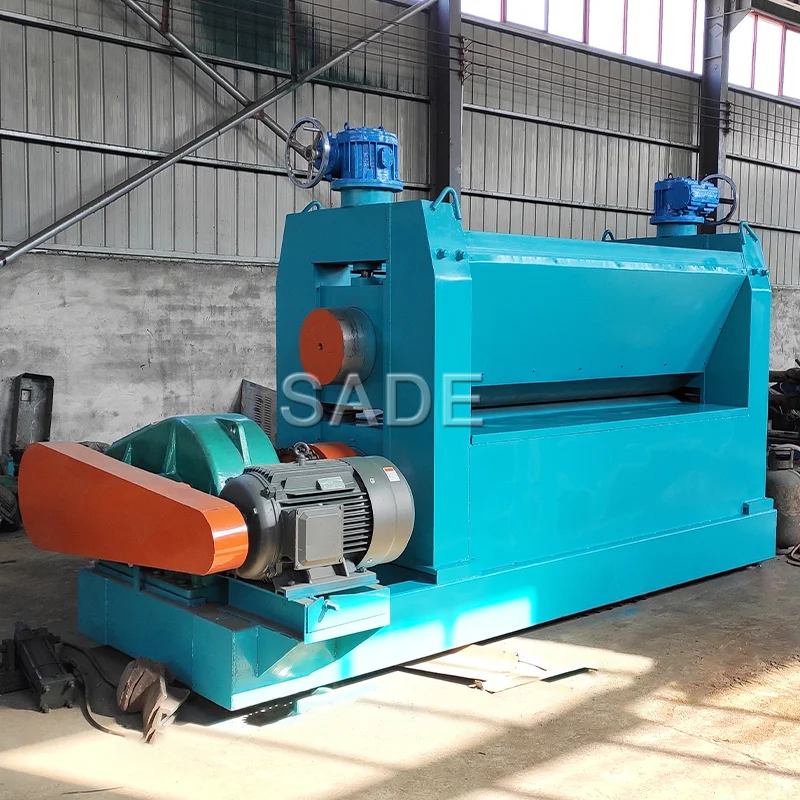
ZPJ Metal Mesh Flatting Machine
ZPJ metal mesh flatting machine is special designed for expanded metal flatting.It’s a corollary equipment of expanded metal machine. It can make expanded wire-mesh smoothly.And the flattened expanded metal have much more widely different applications.
Apr 24, 2026
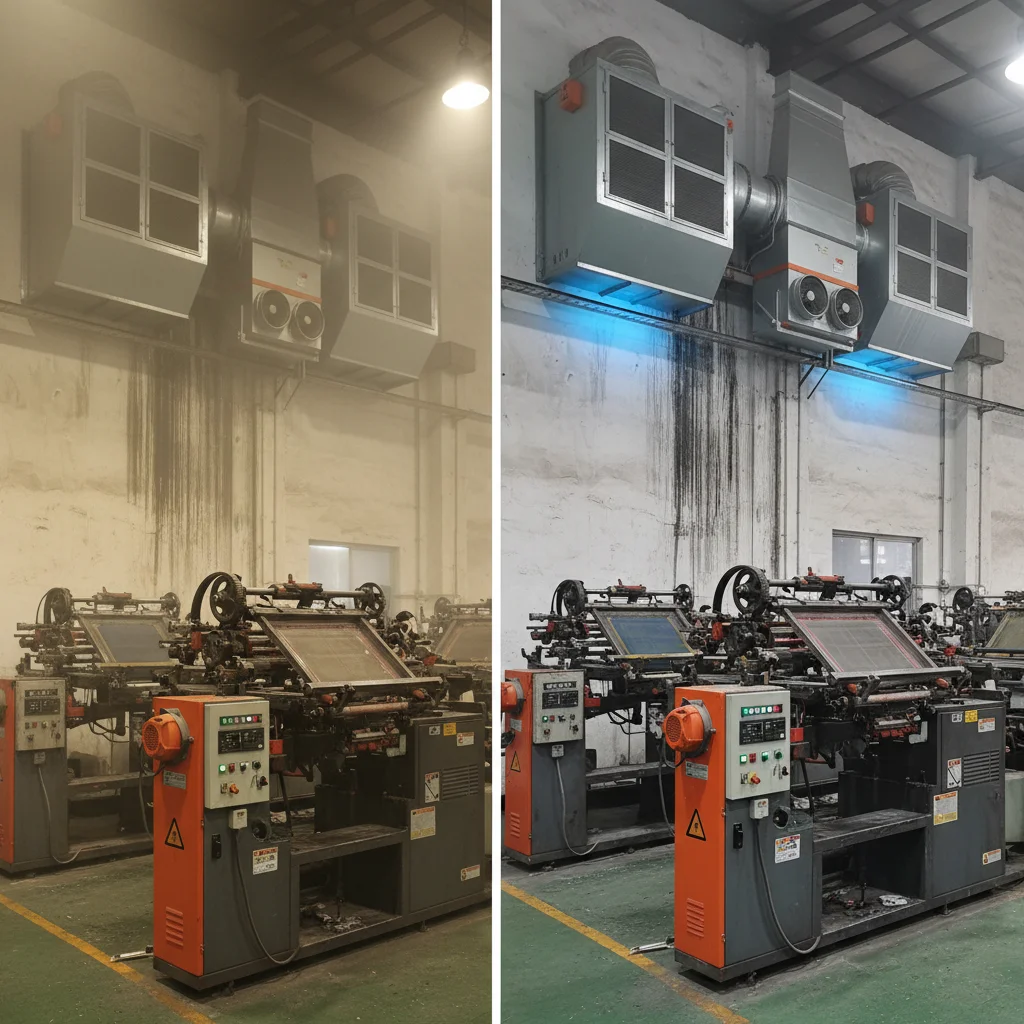
Industrial Wall Mounted Air Filtration for Clean Work Environments