
April 09, 2026
Investing in industrial fabrication equipment requires a careful balance between budget and performance. When researching the mesh welding machine price, it is essential to look beyond the initial sticker cost and evaluate the long-term value, production efficiency, and durability of the machine. Whether you are producing reinforced steel mesh for construction or fine wire panels for fencing, the cost varies significantly based on automation levels and technical specifications. In this guide, we will break down the pricing factors and help you choose the most cost-effective solution for your business.
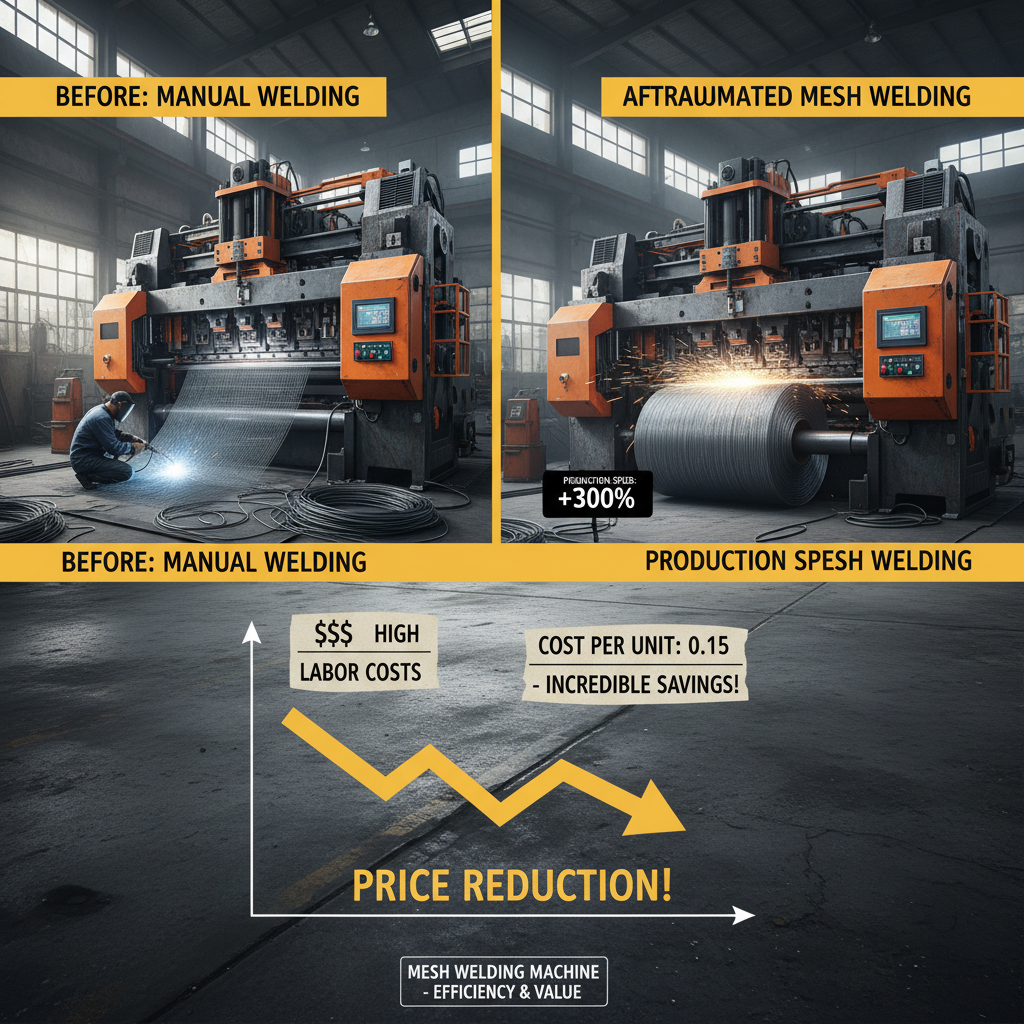
The cost of a welding system is not uniform; it is driven by several engineering variables. First, the level of automation plays a massive role. A manual or semi-automatic machine will have a lower entry price, whereas a fully automatic CNC line involves sophisticated PLC systems and servo motors, driving the price up. Second, the welding capacity—specifically the maximum wire diameter it can handle—determines the power requirements and the robustness of the frame. High-current transformers used in heavy-duty machines are significantly more expensive than those in light-duty models. Finally, the material quality of the machine's components ensures longevity and reduces downtime, which is a critical consideration when analyzing the mesh welding machine price.
Pro Tip: Always consider the "cost per unit produced" rather than just the purchase price. A more expensive, faster machine often yields a higher ROI through increased throughput.
To better understand how different configurations affect your investment, it is helpful to compare manual, semi-automatic, and fully automatic systems. Manual machines are ideal for small workshops with low volume. Semi-automatic machines offer a middle ground, reducing labor while keeping the mesh welding machine price manageable. Fully automatic lines are designed for industrial-scale production, integrating wire feeding, welding, and cutting into one seamless process. While the initial investment is higher, the labor savings and precision make them the gold standard for large enterprises.
When you request a quote for a mesh welding machine price, the technical specifications are what define the final number. For instance, the welding head configuration—whether it's a fixed number of electrodes or an adjustable array—affects the flexibility of the machine. High-precision PLC controllers from brands like Siemens or Mitsubishi increase the price but offer unparalleled stability and ease of programming. Additionally, the inclusion of automatic wire straightening and cutting units adds to the overall cost but eliminates the need for pre-processing the wire.
To provide a clearer picture of what you get at different price tiers, we have compiled a general specification table. These figures are representative of industry standards and can vary based on custom requirements. Understanding these metrics helps in comparing the mesh welding machine price across different suppliers to ensure you are getting a fair deal for the hardware provided.
When evaluating the mesh welding machine price, it is a mistake to ignore the operational expenses (OPEX). Energy efficiency is a primary concern; machines with modern inverter technology can reduce electricity consumption by 20-30%, significantly lowering your monthly utility bills. Additionally, the cost of replacement electrodes and the ease of machine calibration should be factored in. A machine that is slightly more expensive upfront but requires less frequent maintenance will save you thousands of dollars in labor and lost production time over five years.
To secure the best value, avoid the temptation to buy the cheapest machine on the market. Cheap machines often use inferior transformers that overheat or lack precise timing controls, resulting in weak welds and wasted material. Instead, focus on suppliers that offer comprehensive after-sales support, warranties, and installation training. Customizing your machine to fit your specific mesh pattern can also prevent the need for future upgrades, effectively locking in a better mesh welding machine price relative to the utility you receive.
Determining the right mesh welding machine price depends entirely on your production goals and budget constraints. While entry-level machines provide a low-risk start, fully automatic systems are the only way to scale a business in today's competitive industrial landscape. By prioritizing energy efficiency, automation levels, and build quality, you ensure that your equipment remains an asset rather than a liability. For professional guidance and a tailored quote, visiting a specialized manufacturer is the best first step toward optimizing your production line.
The price variance is primarily due to the difference in technology and scale. A small, manual machine only requires a basic transformer and a simple frame. In contrast, industrial-grade machines include CNC controllers, servo-driven feeding systems, automatic cutting units, and high-capacity water-cooling systems. Additionally, the wire diameter capacity significantly affects the cost; machines capable of welding 10mm+ wire require much heavier components and more power, which naturally increases the price compared to machines designed for 2mm wire.
Yes, choosing a semi-automatic machine is an excellent way to lower the initial investment while still increasing production speed over manual methods. These machines typically automate the welding process but require a human operator to load the wire or move the finished mesh. This reduces the cost of the control system and robotic arms. However, it is important to calculate the cost of the extra labor required. For many growing businesses, starting with a semi-automatic unit and upgrading later is a viable financial strategy.
Beyond the quoted mesh welding machine price, buyers should consider shipping and customs duties, as these machines are often heavy and shipped internationally. Installation and commissioning fees are also common, as a technician may need to calibrate the machine on-site. Finally, don't forget to budget for electricity upgrades—some high-power machines require 3-phase power and specialized industrial wiring to operate safely and efficiently.
A comprehensive warranty significantly adds to the value of the machine by mitigating the risk of expensive repairs during the first few years of operation. When comparing prices, a machine with a 2-year full warranty is often a better deal than a slightly cheaper one with only 6 months of coverage. Quality manufacturers stand by their components (especially the transformer and PLC), and a strong warranty is usually a sign of high build quality and confidence in the product's durability.
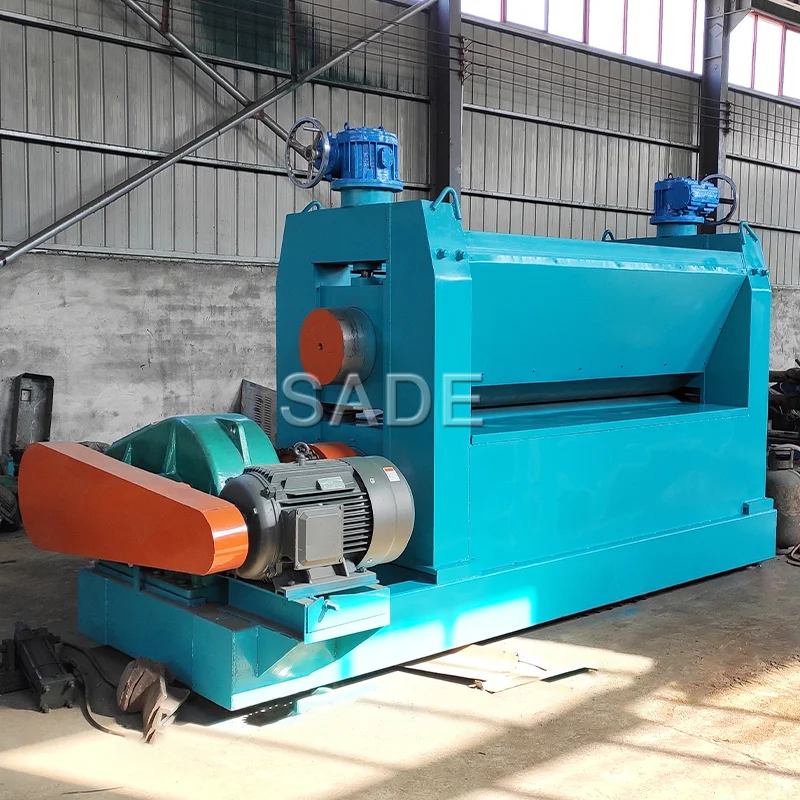
ZPJ Metal Mesh Flatting Machine
ZPJ metal mesh flatting machine is special designed for expanded metal flatting.It’s a corollary equipment of expanded metal machine. It can make expanded wire-mesh smoothly.And the flattened expanded metal have much more widely different applications.
Apr 24, 2026
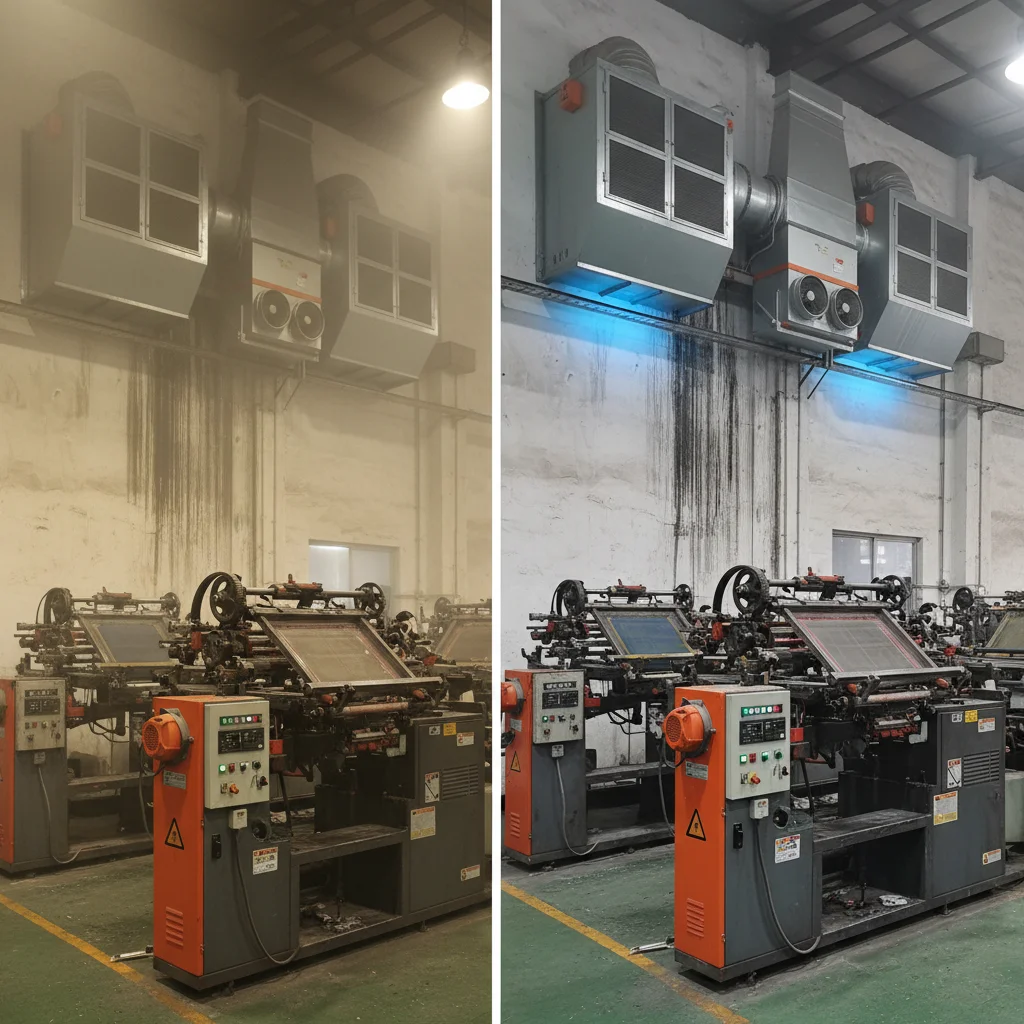
Industrial Wall Mounted Air Filtration for Clean Work Environments