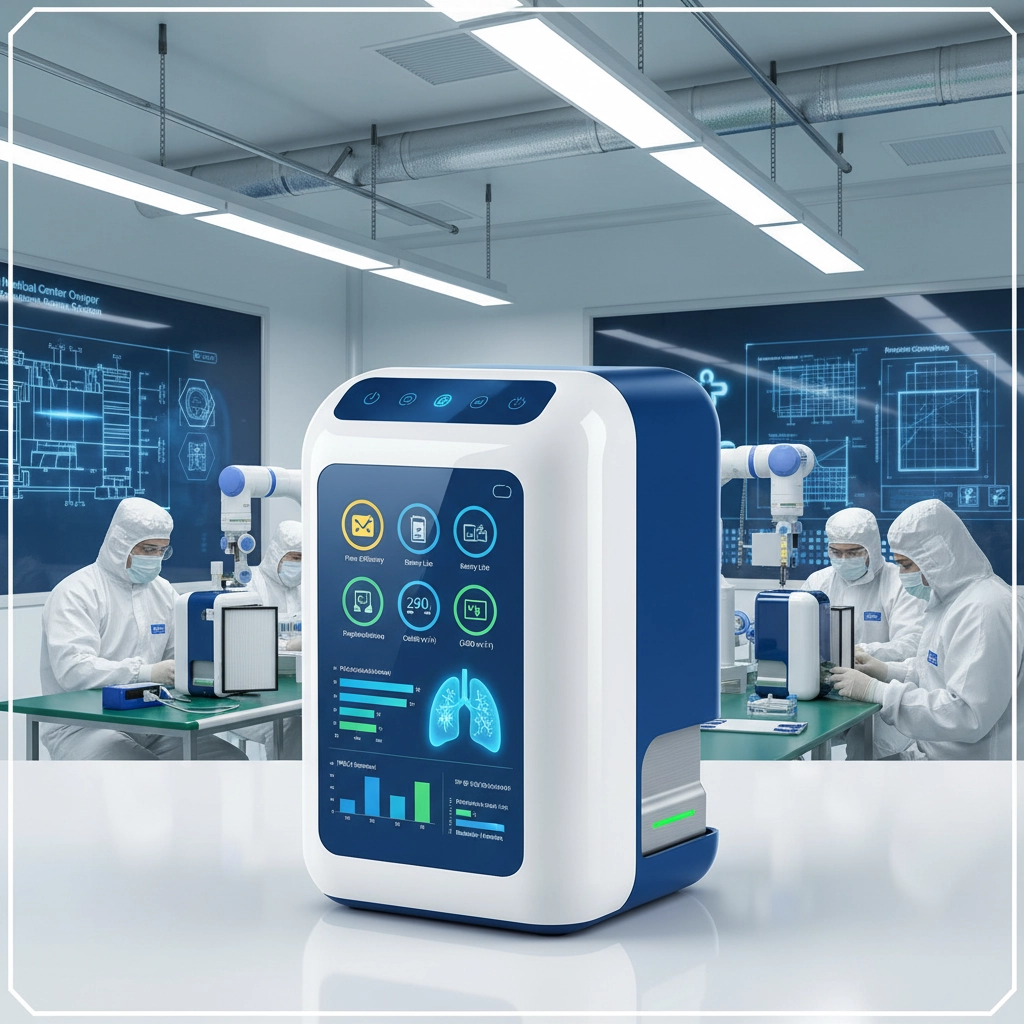
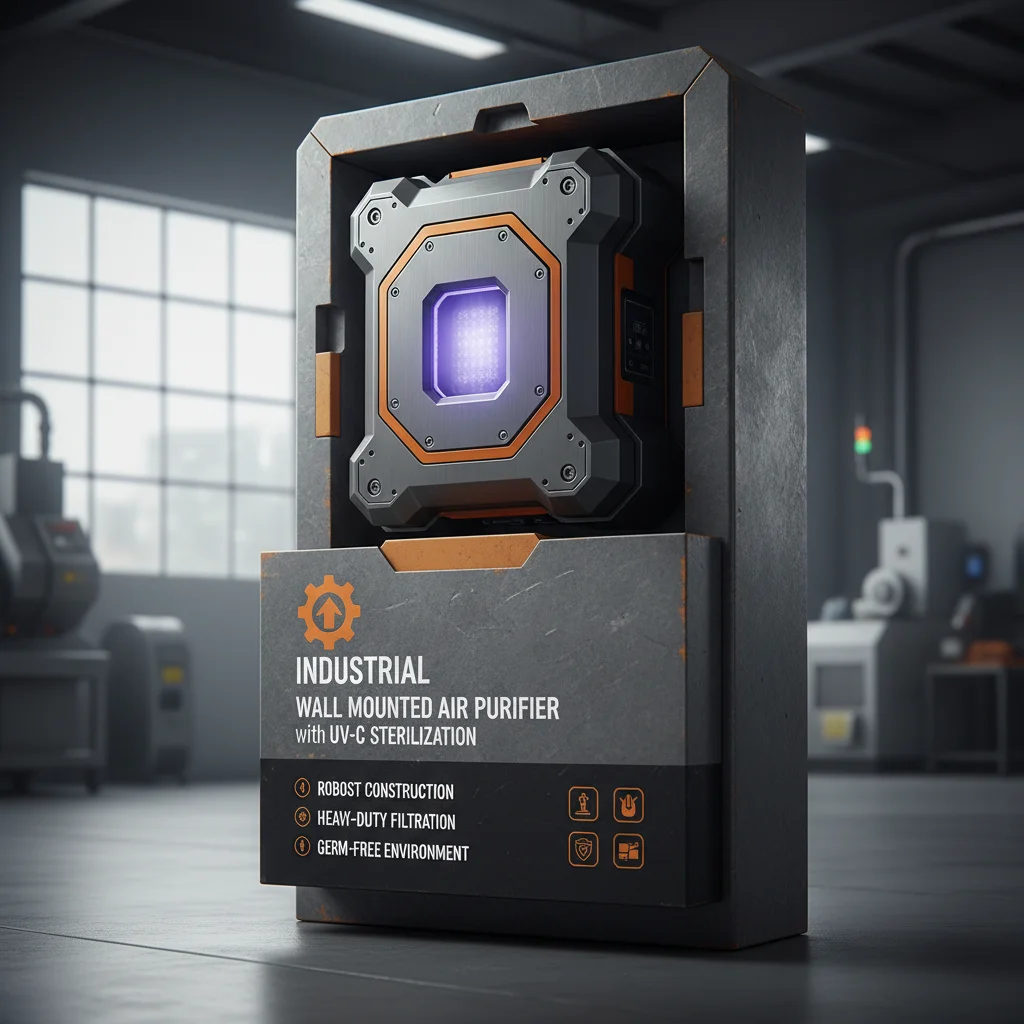
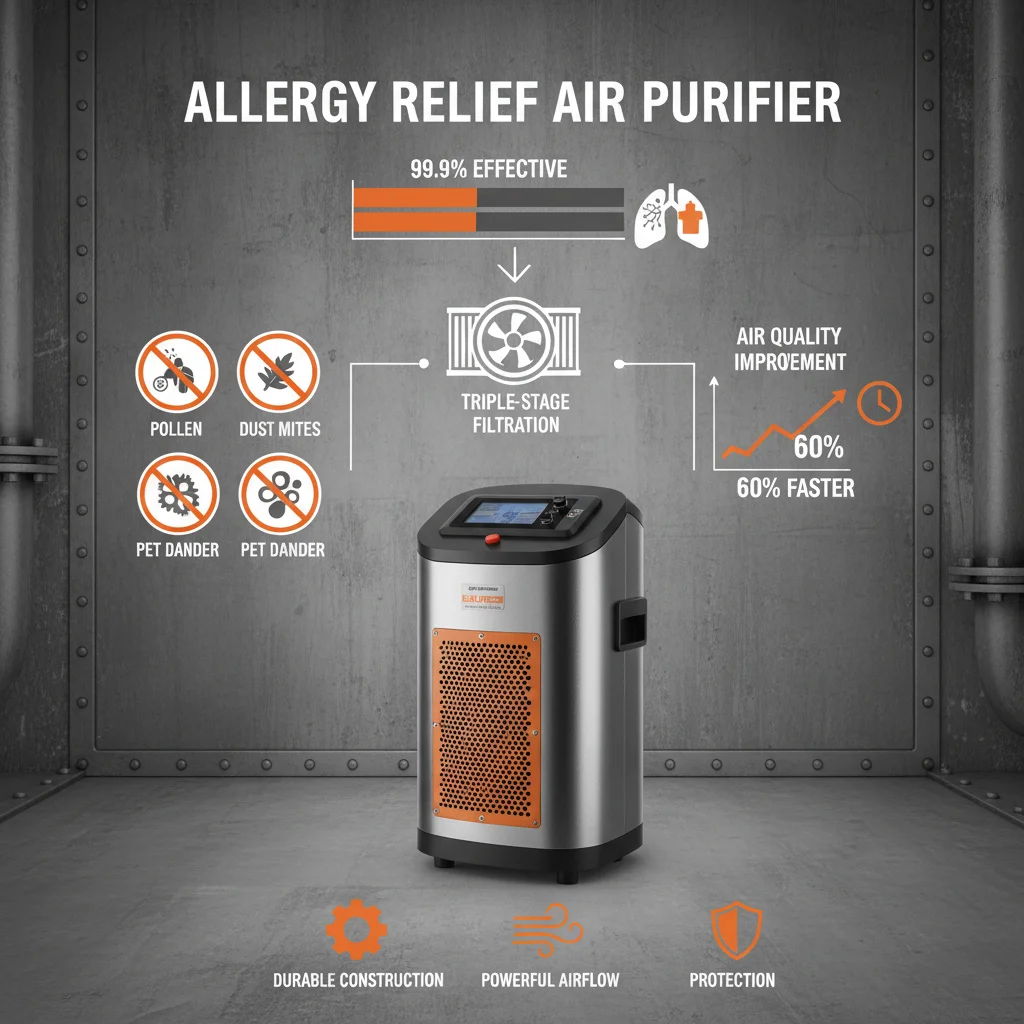
In an era where air quality has become a critical global health priority, the development of the battery powered air purifier represents a significant leap in personal and industrial wellness. These devices liberate users from the constraints of wall sockets, allowing for high-efficiency filtration in dynamic environments, from remote construction sites to compact urban living spaces.
The global shift toward portable health solutions is driven by the increasing prevalence of airborne pollutants and the need for immediate, scalable air purification. By integrating advanced battery technology with HEPA and carbon filtration, the battery powered air purifier ensures that clean air is a right, not a luxury limited by electrical infrastructure.
Understanding the technical nuances and application scenarios of these devices is essential for businesses and individuals alike. Whether integrated into industrial safety protocols or used for home health, the adoption of battery-operated purification systems is transforming how we manage respiratory risks in an increasingly polluted world.

Global Context of Battery Powered Air Purifiers
Across the globe, air pollution remains one of the most significant environmental threats to human health. According to data from the World Health Organization (WHO), nearly 99% of the global population breathes air that exceeds WHO air quality limits. This systemic issue has created an urgent demand for mobile, high-performance solutions like the battery powered air purifier, which can be deployed in hotspots where fixed ventilation is absent.
In industrial sectors, particularly in metallurgy and specialized equipment manufacturing, airborne particulates and chemical fumes pose daily risks to workers. The introduction of portable, cordless purification allows for "localized clean zones," ensuring that workers are protected even when moving between different workstations or operating in remote areas of a factory floor.
Defining the Battery Powered Air Purifier
A battery powered air purifier is an autonomous air filtration device that utilizes an internal rechargeable energy source to power a fan and a series of filtration media. Unlike traditional purifiers, these units are designed for portability, allowing them to scrub the air of allergens, VOCs, and particulate matter (PM2.5) without needing a constant connection to a power grid.
From a technical perspective, these devices combine lithium-ion battery density with aerodynamic fan designs to maximize the Clean Air Delivery Rate (CADR) while minimizing energy consumption. This balance is crucial for ensuring that the device remains lightweight enough for transport while powerful enough to effectively clean a designated volume of air.
In modern industry, this technology bridges the gap between stationary HVAC systems and personal protective equipment (PPE). It provides a flexible layer of defense that can be moved to wherever the pollutant concentration is highest, making it an indispensable tool for humanitarian aid, disaster relief, and specialized industrial maintenance.
Core Components for Optimal Performance
The efficacy of a battery powered air purifier relies heavily on its filtration grade. High-Efficiency Particulate Air (HEPA) filters are the gold standard, capable of capturing 99.97% of particles as small as 0.3 microns. This ensures that the device can handle everything from industrial dust to microscopic viral particles.
Battery management systems (BMS) are the heart of any battery powered air purifier. An intelligent BMS optimizes power distribution to the motor, prevents overheating, and extends the overall lifecycle of the battery cells, ensuring that the device remains operational during critical shifts or emergency deployments.
Furthermore, the chassis design and airflow dynamics play a pivotal role. By utilizing Computational Fluid Dynamics (CFD), manufacturers can optimize the intake and exhaust paths of the battery powered air purifier to reduce noise levels and increase the volume of air processed per watt of energy consumed.
Practical Applications and Global Use Cases
The versatility of the battery powered air purifier allows it to be deployed in a variety of challenging environments. In post-disaster relief operations, where electrical grids are often destroyed, these units provide safe breathing zones for medical staff and victims in temporary shelters, preventing the spread of mold and dust-borne illnesses.
In the realm of specialized manufacturing, such as wire mesh welding and weaving, these purifiers are used to capture ozone and metallic fumes at the source. By placing a portable unit directly next to the welding machine, operators can significantly reduce their exposure to harmful emissions without installing expensive, permanent ductwork.
Efficiency Analysis of Battery Powered Air Purifier Variants
Long-Term Value and Sustainability
Investing in a battery powered air purifier offers tangible long-term benefits that go beyond immediate air quality. By reducing the incidence of respiratory ailments among employees in industrial settings, companies can lower absenteeism and healthcare costs, creating a more resilient and productive workforce.
From a sustainability perspective, the transition to high-efficiency, rechargeable batteries reduces the reliance on disposable filters and single-use air masks. Modern units are designed with modular components, allowing users to replace only the filter media rather than the entire device, significantly reducing electronic waste.
Future Trends in Purification Technology
The future of the battery powered air purifier is intrinsically linked to the evolution of energy storage. The adoption of solid-state batteries promises to double the runtime of these devices while reducing their weight and increasing safety, allowing for longer deployments in remote industrial zones.
Furthermore, we are seeing a convergence of IoT and air purification. Future devices will likely feature "smart sensing" that automatically adjusts filtration intensity based on real-time air quality data, optimizing battery life and ensuring that the battery powered air purifier only works at full capacity when pollutants are detected.
Integration with green energy sources, such as integrated solar panels for trickle-charging, will further enhance the autonomy of these systems. This will make them nearly perpetual tools for environmental monitoring and air cleaning in off-grid locations.
Overcoming Technical Challenges
Despite their advantages, battery powered air purifiers face the challenge of "filter loading," where the buildup of particles increases resistance to airflow. This forces the fan to work harder, draining the battery faster. The solution lies in the development of electrostatic pre-filters that capture larger particles, extending the life of the main HEPA filter.
Another common limitation is the trade-off between noise and power. High CADR usually requires high-speed fans, which can be disruptive in office or medical environments. Advanced acoustic engineering and the use of brushless DC (BLDC) motors are now being implemented to provide a whisper-quiet experience without sacrificing purification power.
Finally, ensuring the safe disposal and recycling of lithium batteries remains a priority. Leading manufacturers are now implementing "closed-loop" recycling programs, where old batteries from the battery powered air purifier are collected and repurposed, aligning the product with global circular economy goals.
Comparative Analysis of Battery Powered Air Purifier Technical Specifications
| Device Category |
Battery Life (Hrs) |
Filtration Grade |
Recommended Use |
| Portable Personal |
12-24 |
H11/H12 HEPA |
Office/Travel |
| Industrial Portable |
6-10 |
H13 HEPA + Carbon |
Workshop/Welding |
| Medical Grade |
8-15 |
H14 ULPA |
Clinic/Cleanroom |
| Outdoor/Field |
20-40 |
Pre-filter + HEPA |
Relief Camps |
| Compact Desktop |
5-12 |
Activated Carbon |
Small Workspace |
| High-Capacity Mobile |
4-8 |
Multi-stage HEPA |
Large Industrial Area |
FAQS
Battery life varies by model and setting. Personal portable units typically last between 12 to 24 hours on low settings. Industrial-grade units, which move more air, generally last between 6 to 10 hours. To maximize runtime, it is recommended to use "Auto Mode," which adjusts the fan speed based on the actual pollution levels in the environment.
Yes, provided they use the same filtration standards (such as HEPA H13). The effectiveness of an air purifier depends on the filter quality and the air flow rate (CADR), not the power source. While plug-in models can run indefinitely, a battery powered air purifier provides the same level of filtration with the added benefit of mobility.
Specifically designed industrial battery powered air purifiers equipped with activated carbon filters and HEPA stages can effectively capture smoke particles and VOCs. For heavy industrial use, we recommend units with high-capacity carbon canisters to ensure chemical fumes are absorbed efficiently before the air is recirculated.
Filter replacement depends on the environment. In a clean home environment, filters may last 6-12 months. However, in industrial settings with high dust or smoke, filters should be checked monthly and replaced every 3 months to prevent motor strain and maintain air quality standards.
Yes, modern units are equipped with advanced Battery Management Systems (BMS) that prevent overheating and automatically shut down the device when the battery reaches a critical low level. Always ensure the device is placed on a flat surface with unobstructed air intake for maximum safety.
Many compact models support USB-C charging, making them compatible with power banks. Higher-capacity industrial models typically require a dedicated AC charger, though some emerging "field models" are designed to work with portable solar generators for off-grid use.
Conclusion
The battery powered air purifier has evolved from a niche convenience into a critical tool for health and safety. By decoupling air purification from the power grid, these devices enable the creation of safe breathing environments in the most challenging contexts—from the heart of a metal weaving factory to remote disaster zones. The integration of HEPA filtration, intelligent battery management, and portable design ensures that high-quality air is accessible wherever it is needed most.
Looking forward, as energy density improves and smart sensing becomes standard, we can expect these devices to become even more autonomous and efficient. For businesses looking to enhance workplace safety or individuals seeking personal health protection, adopting this technology is a proactive step toward a healthier future. To explore the best solutions for your environment, visit our website: www.meshmachinery.com