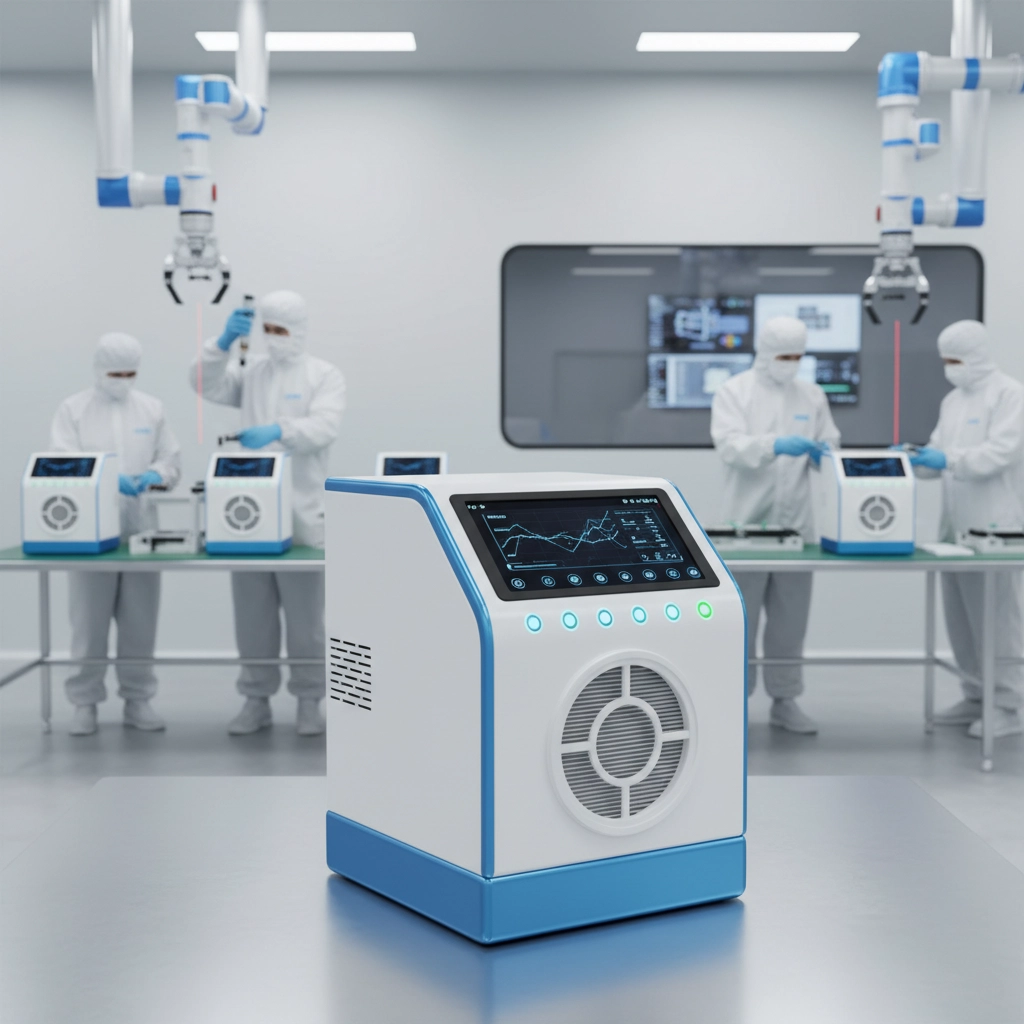
The integration of high-efficiency filtration in portable formats has led to the rise of the battery powered hepa filter, a critical innovation for maintaining air purity in environments where fixed ventilation is impossible. In an era where airborne contaminants, from industrial dust to microscopic pathogens, pose significant health risks, having a mobile solution that adheres to HEPA (High-Efficiency Particulate Air) standards is no longer a luxury but a necessity for operational safety.
Globally, the demand for these devices has surged across various sectors, including healthcare, emergency response, and specialized manufacturing. By decoupling air purification from the power grid, the battery powered hepa filter allows professionals to create localized "clean zones" in real-time, ensuring that critical tasks are performed in an environment free from particulate interference.
Understanding the mechanics and application of this technology is essential for industries striving to meet ISO air quality standards. From reducing cross-contamination in laboratories to protecting workers in remote construction sites, the strategic deployment of battery-operated filtration systems represents a leap forward in occupational health and environmental control.

Global Relevance of Battery Powered HEPA Filters
The global landscape of industrial health has shifted toward a more proactive approach to air quality management. With the World Health Organization (WHO) highlighting the dangers of fine particulate matter (PM2.5), the need for a battery powered hepa filter has become paramount in regions where infrastructure is aging or non-existent. This mobility allows for immediate intervention in hazardous zones.
In many developing industrial hubs, the challenge is not a lack of filtration technology, but the lack of stable power delivery to the point of use. By utilizing high-density lithium-ion power sources, these portable filters overcome the limitation of stationary HVAC systems, providing a scalable solution that can be moved from one workstation to another as the project evolves.
Defining the Battery Powered HEPA Filter Mechanism
At its core, a battery powered hepa filter is a self-contained air purification unit designed to capture 99.97% of particles that are 0.3 microns in diameter. Unlike standard air purifiers, the "battery-powered" aspect implies a high-torque brushless motor capable of pushing air through dense fiberglass media without the need for a constant AC power connection.
This technology is inextricably linked to modern humanitarian needs and high-precision manufacturing. In sectors such as the production of wire mesh machinery, where fine metal dust can contaminate sensitive electronic components, these portable units act as vacuum-like sentinels, scrubbing the air in the immediate vicinity of the operator.
The synergy between high-capacity energy storage and advanced filtration media ensures that the device maintains a constant Clean Air Delivery Rate (CADR). This makes it an indispensable tool for technicians who must operate in varying environments, from sterile labs to dusty workshop floors.
Core Components for Maximum Air Purification
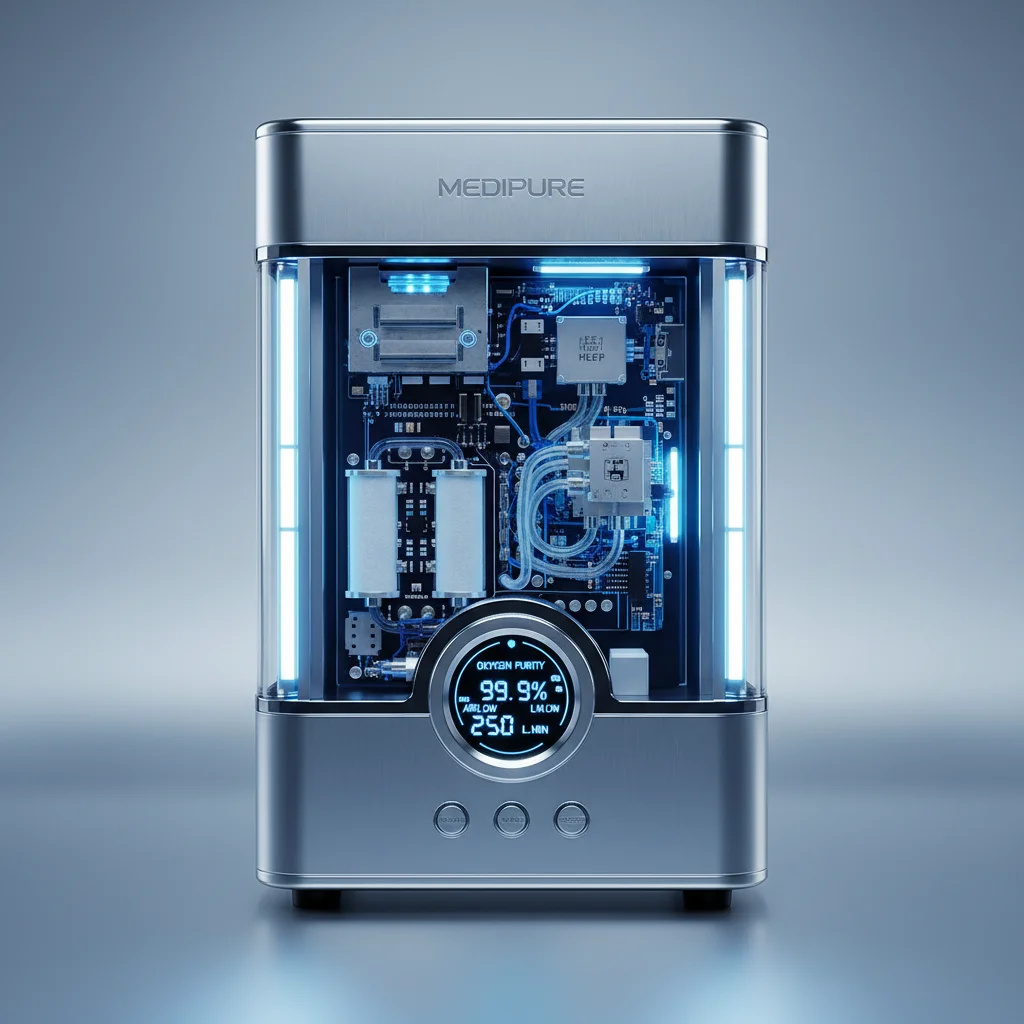
The efficiency of a battery powered hepa filter depends heavily on its filtration grade. The primary filter media is usually a pleated borosilicate glass fiber, which creates a complex maze that traps particles through interception and diffusion, ensuring that the exhaust air is virtually sterile.
Power management is the second critical pillar. Modern battery powered hepa filter units utilize Smart-BMS (Battery Management Systems) to optimize energy consumption based on the air resistance of the filter, preventing premature battery drain while maintaining the necessary pressure differential.
Finally, the chassis and airflow design play a vital role in durability. By using industrial-grade polymers and reinforced housings, these devices can withstand the rigors of a factory floor, ensuring that the internal seal remains airtight and no "leakage" of unfiltered air bypasses the HEPA media.
Performance Metrics and Efficiency Standards
Evaluating the effectiveness of a battery powered hepa filter requires looking beyond simple airflow. Key metrics include the pressure drop across the filter and the battery runtime under maximum load, which determines how long a "clean zone" can be maintained during a critical industrial process.
For professional applications, we compare different iterations of portable filtration to determine which configuration offers the best balance of portability and scrubbing power. This allows users to select a model that fits their specific environmental challenge, whether it's high-volume dust or low-volume hazardous fumes.
Comparative Efficiency of Portable Filtration Methods
Global Applications and Real-World Use Cases
In post-disaster relief operations, the battery powered hepa filter is used to create temporary triage areas where dust and mold from collapsed buildings can be filtered out to protect wounded patients. These units are often deployed by NGOs and government agencies to ensure a minimum standard of air quality in tents or temporary shelters.
In remote industrial zones, such as the installation of large-scale wire mesh welding machines in open-air factories, these filters are placed strategically near the welding points. This prevents the inhalation of metallic fumes and fine particulates, directly improving the long-term respiratory health of the workforce.
Long-Term Value and Sustainability Benefits
Investing in a battery powered hepa filter provides tangible economic value by reducing the need for expensive, facility-wide HVAC overhauls. For many businesses, the ability to target specific "dirty" zones is far more cost-effective than attempting to purify an entire warehouse.
Beyond the financial aspect, there is a profound social impact. Providing workers with reliable, portable air protection fosters a culture of trust and safety. When a company invests in high-end filtration, it signals a commitment to the dignity and health of its employees, which in turn increases retention and productivity.
From a sustainability perspective, the transition to energy-efficient brushless motors and rechargeable lithium batteries reduces the carbon footprint associated with disposable air filters and constant high-wattage power consumption.
Future Innovations in Portable Filtration Technology
The future of the battery powered hepa filter lies in the integration of IoT sensors. Upcoming models are expected to feature real-time particulate monitoring that automatically adjusts the fan speed based on the air quality index (AQI), maximizing battery life and filtration efficiency simultaneously.
We are also seeing a move toward graphene-enhanced filter media. Graphene allows for higher airflow with lower resistance, which means a battery powered hepa filter could potentially run for twice as long on a single charge while capturing even smaller particles than current HEPA standards allow.
Automation and digital transformation will further refine these devices, allowing facility managers to track the "filter health" of multiple portable units across a factory floor via a central dashboard, ensuring that no unit ever operates with a clogged filter.
Core Analysis of Portable Filtration Innovation Trends
| Technology Dimension |
Current State |
Future Innovation |
Impact Score (1-10) |
| Filter Material |
Borosilicate Glass |
Graphene-infused Mesh |
9 |
| Power Source |
Standard Li-ion |
Solid-State Batteries |
8 |
| Control System |
Manual Toggle |
AI-Driven Auto-Adjust |
10 |
| Monitoring |
Visual Indicators |
IoT Cloud Tracking |
7 |
| Weight/Bulk |
Industrial Plastic |
Carbon Fiber Chassis |
6 |
| Energy Recovery |
None |
Kinetic Charging |
5 |
FAQS
Depending on the battery capacity (mAh) and the fan speed setting, most industrial-grade units offer between 4 to 12 hours of continuous operation. Higher-end models with smart-power management can extend this by automatically lowering the RPM when air quality improves, ensuring a full workday of protection without needing a recharge.
Yes, a true HEPA filter is designed to capture a wide range of particulates, including the fine metallic dust generated during the weaving and welding of wire mesh. By placing the unit directly at the source of the dust, you can significantly reduce the amount of airborne contaminants that enter the operator's breathing zone.
Generally, no. HEPA filters are made of dense glass fibers that are bonded together; washing them with water can destroy the microscopic structure of the filter, creating holes that allow particles to pass through. We recommend replacing the filter element once the pressure sensor indicates it is clogged to maintain efficiency.
While an HVAC system treats the air for an entire building, a battery powered hepa filter provides "point-of-use" purification. It is far more effective for creating localized sterile zones or protecting individual workers in high-pollution areas where modifying the entire building's ventilation would be cost-prohibitive.
Most professional units are designed with safety in mind, featuring flame-retardant housings and protected battery circuits. However, if you are working in an environment with explosive vapors, you must ensure the unit is specifically ATEX-certified or rated for intrinsically safe operation to prevent sparking.
Replacement frequency depends on the particulate load of your environment. In a clean laboratory, a filter might last a year. In a wire mesh factory, you may need to replace it every 2-3 months. Always monitor the airflow rate or use the built-in filter-life indicator to determine the exact time for replacement.
Conclusion
The adoption of the battery powered hepa filter marks a significant shift toward flexible, user-centric air quality management. By combining the rigorous standards of HEPA filtration with the freedom of portable power, industries can now protect their most valuable asset—their people—regardless of the limitations of their physical infrastructure. From the precision of the mesh weaving floor to the chaos of disaster relief, these devices provide an invisible but impenetrable shield against airborne hazards.
As we look toward a future of smarter, greener, and more efficient filtration, it is clear that the move toward autonomous, battery-operated systems will only accelerate. We encourage industrial managers and safety officers to integrate these portable solutions into their health and safety protocols to ensure a cleaner, safer, and more productive working environment. For more information on high-quality industrial solutions, visit our website: www.meshmachinery.com.