
February 03, 2026
In the agricultural, security, and livestock industries, robust and reliable fencing is paramount. A barbed wire fencing machine streamlines the installation process, significantly reducing labor costs and increasing efficiency. This article will guide you through the key considerations when selecting a machine, outlining the various types available, their features, and how to choose the best option for your specific fencing requirements. Understanding the nuances of these machines is crucial for maximizing your investment and achieving long-lasting, secure fencing.
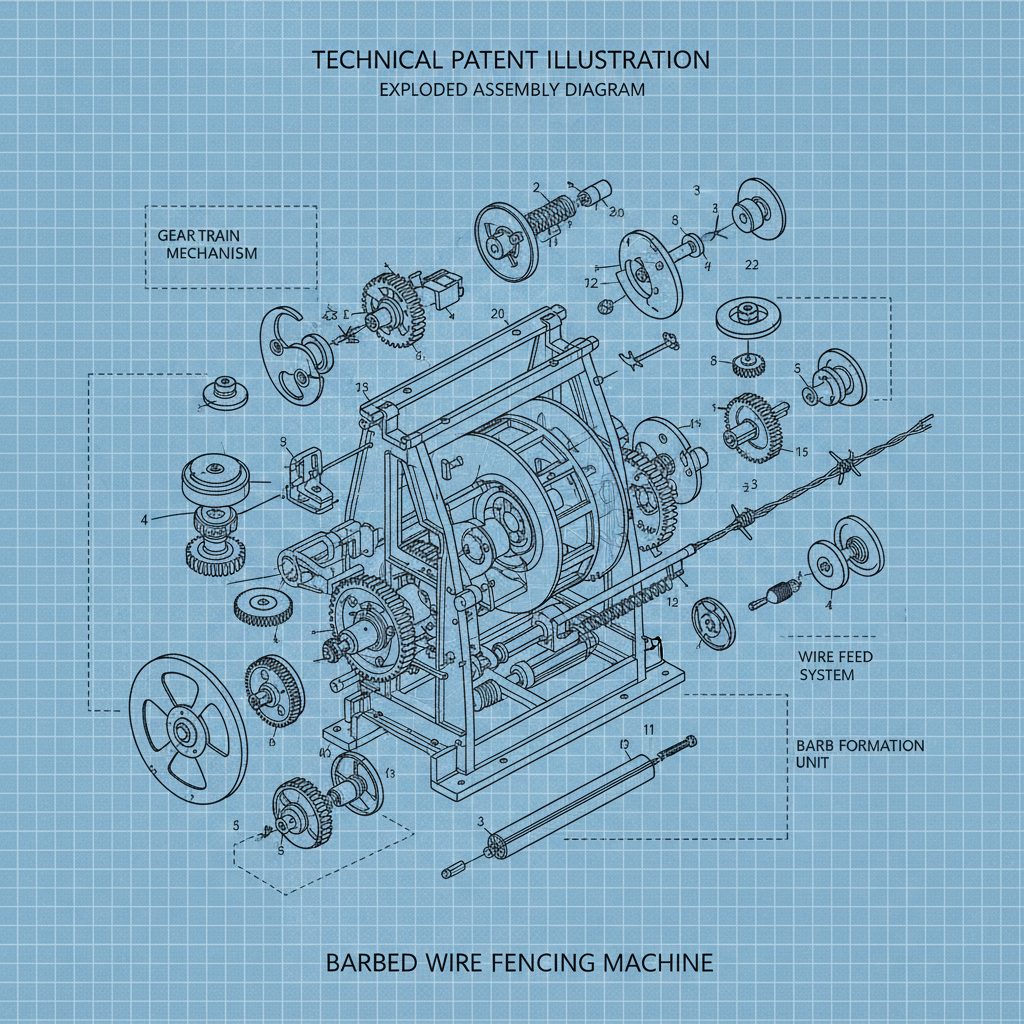
Several types of machines cater to different fencing needs. Portable machines are ideal for on-site work and areas with limited access. Stationary machines, typically larger and more powerful, are better suited for high-volume production in a controlled environment. Semi-automatic machines offer a balance between automation and manual control, while fully automatic machines deliver the highest level of efficiency with minimal operator intervention. The choice depends on factors like the scale of your project, the terrain, and your budget.
Key Considerations: Understanding the different types of barbed wire fencing machines is vital for selecting the model that best suits your project’s scale, location, and budget.
When evaluating a barbed wire fencing machine, prioritize features that enhance performance and durability. Look for robust construction with high-quality materials to withstand harsh conditions. Adjustable settings for wire tension and spacing are essential for creating a secure and consistent fence. Easy-to-use controls and a clear operator interface contribute to efficiency and minimize training time. Safety features, such as emergency stop buttons and protective guards, are non-negotiable. Consider machines with efficient wire feeding systems and minimal maintenance requirements.
Essential Features:
• Robust Construction for durability
• Adjustable wire tension and spacing
• Easy-to-use controls and operator interface
• Essential safety features
The market offers a variety of machines from different manufacturers. Here’s a comparison of a few popular models. These machines vary in price, capacity, and features. Consider your budget and specific needs when making a decision. Meshmachinery offers a range of machines designed for various applications.
Regular maintenance is vital for extending the lifespan of your barbed wire fencing machine. This includes lubricating moving parts, cleaning the machine after each use, and inspecting for wear and tear. Proper storage in a dry, sheltered location is also essential. Following the manufacturer’s recommendations for maintenance will help prevent costly repairs and ensure reliable performance for years to come.
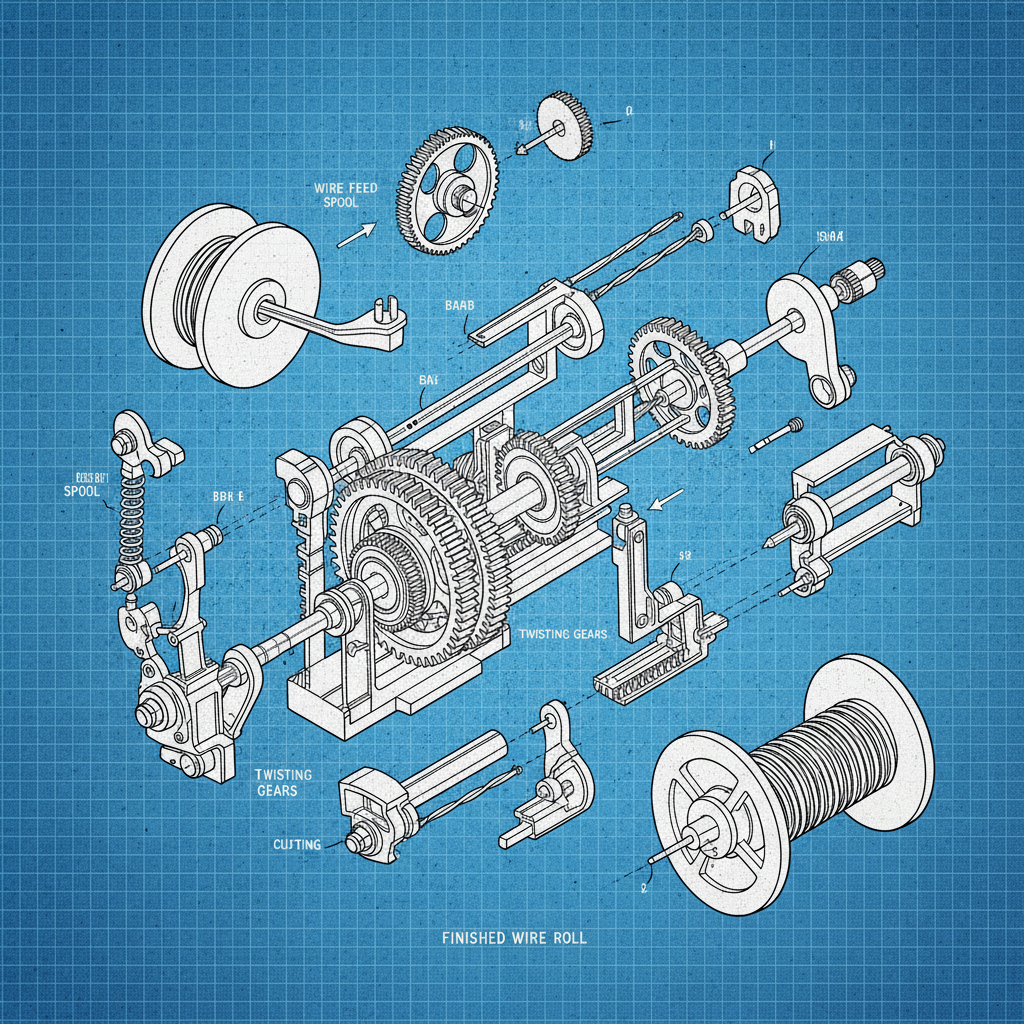
Most machines can handle wire gauges ranging from 10 to 18 gauge. However, the specific gauge capacity varies by model. It's crucial to check the manufacturer's specifications to ensure compatibility with the wire you intend to use. Using the incorrect gauge wire can damage the machine or result in a poorly constructed fence. Higher gauge numbers indicate thinner wire. Always prioritize using wire that is recommended for the machine to ensure optimal performance and longevity.
Maintenance requirements vary depending on the machine type and usage frequency. Generally, regular lubrication of moving parts, cleaning after each use to remove debris and rust, and periodic inspections for wear and tear are essential. Checking and tightening bolts and screws is also important. Refer to the manufacturer's manual for detailed maintenance instructions. Proactive maintenance can significantly extend the machine's lifespan and prevent costly repairs.
Absolutely. Essential safety features include emergency stop buttons, protective guards to prevent accidental contact with moving parts, and clear safety warnings. Consider machines with automatic shut-off features in case of wire breakage or other malfunctions. Always wear appropriate personal protective equipment (PPE) such as gloves, safety glasses, and sturdy footwear when operating the machine. Prioritize safety to prevent injuries and ensure a safe working environment.
Using a barbed wire fencing machine offers several advantages over manual fencing. It significantly increases efficiency, reducing the time and labor required to install a fence. Machines create more consistent and secure fencing, with uniform wire tension and spacing. They also minimize the risk of injury to workers, as they reduce the need for manual handling of barbed wire. Ultimately, a machine saves time, money, and improves the overall quality of the fence.
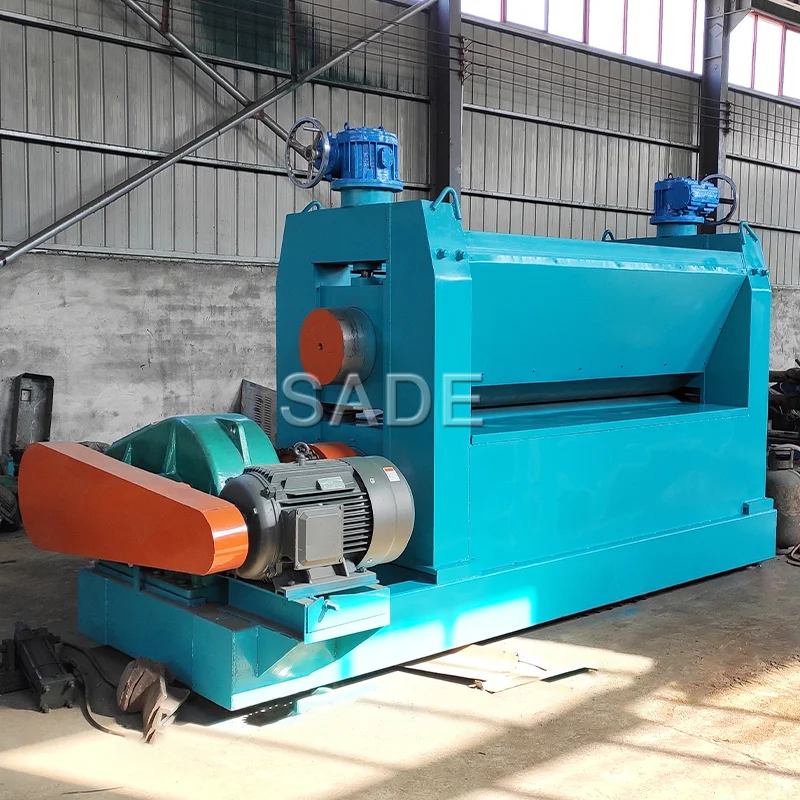
ZPJ Metal Mesh Flatting Machine
ZPJ metal mesh flatting machine is special designed for expanded metal flatting.It’s a corollary equipment of expanded metal machine. It can make expanded wire-mesh smoothly.And the flattened expanded metal have much more widely different applications.
Apr 24, 2026
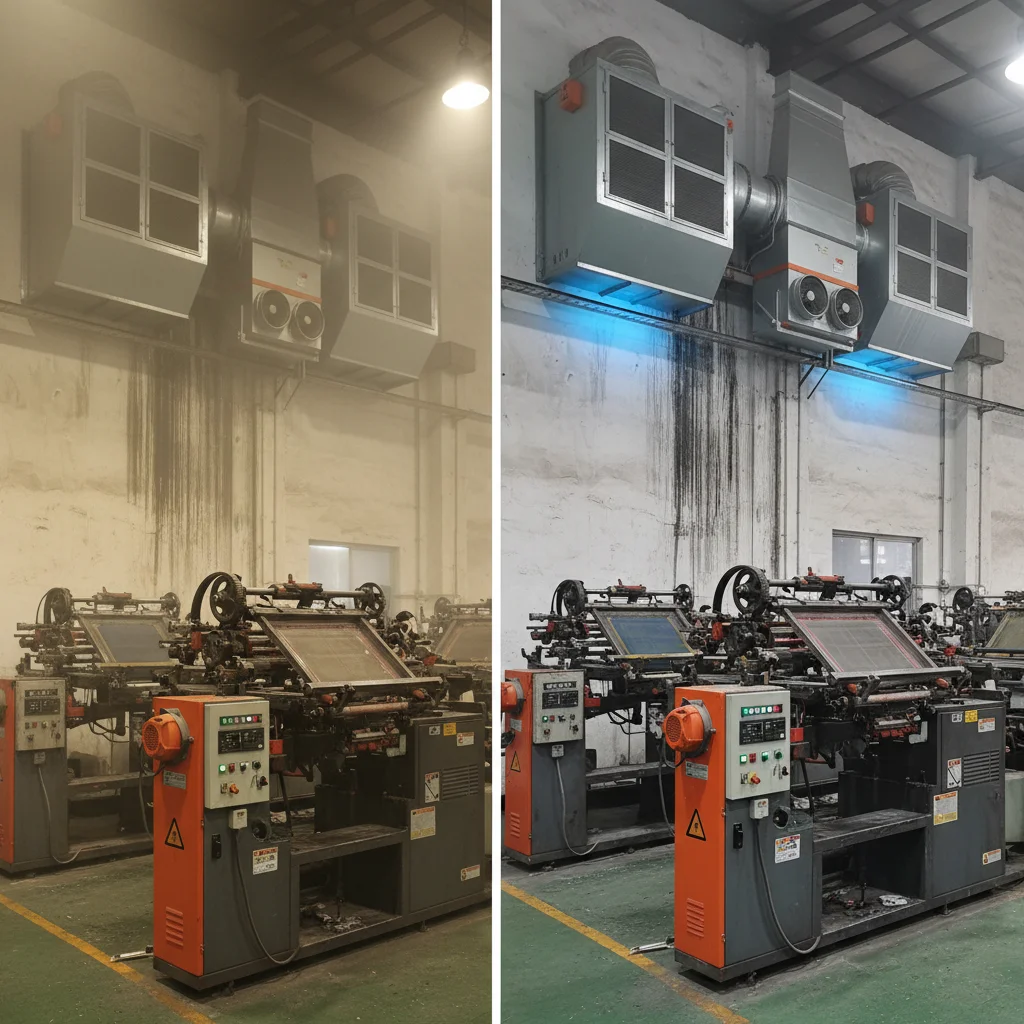
Industrial Wall Mounted Air Filtration for Clean Work Environments