
February 02, 2026
The demand for barbed wire remains consistently strong across various industries, including agriculture, security, and animal containment. Investing in a high-quality barbed wire manufacturing machine is crucial for businesses aiming to meet this demand efficiently and cost-effectively. This article delves into the intricacies of these machines, covering their types, features, applications, and essential considerations for choosing the right model. We’ll explore how modern technology is enhancing barbed wire production.
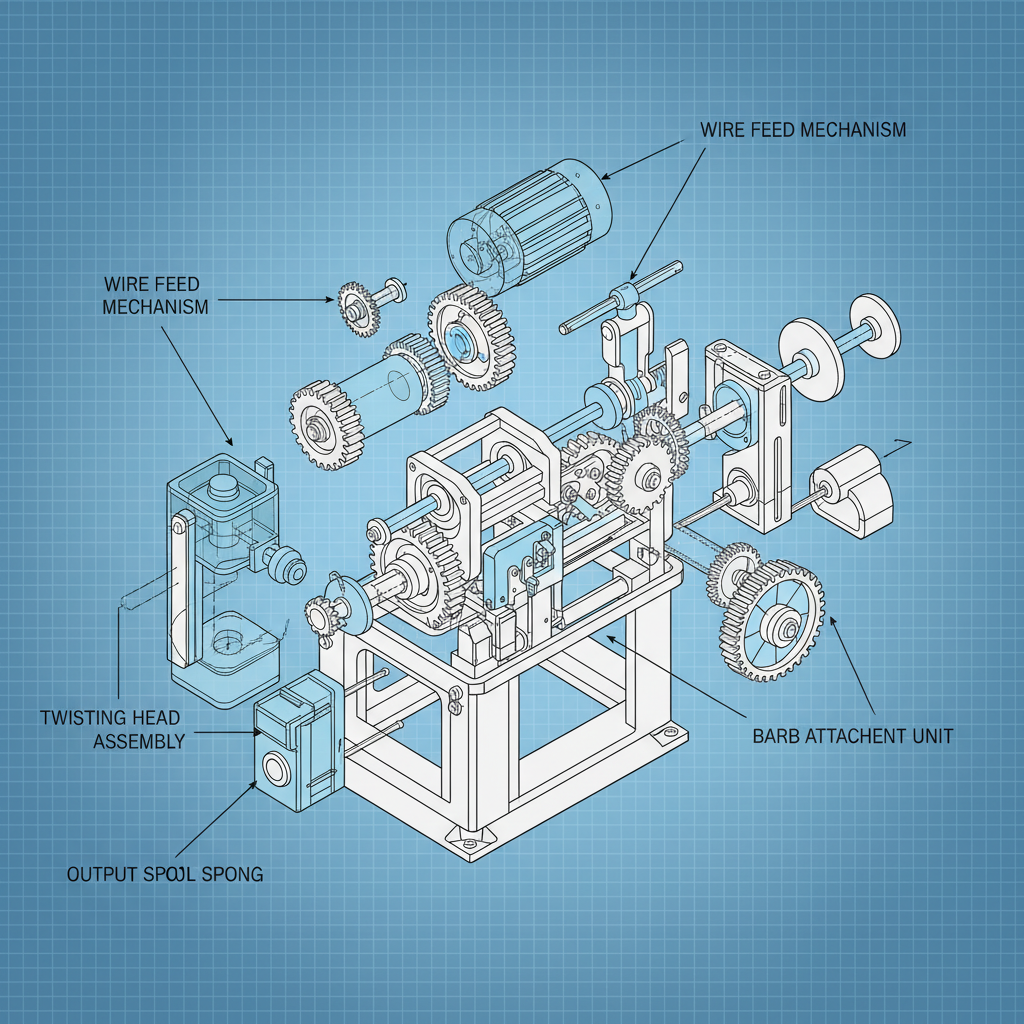
Barbed wire manufacturing machines aren’t one-size-fits-all. They come in various types, each suited for different production scales and barbed wire specifications. The most common types include automatic machines, semi-automatic machines, and manual machines. Automatic machines offer high production rates and minimal labor requirements, ideal for large-scale operations. Semi-automatic machines require some manual intervention but are more affordable. Manual machines are best for small-scale production or specialized barbed wire types. Choosing the right machine depends on your production volume, budget, and desired level of automation. Mesh Machinery specializes in fully automated solutions for maximum efficiency.
Key Considerations: Production volume, budget, required automation level, and the types of barbed wire you intend to manufacture are essential factors.
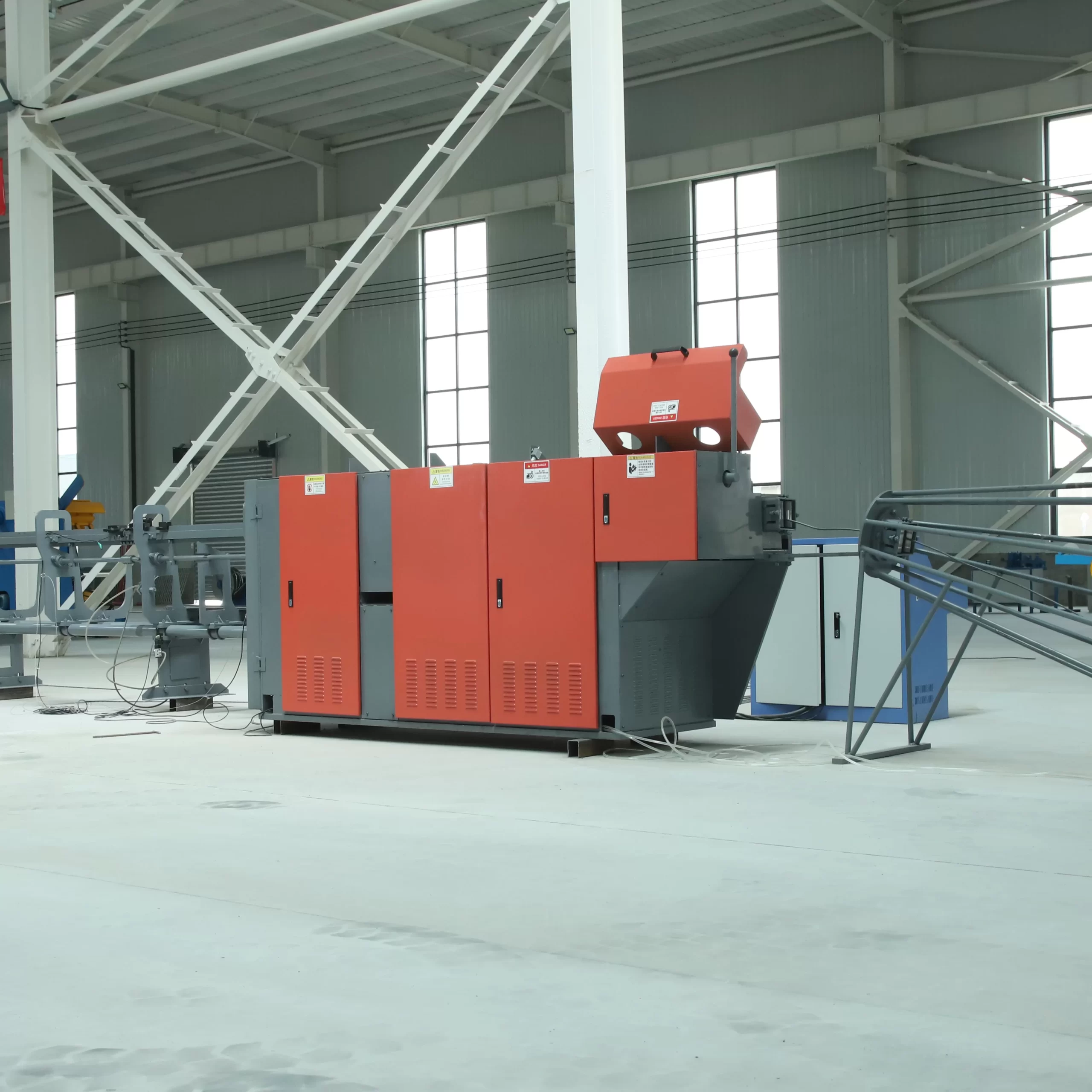
A typical barbed wire manufacturing machine consists of several key components working in synergy. These include a wire feeding system, a die assembly for shaping the wire, a barb attachment mechanism, a winding system, and a control panel. The wire feeding system ensures a consistent and controlled supply of wire to the machine. The die assembly precisely shapes the wire according to the desired profile. The barb attachment mechanism accurately places the barbs at regular intervals. Finally, the winding system coils the barbed wire onto spools or rolls. A robust control panel allows operators to monitor and adjust machine parameters for optimal performance. Investing in a machine with high-quality components ensures longevity and reduces downtime.
Essential Components:
• Wire feeding system
• Die assembly
• Barb attachment mechanism
• Winding system
Modern barbed wire manufacturing machines boast an array of features designed to enhance productivity and quality. These include automatic tension control, precise barb spacing adjustment, and variable speed control. Automatic tension control ensures consistent wire thickness and strength. Precise barb spacing adjustment allows for the production of different barbed wire types. Variable speed control enables operators to adjust the production rate based on demand. Some machines also incorporate automatic fault detection and safety features, minimizing the risk of accidents and downtime. These features contribute to efficient, reliable, and safe barbed wire production.
Barbed wire has diverse applications, ranging from perimeter security for residential and commercial properties to agricultural fencing for livestock containment. It’s also used in military applications and for creating temporary barriers. A versatile barbed wire manufacturing machine can produce various wire gauges, barb sizes, and coil diameters to meet these different requirements. The ability to adjust machine settings and quickly switch between production runs makes it a valuable asset for businesses serving multiple markets.
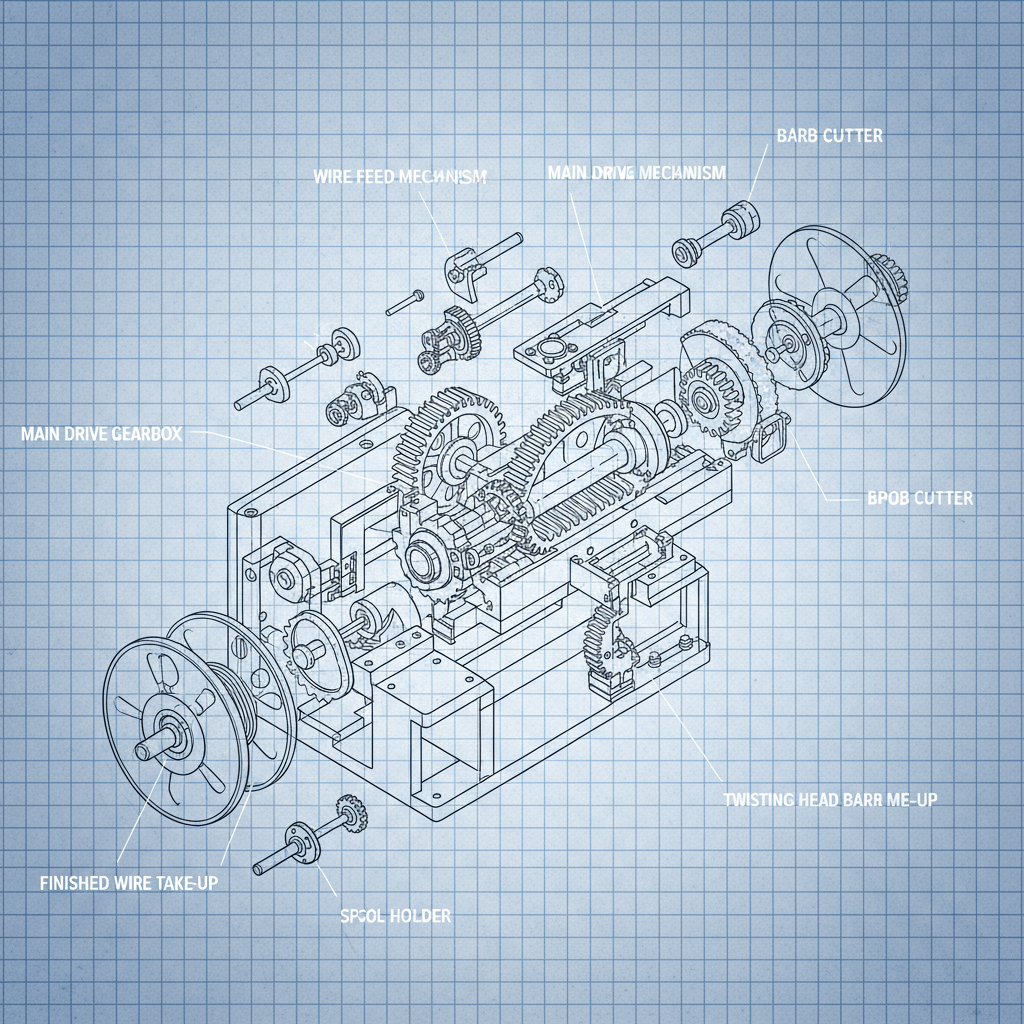
Choosing the optimal machine requires careful evaluation. Consider your production volume, the types of barbed wire you'll produce, your budget, and the level of automation desired. Evaluate the machine’s energy efficiency, maintenance requirements, and availability of spare parts. Prioritize machines with robust construction and reliable components. Reputable manufacturers like Mesh Machinery offer comprehensive support, including installation, training, and after-sales service, ensuring a smooth and efficient operation. Investing in a quality machine from a trusted supplier is a long-term investment in your business’s success.
Investing in the right barbed wire manufacturing machine is critical for meeting market demands and achieving operational efficiency. By carefully considering your production needs and choosing a machine with the right features, you can ensure a reliable, cost-effective, and high-quality barbed wire production process. Partner with a reputable supplier like Mesh Machinery to maximize your investment and achieve long-term success.
Regular maintenance is crucial for prolonging the life of your machine and ensuring optimal performance. This includes daily lubrication of moving parts, regular inspection of the wire feeding system, and cleaning of the die assembly. Periodic inspection and replacement of wear parts, such as dies and cutting blades, are also necessary. Following the manufacturer’s recommended maintenance schedule is vital. Mesh Machinery provides detailed maintenance manuals and support services to assist customers.
Safety should be a top priority. Look for machines with emergency stop buttons, safety guards around moving parts, and overload protection systems. Proper grounding is also essential to prevent electrical hazards. Training operators on safe operating procedures is crucial. Compliance with relevant safety standards, such as CE certification, is a good indicator of a machine’s safety features.
The production capacity of an automatic barbed wire manufacturing machine varies depending on the model, wire gauge, and barb spacing. However, a typical machine can produce anywhere from 50 to 200 meters of barbed wire per minute. Modern machines with advanced automation features can even achieve higher production rates.
Mesh Machinery provides a comprehensive warranty on its barbed wire manufacturing machines, typically covering one year against defects in materials and workmanship. We also offer extended warranty options for added peace of mind. Detailed warranty information can be found on our website or by contacting our sales team.
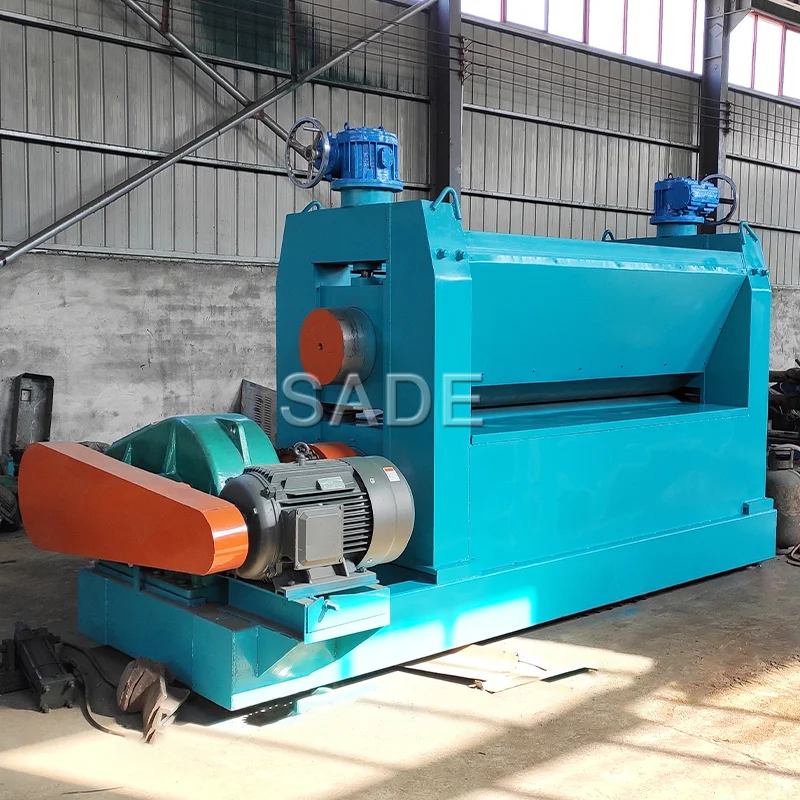
ZPJ Metal Mesh Flatting Machine
ZPJ metal mesh flatting machine is special designed for expanded metal flatting.It’s a corollary equipment of expanded metal machine. It can make expanded wire-mesh smoothly.And the flattened expanded metal have much more widely different applications.
Apr 24, 2026
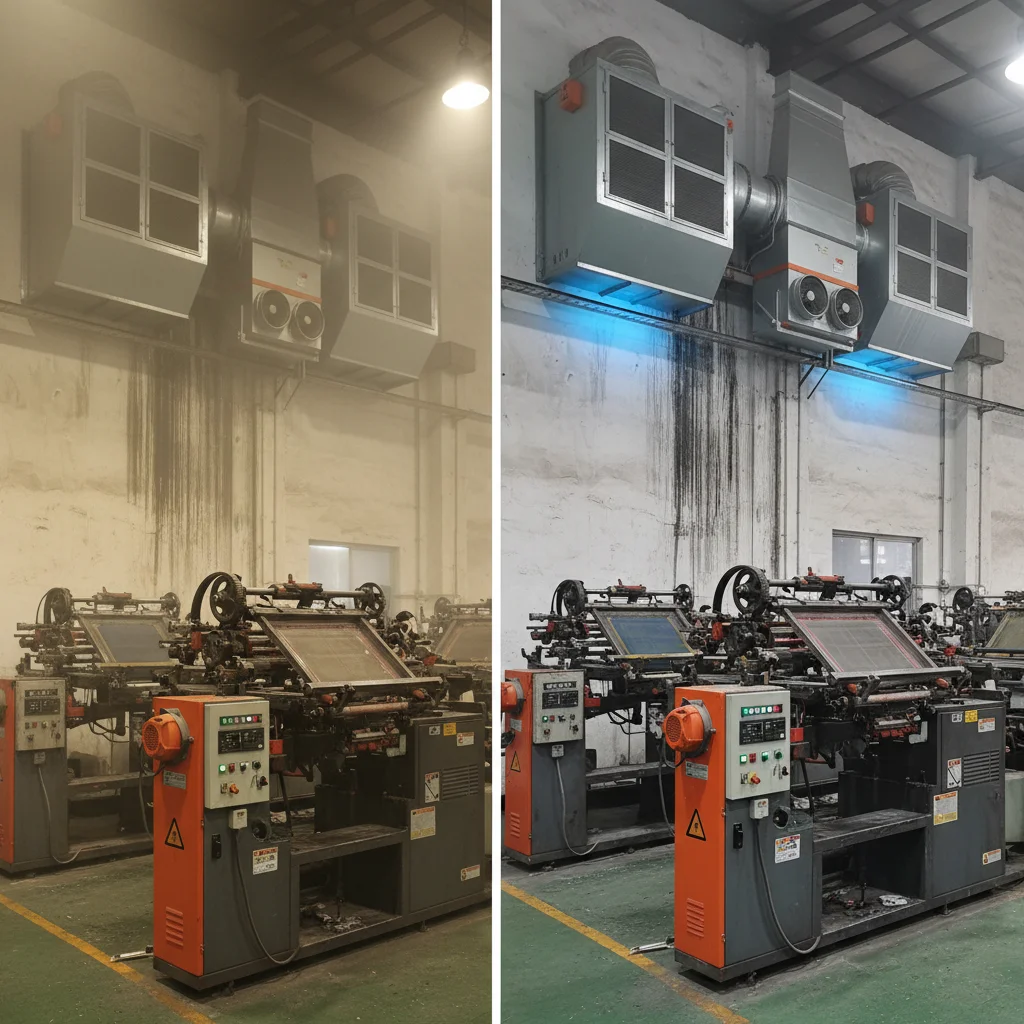
Industrial Wall Mounted Air Filtration for Clean Work Environments