
April 09, 2026
In the modern industrial landscape, the demand for precision-engineered wire products is higher than ever. Whether it is for architectural filtration, aerospace components, or heavy-duty industrial screening, the efficiency of production depends entirely on the quality of your metal mesh machine. Investing in the right machinery not only optimizes production speed but also ensures the structural integrity of the finished mesh. In this comprehensive guide, we will explore the various types of mesh machinery, technical specifications, and how to select a system that aligns with your specific business goals and production volumes.
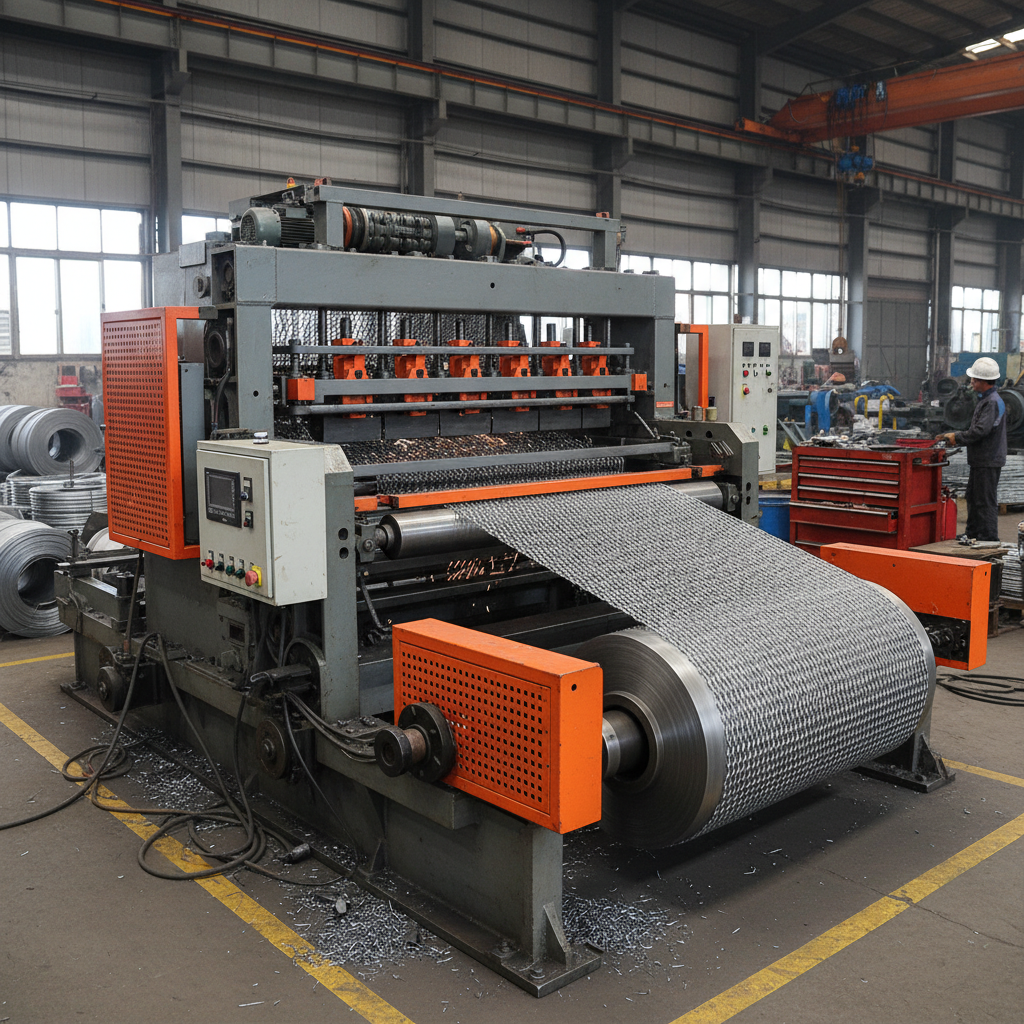
A high-performance metal mesh machine typically utilizes a combination of weaving, knitting, or welding technologies to interlace metal wires. The process begins with precise wire drawing to achieve the desired gauge, followed by the winding of wires onto creels. The machine then guides these wires through a complex system of heddles and reeds to create a consistent pattern. Advanced automation has now introduced PLC control systems, allowing operators to adjust mesh density and width with minimal downtime, significantly reducing human error and material waste during the fabrication process.
Industry Insight: The transition from manual weaving to fully automated CNC-controlled machinery has increased production output by over 40% in the global wire mesh sector.
Depending on the end-use of the product, different technologies are required. For instance, woven mesh provides superior stability, while welded mesh offers higher rigidity. Selecting the correct metal mesh machine involves analyzing the tension requirements and the type of metal being used—be it stainless steel, galvanized iron, or copper. Below is a comparison of the most common machine technologies used in the industry today.
Upgrading to a modern metal mesh machine provides more than just speed. The most significant advantage is consistency. In industries like pharmaceuticals or chemicals, a deviation of a few microns in the mesh opening can result in a failed batch of products. High-end machinery ensures that every square centimeter of the mesh is identical. Additionally, energy-efficient motors and reduced lubrication requirements lower the overall operational cost, making the equipment more sustainable in the long run.
Strategic Advantages:
• Lower material waste through precision cutting
• Reduced labor costs due to automated controls
• Higher product lifespan through superior tension control
• Ability to handle diverse alloy materials
When reviewing the technical datasheet of a metal mesh machine, several parameters are critical. The working width determines the maximum size of the mesh rolls you can produce, while the wire diameter range defines the versatility of the machine. A machine that can handle both ultra-fine wires (0.1mm) and thicker structural wires (3.0mm) allows a business to expand its product line without purchasing additional equipment.
To maximize the ROI of your metal mesh machine, a rigorous maintenance schedule is essential. Metal-on-metal friction is the primary cause of wear and tear. Regular lubrication of the gears and checking the tension of the drive belts can prevent costly unplanned shutdowns. Furthermore, ensuring that the machine is calibrated every quarter prevents "mesh drift," where the aperture size slowly changes during a long production run. Keeping the workspace clean and free of metal shavings also protects the sensitive sensors of the PLC system.
The global shift toward "Green Manufacturing" has influenced the design of the latest metal mesh machine models. Modern units now incorporate scrap recovery systems that collect leftover wire ends for recycling, reducing waste by up to 15%. Additionally, the use of energy-efficient servo motors reduces electricity consumption compared to traditional induction motors. By adopting these technologies, manufacturers can not only lower their environmental footprint but also appeal to eco-conscious clients in the European and North American markets.
Selecting the right metal mesh machine is a strategic decision that impacts every aspect of your supply chain, from material costs to final product quality. By understanding the differences between weaving and welding technologies and prioritizing precision and sustainability, businesses can secure a competitive edge in the industrial market. Whether you are starting a new venture or scaling an existing factory, investing in high-precision machinery is the only way to ensure long-term growth and reliability.
Woven mesh machines interlace wires over and under each other, similar to fabric, which allows for extremely fine apertures and high flexibility. This is ideal for filters and screens. Welded mesh machines, however, use electrical resistance to fuse wires together at their intersection points, creating a rigid, sturdy grid. Welded machines are typically used for construction, security fencing, and heavy-duty shelving where structural rigidity is more important than precision filtration.
Many professional-grade machines are designed to be versatile, but the ability to switch materials depends on the machine's tension settings and the hardness of the wire. For example, a machine configured for soft copper may require different tension adjustments to process hard stainless steel without breaking the wire. High-end models from Mesh Machinery often feature adjustable tension controllers that allow for seamless transitions between different metal alloys.
To determine the required capacity, you must calculate your daily output goal in square meters and multiply it by your expected growth rate for the next 3-5 years. Consider the "cycle time" of the machine—how many meters it produces per minute. It is generally recommended to purchase a machine with 20% more capacity than your current needs to avoid bottlenecks during peak demand periods and to reduce the wear and tear caused by running a machine at 100% capacity constantly.
The most frequent issues include wire breakage due to improper tension, wear and tear on the heddles and reeds, and sensor malfunctions caused by dust and metal particles. Regular cleaning and lubrication are the best preventions. We recommend implementing a "preventative maintenance" checklist where operators check lubricant levels daily and perform a deep-clean of the PLC sensors weekly to ensure the machine operates at peak efficiency without unexpected downtime.
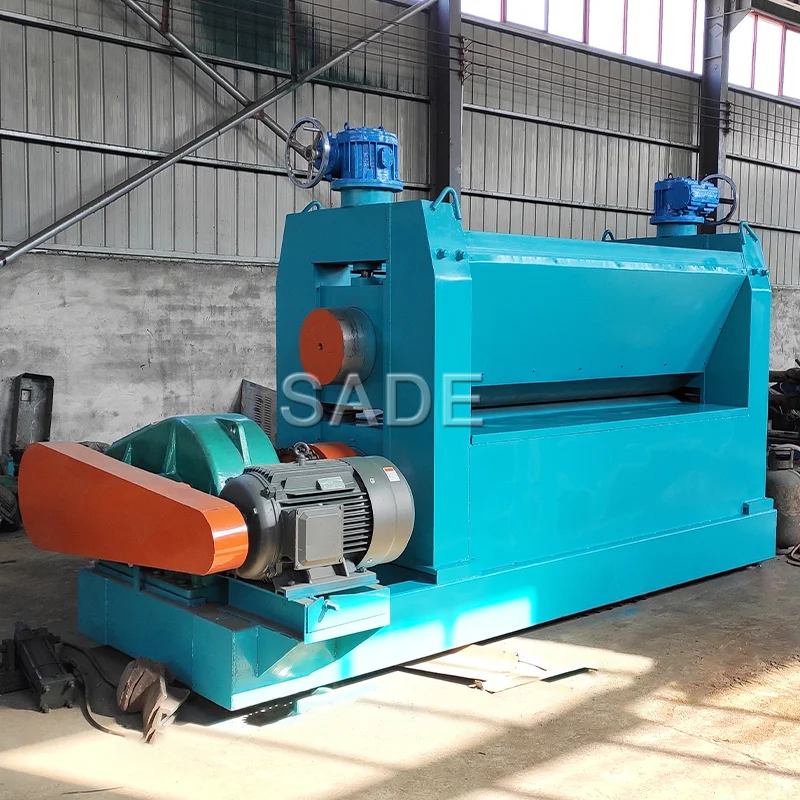
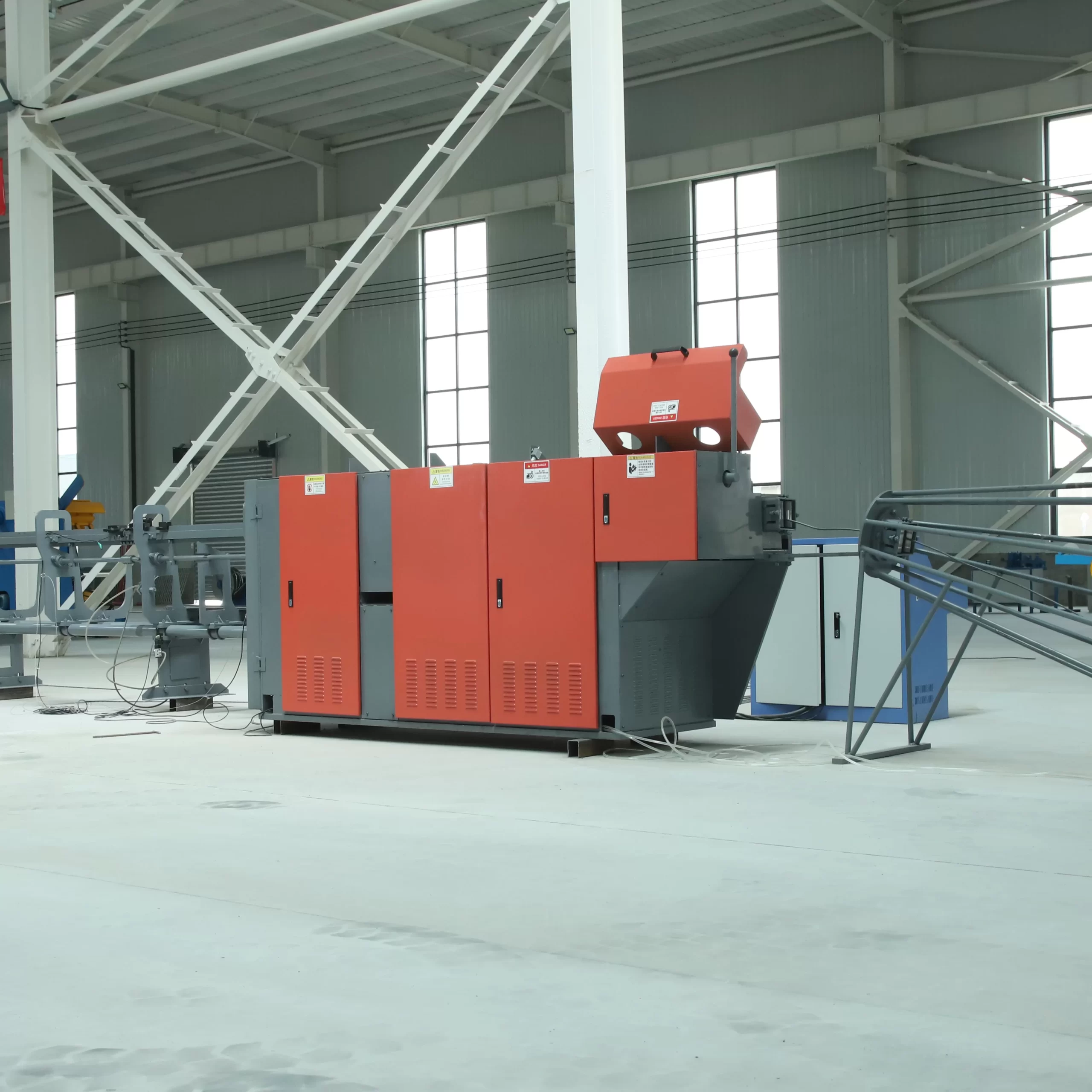
ZPJ Metal Mesh Flatting Machine
ZPJ metal mesh flatting machine is special designed for expanded metal flatting.It’s a corollary equipment of expanded metal machine. It can make expanded wire-mesh smoothly.And the flattened expanded metal have much more widely different applications.
Apr 24, 2026
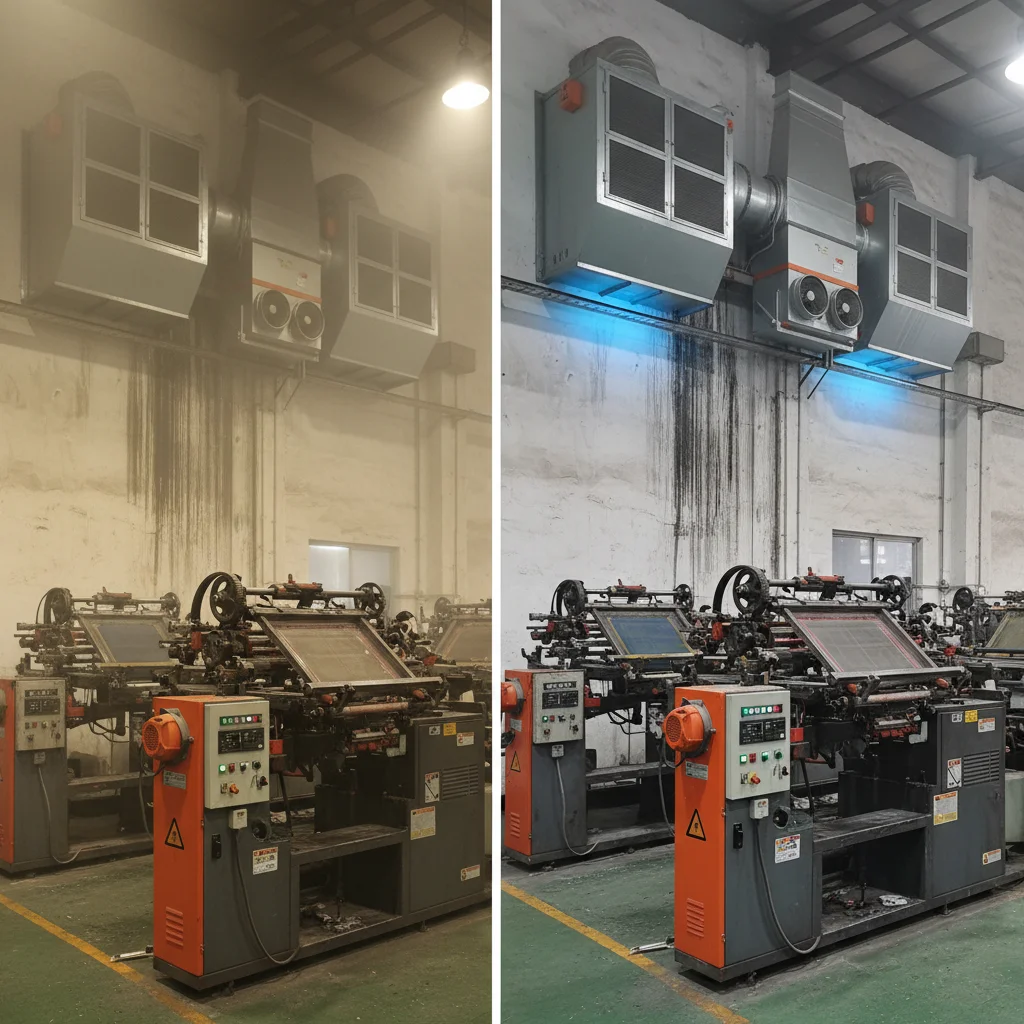
Industrial Wall Mounted Air Filtration for Clean Work Environments