
March 09, 2026
Electro forged grating welding machines are specialized equipment crucial for manufacturing high-quality steel grating used in various industrial and commercial applications. These machines utilize an electro-forging process to fuse the bearing bars and cross rods, resulting in exceptionally strong and durable grating panels. Choosing the right machine is vital for efficiency, precision, and the overall quality of the finished product. Mesh Machinery provides state-of-the-art solutions for electro forged grating production. This article will delve into the features, applications, and considerations when selecting an electro forged grating welding machine.
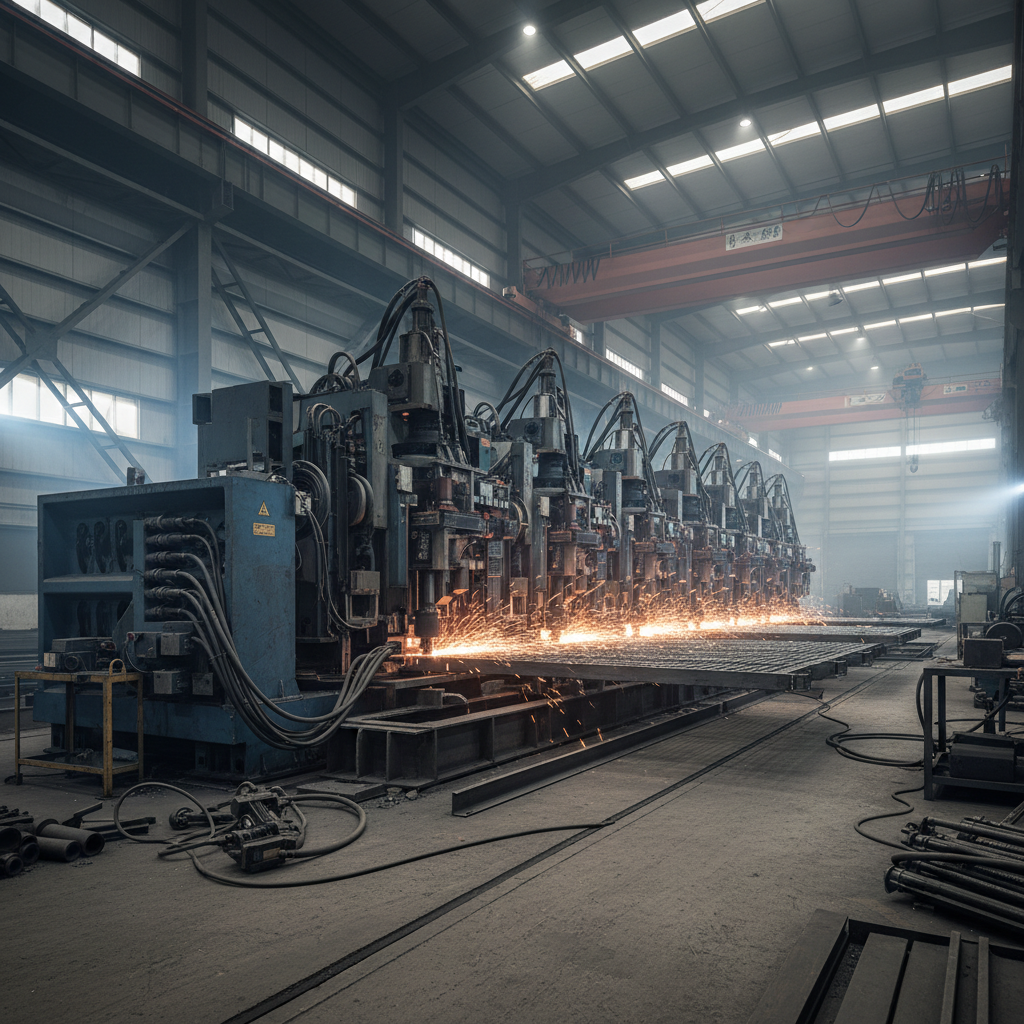
The electro-forging process differs significantly from traditional welding techniques. It employs a combination of electrical resistance heating and pressure forging to create a metallurgical bond between the grating components. This process doesn’t simply melt and fuse the metal; instead, it plasticizes the contact points, allowing them to be forged together under immense pressure. The result is a superior joint strength and resistance to corrosion. This is particularly important for applications in harsh environments. A key advantage is the reduction in thermal distortion, which maintains the structural integrity of the grating.
Key Benefits: Enhanced joint strength, superior corrosion resistance, minimal thermal distortion, and consistent weld quality.
Modern electro forged grating welding machines incorporate several advanced features. These include automatic feeding systems for both bearing bars and cross rods, precise current control for optimal heating, and adjustable pressure settings for consistent forging. Programmable Logic Controllers (PLCs) are commonly used for automation and process monitoring. Furthermore, many machines now feature integrated quality control systems that detect and reject defective welds in real-time. These features contribute to increased production rates, reduced labor costs, and improved product consistency. Mesh Machinery’s machines are designed with these advancements in mind.
Selecting the right machine requires careful consideration of several factors. The production volume is a primary driver – higher volumes necessitate machines with faster cycle times and greater automation. The size and type of grating being produced also influence the machine’s specifications. The material being welded (typically carbon steel, stainless steel, or aluminum) must be compatible with the machine's capabilities. Finally, consider the level of technical support and after-sales service offered by the manufacturer.
Important Considerations:
• Production Volume
• Grating Size and Type
• Material Compatibility
• Technical Support and Service
Here's a comparison table showcasing typical specifications of different electro forged grating welding machines:
Electro forged steel grating finds widespread applications across numerous industries. Common uses include: Walkways and platforms in industrial facilities, stair treads, floor grating in wastewater treatment plants, security fencing, catwalks in power generation plants, and bridge decking. The high load-bearing capacity and corrosion resistance make it an ideal choice for demanding environments.
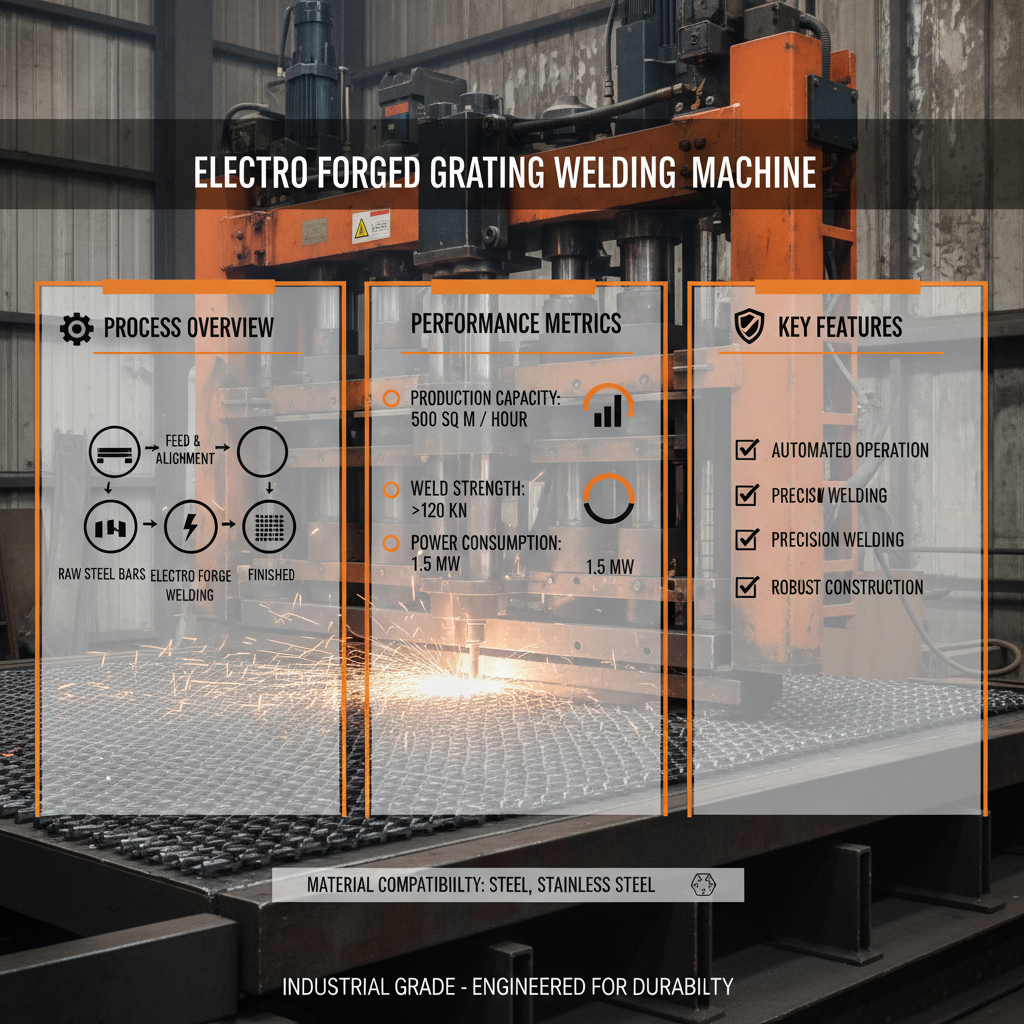
The field of electro forged grating welding is continually evolving. Ongoing research and development are focused on increasing automation, improving weld quality control, and enhancing energy efficiency. Expect to see more sophisticated PLC-based systems, advanced sensors for real-time monitoring, and the integration of artificial intelligence for predictive maintenance. Mesh Machinery is committed to staying at the forefront of these advancements, providing our customers with cutting-edge solutions.
Choosing the right electro forged grating welding machine is a critical investment for any grating manufacturer. By considering factors such as production volume, material compatibility, and automation features, you can select a machine that optimizes efficiency, ensures product quality, and maximizes your return on investment. Mesh Machinery offers a comprehensive range of machines to meet your specific needs.
Electro forged grating welding machines are primarily designed for welding carbon steel, but can also be adapted for stainless steel and aluminum alloys. The specific machine configuration and welding parameters need to be adjusted based on the material being used. It is critical to ensure the machine’s power supply, electrode material, and forging pressure are appropriate for the alloy. Using the incorrect settings can lead to poor weld quality or damage to the machine. Always consult the manufacturer's guidelines for material compatibility and optimal welding parameters.
Regular maintenance is vital for ensuring the longevity and performance of the machine. The typical schedule includes daily inspections of welding electrodes, regular cleaning of the forging surfaces, and periodic lubrication of moving parts. Monthly checks should include inspecting the power supply, control systems, and hydraulic components. Annual preventative maintenance should be performed by a qualified technician, including a thorough inspection and calibration of all systems. Proper maintenance prevents downtime and ensures consistent weld quality.
Safety is paramount when operating this type of machinery. Operators should always wear appropriate personal protective equipment (PPE), including safety glasses, gloves, and hearing protection. Ensure the machine is properly grounded and that all safety interlocks are functioning correctly. Never attempt to repair or adjust the machine while it is energized. Provide adequate ventilation to remove welding fumes. Strict adherence to safety protocols minimizes the risk of injury.
Automation significantly enhances efficiency by reducing manual labor, increasing production speed, and improving weld consistency. Automated feeding systems eliminate the need for manual handling of materials, while programmable controls ensure precise welding parameters. Integrated quality control systems automatically detect and reject defective welds, minimizing waste. This ultimately leads to lower production costs and improved product quality.
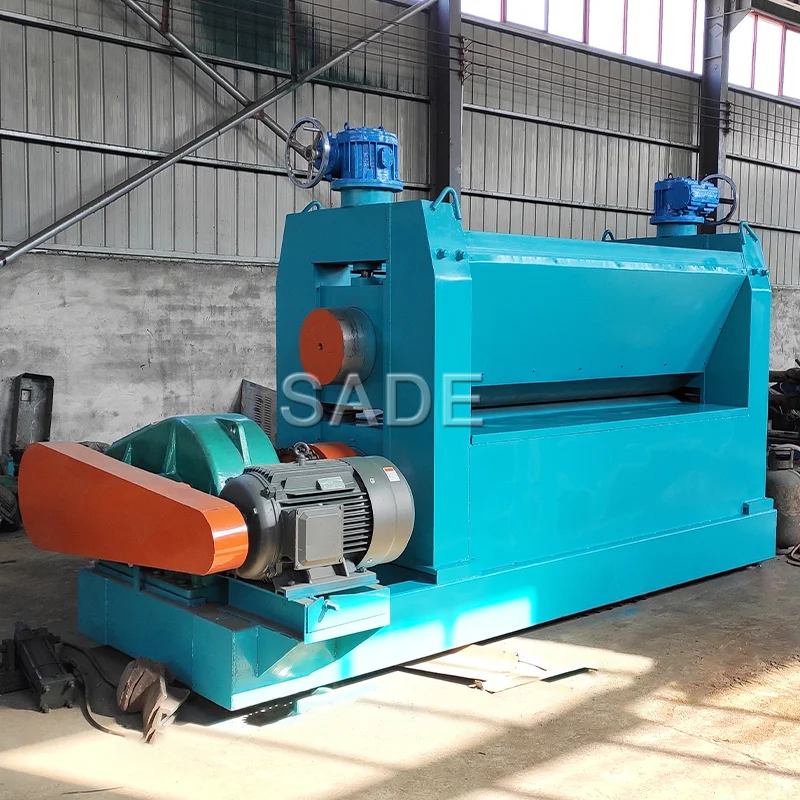
ZPJ Metal Mesh Flatting Machine
ZPJ metal mesh flatting machine is special designed for expanded metal flatting.It’s a corollary equipment of expanded metal machine. It can make expanded wire-mesh smoothly.And the flattened expanded metal have much more widely different applications.
Apr 24, 2026
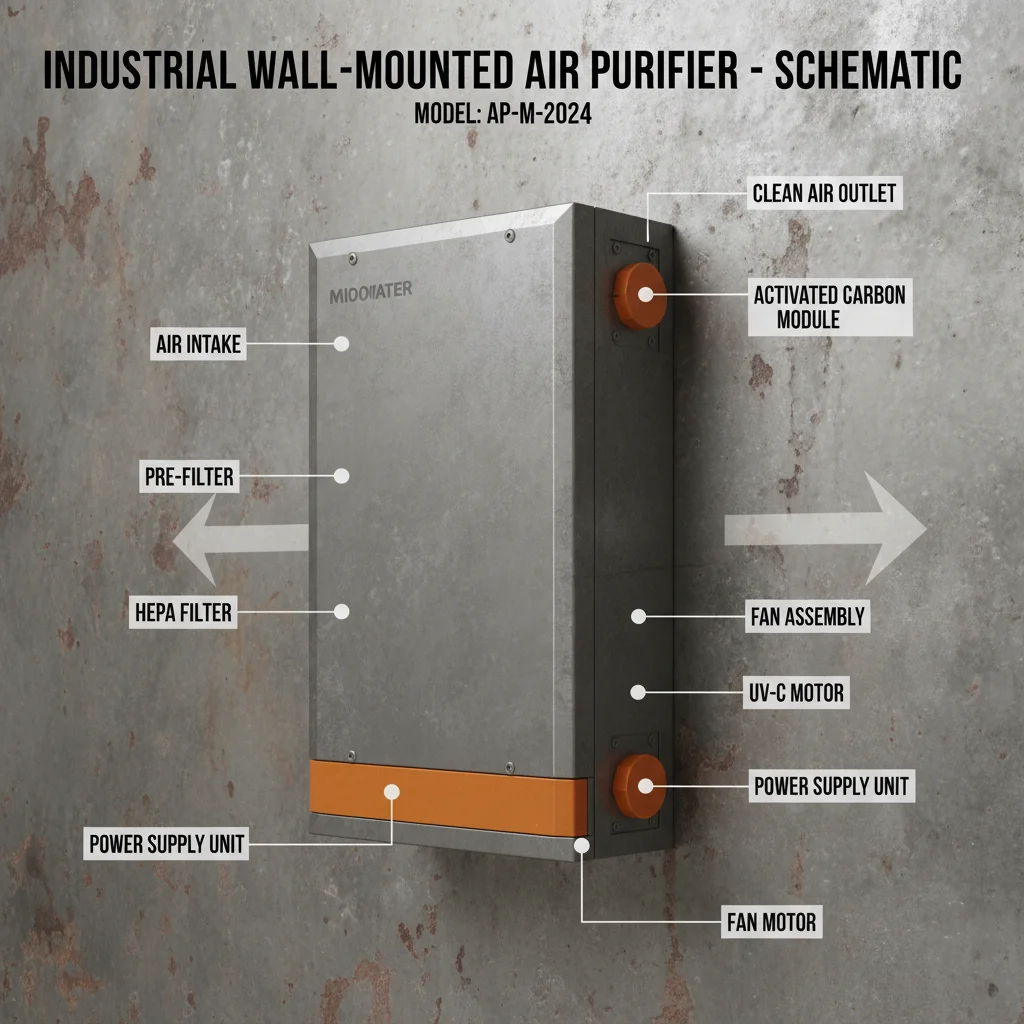
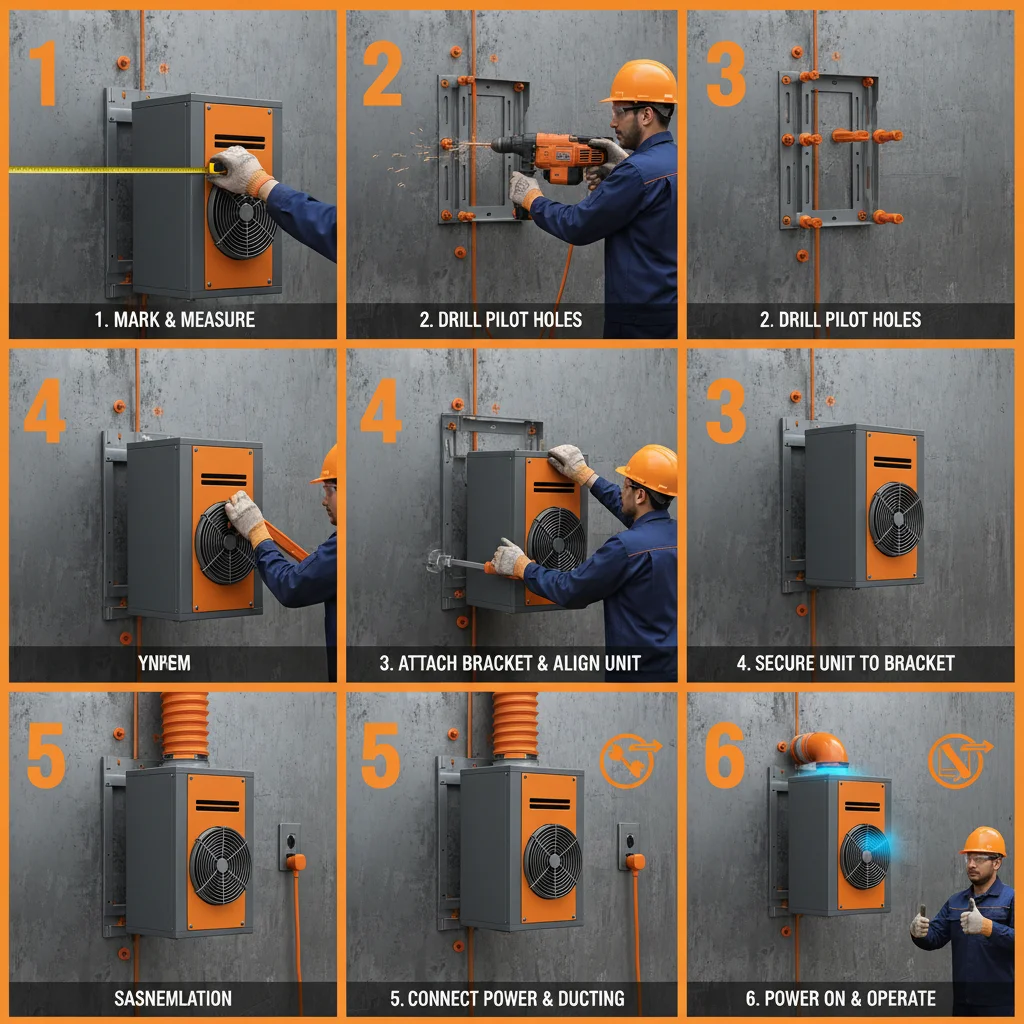
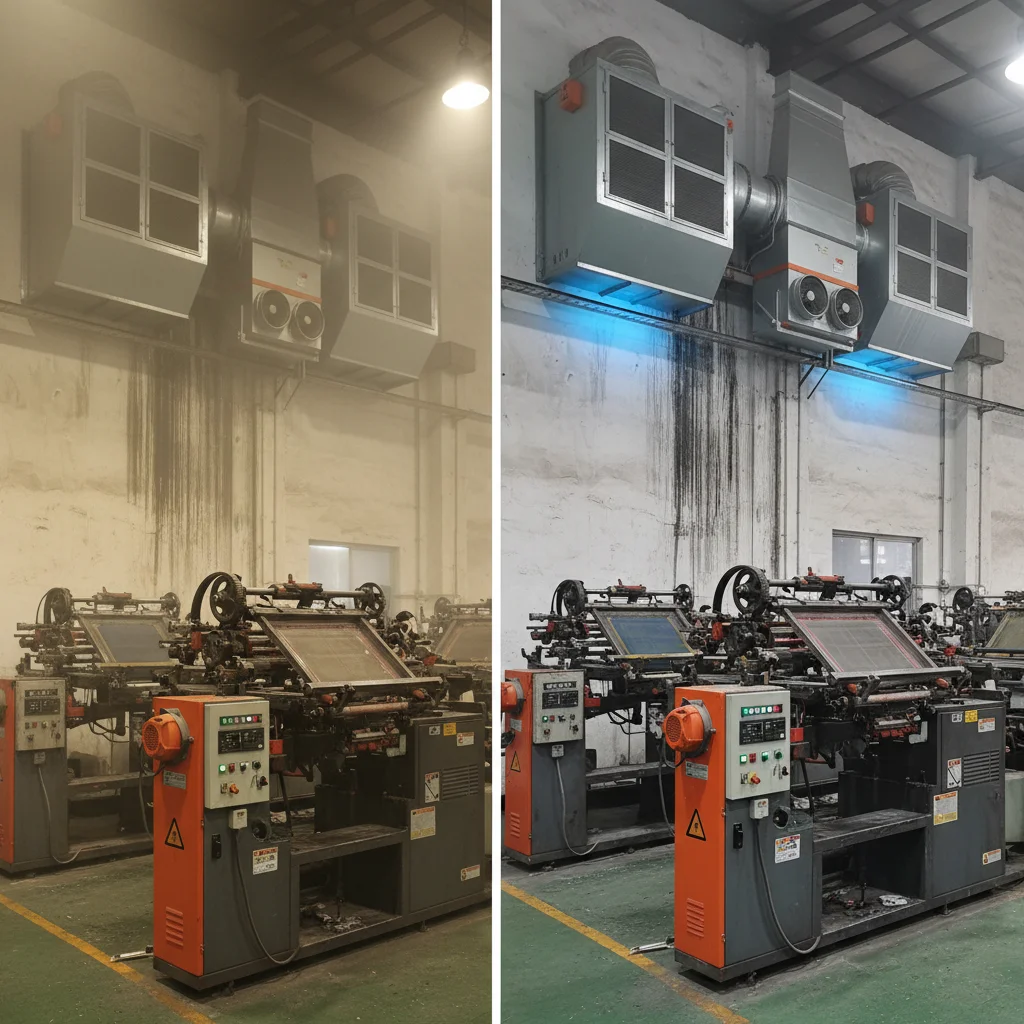
Industrial Wall Mounted Air Filtration for Clean Work Environments