
February 02, 2026
When considering expanding your manufacturing capabilities, investing in a link mesh machine is a significant step. Understanding the factors influencing link mesh machine price is crucial for making an informed decision. This article will delve into the various price determinants, machine types, and provide guidance for finding the right solution for your specific needs. We'll cover everything from basic models to highly automated systems, empowering you to make a smart investment.
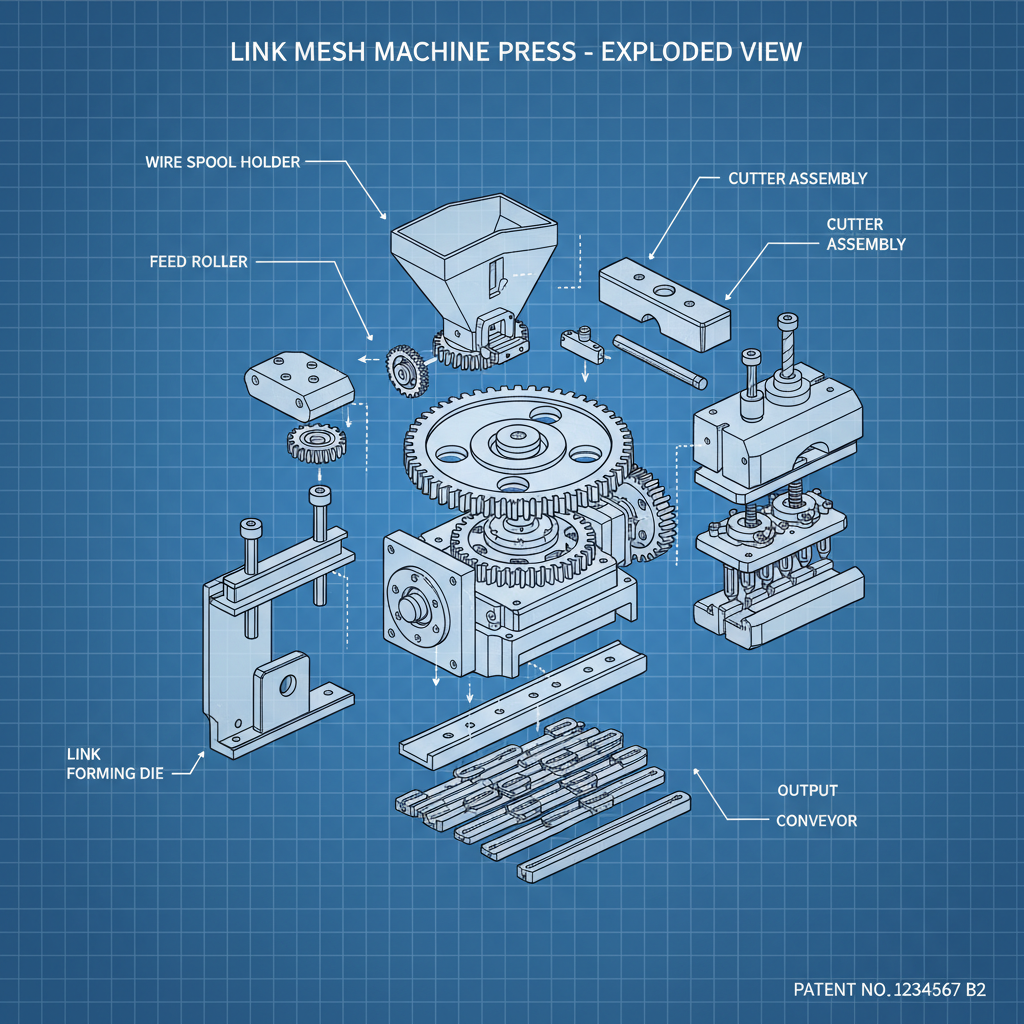
The price of a link mesh machine isn’t fixed; it varies considerably depending on several key factors. The level of automation is a primary driver – manual machines are significantly cheaper than fully automatic ones. Machine capacity (output per minute) plays a large role; higher capacity machines command higher prices. The materials the machine can process (stainless steel, galvanized wire, etc.) also impact cost. Finally, the manufacturer’s reputation, warranty, and after-sales service all contribute to the overall price. Consider your production volume and desired mesh quality when assessing these factors.
Key Price Influencers: Automation level, machine capacity, material compatibility, and manufacturer reputation.
Different types of link mesh machines cater to varying production needs and budgets. Manual machines are the most affordable, typically ranging from $5,000 to $15,000. Semi-automatic machines, offering some degree of automation, fall in the $15,000 to $30,000 range. Fully automatic machines, capable of high-volume production with minimal operator intervention, can cost anywhere from $30,000 to $100,000 or even more, depending on their complexity and capacity. Choosing the right type depends on your projected output, labor costs, and investment capacity.
Machine Type Breakdown:
• Manual Machines: $5,000 - $15,000
• Semi-Automatic Machines: $15,000 - $30,000
• Fully Automatic Machines: $30,000 - $100,000+
When evaluating different models, comparing key features alongside the price is essential. Machines with features like automatic wire feeding, adjustable mesh size, and programmable controls often come with a higher price tag but offer increased efficiency and flexibility. Consider the long-term benefits of these features, such as reduced labor costs and improved product quality. Meshmachinery.com provides detailed specifications and pricing for a wide range of machines, allowing for informed comparisons.
Beyond the initial link mesh machine price, factor in potential hidden costs. These include shipping, installation, training, and ongoing maintenance. The cost of spare parts should also be considered. Investing in a machine with readily available spare parts and a strong support network can save you significant expenses in the long run. Don't solely focus on the lowest upfront price; evaluate the total cost of ownership over the machine's lifespan.
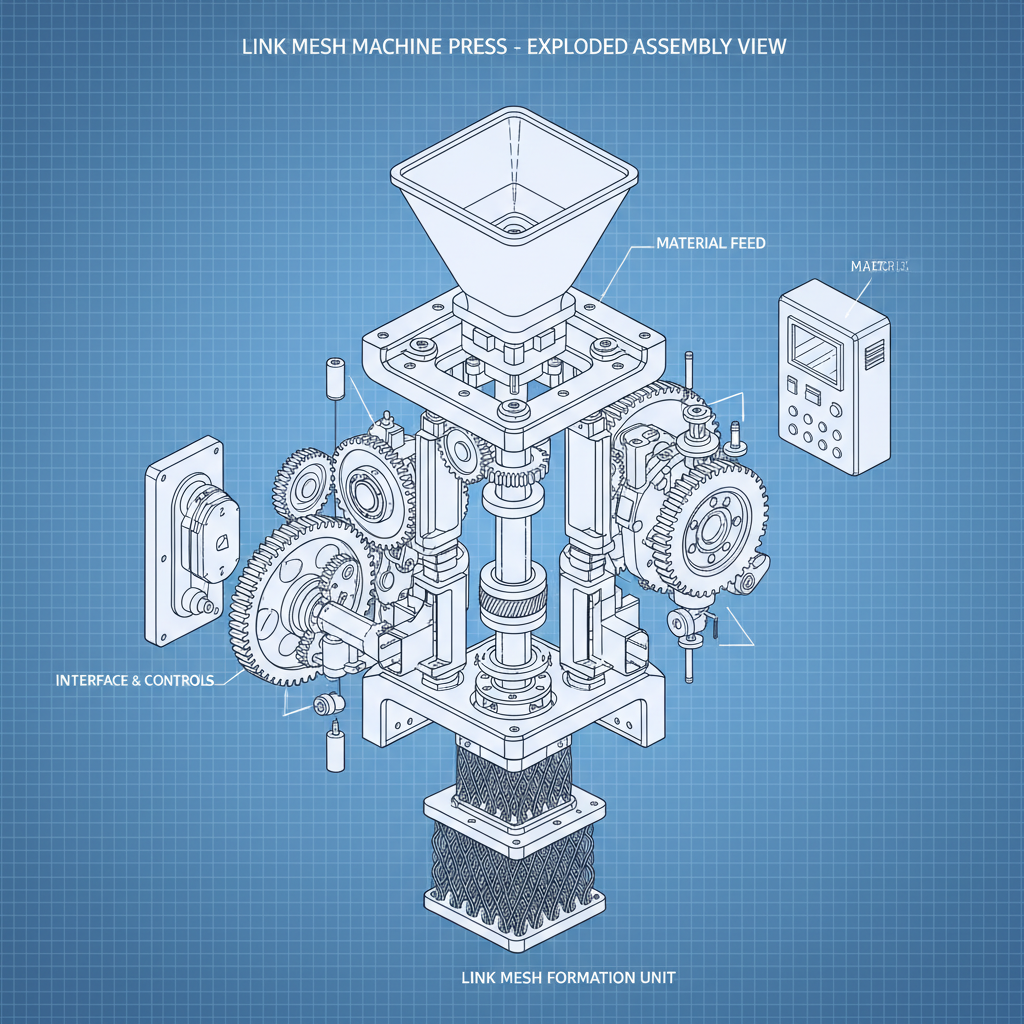
Sourcing from reputable suppliers is crucial. Meshmachinery.com is a trusted source for high-quality link mesh machines, offering competitive pricing and expert support. Consider attending industry trade shows and contacting multiple suppliers to obtain quotes. Always verify the supplier's credentials and read customer reviews before making a purchase. Prioritize suppliers who offer comprehensive warranties and after-sales service.
Understanding the factors that influence link mesh machine price is the first step towards making a sound investment. By carefully considering your production needs, budget, and long-term goals, you can choose the machine that best suits your requirements. Meshmachinery.com provides the resources and expertise to guide you through the selection process. Invest wisely, and optimize your manufacturing operations.
Regular maintenance is vital to ensure optimal performance and longevity. This includes daily lubrication of moving parts, regular inspection of wire feeders and dies for wear and tear, and periodic cleaning to remove debris. Checking and tightening bolts and screws is also essential. Following the manufacturer’s maintenance schedule is highly recommended. Neglecting maintenance can lead to increased downtime and costly repairs.
Most link mesh machines can process a variety of wire materials, including galvanized steel, stainless steel, and PVC-coated wire. The specific types of wire compatible with a particular machine depend on its design and capabilities. It's crucial to verify the machine's specifications to ensure it can handle the wire material you intend to use. Using incompatible materials can damage the machine and void the warranty.
Safety is paramount when operating a link mesh machine. Always wear appropriate personal protective equipment (PPE), including safety glasses, gloves, and hearing protection. Ensure the machine is properly grounded and that all safety guards are in place. Never attempt to repair or adjust the machine while it’s running. Thorough training on safe operating procedures is essential for all operators.
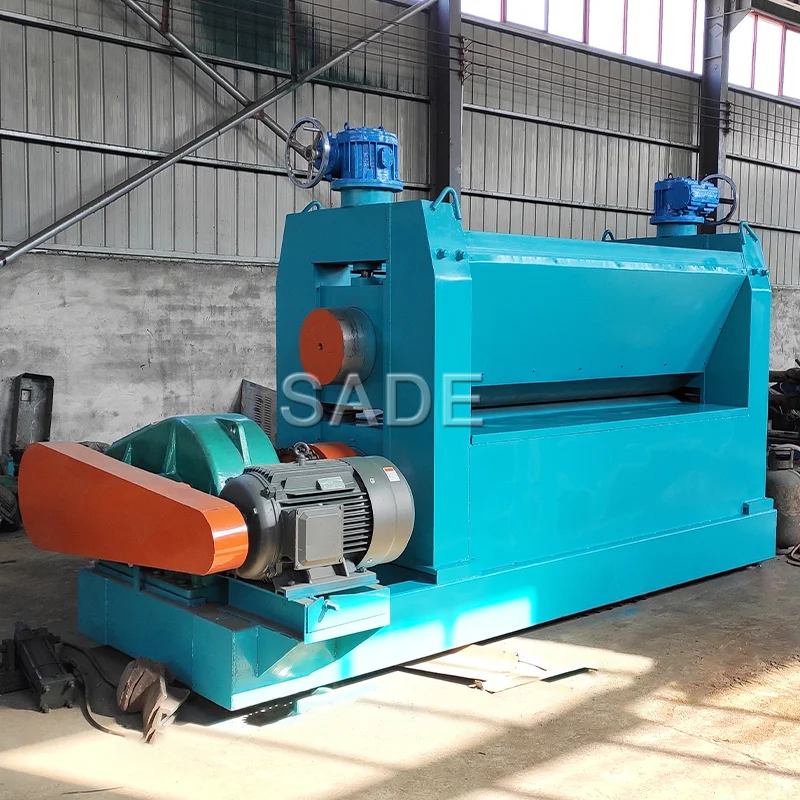
ZPJ Metal Mesh Flatting Machine
ZPJ metal mesh flatting machine is special designed for expanded metal flatting.It’s a corollary equipment of expanded metal machine. It can make expanded wire-mesh smoothly.And the flattened expanded metal have much more widely different applications.
Apr 24, 2026
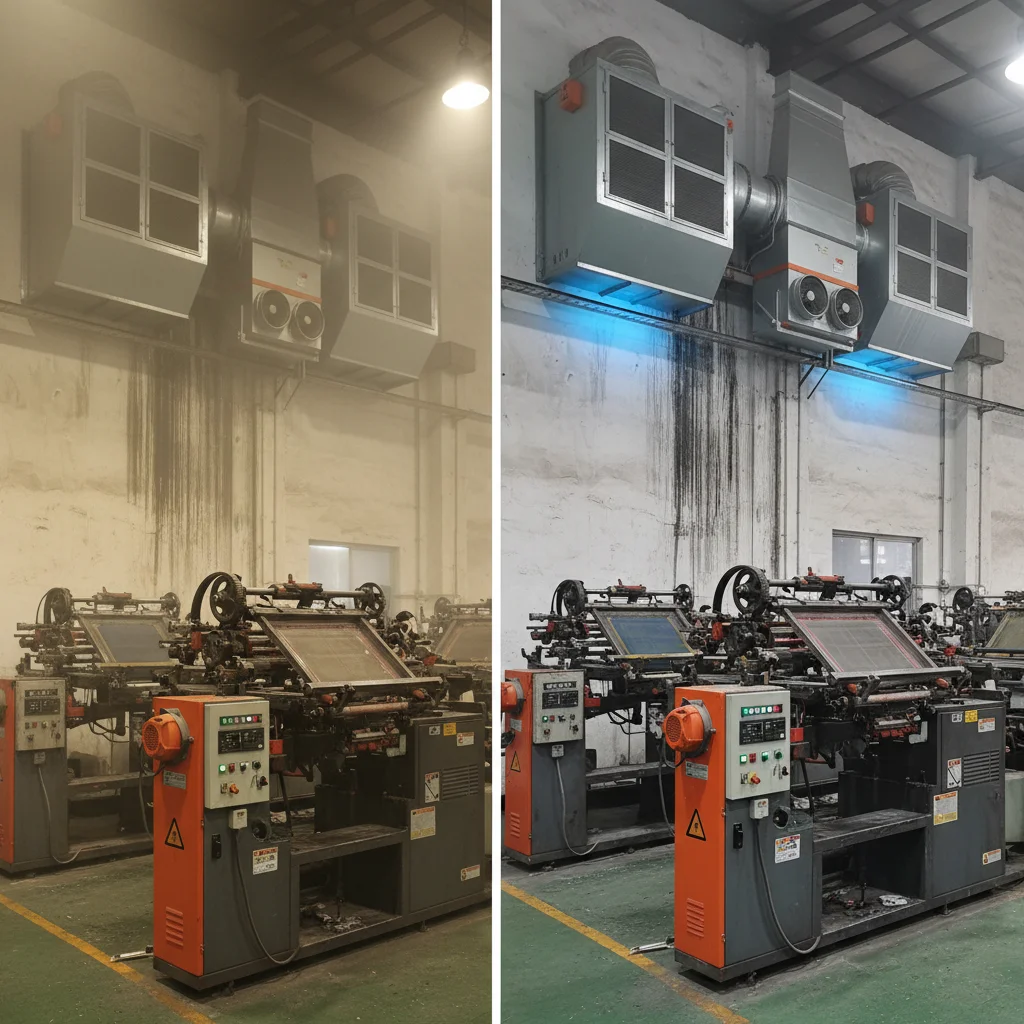
Industrial Wall Mounted Air Filtration for Clean Work Environments