
March 03, 2026
The demand for high-quality reinforcing mesh is consistently growing across the construction industry, driven by the need for stronger, more durable concrete structures. At the heart of producing this vital component lies the reinforcing mesh welding machine. This article will delve into the world of these machines, exploring their types, key features, benefits, applications, and what to consider when making a purchase. Understanding these machines is crucial for businesses aiming to optimize production and meet the rising demand for robust construction materials.
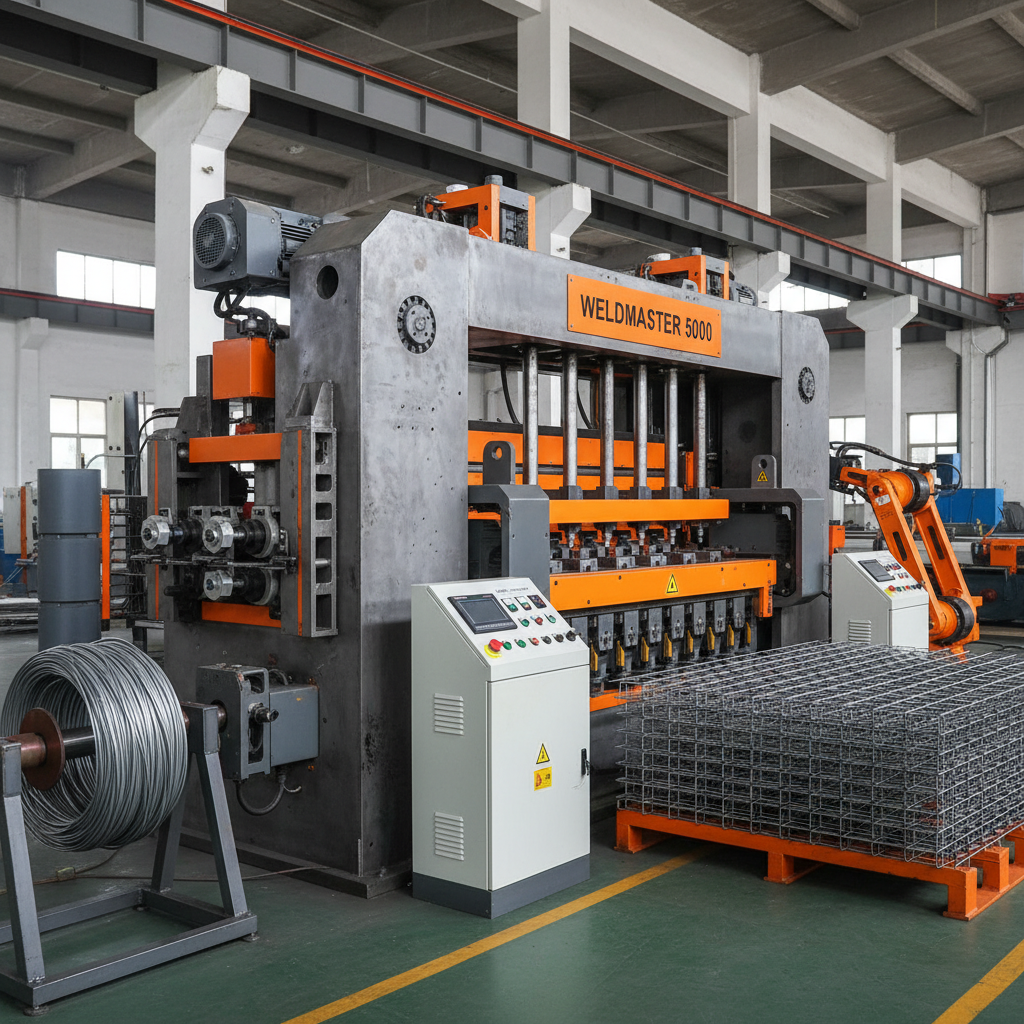
Reinforcing mesh welding machines are specialized equipment designed to automatically weld intersecting metal wires into a grid-like pattern, forming reinforcing mesh. This mesh is then used to reinforce concrete structures, enhancing their strength and preventing cracking. These machines come in various configurations, each suited to different production volumes and mesh specifications. The core principle involves using electrical resistance welding, where current is passed through the intersection of the wires, generating heat and fusing the metal together. Automation is a key factor, reducing labor costs and ensuring consistent weld quality. Choosing the right machine depends on your specific needs, including the type of wire used, mesh size, and desired production capacity.
Key Benefit: Increased production efficiency and consistent weld quality compared to manual welding processes, translating to significant cost savings and improved structural integrity.
There are several main types of reinforcing mesh welding machines available on the market. These can broadly be categorized by their level of automation and construction style. Here's a breakdown of the most common types:
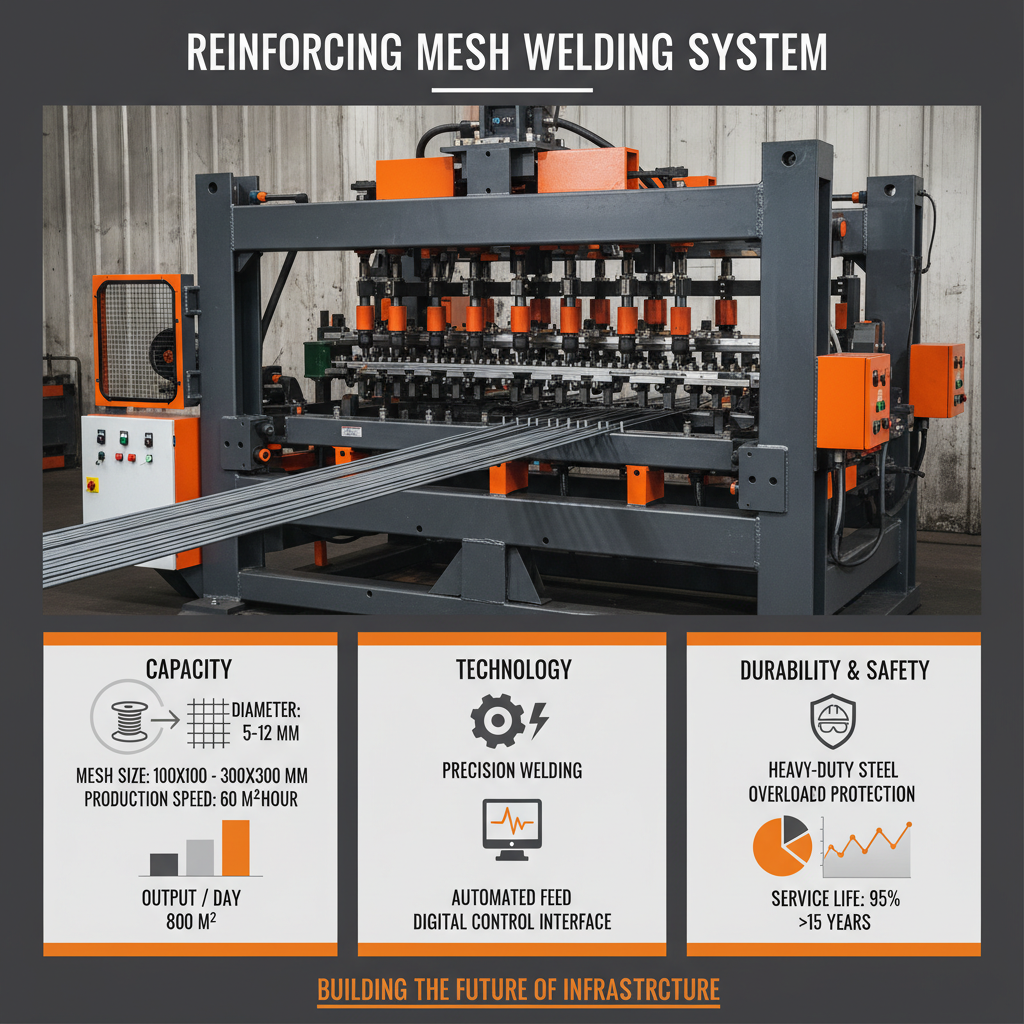
When investing in a reinforcing mesh welding machine, several key features should be considered to ensure it meets your specific production needs. These include the welding speed, wire diameter capacity, mesh size range, control system, and overall durability. A robust control system, preferably with a user-friendly interface, is essential for accurate and efficient operation. Furthermore, consider the machine's maintenance requirements and the availability of spare parts. Machines from reputable manufacturers like Meshmachinery.com often offer superior reliability and support.
Essential Features Checklist:
• Welding Speed: Impacts production volume.
• Wire Diameter Capacity: Ensures compatibility with your materials.
• Mesh Size Range: Flexibility to produce various mesh specifications.
• Control System: Ease of use and accuracy.
• Durability & Maintenance: Long-term reliability and minimal downtime.
Investing in an automatic reinforcing mesh welding machine offers a multitude of benefits for construction material manufacturers. These include significantly increased production capacity, reduced labor costs through automation, and consistent weld quality, minimizing material waste and ensuring structural integrity. Furthermore, these machines enhance workplace safety by eliminating the hazards associated with manual welding processes. The ability to customize mesh sizes and patterns expands your product offerings and allows you to cater to a wider range of customer needs. Ultimately, an automated system translates to improved profitability and a competitive edge in the market.
Reinforcing mesh produced by these machines finds widespread application in various sectors of the construction industry. It's fundamental for reinforcing concrete slabs, walls, and foundations in building construction. Precast concrete manufacturers rely heavily on welded mesh for producing a wide range of precast elements. In road construction, mesh is used to strengthen concrete pavements. Tunneling and mining applications also require robust reinforcing mesh for ground stabilization. The versatility of the material makes it an indispensable component in modern construction projects.
Investing in a high-quality reinforcing mesh welding machine is a strategic move for any business involved in concrete reinforcement. By choosing the right machine and partnering with a reliable supplier like Meshmachinery.com, you can optimize your production process, enhance product quality, and secure a competitive advantage in the market. Don't compromise on the foundation of your structures - choose a machine built for durability and performance.
Most reinforcing mesh welding machines are designed to accommodate a variety of wire types, including mild steel, high-tensile steel, and stainless steel. However, the specific wire diameter capacity varies depending on the machine model. It's crucial to confirm that the machine can handle the wire specifications you intend to use. Factors like wire tensile strength and surface coating can also influence weld quality, so it's important to consult with the manufacturer for compatibility recommendations.
Regular maintenance is essential for ensuring the longevity and optimal performance of your reinforcing mesh welding machine. This includes routine cleaning to remove debris and dust, lubrication of moving parts, inspection of welding electrodes, and checking the condition of the wire feeding system. Some machines may require periodic calibration of the control system. Following the manufacturer's recommended maintenance schedule will help prevent breakdowns and minimize downtime.
Safety should always be a top priority when operating reinforcing mesh welding machines. Ensure that the machine is properly grounded and that all safety guards are in place. Operators should wear appropriate personal protective equipment (PPE), including welding helmets, gloves, and safety shoes. Avoid contact with live electrical components and be aware of the potential for burns from hot surfaces. Regular safety training for operators is crucial for preventing accidents.
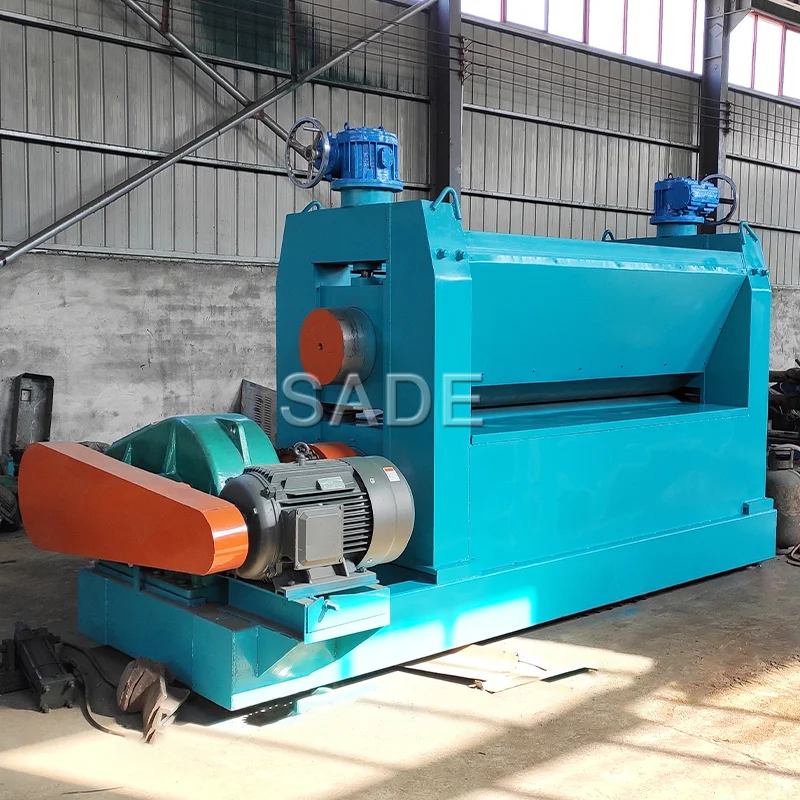
ZPJ Metal Mesh Flatting Machine
ZPJ metal mesh flatting machine is special designed for expanded metal flatting.It’s a corollary equipment of expanded metal machine. It can make expanded wire-mesh smoothly.And the flattened expanded metal have much more widely different applications.
Apr 24, 2026
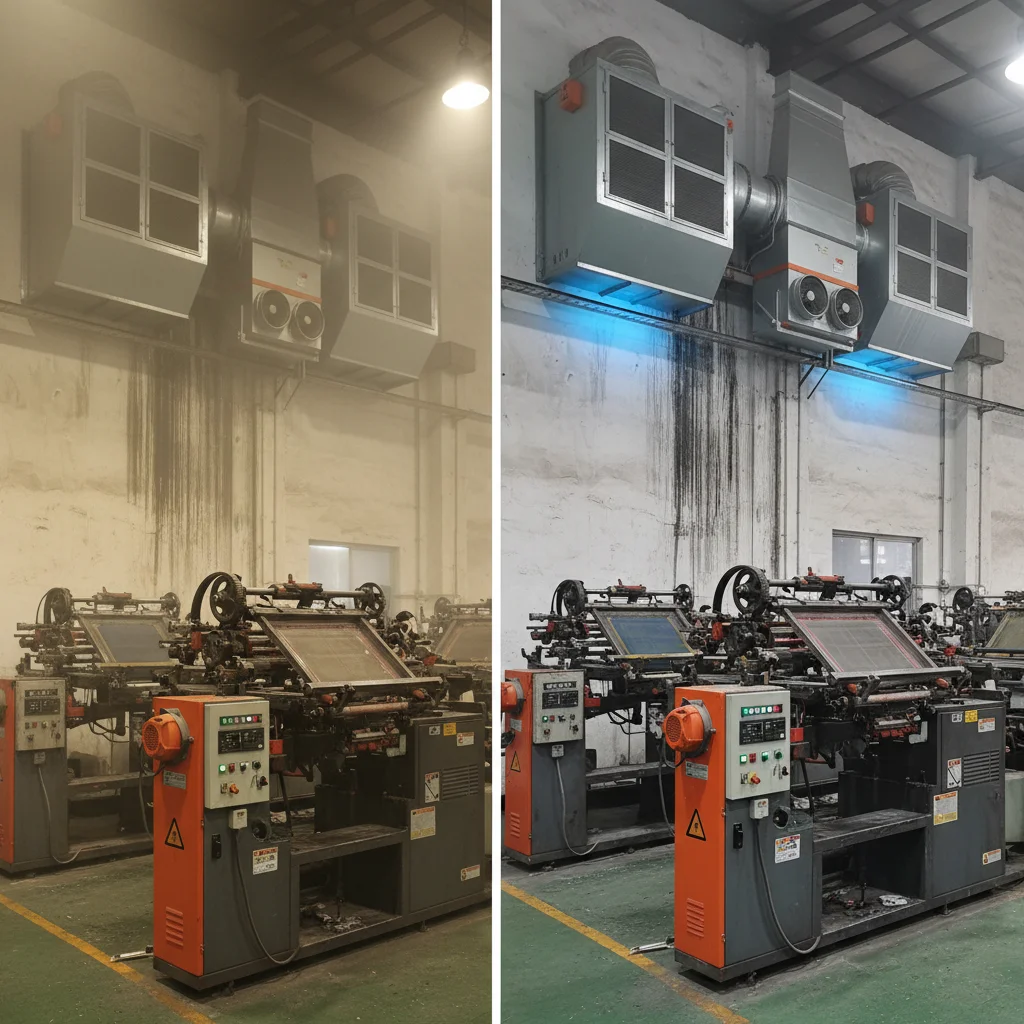
Industrial Wall Mounted Air Filtration for Clean Work Environments