
March 17, 2026
The demand for wire mesh products is steadily increasing across various industries, from construction and agriculture to security and manufacturing. This drives the need for efficient and reliable wire mesh machines. This article explores the different types of wire mesh machines, their applications, factors to consider when purchasing, and the latest advancements in the industry. Understanding these machines is crucial for businesses looking to optimize their production processes and meet the growing market demands. Selecting the right equipment is an investment in efficiency and product quality.
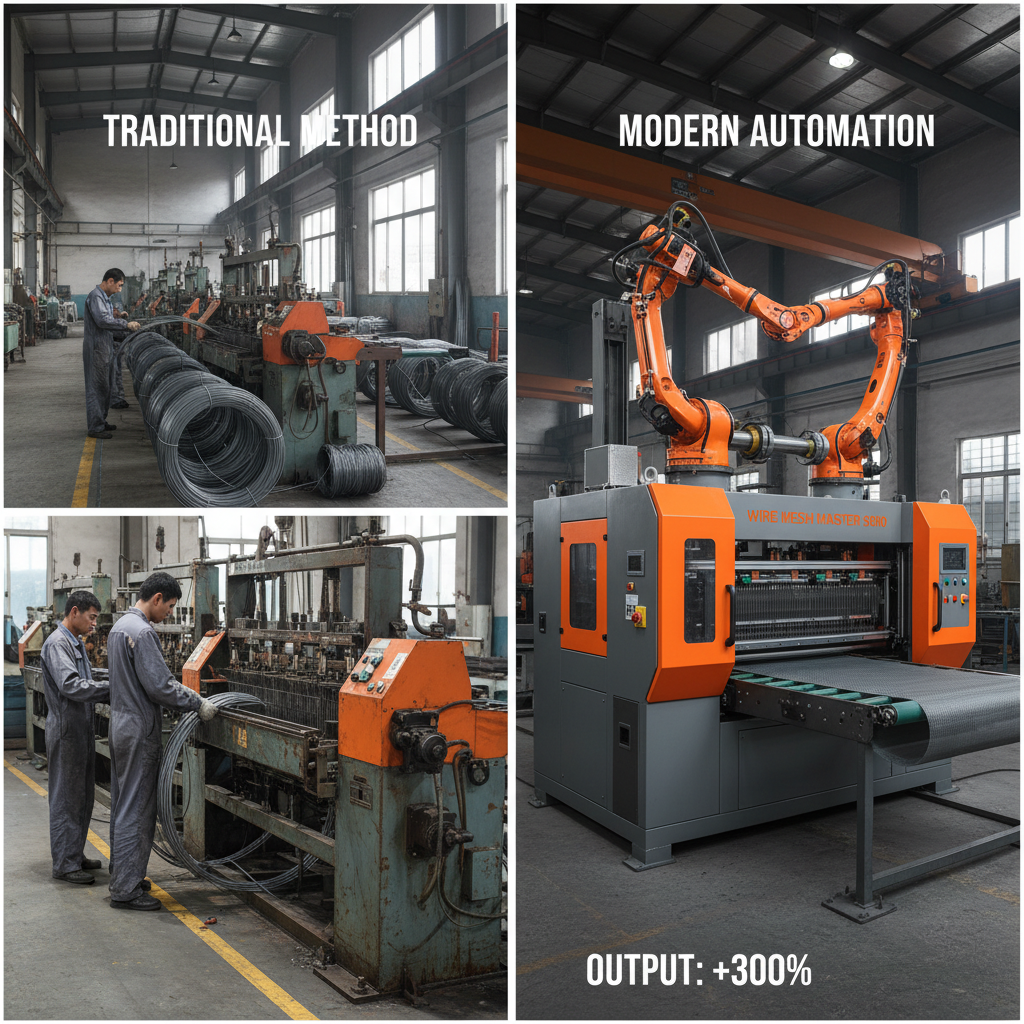
Various wire mesh machines cater to diverse production needs. Some of the most common types include: Hexagonal Wire Mesh Machines, Chain Link Fence Machines, Welded Wire Mesh Machines, and Expanded Metal Mesh Machines. Hexagonal mesh machines produce netting often used in agriculture and animal enclosures. Chain link fence machines create the fencing commonly found in sports fields and security systems. Welded wire mesh machines offer precision and are used in reinforcement and filtration. Expanded metal machines create strong and lightweight panels. The choice of machine depends on the desired mesh type, production volume, and application. Meshmachinery.com offers a comprehensive range of these machines.
Key Takeaway: The ideal machine is determined by specific product requirements and production goals. Understanding the distinct capabilities of each type allows for a more informed decision.
Wire mesh finds application in a vast array of industries. In construction, it's vital for concrete reinforcement and plastering. Agriculture utilizes it for fencing, poultry netting, and crop protection. Security relies on chain link fencing and reinforced mesh for perimeter control. Manufacturing incorporates wire mesh in filters, screens, and protective guards. The automotive and aerospace industries use it for lightweight structural components. The versatility of wire mesh makes these machines indispensable for a multitude of businesses.
Industry Applications:
• Construction: Concrete reinforcement, plastering
• Agriculture: Fencing, poultry netting, crop protection
• Security: Chain link fencing, perimeter control
• Manufacturing: Filters, screens, protective guards
Selecting the appropriate wire mesh machine requires careful consideration. Factors include production capacity, wire material compatibility (steel, stainless steel, aluminum), mesh aperture size, machine automation level, and budget. Automation increases efficiency and reduces labor costs, but comes with a higher initial investment. The type of wire material affects the machine's required features and durability. Proper evaluation of these elements ensures a machine that aligns with your business needs and maximizes return on investment.
Recent advancements focus on increased automation, precision, and efficiency. CNC (Computer Numerical Control) technology allows for intricate mesh designs and tight tolerances. Servo motor control systems enhance accuracy and reduce energy consumption. Automated coil loading and unloading systems minimize downtime and labor costs. Remote monitoring and diagnostics capabilities facilitate proactive maintenance and troubleshooting. These technological improvements translate to higher quality products, reduced operational costs, and increased profitability. Meshmachinery.com is at the forefront of these innovations.
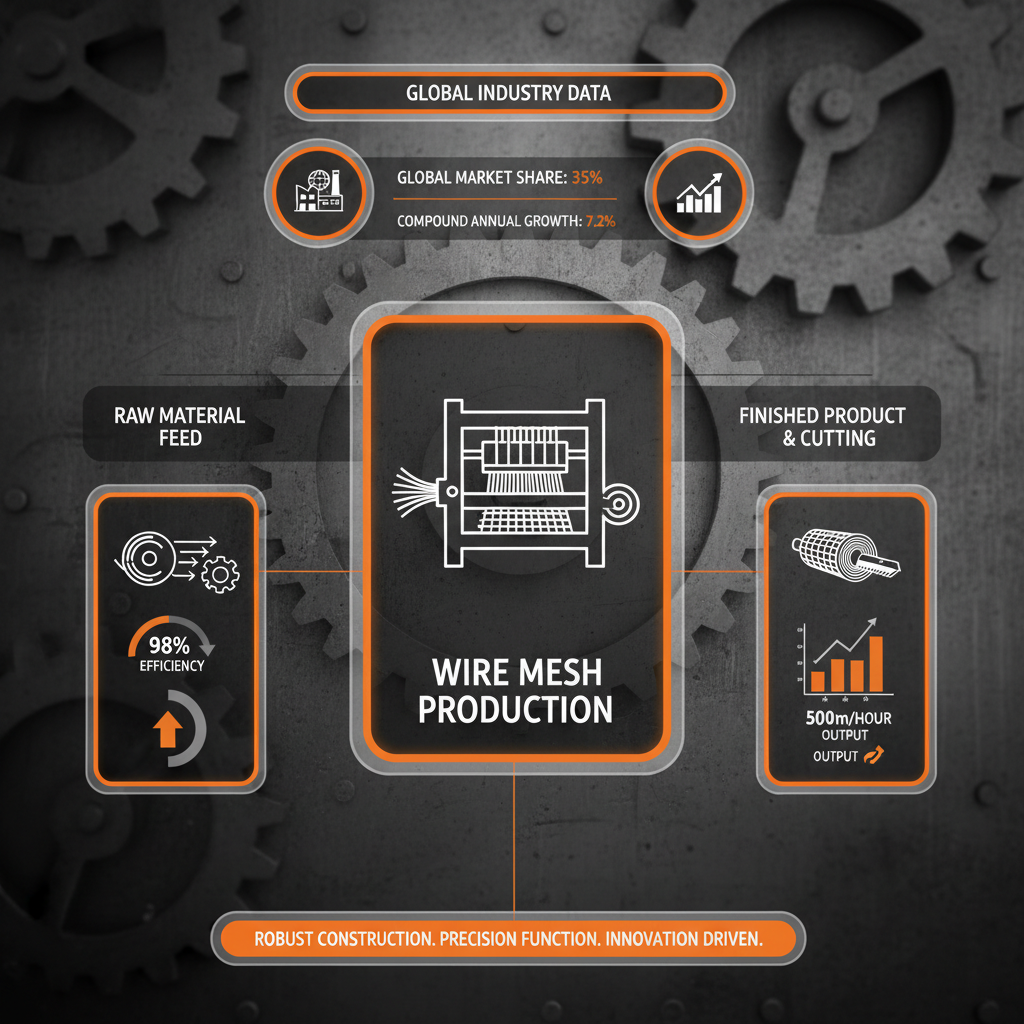
Regular maintenance is critical for maximizing machine lifespan and preventing costly downtime. This includes lubricating moving parts, inspecting belts and gears, cleaning filters, and checking electrical connections. Promptly addressing issues like wire breakage, inconsistent mesh size, or unusual noises can prevent minor problems from escalating into major repairs. Proper training for operators is essential for ensuring safe and efficient operation and early detection of potential issues. Establishing a preventative maintenance schedule and keeping a record of maintenance activities will help you maintain peak performance.
Investing in the right wire mesh machine is a strategic decision that can significantly impact your business's success. By carefully considering your production needs, choosing a reputable supplier like Meshmachinery.com, and implementing a robust maintenance program, you can ensure long-term efficiency, product quality, and profitability.
Lead times can vary significantly depending on the machine's complexity, customization requirements, and the manufacturer's current production schedule. Generally, standard machines have a lead time of 4-8 weeks, while customized machines may take 8-16 weeks or longer. It’s crucial to discuss lead times with the supplier upfront to accurately plan your production schedule. Factors like material availability and order volume can also affect delivery times. Contacting Meshmachinery.com will provide a specific timeline for your needs.
Most wire mesh machine manufacturers offer a warranty ranging from 12 to 24 months, covering defects in materials and workmanship. The warranty typically does not cover wear-and-tear items, such as cutting tools or belts. It's important to carefully review the warranty terms and conditions before purchasing. Some suppliers also offer extended warranty options for an additional fee. Meshmachinery.com provides detailed warranty information with each machine.
Reputable manufacturers offer comprehensive technical support, including installation assistance, operator training, troubleshooting guides, and spare parts availability. Some provide remote diagnostics and on-site service for more complex issues. The level of support can vary, so it's important to inquire about the support services offered before making a purchase. Meshmachinery.com provides full support services to ensure seamless operation.
Maintaining a stock of essential spare parts, such as cutting tools, belts, and sensors, can significantly reduce downtime. Establishing a relationship with a reliable spare parts supplier is also crucial. Regular preventative maintenance, as described earlier, can help identify and address potential issues before they lead to breakdowns. Having access to remote diagnostics and on-site service from the manufacturer can expedite repairs.
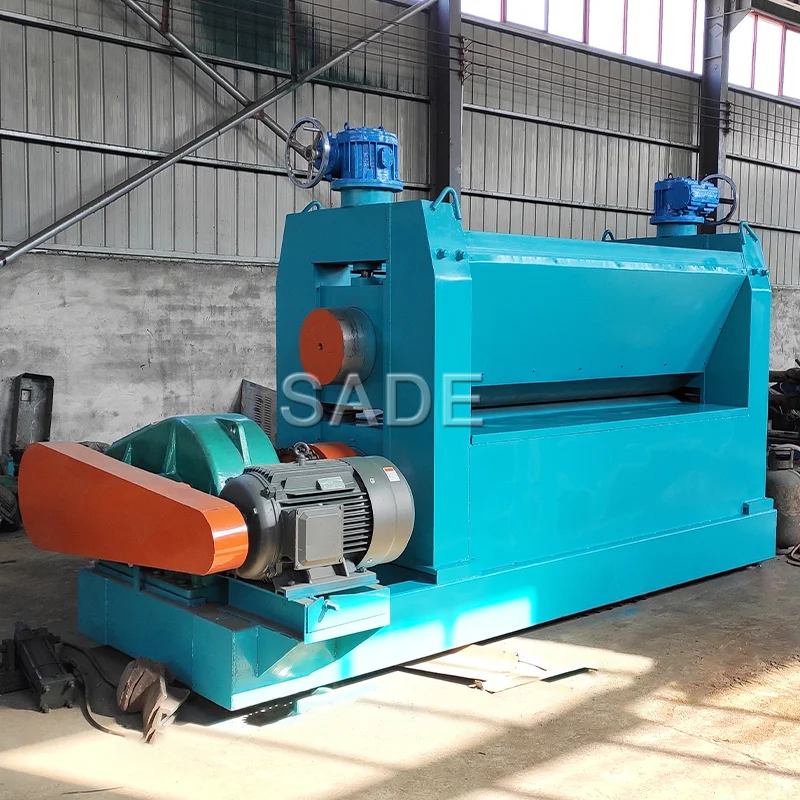
ZPJ Metal Mesh Flatting Machine
ZPJ metal mesh flatting machine is special designed for expanded metal flatting.It’s a corollary equipment of expanded metal machine. It can make expanded wire-mesh smoothly.And the flattened expanded metal have much more widely different applications.
Apr 24, 2026
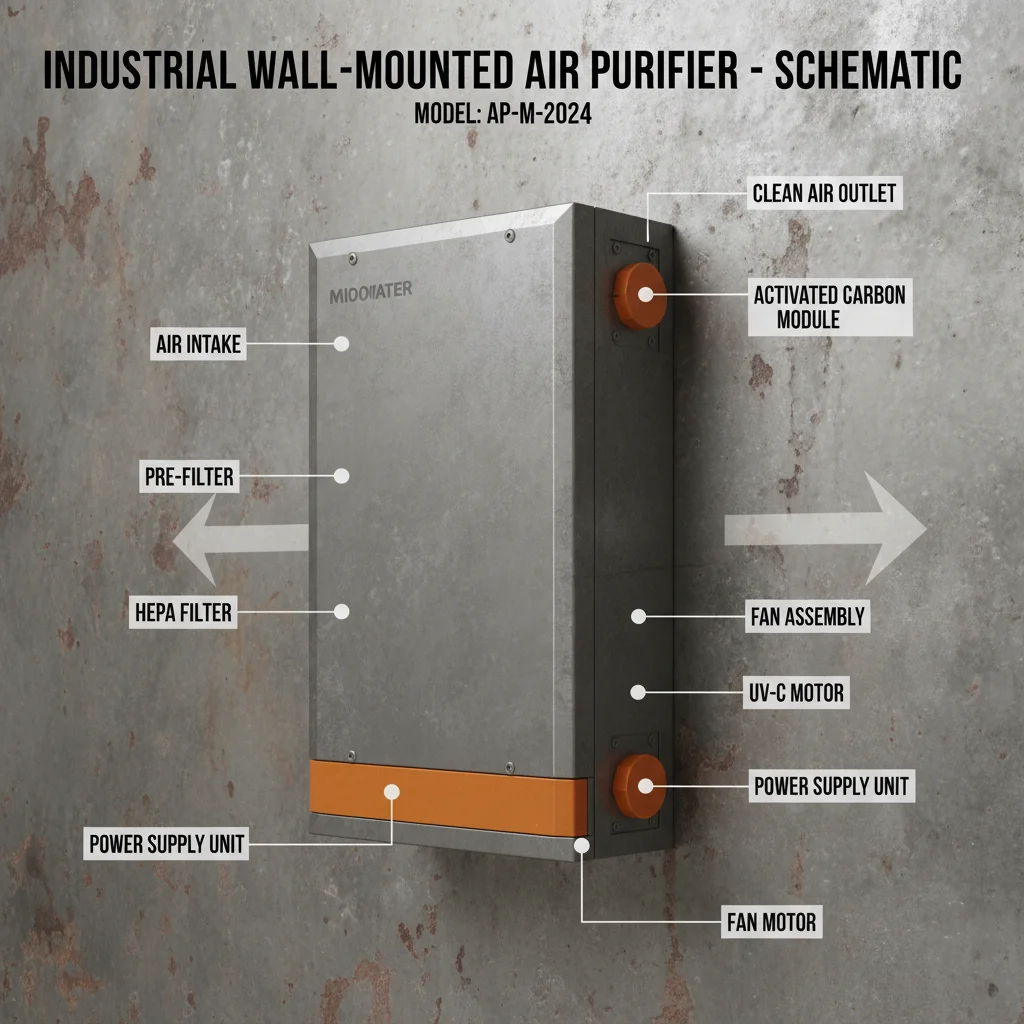
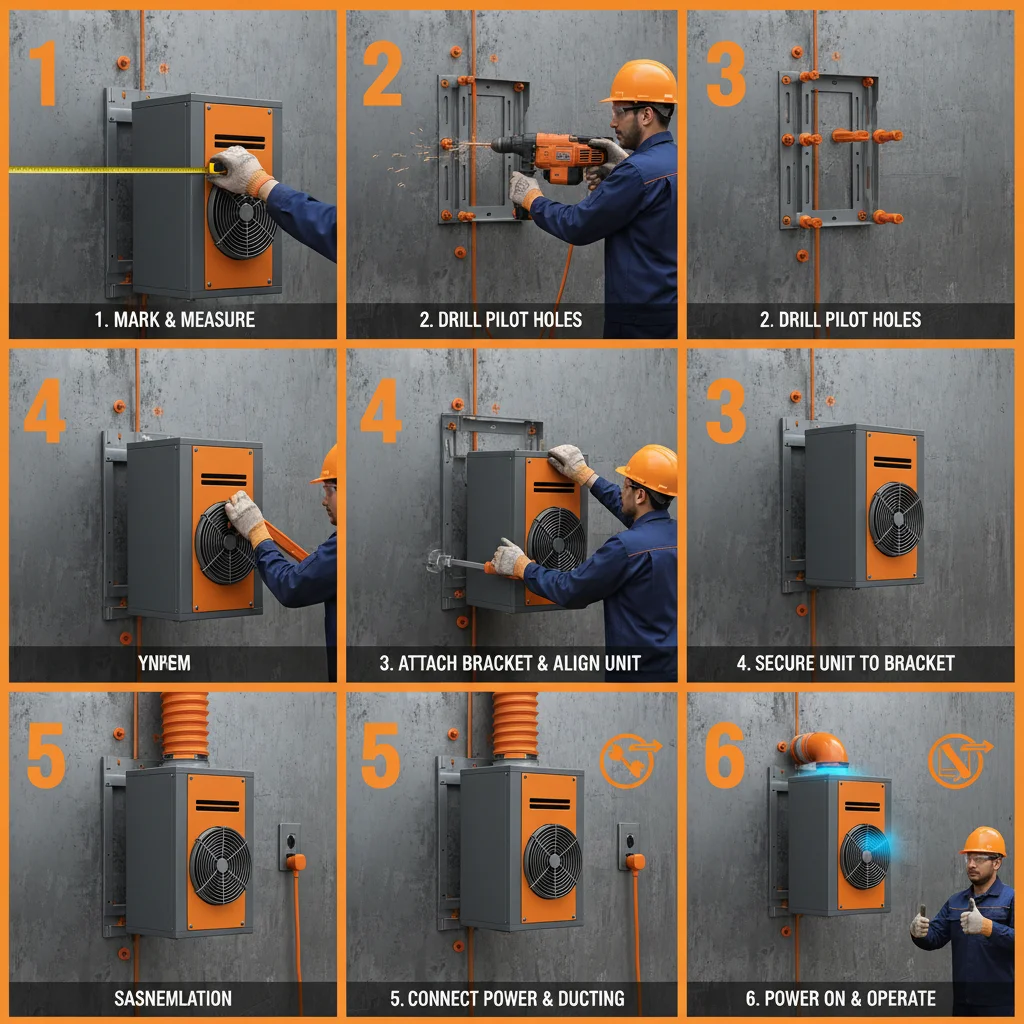
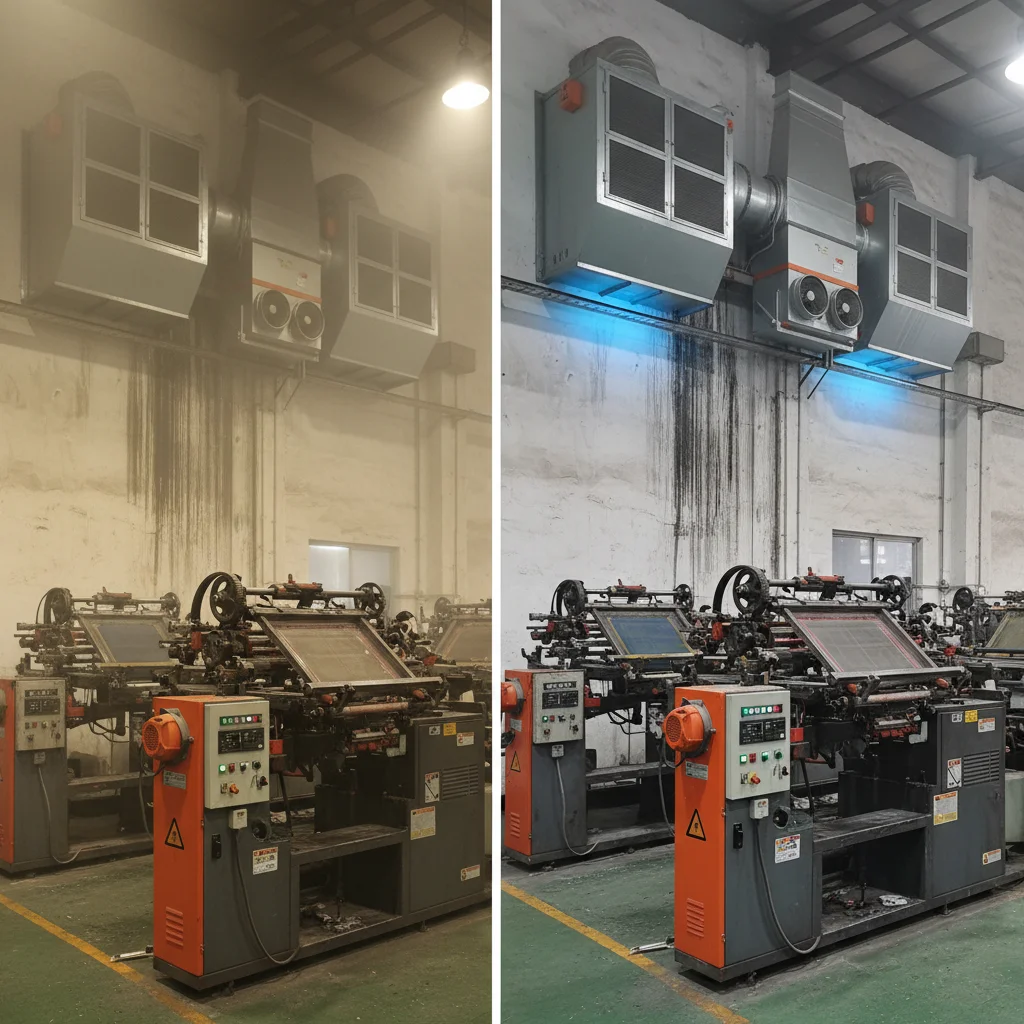
Industrial Wall Mounted Air Filtration for Clean Work Environments