
March 28, 2026
The demand for wire netting is constantly growing across diverse industries, from agriculture and construction to security and filtration. At the heart of meeting this demand lies the wire net machine, a crucial piece of equipment for efficient and high-quality production. This article will provide a detailed overview of these machines, exploring their types, applications, key features, and considerations for choosing the right one for your needs. Investing in a robust and reliable wire net machine is pivotal for optimizing your production process and ensuring product quality.
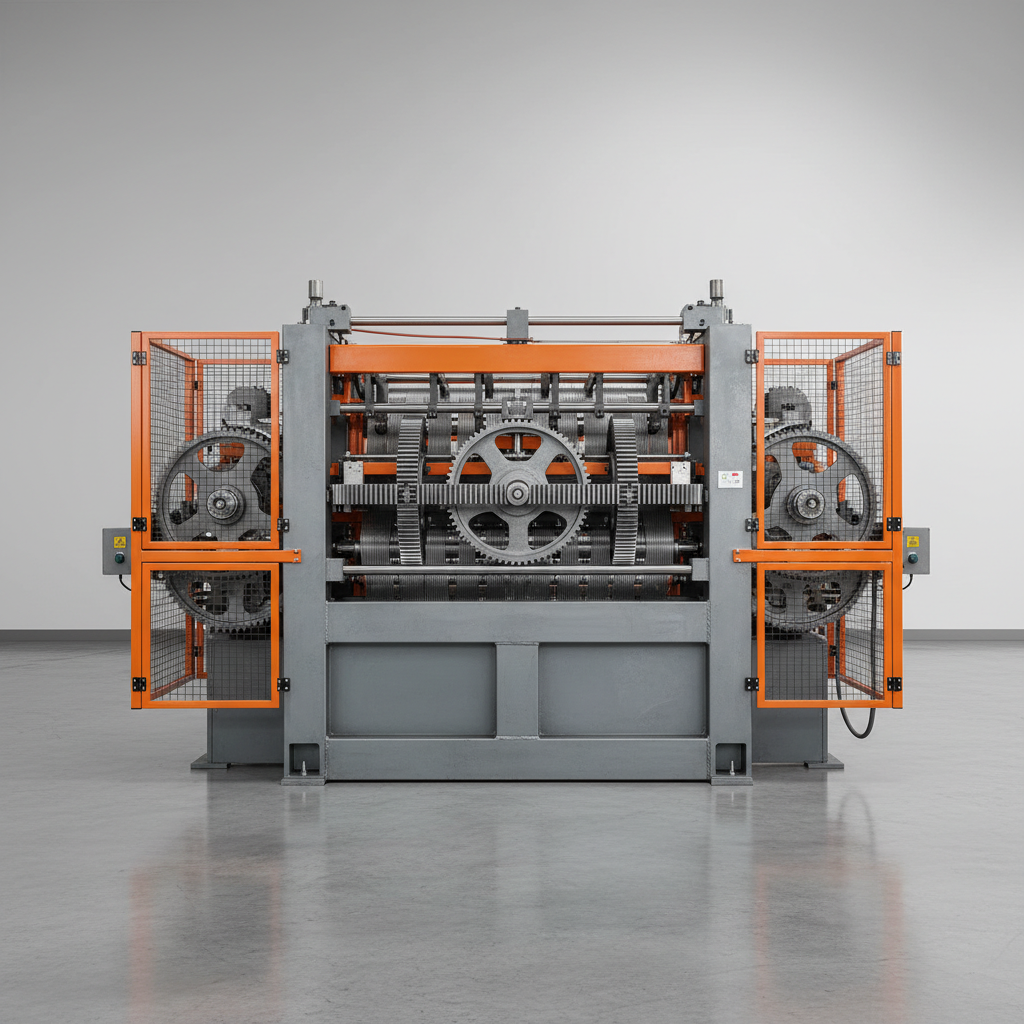
Wire net machines aren't a one-size-fits-all solution. Different types cater to specific netting requirements. The most common types include chain link fencing machines, hexagonal wire netting machines, square wire netting machines, and welded wire mesh machines. Each machine utilizes a distinct process to create the desired net structure. Chain link machines interlock twisted wires, hexagonal machines weave wires to create a six-sided pattern, square machines produce netting with square openings, and welded machines fuse wires at their intersection points. Understanding these differences is vital for selecting the appropriate machine for your intended application. Meshmachinery.com offers a range of machines to suit various netting needs.
Key Takeaway: Selecting the right type of wire net machine depends on the specific application and the desired characteristics of the finished netting. Consider the mesh size, wire diameter, and intended use case.
The versatility of wire netting makes it indispensable across numerous industries. In agriculture, it’s used for poultry fencing, crop protection, and vineyard trellising. The construction sector employs it for scaffolding, reinforcing mesh, and safety netting. Security applications include perimeter fencing and intrusion prevention. Industrial uses span filtration systems, speaker grilles, and battery separators. Even in domestic settings, wire netting finds use in garden fences and pet enclosures. The specific machine chosen will influence the suitability of the netting for these diverse applications. Explore the machines suitable for your specific application at Meshmachinery.com.
Industry Applications:
• Agriculture: Poultry, crops, vineyards
• Construction: Scaffolding, reinforcement
• Security: Perimeter fencing
• Industrial: Filtration, grilles
When investing in a wire net machine, several factors deserve careful consideration. Production capacity – measured in tons per month – should align with your demand. Wire diameter range dictates the versatility of the machine. Automation level impacts labor costs and production efficiency. The level of control over mesh size and pattern is crucial for meeting specific customer requirements. The robustness of the machine’s construction, and the availability of reliable after-sales service are also essential for long-term operation. Ultimately, the best machine balances these factors to provide optimal performance and value.
The choice between automated and manual wire net machines significantly impacts production efficiency and cost. Manual machines require more labor, making them suitable for smaller-scale operations or specialized netting. Automated machines, while representing a higher initial investment, drastically reduce labor costs, increase production speed, and improve consistency. They often incorporate advanced features like automatic tension control and precise mesh size adjustments. The long-term cost-effectiveness of automation often outweighs the initial expense, particularly for high-volume production runs.
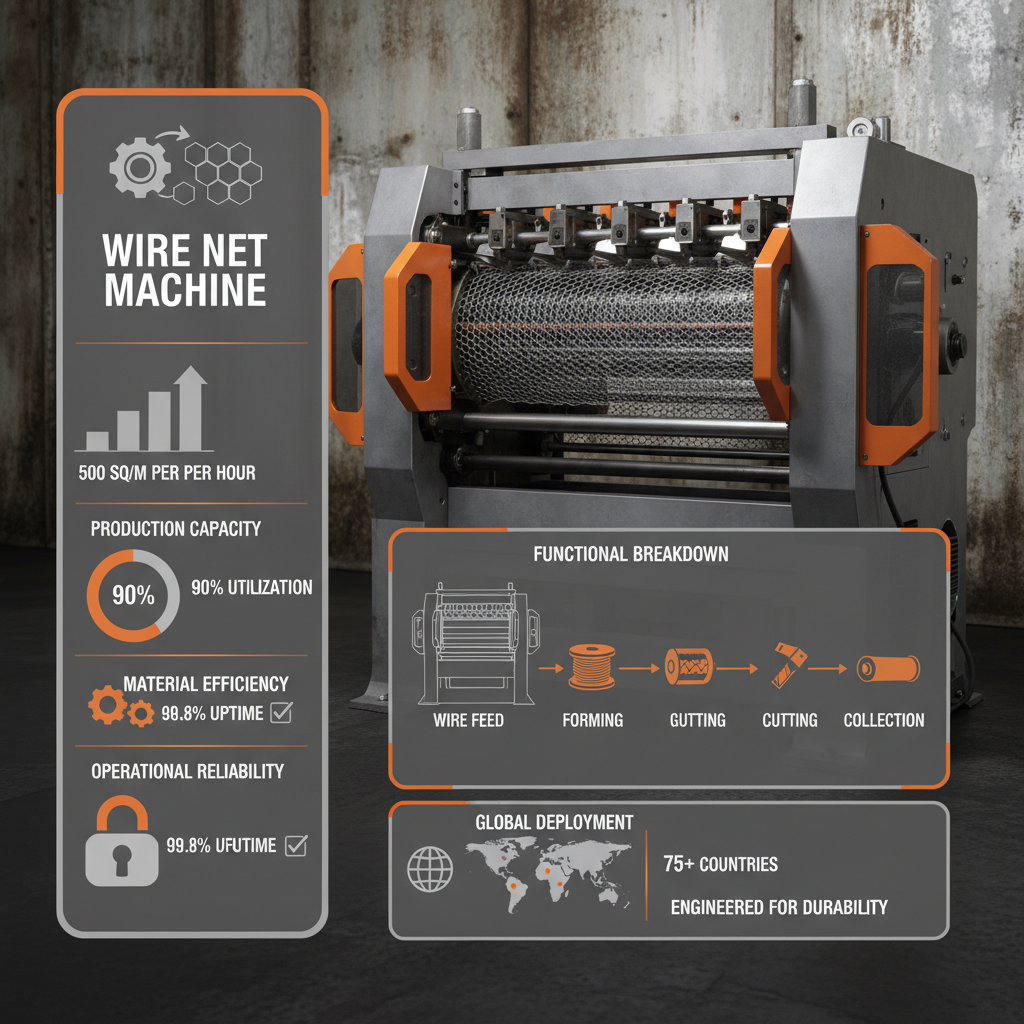
To maximize the lifespan of your wire net machine, regular maintenance is crucial. This includes lubricating moving parts, inspecting for wear and tear, and promptly addressing any issues. Proper cleaning and storage will also prevent corrosion and ensure optimal performance. Choosing a machine from a reputable manufacturer like Meshmachinery.com provides access to quality parts, technical support, and expert guidance. Adhering to the manufacturer’s recommended maintenance schedule will significantly reduce downtime and extend the machine’s operational life.
Choosing the right wire net machine is a strategic investment that directly impacts your production efficiency, product quality, and profitability. By carefully considering your specific needs, evaluating different machine types, and prioritizing reliability and maintenance, you can secure a long-term solution that drives success. Meshmachinery.com offers a comprehensive range of machines and expert guidance to help you make the optimal choice.
Power requirements vary significantly based on the machine’s size, automation level, and production capacity. Smaller, manual machines may only require a single-phase power supply, while larger, automated machines often demand three-phase power. Generally, power consumption ranges from 3kW to 20kW or higher. It is essential to verify the specific power requirements of the machine before installation to ensure your facility can adequately supply the necessary electricity. Meshmachinery.com provides detailed specifications for each machine, including power requirements.
Wire net machines are designed to accommodate a wide range of wire materials, including galvanized iron wire, stainless steel wire, PVC-coated wire, and copper wire. The machine's specifications will indicate the acceptable wire diameter range and tensile strength. Using the correct wire type and diameter is crucial for achieving optimal netting quality and machine performance. It is important to note that some machines may be specifically designed for certain wire types.
Safety is paramount when operating any industrial machinery. Key safety features to look for include emergency stop buttons, safety guards, and overload protection. Automated machines should also have safety interlocks that prevent operation when guards are removed. Proper training for operators is also essential to ensure safe operation and prevent accidents. Always prioritize machines that comply with relevant safety standards.
Meshmachinery.com provides comprehensive after-sales support, including technical assistance, spare parts availability, and maintenance services. They offer installation guidance, operator training, and troubleshooting support to ensure your machine operates efficiently and reliably. They also maintain a stock of common spare parts to minimize downtime in case of component failure. Contact their support team for detailed information about their after-sales services.
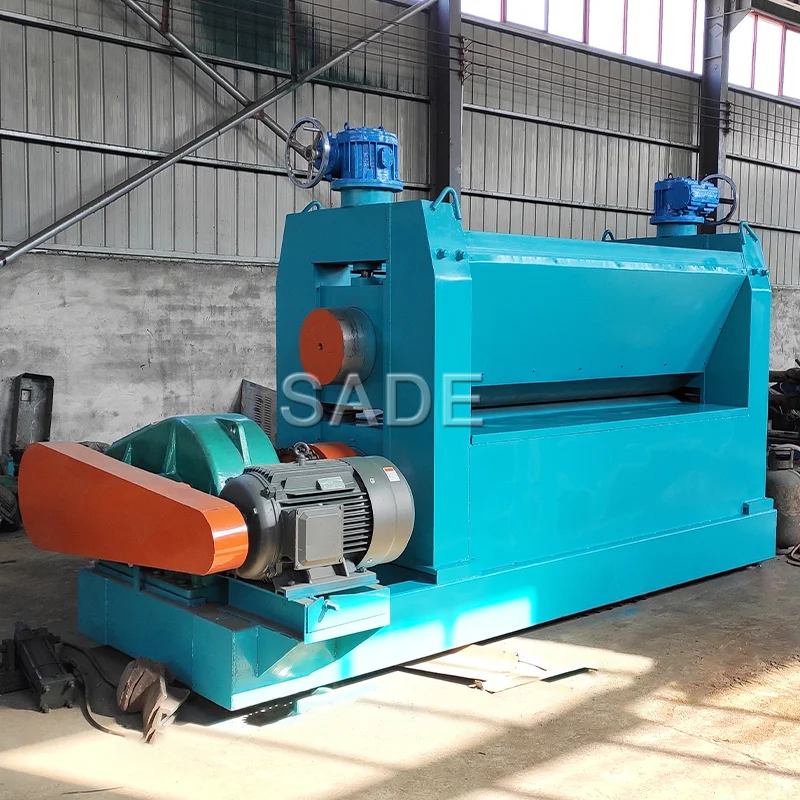
ZPJ Metal Mesh Flatting Machine
ZPJ metal mesh flatting machine is special designed for expanded metal flatting.It’s a corollary equipment of expanded metal machine. It can make expanded wire-mesh smoothly.And the flattened expanded metal have much more widely different applications.
Apr 24, 2026
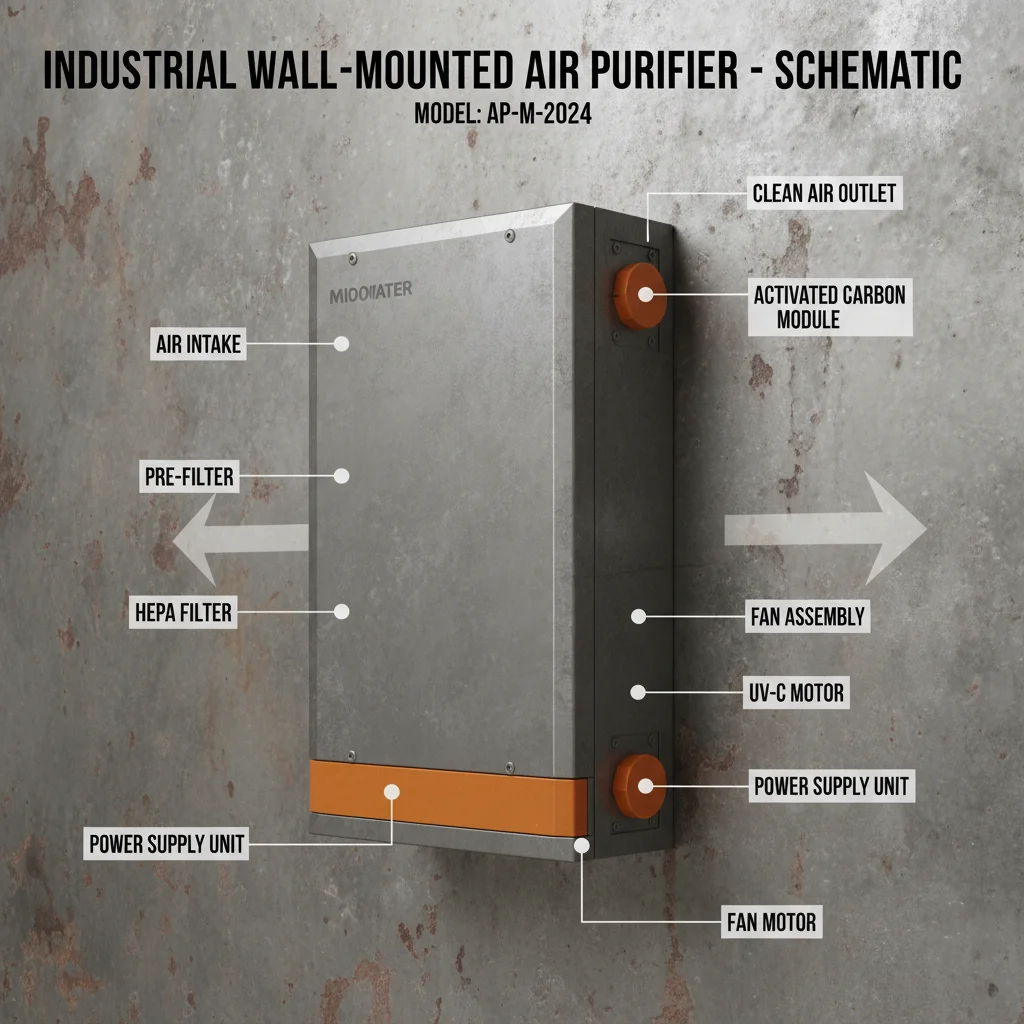
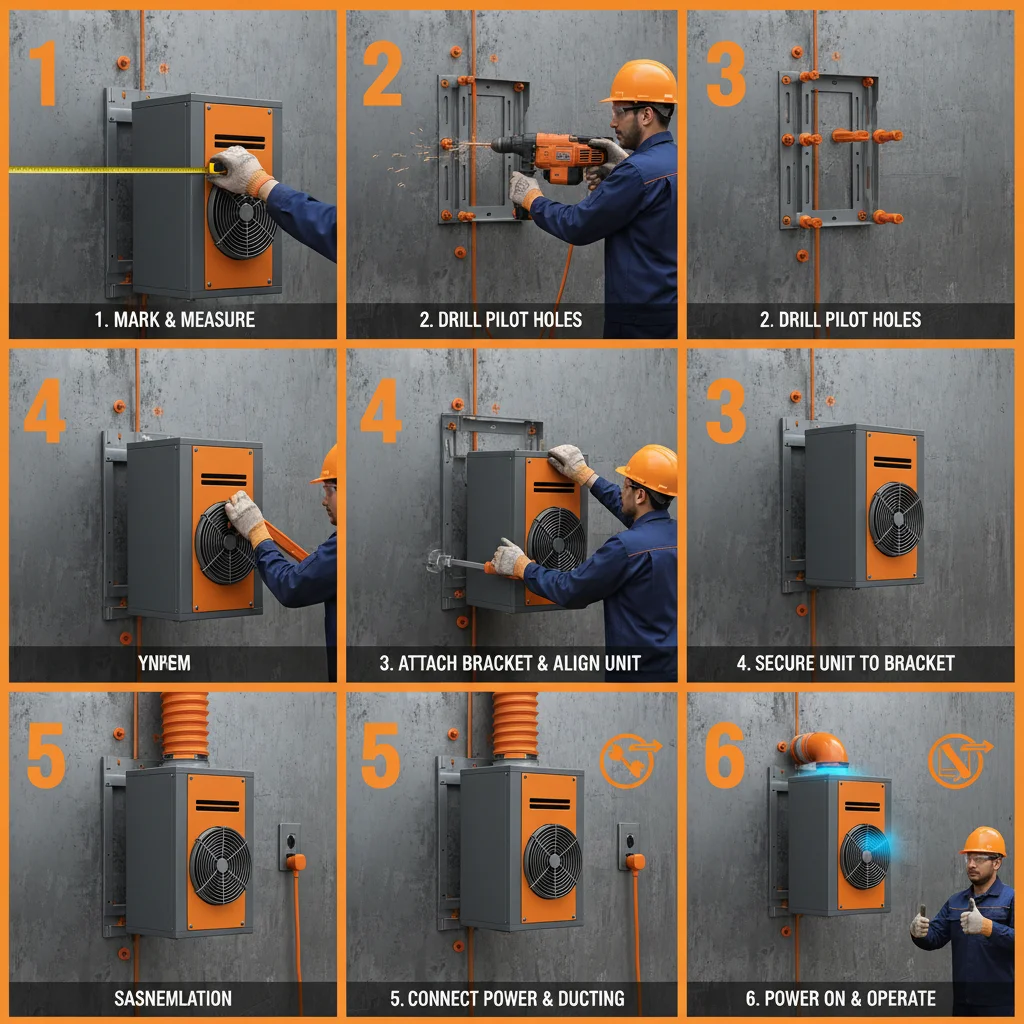
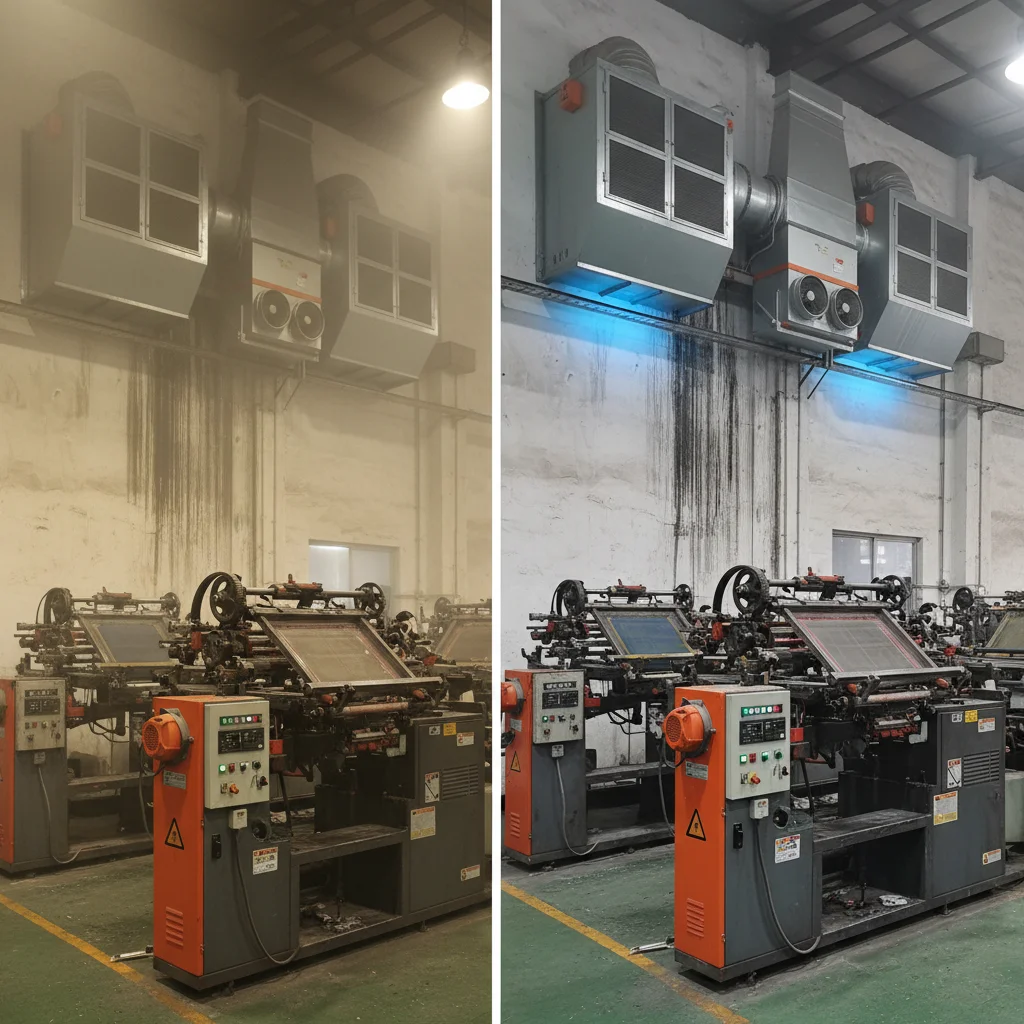
Industrial Wall Mounted Air Filtration for Clean Work Environments