

February 24, 2026
When considering the purchase of a electric wire mesh welding machine, understanding the pricing, features, and applications is crucial. This guide provides a detailed overview to help you make an informed decision. We'll cover the factors influencing the Электрическая проволочная сетка сварочная машина цена, different types of machines, and how to choose the right one for your needs. Investing in a quality machine ensures efficient production and long-term reliability.
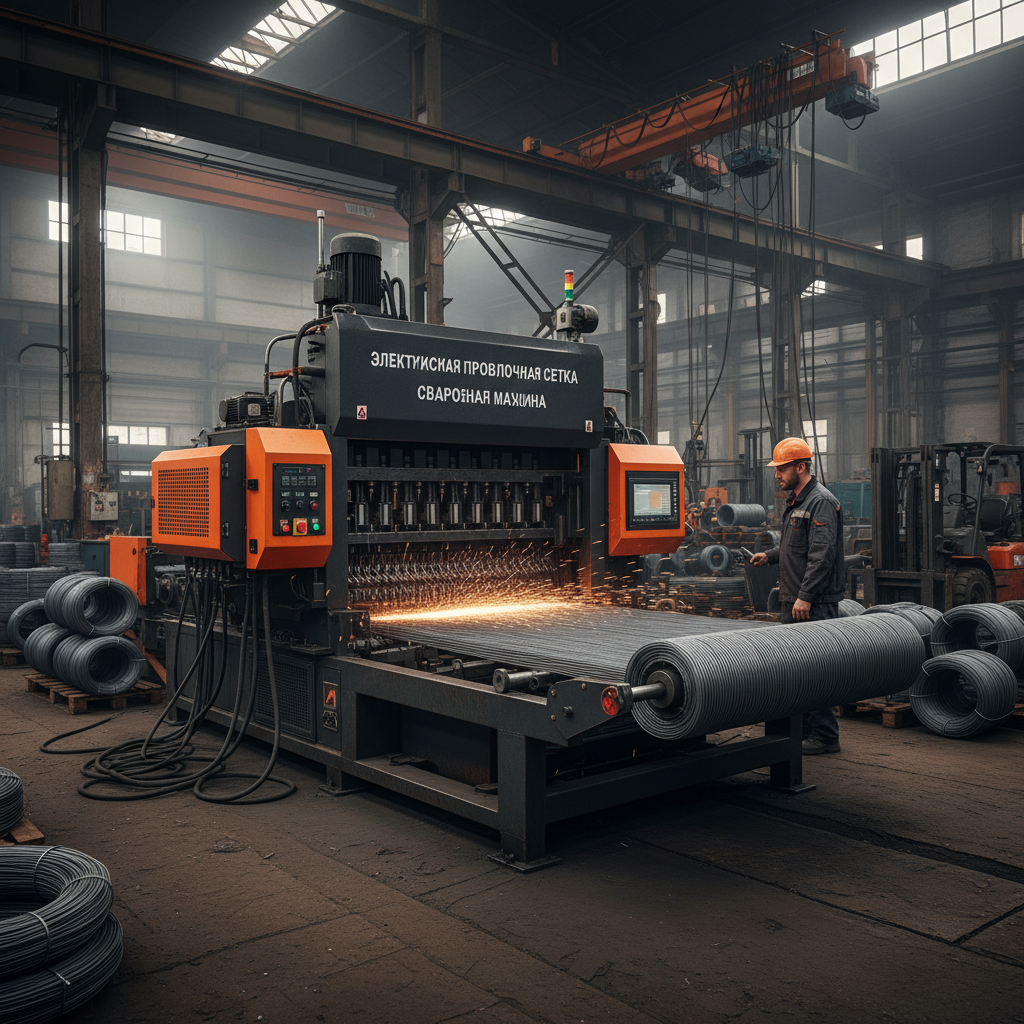
The Электрическая проволочная сетка сварочная машина цена is influenced by several factors. These include the machine's automation level (manual, semi-automatic, or fully automatic), welding speed, mesh size capabilities, wire diameter capacity, and power requirements. Machines with higher automation and larger capacity typically command a higher price. Brand reputation and after-sales service also play a significant role. Furthermore, the complexity of the control system and the inclusion of advanced features like error detection and automatic adjustments contribute to the overall cost.
Key Considerations: Automation level, Mesh Size Capabilities, and after-sales support all affect the final price.
There are several types of electric wire mesh welding machines available, each suited for different applications and budgets. Manual machines require operator skill and are best for small-scale production. Semi-automatic machines offer increased efficiency and precision. Fully automatic machines are ideal for large-scale production, minimizing labor costs and maximizing output. The choice depends on your production volume, desired mesh quality, and available workforce. It's important to evaluate your specific needs before making a decision.
Machine Type Comparison:
• Manual: Low cost, high skill requirement, low volume.
• Semi-Automatic: Moderate cost, moderate skill, moderate volume.
• Fully Automatic: High cost, low skill, high volume.
Below is a general price comparison of different wire mesh welding machines. Please note that these prices are estimates and can vary based on specific features, manufacturer, and location. Checking with Mesh Machinery for the most accurate and up-to-date pricing is recommended.
Selecting the appropriate electric wire mesh welding machine requires careful consideration of your specific requirements. Evaluate your production volume, desired mesh specifications, budget constraints, and available technical expertise. Don't hesitate to consult with industry experts and request quotes from multiple suppliers, like Mesh Machinery, to ensure you get the best value for your investment. Consider factors like warranty, availability of spare parts, and the supplier's reputation for customer support.
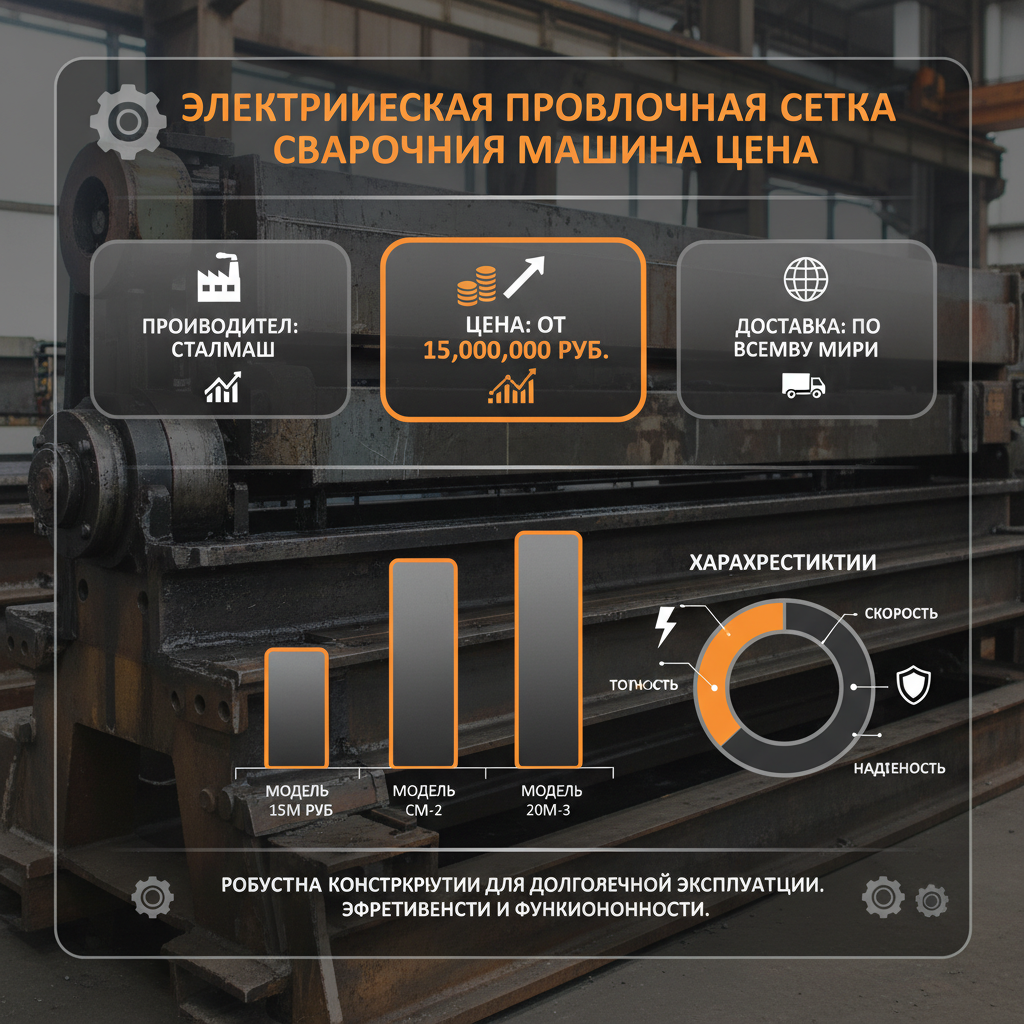
Here's a detailed look at one of our popular high-speed automatic welding machines:
The right electric wire mesh welding machine can significantly improve your production efficiency and product quality. Carefully consider your needs and budget, and partner with a reputable supplier like Mesh Machinery to ensure you get the best possible solution. Investing in quality equipment is an investment in the future of your business.
Lead times vary depending on the machine type and your location. Generally, for standard machines, delivery takes 4-8 weeks. Custom-built machines may require a longer lead time of 8-12 weeks. We strive to provide accurate delivery estimates at the time of order. Contacting us directly will get you the most accurate timeline.
We provide comprehensive after-sales service, including installation support, operator training, technical assistance, and spare parts availability. Our team of experienced technicians is available to address any issues or concerns you may have. We also offer remote diagnostics and on-site support when needed. We pride ourselves on providing excellent customer service.
We offer a standard 1-year warranty on all our electric wire mesh welding machines, covering defects in materials and workmanship. The warranty does not cover normal wear and tear or damage caused by improper use or maintenance. Extended warranty options are available upon request. Detailed warranty information is provided with each machine.

High Precision Wedge Wire Screen Welding Machine Factory Suppliers in China


Nov 10, 2026
Technical Factors Influencing the Gabion Machine Price


