

March 14, 2026
Investing in a wire mesh machine is a crucial step for businesses involved in various industries, from construction and agriculture to security and filtration. Choosing the right machine can significantly impact your production efficiency, product quality, and overall profitability. This article will provide a detailed overview of wire mesh machines, covering different types, applications, key considerations when purchasing, and why Mesh Machinery is a trusted supplier. We'll explore the factors that determine the ideal machine for your specific needs.
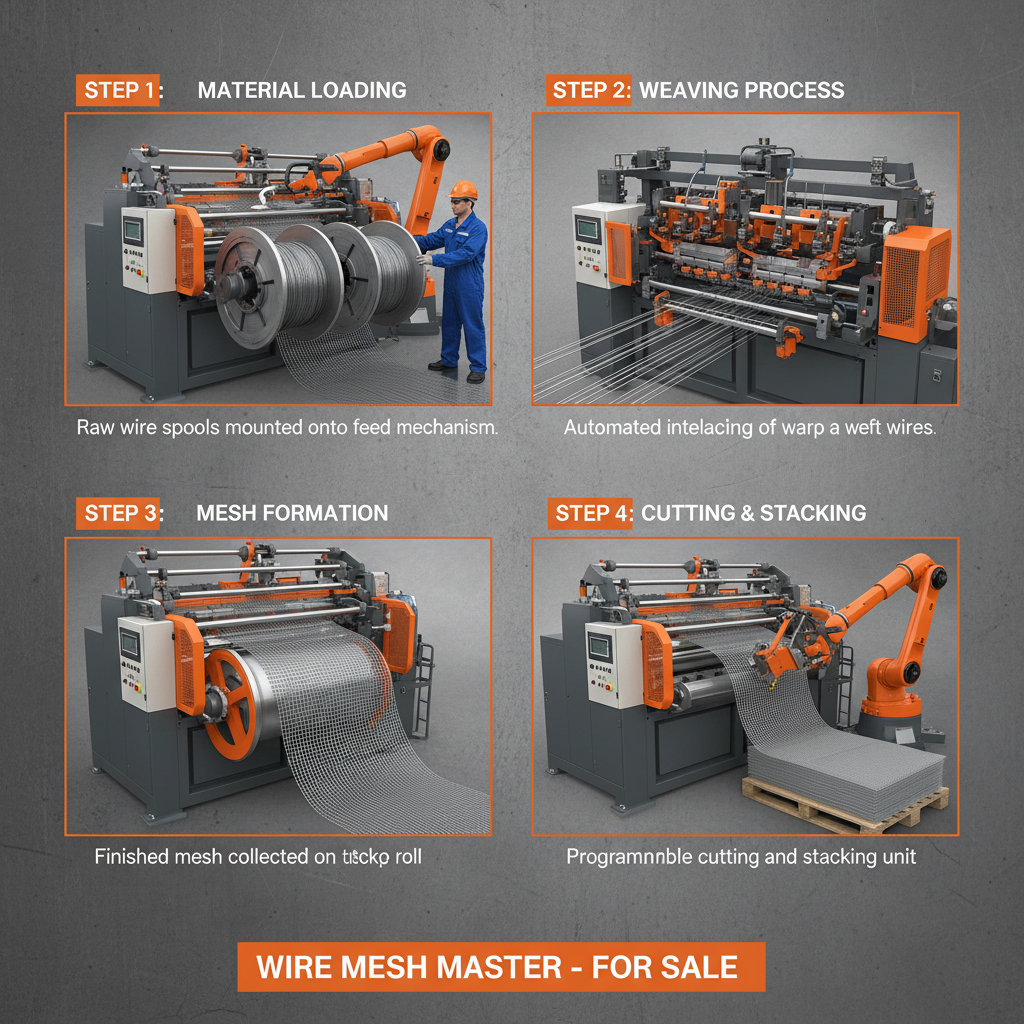
The world of wire mesh machines is diverse. Different machines are designed for producing various types of mesh with distinct characteristics. Common types include:
Hexagonal Wire Mesh Machines: Ideal for creating chicken wire, rabbit fencing, and other netting applications.
Welded Wire Mesh Machines: Produce strong, durable mesh commonly used in construction, reinforcement, and security fencing.
Chain Link Fence Machines: Specifically designed for manufacturing chain-link fencing for residential, commercial, and industrial use.
Expanded Metal Machines: Create expanded metal sheets for flooring, stair treads, and architectural applications.
Crimped Wire Mesh Machines: Used to produce crimped mesh, often used for filters and security screens.
Choosing the correct type depends heavily on the end product you intend to manufacture.
Key Consideration: Production Volume and Mesh Specifications. The required output and precise mesh dimensions dictate the type and capacity of the machine needed.
Selecting the perfect wire mesh machine requires careful consideration of several factors. These include:
Mesh Type: As mentioned earlier, the desired mesh type is the primary driver.
Wire Diameter: The range of wire thicknesses the machine can handle.
Mesh Aperture: The size of the openings in the mesh.
Production Capacity: The amount of mesh you need to produce per hour or day.
Automation Level: Machines range from fully manual to fully automated, impacting labor costs and production speed.
Power Requirements: Ensure your facility can accommodate the machine’s electrical needs.
Investing in a machine that aligns with your specific requirements will maximize efficiency and minimize waste.
Key Benefits of Automated Wire Mesh Machines:
• Increased Production Speed
• Reduced Labor Costs
• Improved Consistency and Accuracy
• Enhanced Safety
Understanding the differences between manual and automatic wire mesh machines is critical for making the right investment. Manual machines are more affordable upfront but require significant labor and offer lower production rates. Automatic machines, while more expensive, provide higher output, reduced labor costs, and consistent quality. Here’s a comparative overview:
Mesh Machinery is a leading supplier of high-quality wire mesh machines. We offer a comprehensive range of machines, expert technical support, and competitive pricing. Our commitment to customer satisfaction and reliable products has made us a trusted partner for businesses worldwide. We provide customized solutions tailored to your unique production requirements. Our team of engineers can assist with machine selection, installation, and ongoing maintenance.
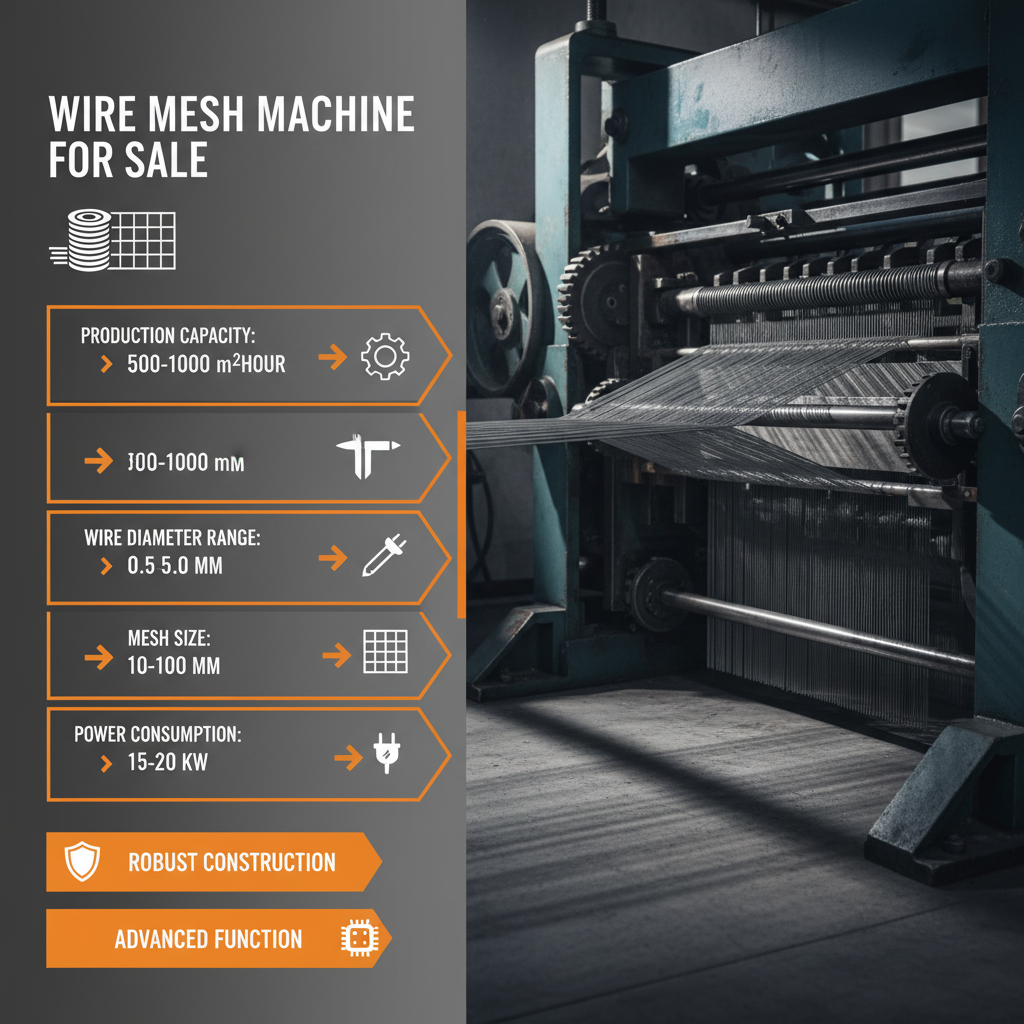
Wire mesh products are incredibly versatile and used in a wide array of applications. These include:
Construction: Reinforcing concrete, fencing, plastering
Agriculture: Animal cages, poultry netting, crop protection
Security: Perimeter fencing, protective screens
Filtration: Industrial filters, water treatment
Automotive: Grilles, screens, reinforcement
The demand for wire mesh continues to grow across various industries, making it a smart investment for manufacturers.
Investing in a quality wire mesh machine from a reputable supplier like Mesh Machinery is a strategic move for businesses seeking to enhance their production capabilities and achieve long-term success. Consider your specific needs, budget, and production goals when making your selection.
Several factors contribute to the price of a wire mesh machine, including the type of machine (manual vs. automatic), production capacity, wire diameter range, mesh aperture control, degree of automation, and manufacturer reputation. More sophisticated machines with higher capacity and automation levels generally come with a higher price tag. Additional features like automatic tension control, error detection systems, and PLC control also increase the cost.
Regular maintenance is crucial for ensuring the longevity and optimal performance of your wire mesh machine. Key maintenance tasks include lubricating moving parts, inspecting and replacing worn components (such as cutting blades and rollers), cleaning the machine thoroughly to remove debris and wire scraps, and checking electrical connections. Following the manufacturer’s recommended maintenance schedule is essential.
Safety is paramount when operating a wire mesh machine. Always wear appropriate personal protective equipment (PPE), including safety glasses, gloves, and ear protection. Ensure the machine is properly grounded and that all safety guards are in place. Never attempt to repair or adjust the machine while it is running. Familiarize yourself with the machine's emergency stop procedures and ensure all operators are adequately trained.
Yes, Mesh Machinery provides comprehensive installation and training services to ensure a smooth setup and efficient operation of your new machine. Our experienced technicians can install the machine at your facility and provide thorough training to your operators, covering machine operation, maintenance, and troubleshooting.

High Precision Wedge Wire Screen Welding Machine Factory Suppliers in China


Nov 10, 2026
Technical Factors Influencing the Gabion Machine Price


