
March 05, 2026
The demand for durable, aesthetically pleasing finishes across industries like automotive, aerospace, and consumer goods is driving significant growth in the powder coating market. Successfully navigating this landscape requires partnering with dependable powder coating line suppliers. This article will provide a comprehensive guide to identifying quality suppliers, understanding key considerations, and optimizing your powder coating process. We’ll cover everything from equipment types to essential services, ensuring you make an informed decision to elevate your production capabilities.
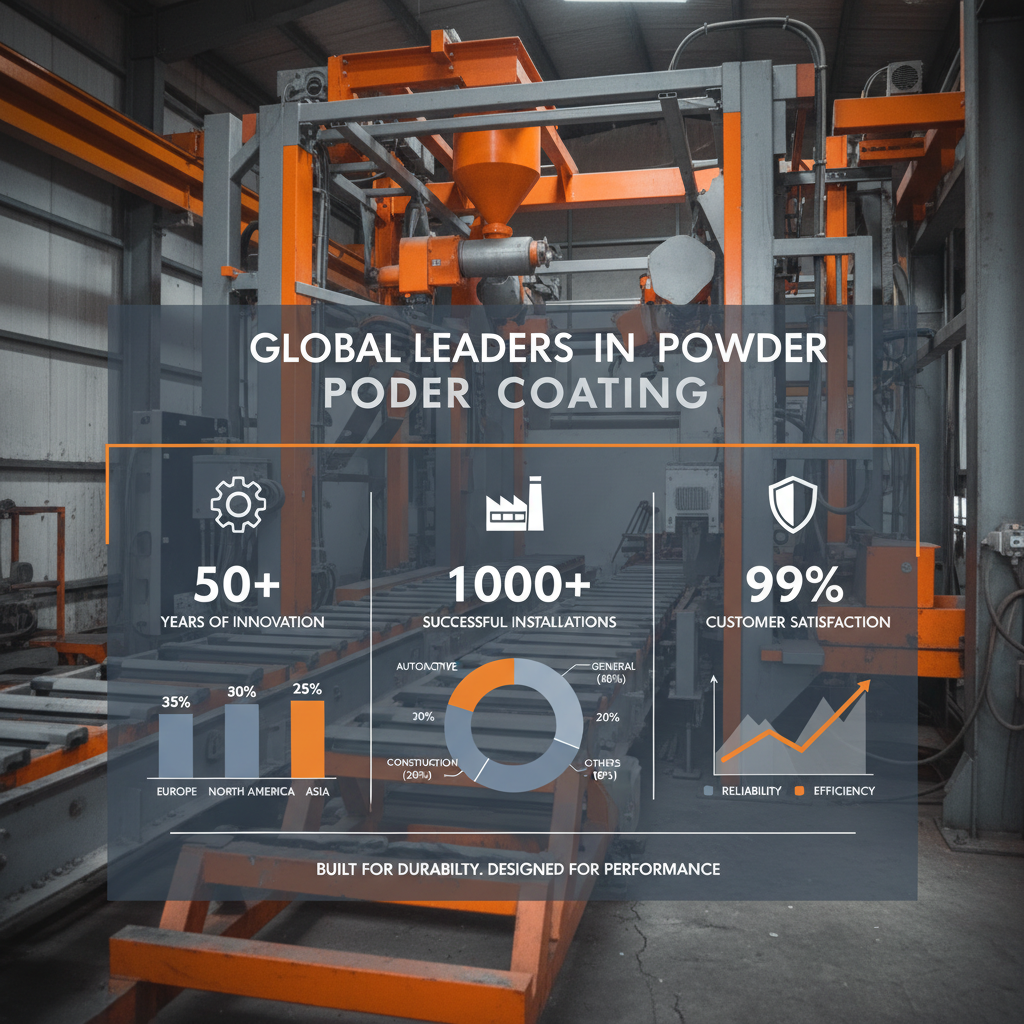
Selecting the right supplier isn’t just about price; it's about finding a partner who understands your specific needs and can provide ongoing support. Key factors include the supplier’s experience, reputation, product quality, technical support, and ability to customize solutions. A good supplier will offer a comprehensive range of services, from initial consultation and system design to installation, training, and maintenance. Prioritize suppliers with a proven track record of successful installations and a commitment to customer satisfaction. Look for certifications and adherence to industry standards as indicators of quality and reliability.
Essential Supplier Attributes: Proven experience, strong reputation, commitment to quality, comprehensive support, and customization capabilities.
Powder coating lines come in various configurations, catering to different production volumes and part sizes. Common types include manual booth systems, automated conveyor lines, and robotic applications. Some powder coating line suppliers specialize in specific line types or industries. For instance, some focus on large-scale automotive applications, while others cater to smaller, high-mix production runs. Understanding the different line types and supplier specializations will help you narrow your search and find a supplier whose expertise aligns with your requirements. Consider factors like part geometry, production volume, and budget when selecting a line type.
Powder Coating Line Types:
• Manual Booth Systems: Ideal for small batches and prototypes.
• Automated Conveyor Lines: Efficient for high-volume production.
• Robotic Applications: Precise and consistent coating for complex parts.
A complete powder coating line consists of several key components, each requiring specialized expertise. Suppliers should be able to provide all of these elements: spray booths, powder feeders, electrostatic spray guns, curing ovens, conveyor systems, and air handling systems. They should also offer preventative maintenance and service for each component. Evaluating the quality and efficiency of each component is crucial for optimizing your powder coating process. In addition, ensure the supplier offers training on operating and maintaining the equipment effectively.
The best powder coating line suppliers offer a suite of services that extend beyond simply selling equipment. These include: installation and commissioning, training for your operators, ongoing technical support, preventative maintenance programs, and spare parts availability. A responsive and knowledgeable service team can minimize downtime and maximize the lifespan of your investment. Ask potential suppliers about their service response times, the qualifications of their technicians, and the availability of remote diagnostic support.
Cost is obviously a major factor, but focus on the total cost of ownership, not just the initial purchase price. Consider equipment costs, installation expenses, training fees, ongoing maintenance costs, and the cost of spare parts. Get detailed quotes from multiple suppliers and compare them carefully. Explore financing options if needed. Also, factor in the cost of facility preparation, such as electrical upgrades or ventilation improvements. A well-planned budget will ensure a smooth and successful implementation.
Selecting the right powder coating line supplier is a critical step toward achieving high-quality finishes and optimizing your production process. By carefully considering your specific needs, evaluating supplier capabilities, and planning your budget effectively, you can establish a long-term partnership that drives success. Don't hesitate to ask questions, request references, and visit supplier facilities to make an informed decision.
Lead times can vary significantly depending on the complexity of the system, the supplier's current workload, and any necessary customization. Generally, expect a lead time of 8-16 weeks from order placement to complete installation. Factors that can extend the timeline include the need for custom engineering, long-distance shipping, and site preparation delays. Clear communication with your supplier throughout the process is essential to manage expectations and ensure a timely installation.
Most reputable suppliers provide comprehensive training for your operators, covering equipment operation, maintenance procedures, troubleshooting, and safety protocols. Training can be conducted at the supplier's facility, at your location, or through online modules. Look for suppliers that offer customized training programs tailored to your specific line configuration and operator skill levels. Ongoing training is also beneficial to ensure operators stay up-to-date on best practices and new technologies.
Regular preventative maintenance is crucial for maximizing the lifespan and performance of your powder coating line. Common tasks include cleaning spray booths, inspecting and replacing filters, lubricating moving parts, calibrating spray guns, and checking oven temperature sensors. Suppliers typically offer preventative maintenance schedules and service contracts to help you stay on top of these tasks. Implementing a robust preventative maintenance program can significantly reduce downtime and prevent costly repairs.
Powder coating processes generate overspray that needs to be properly collected and filtered to comply with environmental regulations. Work with a supplier who can provide air handling systems that meet local emission standards. Ensure the system includes efficient filtration to remove powder particles from the exhaust air. Also, consider the supplier's expertise in waste powder management and disposal. Proper environmental controls are essential for responsible manufacturing.
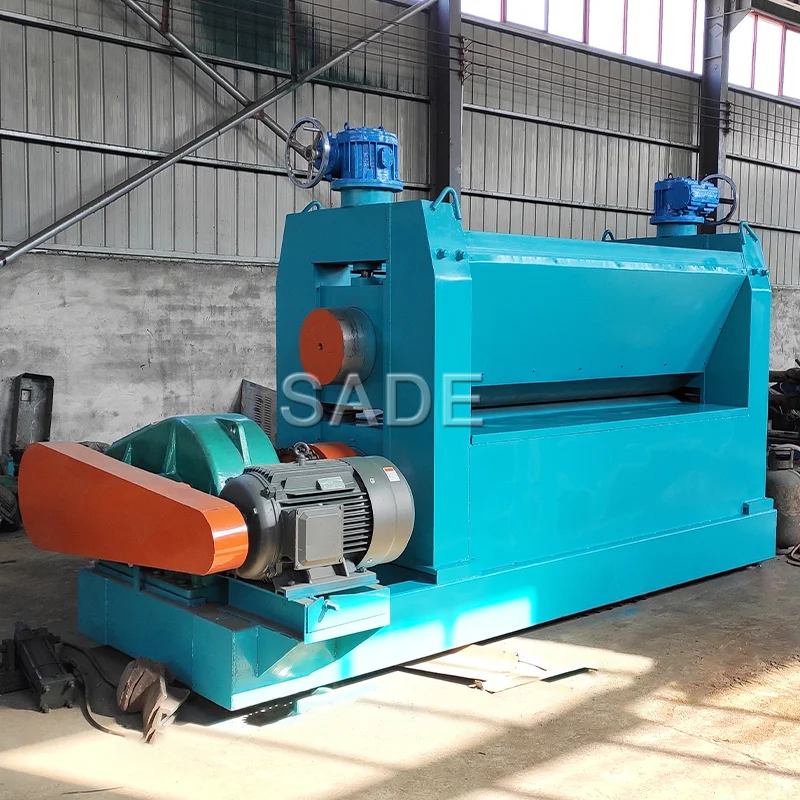
ZPJ Metal Mesh Flatting Machine
ZPJ metal mesh flatting machine is special designed for expanded metal flatting.It’s a corollary equipment of expanded metal machine. It can make expanded wire-mesh smoothly.And the flattened expanded metal have much more widely different applications.
Apr 24, 2026
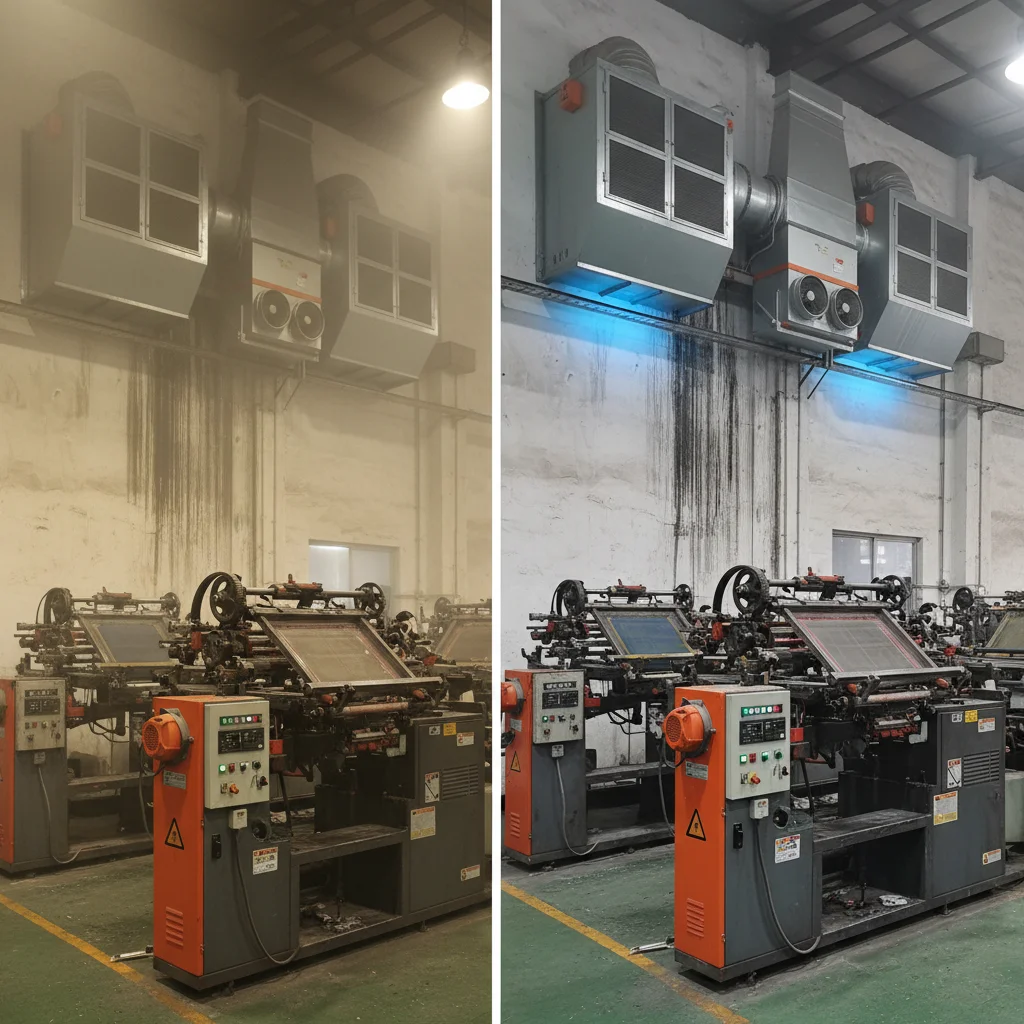
Industrial Wall Mounted Air Filtration for Clean Work Environments