
April 04, 2026
In the competitive world of mesh fabrication, selecting the right welding equipment is crucial for efficiency, quality, and profitability. An ideal mesh welder can significantly streamline your production process and enhance the integrity of your finished products. This article will explore the key factors to consider when choosing a mesh welder, highlighting the benefits of investing in quality machinery. We'll cover different types of mesh welders, their applications, and how Mesh Machinery provides solutions tailored to your specific needs.
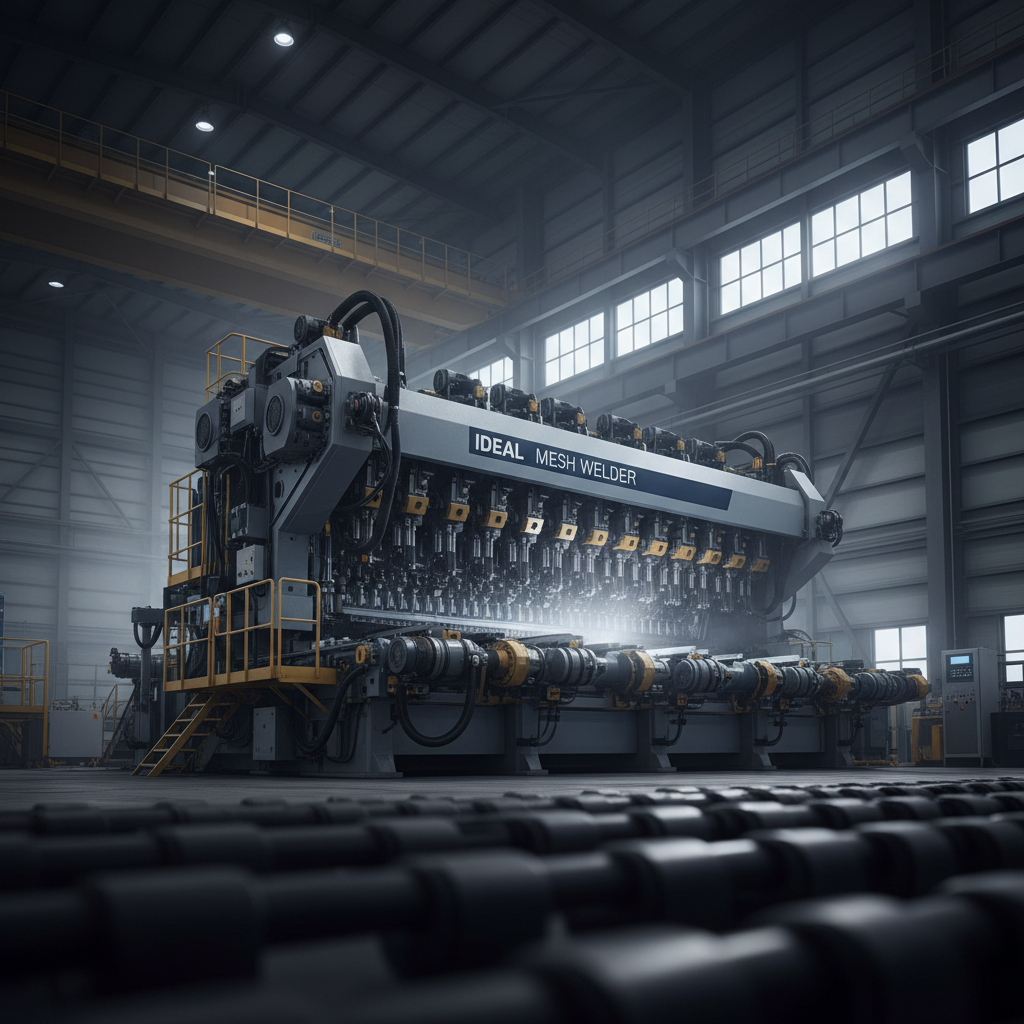
The market offers several types of mesh welders, each suited for specific applications and materials. Spot welders are commonly used for joining smaller mesh pieces, offering precision and speed. Seam welders are ideal for creating continuous welds along the edges of mesh panels. Projection welders provide a focused welding current, perfect for applications requiring high strength and accuracy. Finally, mesh welding machines designed for automated production are crucial for large-scale operations. Choosing the right type depends on the size of your projects, the materials you're working with, and your desired production volume. Mesh Machinery offers a comprehensive range of these solutions.
Key Considerations: Selecting the right mesh welder hinges on understanding your specific needs, including material type, mesh size, production volume, and weld strength requirements.
When investing in a mesh welder, several key features can significantly impact its performance and longevity. Look for welders with adjustable welding parameters like current, voltage, and time to fine-tune the welding process for different materials and thicknesses. A robust and durable construction ensures the machine can withstand the demands of continuous operation. User-friendly controls and interfaces simplify operation and reduce the learning curve. Furthermore, consider machines with built-in safety features such as overload protection and emergency stop buttons. Mesh Machinery’s welders are engineered with these features in mind.
Essential Features:
• Adjustable welding parameters (current, voltage, time)
• Robust and durable construction
• User-friendly controls
• Built-in safety features
Spot welding and seam welding represent two distinct approaches to mesh fabrication. Spot welding is faster and more cost-effective for joining individual points, while seam welding creates a continuous, stronger bond. The choice between the two depends on the structural requirements of your finished product. For applications requiring high tensile strength and leak-proof seams, seam welding is the preferred option. However, spot welding excels in speed and versatility for less demanding applications.
Mesh Machinery offers a wide selection of ideal mesh welders, backed by expert support and reliable service. We understand the diverse needs of mesh fabricators and provide customized solutions to optimize your production process. From initial consultation to installation and training, we are committed to ensuring your success. Our machines are built to last, delivering years of dependable performance.
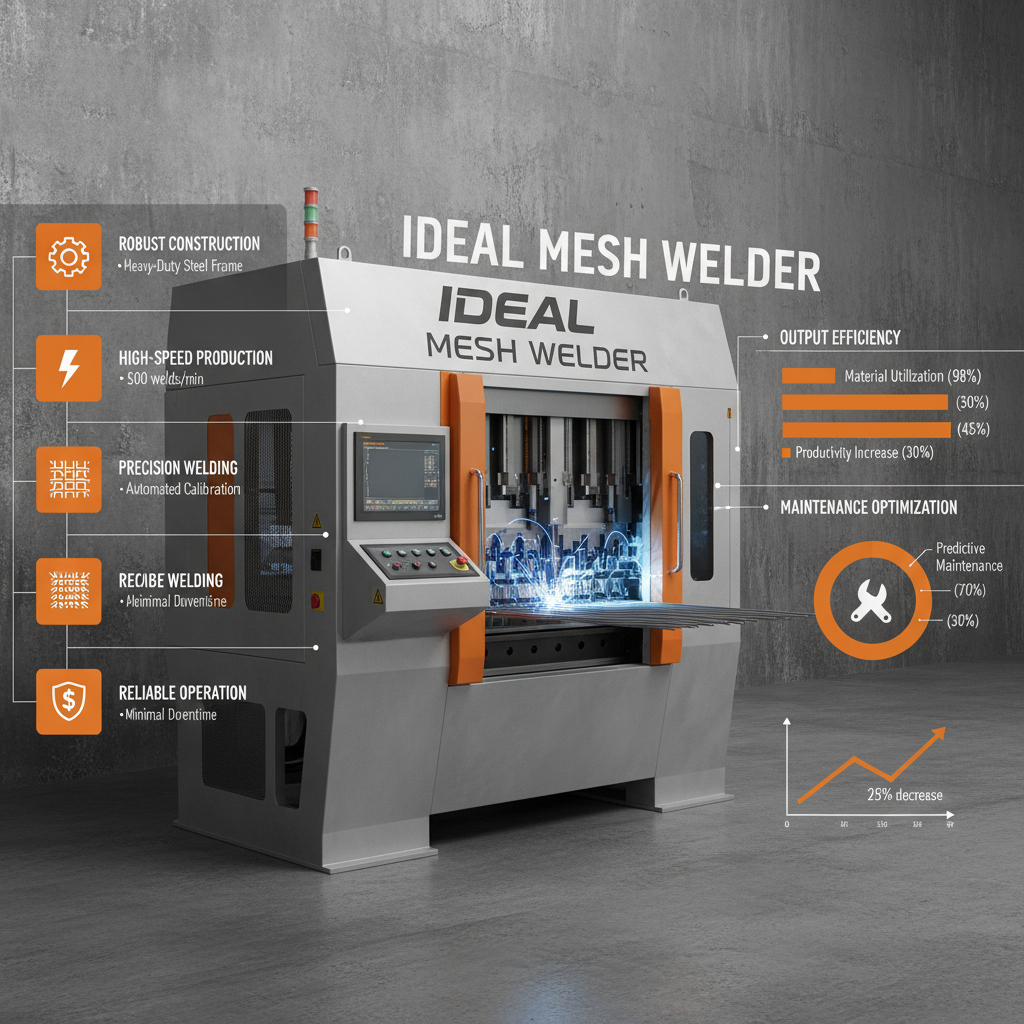
Here’s a sample specification for one of our popular mesh welding machines:
Choosing the ideal mesh welder is a vital investment for any mesh fabrication business. By carefully considering your specific needs and partnering with a reputable supplier like Mesh Machinery, you can optimize your production process, enhance product quality, and achieve long-term success.
Most mesh welders are designed to handle a variety of metals, including stainless steel, mild steel, aluminum, and galvanized steel. The specific material compatibility will depend on the welder's specifications and the welding process used. It’s crucial to verify the welder’s compatibility with your target materials before making a purchase. Mesh Machinery offers welders tailored for different materials, ensuring optimal performance.
Regular maintenance is essential for prolonging the life and ensuring the efficient operation of your mesh welder. This includes cleaning the electrodes, checking for worn parts, and lubricating moving components. Following the manufacturer’s recommended maintenance schedule will help prevent costly repairs and downtime. Mesh Machinery provides comprehensive maintenance support and spare parts.
Determining the optimal welding parameters requires considering the mesh material, thickness, and desired weld strength. Start with the manufacturer’s recommendations and then perform test welds to fine-tune the settings. Key parameters to adjust include current, voltage, and welding time. Proper experimentation and documentation are crucial for achieving consistent, high-quality welds.
Safety is paramount when operating a mesh welder. Always wear appropriate personal protective equipment (PPE), including welding gloves, a face shield, and safety glasses. Ensure the work area is well-ventilated and free of flammable materials. Never operate the welder with wet hands or in damp conditions. Familiarize yourself with the welder’s safety features and follow all manufacturer’s instructions.
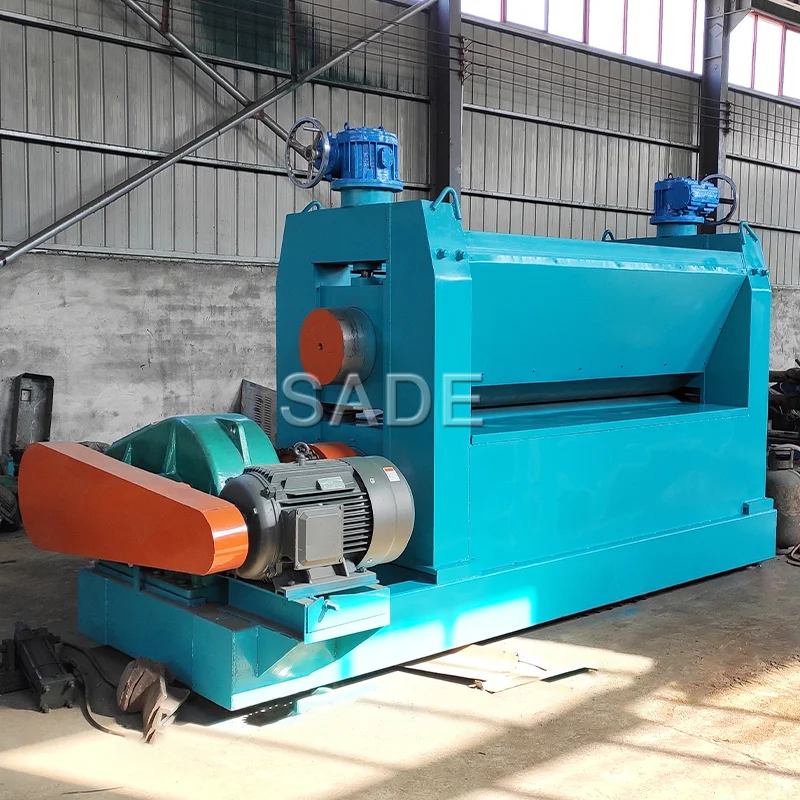
ZPJ Metal Mesh Flatting Machine
ZPJ metal mesh flatting machine is special designed for expanded metal flatting.It’s a corollary equipment of expanded metal machine. It can make expanded wire-mesh smoothly.And the flattened expanded metal have much more widely different applications.
Apr 24, 2026
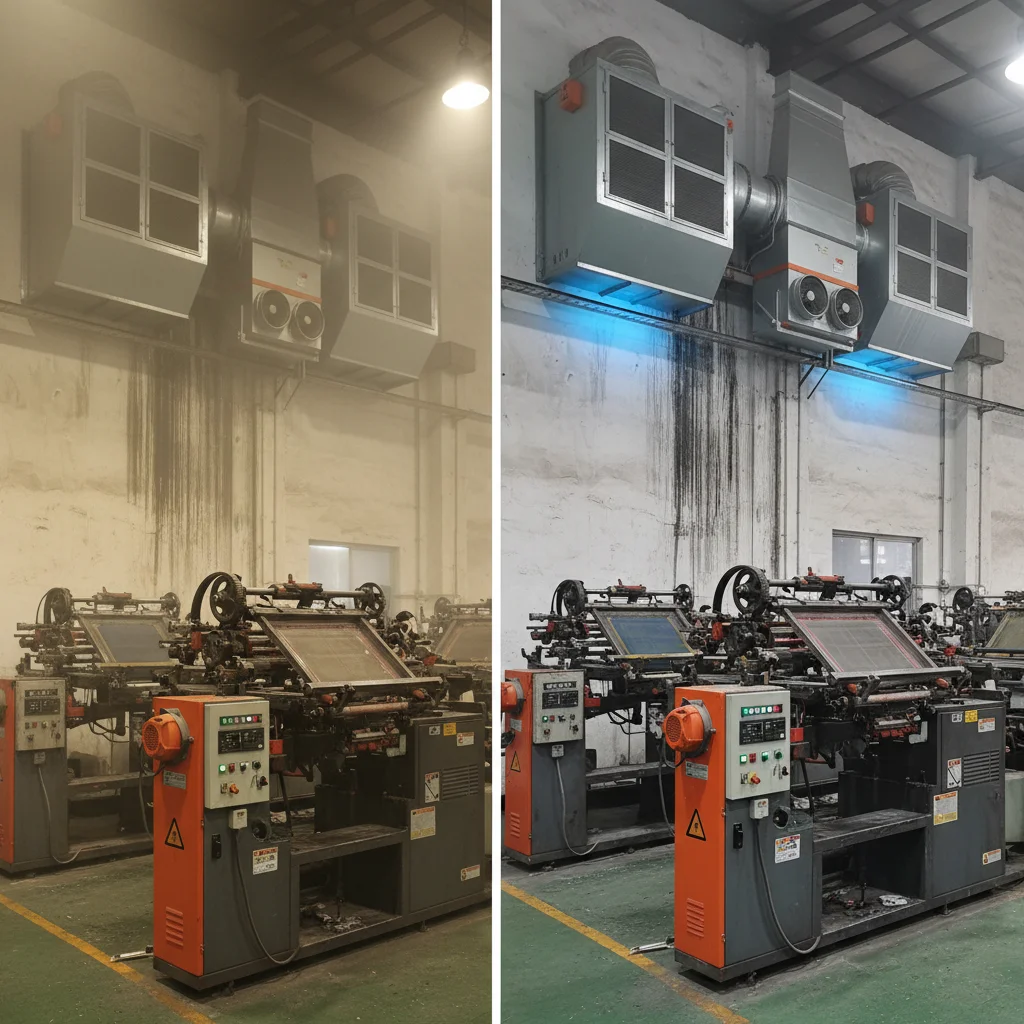
Industrial Wall Mounted Air Filtration for Clean Work Environments