
April 16, 2026
In the modern industrial landscape, the demand for high-precision filtering, screening, and reinforcement materials has skyrocketed. Central to this production is the wire mesh weaving machine, a sophisticated piece of equipment designed to intertwine metal wires with absolute accuracy. Whether you are producing fine architectural mesh or heavy-duty industrial screens, the quality of your machinery determines your market competitiveness. Understanding the nuances of weaving technology—from automatic warp-and-weft synchronization to tension control—is essential for any manufacturer aiming for zero-defect production. In this guide, we will explore the technical advantages and operational insights of these vital machines.
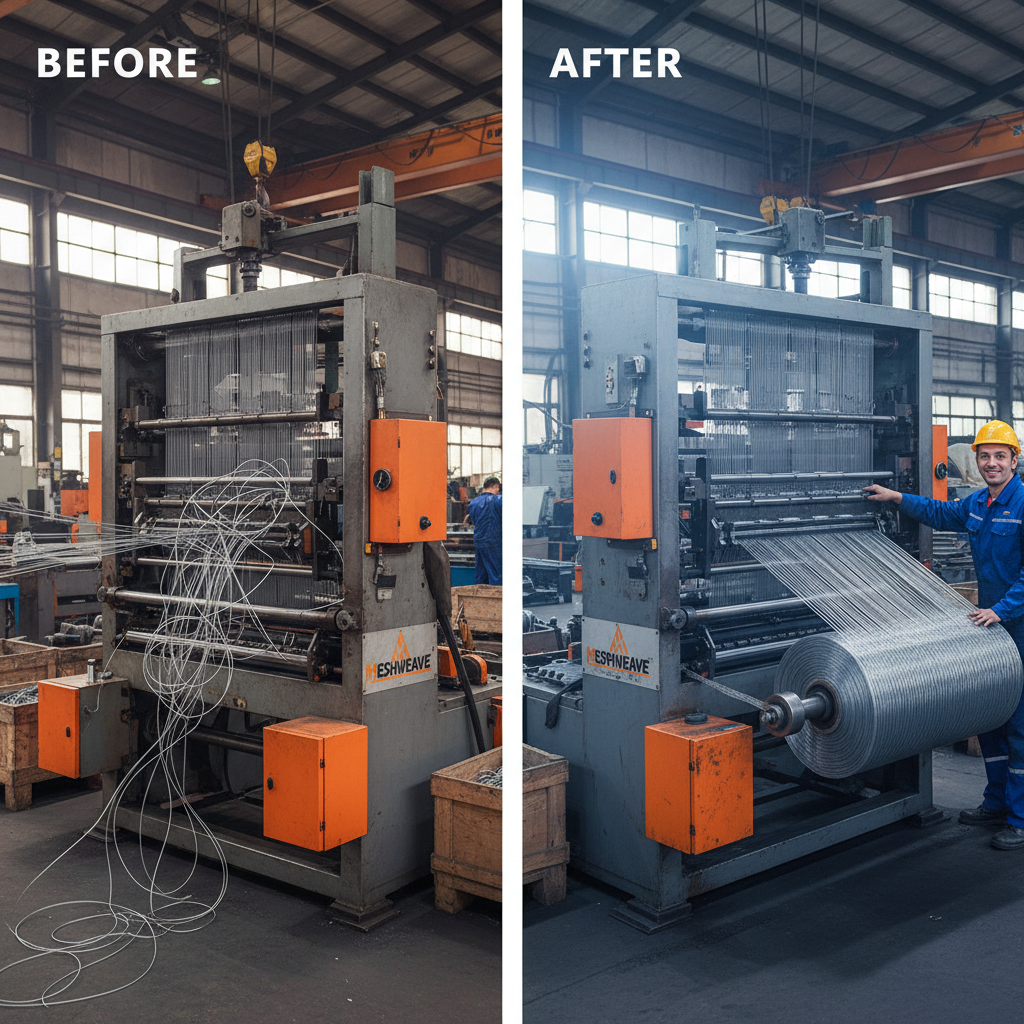
Efficiency in mesh production is no longer just about speed; it is about consistency and repeatability. A professional wire mesh weaving machine minimizes human error by automating the complex interlacing process. By utilizing advanced PLC control systems, these machines ensure that the mesh aperture remains uniform across the entire width of the fabric. This is critical for applications in chemical filtration and aerospace, where a single millimeter of deviation can lead to product failure. Moreover, the integration of automatic stop-motion sensors ensures that if a wire breaks, the machine halts instantly, preventing costly waste of raw materials.
Pro Tip: To maximize the lifespan of your equipment, implement a weekly lubrication schedule for the heddles and reed, as these components undergo the highest friction during high-speed weaving.
Depending on the intended end-use of the mesh, different weaving patterns are required. The most common is the plain weave, where wires cross each other one by one. However, more complex patterns like the twill weave or Dutch weave require a more versatile wire mesh weaving machine capable of adjusting the shedding motion. These advanced machines allow for a higher wire density and better structural stability, making the resulting mesh ideal for high-pressure environments. Choosing between a manual-feed and a fully automatic machine often depends on the production volume and the variety of mesh sizes required by your clients.
Common Weaving Patterns:
• Plain Weave: Balanced and stable, used for general screening.
• Twill Weave: Diagonal ribbing, better for heavy-duty filtration.
• Dutch Weave: Extremely tight weave, perfect for high-precision liquid filtration.
For startups, manual machines may seem attractive due to lower initial costs, but for scaling businesses, automation is the only viable path. An automatic wire mesh weaving machine reduces labor costs by up to 70% and increases output by several orders of magnitude. The precision provided by servo-motor controls ensures that the tension is uniform, which is nearly impossible to achieve manually over long production runs. The following table outlines the key differences between these two approaches.
To ensure a wire mesh weaving machine remains operational for decades, a proactive maintenance strategy is required. The most common failure points are the warp beams and the shuttle mechanism. Regular alignment checks prevent the wires from fraying, which can cause weaving errors or total machine jams. Additionally, utilizing high-grade alloy steel for wearing parts significantly extends the interval between replacements. Operators should also monitor the power stability, as voltage fluctuations can damage the PLC and servo motors of automated systems.
When purchasing a machine, it is vital to look beyond the price and examine the technical specifications. The maximum wire diameter the machine can handle defines your product range, while the weaving speed (ppm - picks per minute) determines your daily capacity. A high-end wire mesh weaving machine will offer adjustable width and precise tension control for different wire materials such as stainless steel, copper, or galvanized iron. Below are the typical specifications for a standard industrial model:
Selecting the right wire mesh weaving machine is a strategic decision that impacts every aspect of your production, from raw material waste to final product quality. By investing in automation, focusing on precise technical specifications, and adhering to a strict maintenance regimen, manufacturers can achieve an unmatched level of efficiency. Whether you are upgrading an existing facility or starting a new venture, the key to success lies in equipment that offers stability, precision, and scalability. Elevate your production standards today by choosing industry-leading weaving technology.
The setup time varies depending on whether the machine is manual or automatic. For automated machines, adjusting the mesh size often involves updating parameters in the PLC system and swapping the reed or heddles, which can take a few hours. Manual machines require a more labor-intensive reconfiguration of the warp beams. To minimize downtime, many factories keep multiple sets of reeds for their most common mesh sizes, allowing for a "quick-change" process that reduces setup time to less than 60 minutes.
Most industrial weaving machines are designed to handle a wide variety of metallic wires. Stainless steel (304 and 316) is the most common due to its corrosion resistance. However, these machines can also weave galvanized iron, copper, brass, and even some high-strength synthetic fibers or coated wires. The key is to ensure that the machine's tensioners and guides are compatible with the hardness and surface texture of the material to prevent scratching or snapping during the weaving process.
The most frequent cause of defects is inconsistent warp tension. If some wires are tighter than others, the resulting mesh will have irregular apertures or "skewing." This is often caused by worn-out tension disks or improper beam winding. Another common issue is the accumulation of metal dust and debris in the shedding mechanism, which can cause the wires to snag. Regular cleaning and the use of a high-quality wire mesh weaving machine with integrated tension control can virtually eliminate these issues.
Yes, provided the machine is equipped with a versatile shedding system. While basic machines are limited to plain weaves, advanced models allow for the reconfiguration of the heddle frames to create twill, satin, or Dutch weaves. This versatility is highly beneficial for companies that serve diverse industries, as it allows them to pivot production based on current market demand without needing to invest in multiple specialized machines. Always verify the "weave capability" in the technical manual before purchase.
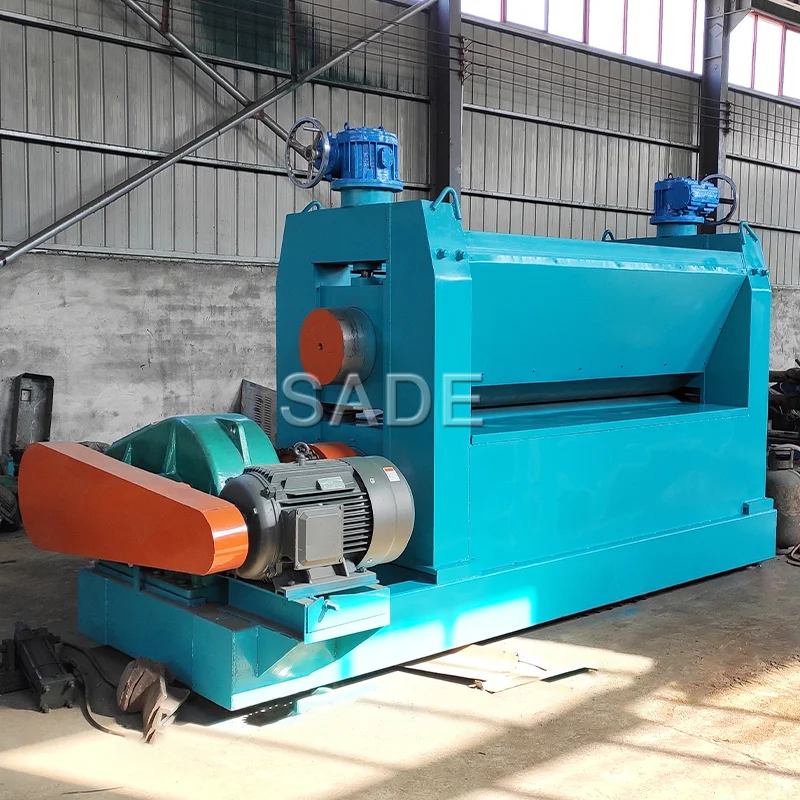
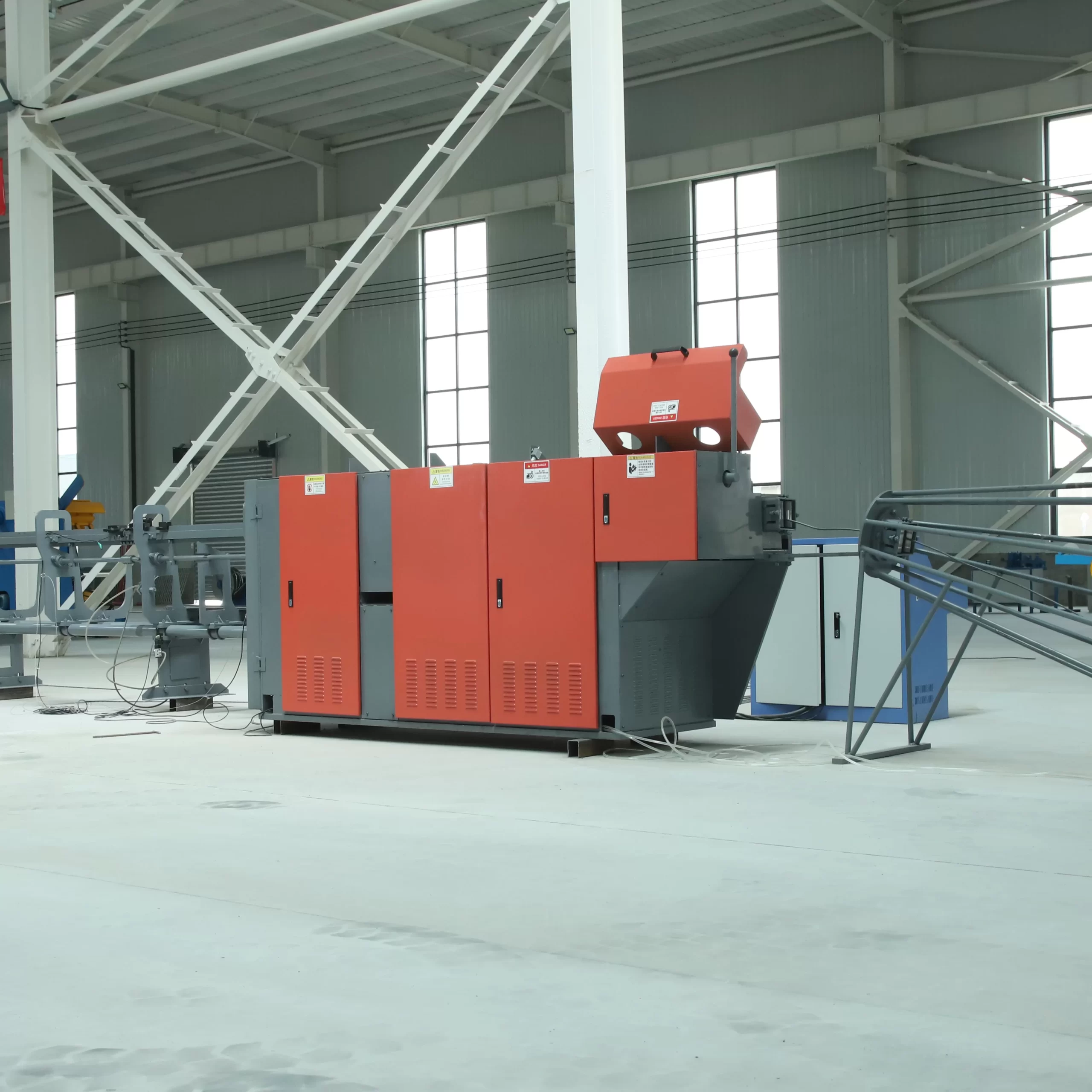
ZPJ Metal Mesh Flatting Machine
ZPJ metal mesh flatting machine is special designed for expanded metal flatting.It’s a corollary equipment of expanded metal machine. It can make expanded wire-mesh smoothly.And the flattened expanded metal have much more widely different applications.
Apr 24, 2026
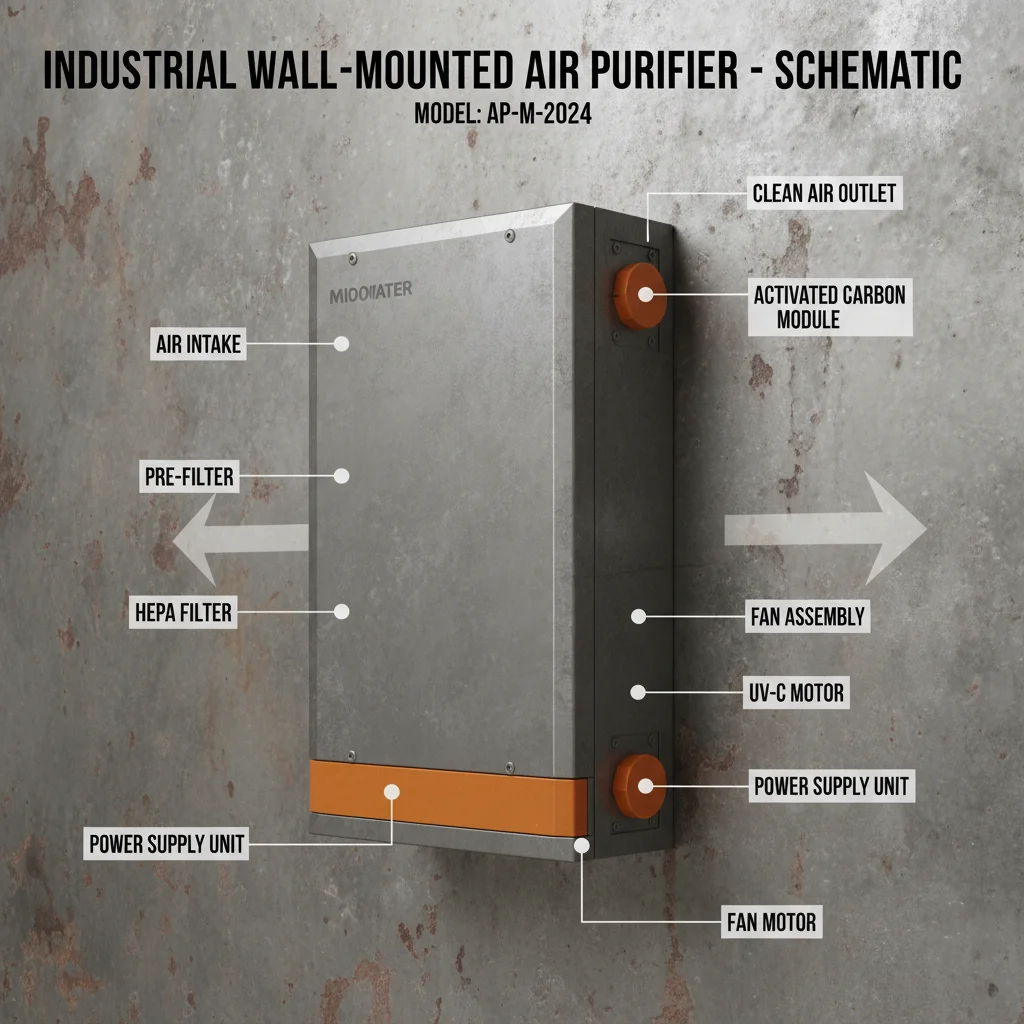
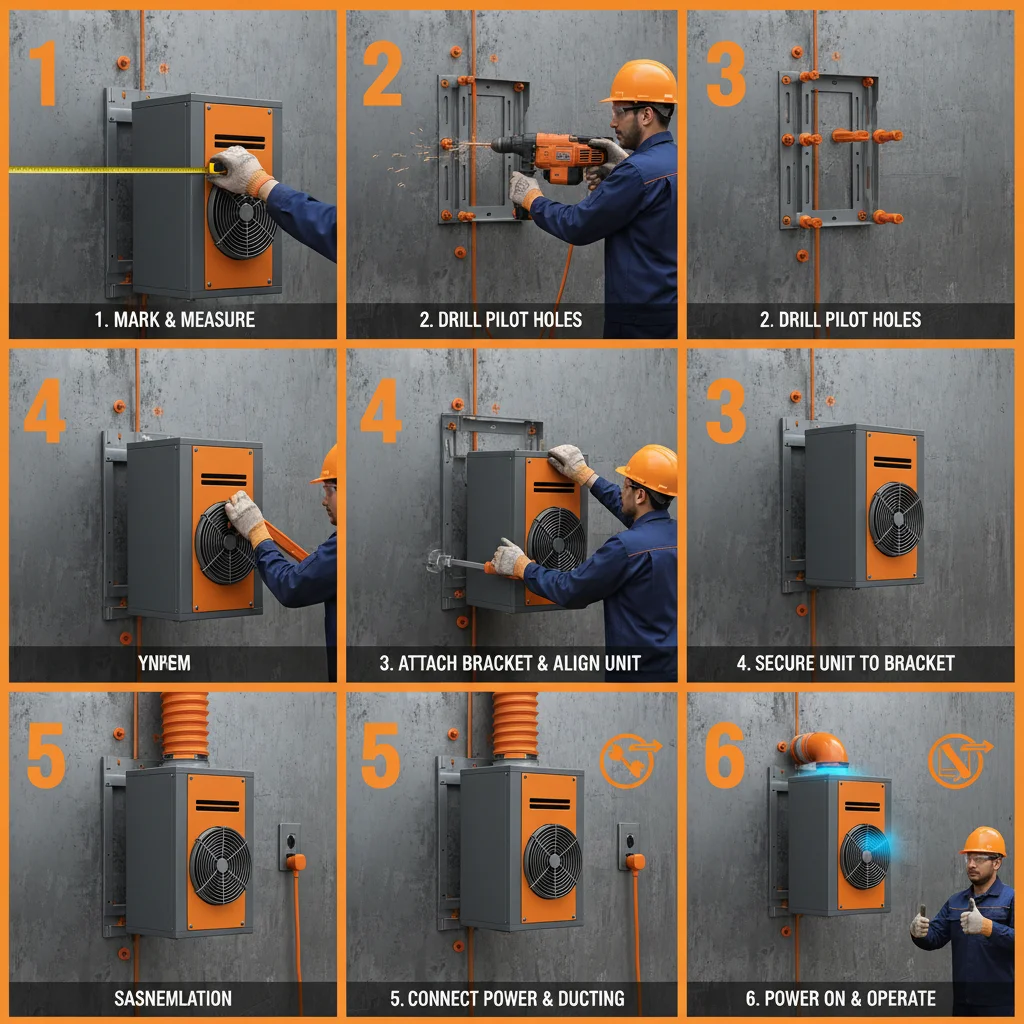
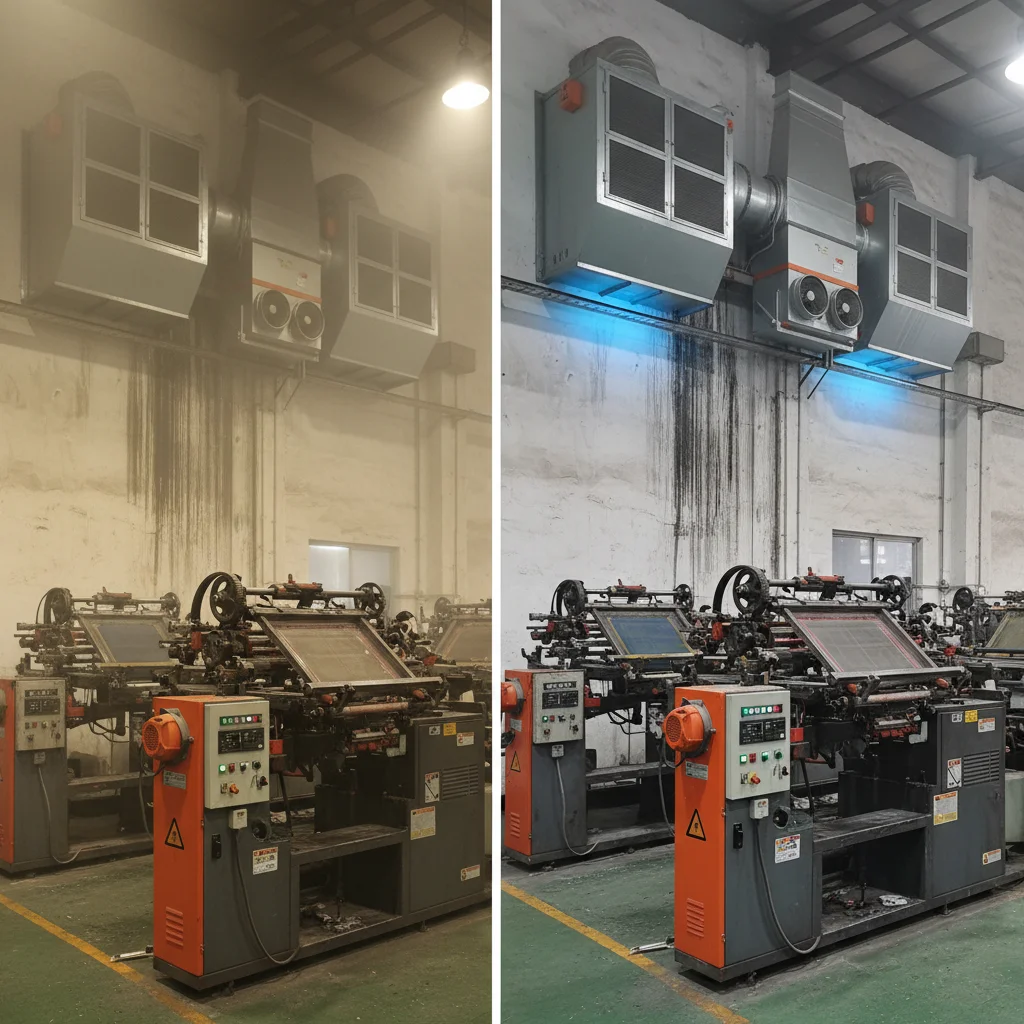
Industrial Wall Mounted Air Filtration for Clean Work Environments