
March 21, 2026
The demand for wire mesh products is consistently growing across numerous industries, from construction and agriculture to security and filtration. To meet this demand effectively, businesses require reliable and efficient wire mesh equipment. This article will delve into the various types of machinery available, the factors to consider when making a purchase, and the benefits of investing in high-quality equipment. Understanding your options is critical for optimizing production and ensuring long-term success.
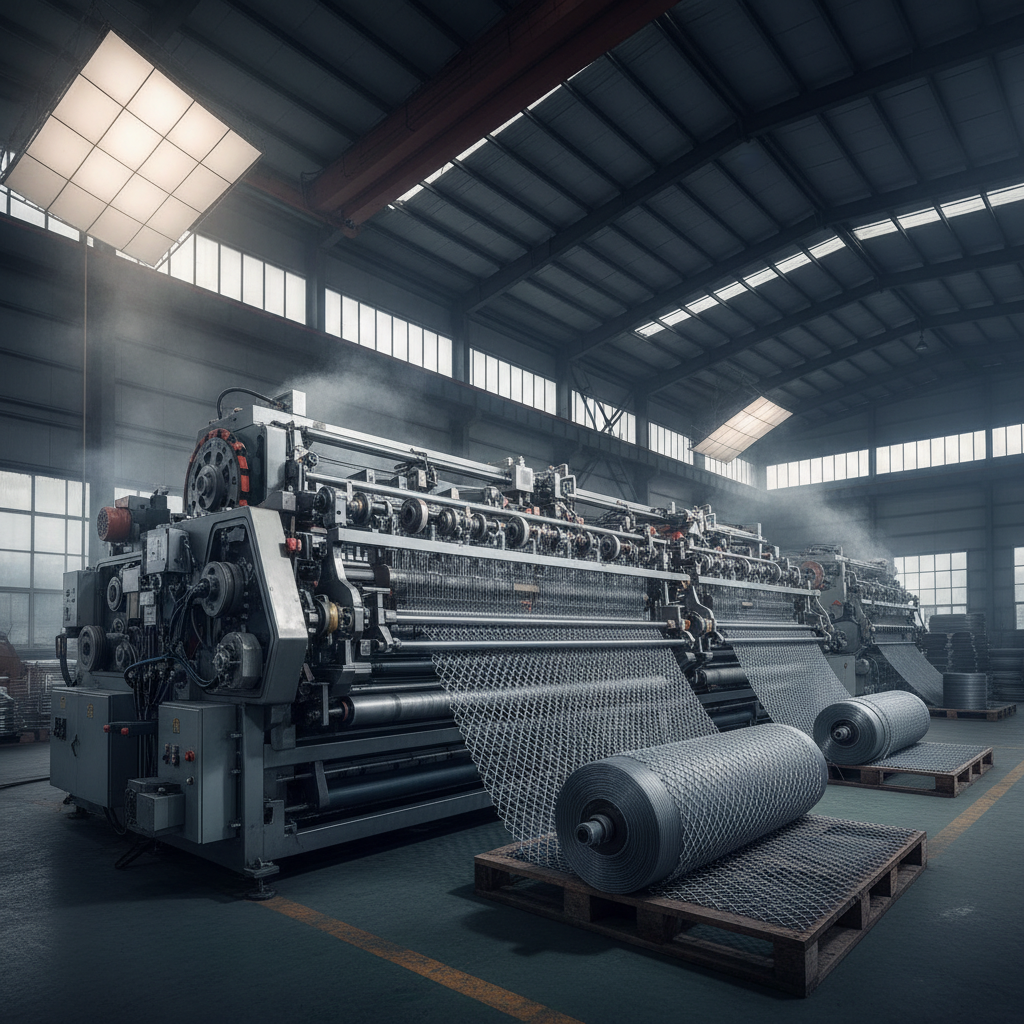
The world of wire mesh manufacturing utilizes a diverse range of machinery, each designed for a specific process. Common equipment includes wire drawing machines, which reduce the diameter of wire; welding machines for creating welded wire mesh; weaving machines for producing woven wire mesh; and cutting & forming machines for creating shaped mesh products. Each step in the process requires specialized equipment to ensure efficiency and quality. Choosing the right combination of machines depends on the specific types of wire mesh you intend to produce. Mesh Machinery offers comprehensive solutions to cover the complete production line.
Key Takeaway: Different wire mesh products require different manufacturing processes and, therefore, different equipment. Understanding these nuances is essential for making informed investment decisions.
Let’s examine some of the key machines involved in wire mesh production. Firstly, Wire Drawing Machines are crucial for reducing the diameter of the wire to the desired specification. Following this, Welding Machines (including spot welding and mesh welding) create strong, durable connections between wires. Weaving Machines are used for more intricate mesh patterns, while Slitting and Edge Binding Machines prepare the wire mesh for its final application. Finally, Cutting Machines are used to cut the mesh to the desired size and shape. Selecting the right machines requires careful consideration of production volume, material type, and desired mesh specifications.
Several factors should influence your decision when investing in wire mesh equipment. First, assess your production volume. High-volume production necessitates automated, high-speed machinery. Second, consider the types of materials you’ll be working with (stainless steel, galvanized iron, etc.), as some machines are better suited for specific materials. Third, evaluate the level of automation required. Fully automated lines minimize labor costs but require significant upfront investment. Finally, don't overlook the importance of after-sales service and spare parts availability. A reliable supplier will provide ongoing support to ensure minimal downtime.
Investing in high-quality wire mesh equipment translates to numerous long-term benefits. Increased production efficiency, reduced waste, and improved product quality are just a few. Durable, well-maintained machinery minimizes downtime and repair costs. Furthermore, superior equipment allows you to meet stringent industry standards and cater to a wider range of customer requirements. While the initial investment may be higher, the return on investment (ROI) is substantial over time.
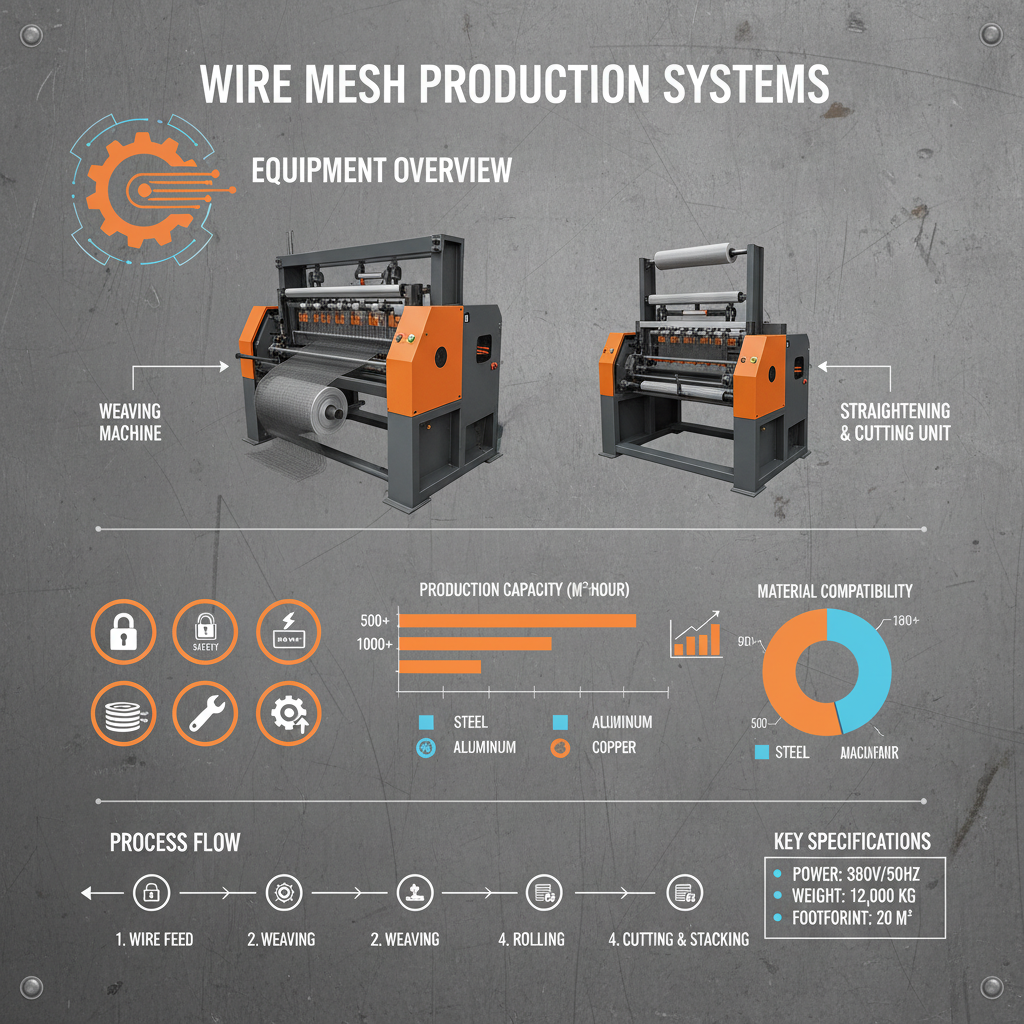
Selecting a reputable and experienced supplier is paramount. Look for a company that offers a comprehensive range of equipment, provides excellent customer support, and has a proven track record. Consider factors like warranty, installation services, and training programs. Mesh Machinery specializes in providing high-quality wire mesh equipment and solutions to businesses worldwide, offering tailored options and dedicated support.
Investing in the right wire mesh equipment is a critical step toward achieving long-term success and profitability. By carefully considering your production needs, evaluating equipment options, and choosing a reliable supplier, you can build a robust and efficient manufacturing operation. Don’t compromise on quality – invest in machinery that will deliver consistent performance and help you meet the evolving demands of the market.
Lead times vary depending on the complexity of the equipment and current production schedules. Generally, standard machines have a lead time of 4-8 weeks, while customized solutions may take 8-12 weeks or longer. It's always best to discuss your specific requirements with the supplier to get an accurate estimate. Factors like material availability and shipping logistics can also influence lead times.
Regular maintenance is crucial for ensuring the longevity and performance of your equipment. This includes lubrication of moving parts, inspection of belts and chains, cleaning of filters, and checking electrical connections. Following the manufacturer's recommended maintenance schedule is vital. Preventative maintenance can significantly reduce downtime and repair costs. Consider establishing a maintenance plan with your supplier.
Yes, we provide comprehensive training programs for our customers. Training can be conducted at our facility or on-site at your location. We cover topics such as machine operation, safety procedures, maintenance, and troubleshooting. Proper training ensures that your operators can use the equipment effectively and safely, maximizing productivity and minimizing the risk of accidents.
We offer a standard warranty of 12 months on all our new equipment, covering defects in materials and workmanship. Extended warranty options are also available. The warranty does not cover damage caused by improper operation, neglect, or unauthorized modifications. We are committed to providing our customers with reliable equipment and excellent after-sales support.
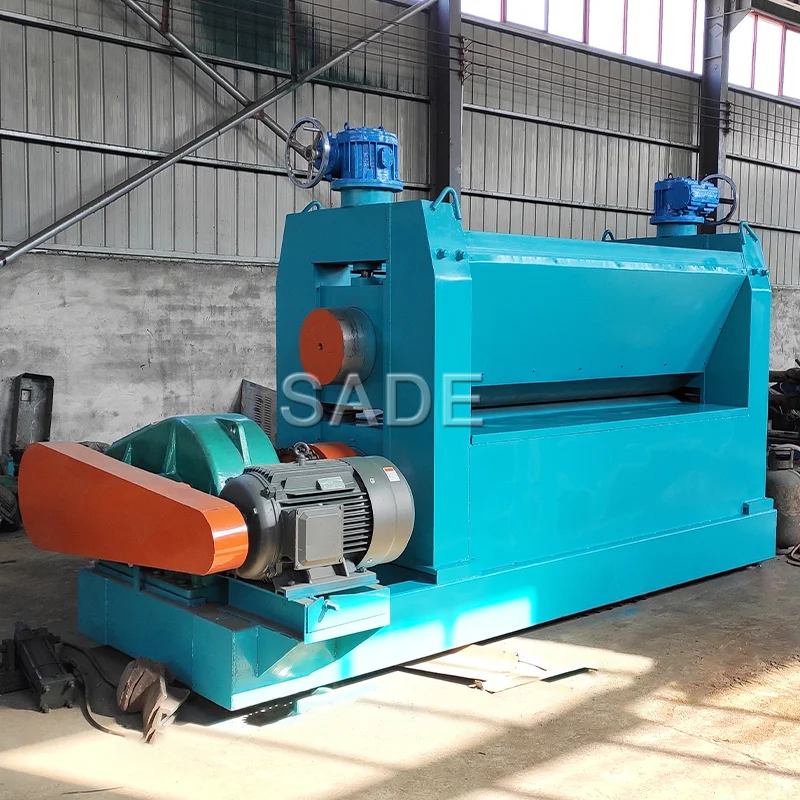
ZPJ Metal Mesh Flatting Machine
ZPJ metal mesh flatting machine is special designed for expanded metal flatting.It’s a corollary equipment of expanded metal machine. It can make expanded wire-mesh smoothly.And the flattened expanded metal have much more widely different applications.
Apr 24, 2026
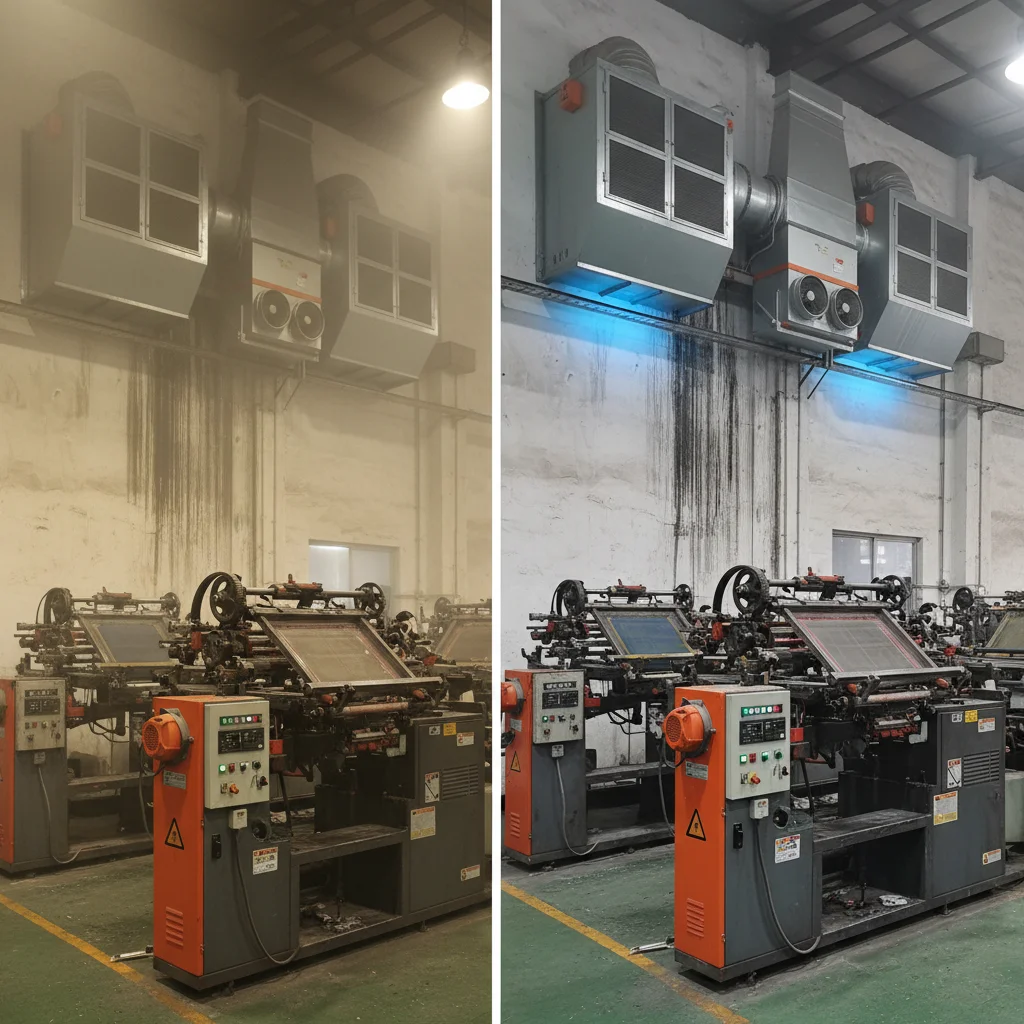
Industrial Wall Mounted Air Filtration for Clean Work Environments