
March 06, 2026
In the world of electrical installation and cable management, efficiency and precision are paramount. Cable tray machines have revolutionized how these tasks are performed, offering significant advantages over traditional manual methods. This article will delve into the functionalities, benefits, types, and key considerations when selecting a cable tray machine. Whether you're involved in large-scale infrastructure projects or smaller commercial installations, understanding this technology is crucial for optimizing your operations. A robust and efficient cable tray machine can dramatically reduce labor costs and improve project timelines.
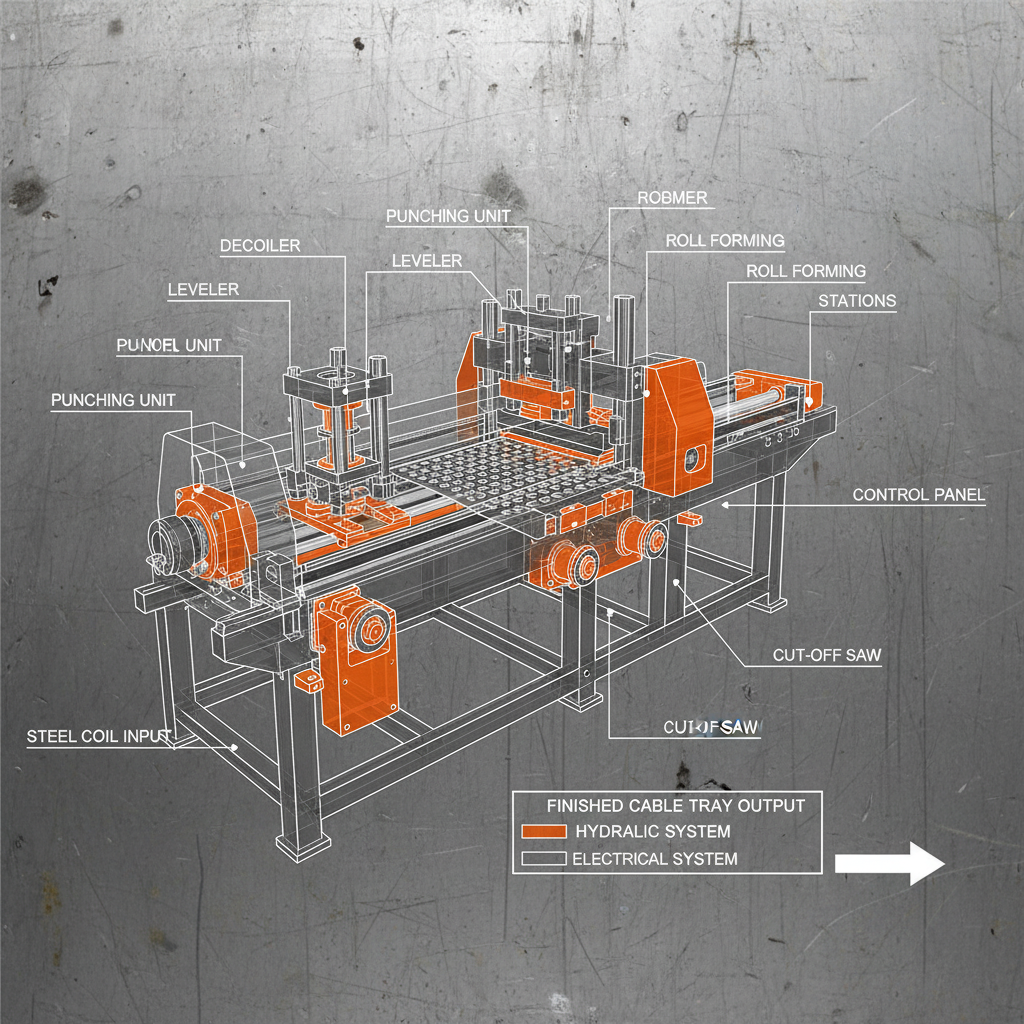
A cable tray machine is an automated system designed to fabricate cable trays, typically from galvanized steel, aluminum, or stainless steel. These machines streamline the process of cutting, bending, and joining tray sections, significantly reducing the time and labor required compared to manual fabrication. They can produce various types of cable trays, including ladder type, perforated type, and solid bottom trays, catering to diverse project requirements. The key advantage of using a cable tray machine lies in its ability to deliver consistently high-quality results with minimal waste.
Key Benefits: Increased production speed, reduced labor costs, improved accuracy, consistent quality, and minimized material waste.
There are several types of cable tray machines available, each suited for different production volumes and tray types. Common types include:
Selecting the right cable tray machine requires careful consideration of several factors. These include your production volume, the types of trays you need to manufacture, your budget, and the available space in your facility. Consider the material you will be working with – some machines are better suited for specific metals. Also, assess the level of automation you require; fully automated systems offer higher efficiency but come with a higher initial investment.
Important Factors to Consider:
• Production Volume
• Tray Types (ladder, perforated, solid)
• Material Compatibility (steel, aluminum, stainless steel)
• Automation Level
Understanding the technical specifications of a cable tray machine is essential for making an informed decision. Here’s a comparison of some key features across different machine types:
The cable tray machine industry is constantly evolving, with advancements focusing on increased automation, higher precision, and greater flexibility. We are seeing a trend towards integrated systems that can handle the entire fabrication process from coil to finished tray. The integration of Industry 4.0 technologies, such as remote monitoring and predictive maintenance, is also becoming more common, allowing for optimized performance and reduced downtime. Mesh Machinery is at the forefront of these innovations, providing cutting-edge solutions for the modern cable tray manufacturing industry.
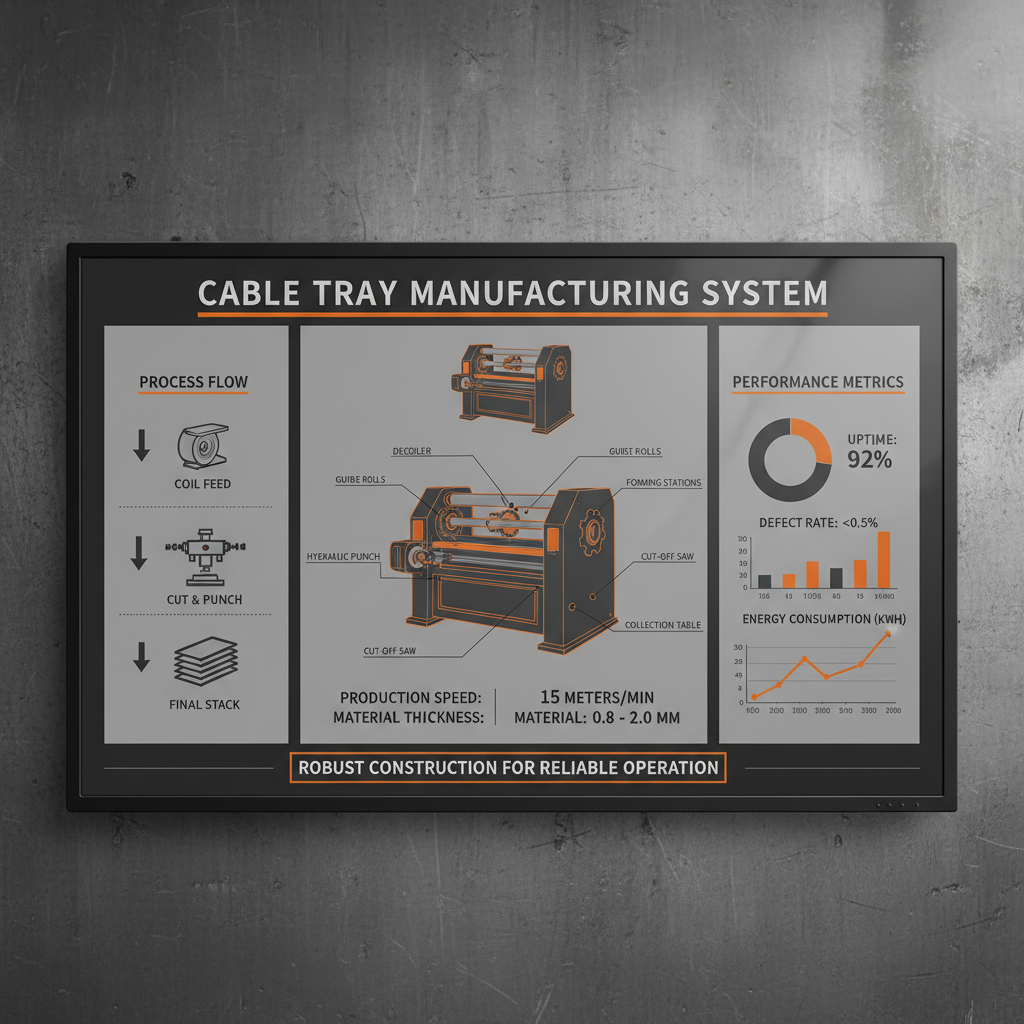
Investing in a cable tray machine is a strategic decision that can significantly enhance your production capabilities, reduce costs, and improve the quality of your cable tray installations. By carefully considering your specific needs and choosing the right machine for the job, you can unlock a new level of efficiency and competitiveness.
The ROI for a cable tray machine varies depending on production volume, labor costs, and the price of the machine. However, companies typically see a full return on investment within 12-24 months due to reduced labor costs, minimized material waste, and increased production capacity. A detailed cost-benefit analysis should be conducted to estimate the potential ROI for your specific operation. The elimination of manual errors and the ability to fulfill larger orders quickly contribute significantly to this ROI.
Regular maintenance is crucial for ensuring the longevity and optimal performance of your cable tray machine. This includes lubrication of moving parts, inspection of rollers and dies for wear, cleaning of the machine to remove debris, and checking electrical connections. Preventative maintenance schedules, as recommended by the manufacturer, should be followed diligently. Mesh Machinery provides comprehensive maintenance packages and support to minimize downtime.
Yes, most cable tray machines are designed to handle a range of metal gauges, typically from 1.0mm to 2.5mm. However, the specific gauge capacity varies depending on the machine's design and capabilities. It’s important to specify the range of gauges you will be working with when purchasing a machine to ensure it meets your requirements. Some machines may require die changes for different gauges.
Safety is paramount in the operation of a cable tray machine. Common safety features include emergency stop buttons, safety guards around moving parts, overload protection, and automatic shutdown mechanisms. Machines often incorporate light curtains or sensors to prevent operation if access doors are open. Proper training and adherence to safety protocols are essential for all operators.
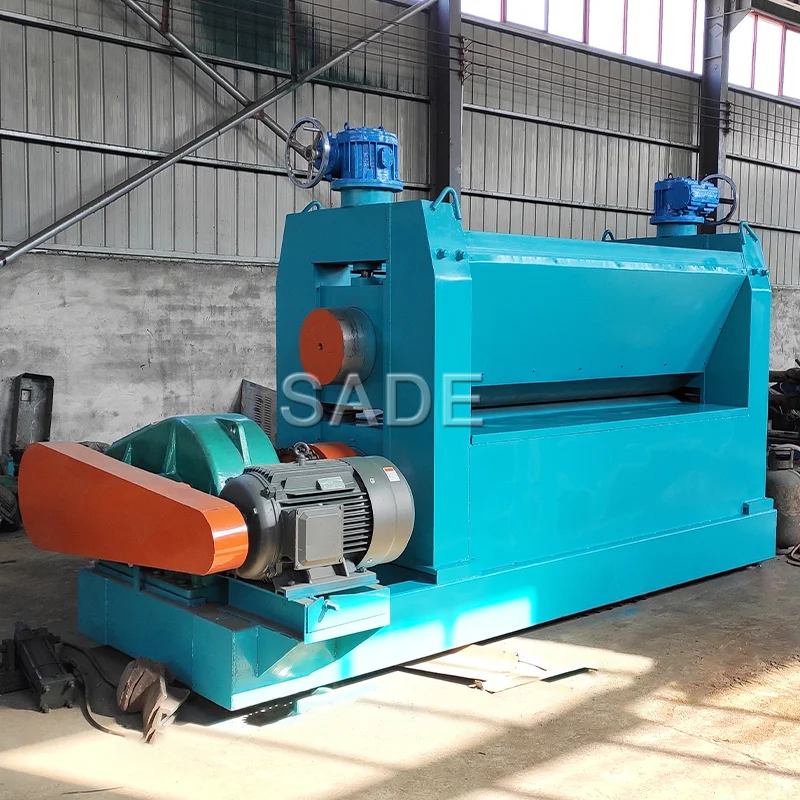
ZPJ Metal Mesh Flatting Machine
ZPJ metal mesh flatting machine is special designed for expanded metal flatting.It’s a corollary equipment of expanded metal machine. It can make expanded wire-mesh smoothly.And the flattened expanded metal have much more widely different applications.
Apr 24, 2026
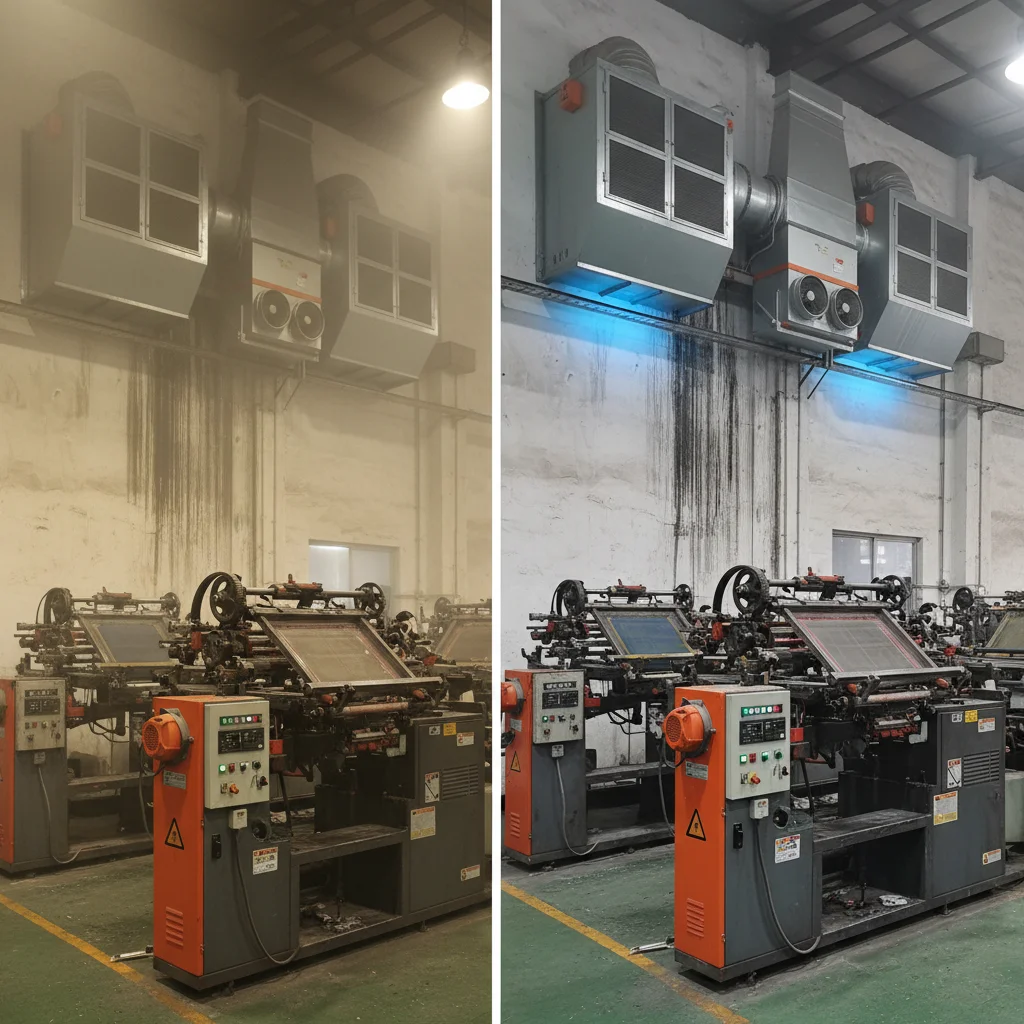
Industrial Wall Mounted Air Filtration for Clean Work Environments