
February 28, 2026
In the construction industry, efficiency and precision are paramount. One piece of equipment that significantly contributes to both is the hydraulic rebar bending machine. These machines revolutionize the way reinforcing steel is prepared, reducing labor costs, increasing accuracy, and speeding up project timelines. This article explores the features, benefits, applications, and considerations when choosing a hydraulic rebar bending machine. Understanding these aspects is crucial for contractors, construction managers, and anyone involved in reinforced concrete structures. Mesh Machinery offers a wide range of solutions to meet diverse construction needs.
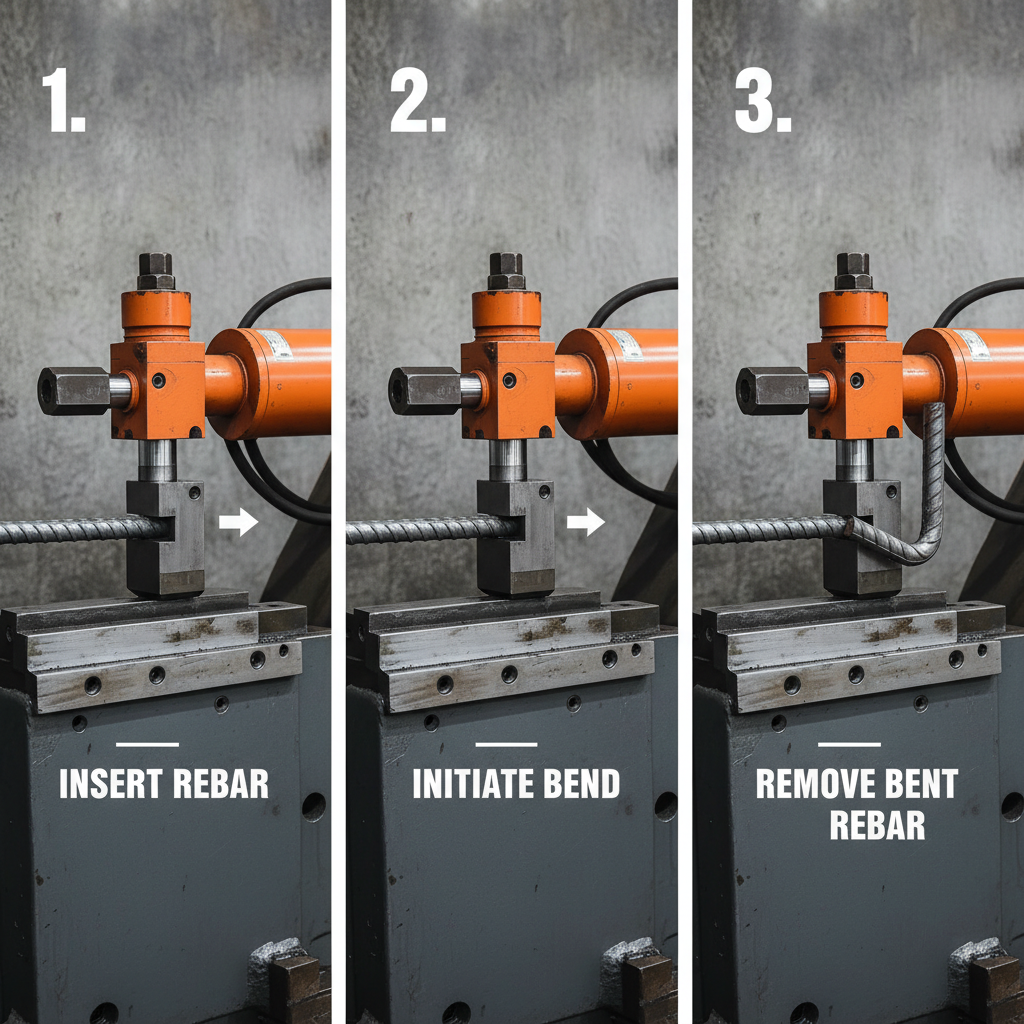
At its core, a hydraulic rebar bending machine utilizes hydraulic pressure to deliver the force needed to bend rebar to precise angles and shapes. The machine typically consists of a hydraulic pump, a control panel, bending dies, and a supporting frame. The operator selects the desired bending angle and diameter, and the hydraulic pump powers the bending die to accurately deform the rebar. The use of hydraulics allows for consistent and controlled bending, far exceeding the capabilities of manual methods. These machines significantly reduce the physical strain on workers and ensure a higher degree of accuracy and repeatability, leading to more structurally sound constructions. Learn more about hydraulic systems from Mesh Machinery.
Key Benefit: Reduced Labor Costs and Increased Productivity. Hydraulic rebar bending machines significantly minimize the time and manpower needed for rebar preparation, translating to substantial cost savings and faster project completion.
When selecting a hydraulic rebar bending machine, several features are critical to consider. These include the maximum bending diameter, bending angle range, bending speed, power source (electric or diesel), portability, and available bending dies. Machines with a wider range of bending diameters and angles provide greater versatility. The level of automation, from semi-automatic to fully automatic, impacts both efficiency and cost. Portability is crucial for projects with multiple locations. Finally, ensuring the availability of replacement parts and reliable after-sales support is essential for minimizing downtime and maximizing the machine's lifespan. Mesh Machinery provides customizable options to fit your specific needs.
Essential Features Checklist:
• Maximum Bending Diameter
• Bending Angle Range
• Bending Speed
• Power Source (Electric/Diesel)
• Portability
The choice between hydraulic and manual rebar bending methods is a critical one. While manual bending is suitable for small projects with minimal rebar requirements, hydraulic machines offer significant advantages for larger-scale constructions. Manual bending is labor-intensive, prone to inaccuracies, and poses a higher risk of worker injury. Hydraulic bending, conversely, is faster, more precise, safer, and more cost-effective in the long run. The initial investment in a hydraulic machine is higher, but the increased efficiency and reduced labor costs quickly offset this expense. Consider the project scope and long-term cost implications when making your decision.
Hydraulic rebar bending machines find widespread application in various construction projects. These include the construction of bridges, tunnels, high-rise buildings, roads, and precast concrete structures. They are indispensable for creating the complex shapes and angles required in modern reinforced concrete designs. Their versatility and efficiency make them a valuable asset on any construction site, ensuring the structural integrity and longevity of the finished product. From small residential projects to large-scale infrastructure developments, hydraulic rebar benders play a crucial role in delivering robust and reliable concrete structures.
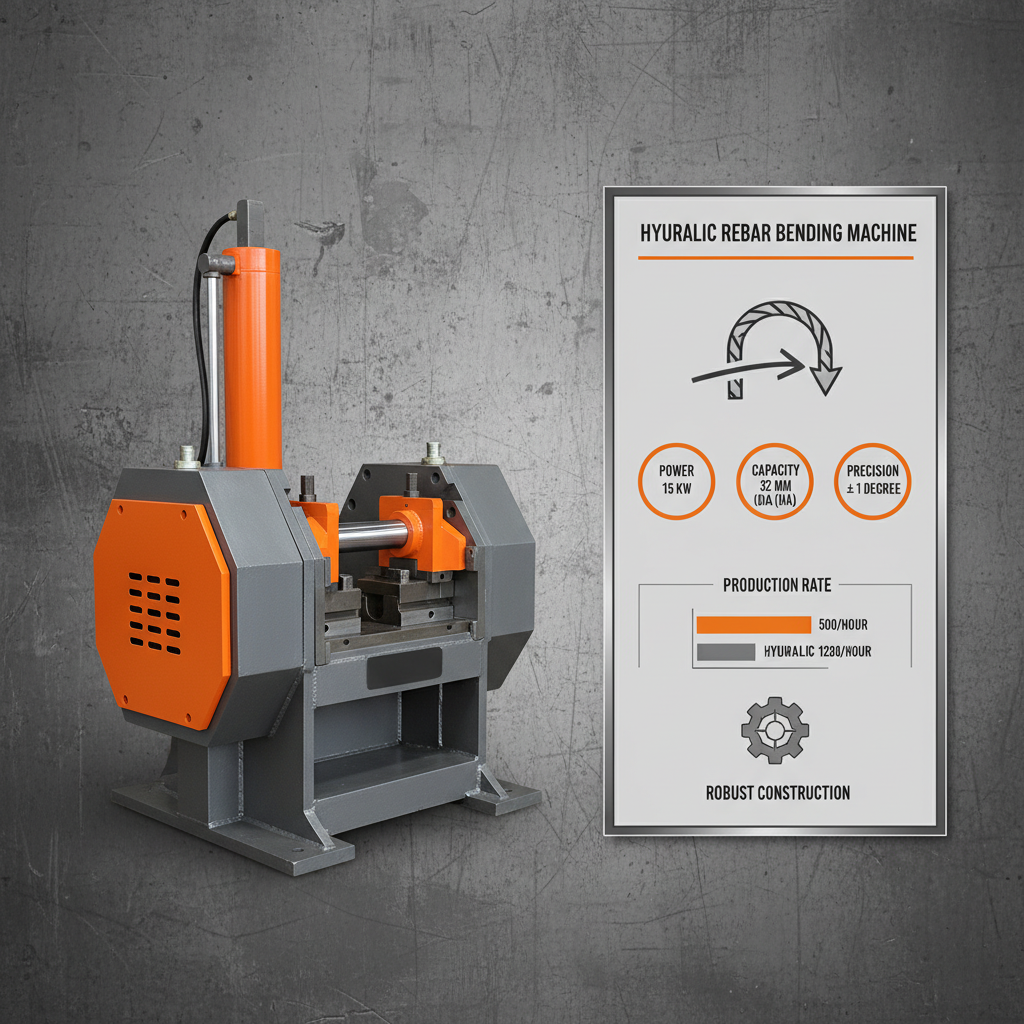
Selecting the appropriate hydraulic rebar bending machine requires careful evaluation of your specific needs. Consider the diameter and grade of rebar you'll be working with, the types of bends required, and the volume of rebar processing. Factor in the power source availability, space constraints, and budget limitations. Regular maintenance and access to spare parts are also vital considerations. Mesh Machinery offers expert guidance to help you choose the optimal machine for your application, along with comprehensive after-sales service.
Investing in a hydraulic rebar bending machine is a strategic move for any construction business seeking to improve efficiency, accuracy, and safety. The benefits extend beyond simply bending rebar; they encompass cost savings, reduced labor, and the ability to tackle larger, more complex projects. Mesh Machinery is committed to providing high-quality machines and expert support to help you achieve your construction goals.
Regular maintenance is crucial for ensuring the longevity and performance of your machine. This includes checking and replenishing hydraulic fluid levels, lubricating moving parts, inspecting hoses and fittings for leaks, and cleaning the machine regularly. It is also important to check the bending dies for wear and tear and replace them as needed. Following the manufacturer's maintenance schedule and performing preventative maintenance will minimize downtime and ensure optimal operation. Mesh Machinery provides comprehensive maintenance guides and support.
Safety should always be a top priority. Always wear appropriate personal protective equipment (PPE), including safety glasses, gloves, and steel-toed boots. Ensure the machine is properly grounded and that all safety guards are in place. Never exceed the machine's maximum bending capacity. Keep hands and body parts clear of moving parts during operation. Read and understand the operator's manual before using the machine. Mesh Machinery provides thorough safety training with its machines.
Yes, most hydraulic rebar bending machines can handle different grades and types of rebar, including mild steel, high-yield steel, and stainless steel. However, it's essential to verify the machine's specifications to ensure it's compatible with the specific rebar you intend to use. The machine should also have adjustable settings to accommodate different rebar diameters and shapes. Using the correct settings is crucial for achieving accurate bends and preventing damage to the machine.
Warranty periods vary depending on the manufacturer and model of the machine. However, a typical warranty covers manufacturing defects in materials and workmanship for a period of one to two years. It's important to carefully review the warranty terms and conditions before purchasing a machine. Mesh Machinery offers competitive warranties and comprehensive after-sales support to ensure your peace of mind.
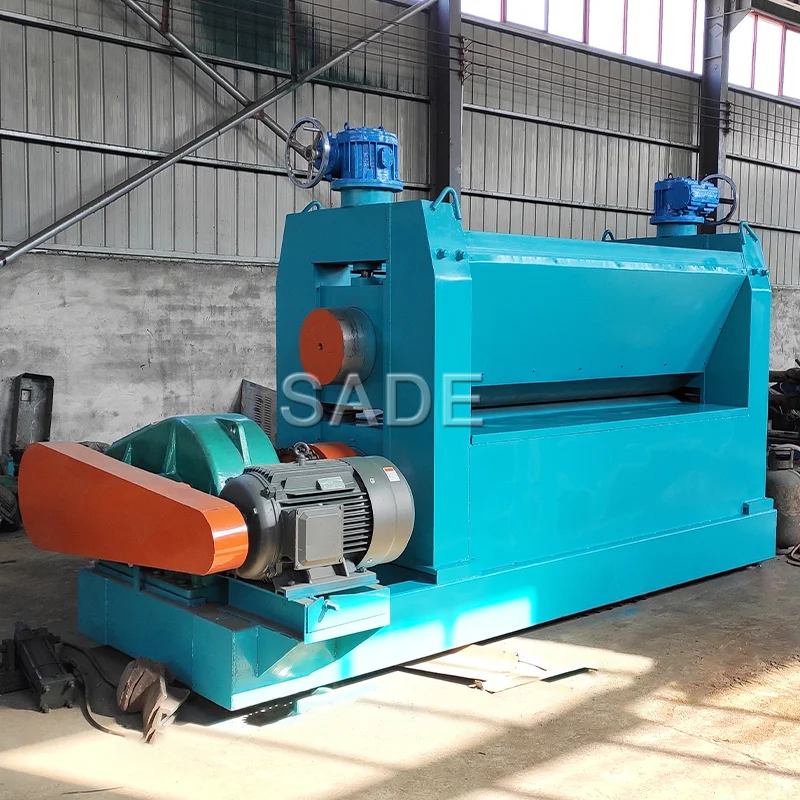
ZPJ Metal Mesh Flatting Machine
ZPJ metal mesh flatting machine is special designed for expanded metal flatting.It’s a corollary equipment of expanded metal machine. It can make expanded wire-mesh smoothly.And the flattened expanded metal have much more widely different applications.
Apr 24, 2026
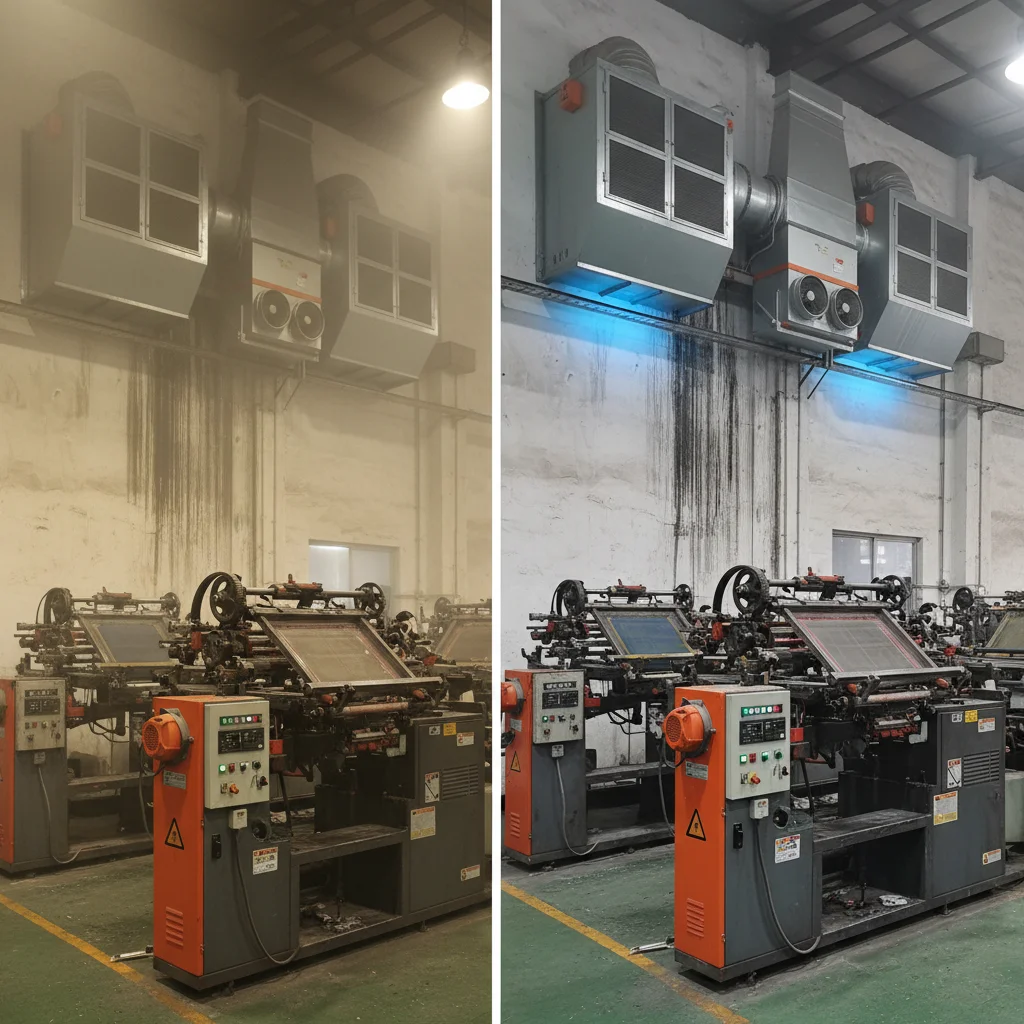
Industrial Wall Mounted Air Filtration for Clean Work Environments