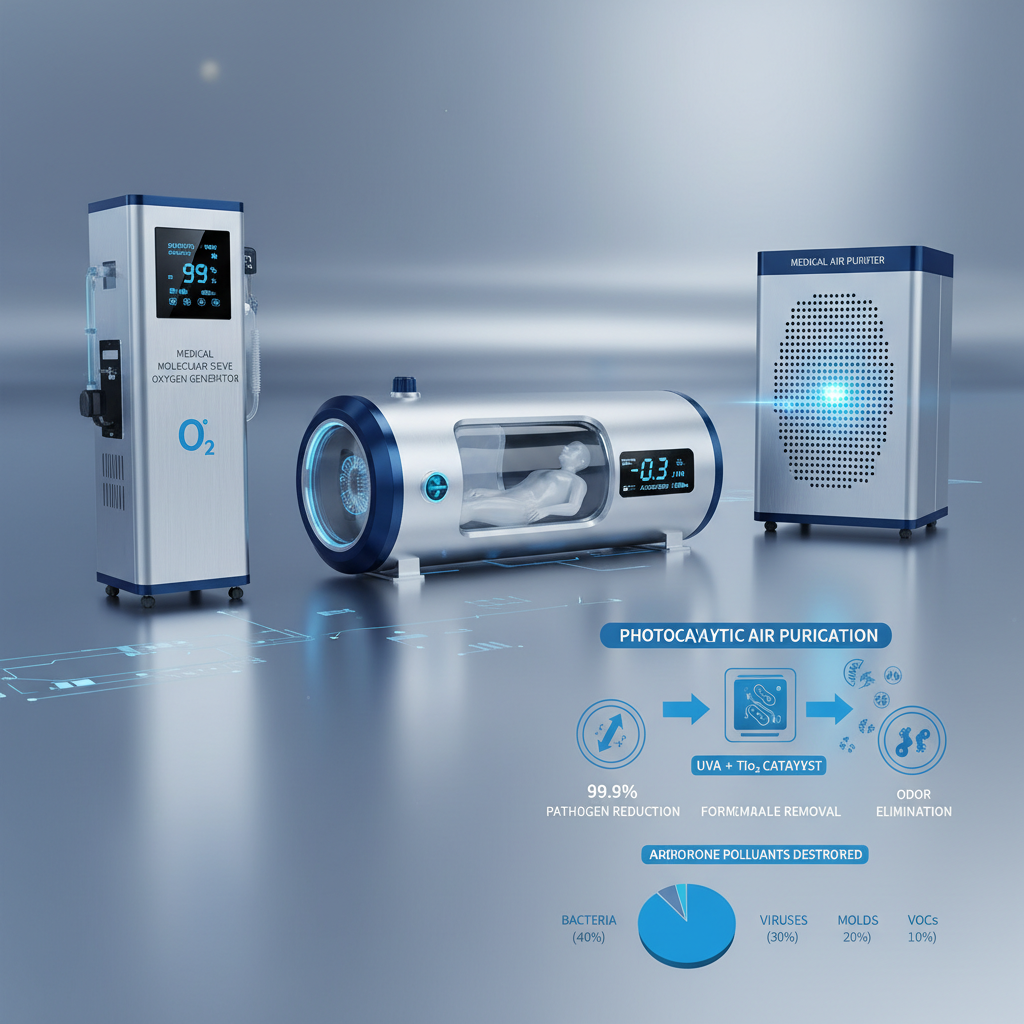
In an era where urban air quality has become a critical global health concern, photocatalytic air purification emerges as a revolutionary approach to combating volatile organic compounds (VOCs) and nitrogen oxides. Unlike traditional filtration systems that merely trap pollutants, this technology actively decomposes harmful substances into harmless elements through a light-activated chemical process, offering a sustainable path toward cleaner living and working environments.
The global significance of this technology is underscored by rising industrial emissions and the increasing prevalence of respiratory illnesses in densely populated cities. By utilizing semiconductors like titanium dioxide, this method leverages ultraviolet or visible light to create powerful oxidizing agents, ensuring that the air we breathe is not just filtered, but truly purified at a molecular level.
Understanding the mechanisms and applications of photocatalytic air purification is essential for engineers, city planners, and industrial designers. From integrating these coatings into building facades to developing high-efficiency industrial scrubbers, the ability to harness light for environmental remediation represents a pivotal shift in how we approach ecological sustainability and public health.
The Global Context of Photocatalytic Air Purification
On a global scale, air pollution is recognized by the World Health Organization (WHO) as one of the greatest environmental risks to health. In many industrial zones, traditional carbon filters are insufficient because they reach saturation quickly, requiring frequent and costly replacements. photocatalytic air purification provides a dynamic alternative that does not simply store pollutants but destroys them, reducing the waste stream associated with filter disposal.
The urgency for adopting such technologies is heightened by the ISO 14001 standards for environmental management. As cities strive for "Net Zero" emissions, the integration of photocatalytic surfaces in urban architecture—such as smog-eating concrete—is becoming a primary strategy. This shift is not merely technical but economic, as reducing airborne toxins leads to lower healthcare costs and increased workforce productivity in industrial settings.
Defining the Mechanisms of Photocatalytic Air Purification
At its most basic level, photocatalytic air purification is a chemical reaction triggered by the interaction of light and a semiconductor catalyst. When a photon of light hits the catalyst surface (most commonly titanium dioxide, TiO2), it excites an electron, creating an "electron-hole pair." This state is highly reactive, allowing the catalyst to break down organic molecules and NOx gases into water and carbon dioxide.
This process is fundamentally different from HEPA filtration or electrostatic precipitation. While those methods rely on physical barriers or electrical charges to capture particles, photocatalysis is a destructive process. It targets the molecular structure of the pollutant, meaning it can eliminate odors and toxic gases that are far too small to be caught by traditional mesh or fabric filters.
In the context of modern industrial needs, this means that photocatalytic air purification can be integrated into existing ventilation systems to provide continuous, passive sterilization. This is particularly vital in medical facilities and chemical plants where biological contaminants and hazardous fumes must be eradicated constantly to ensure worker safety and regulatory compliance.
Core Components for High-Efficiency Purification
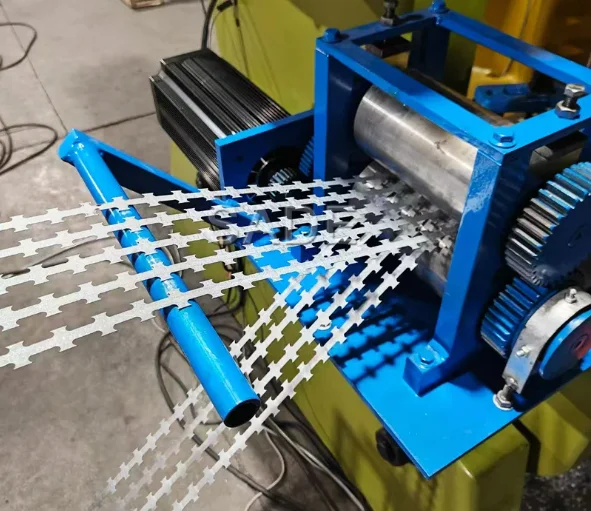
The effectiveness of photocatalytic air purification depends heavily on the surface area of the catalyst. To maximize the contact between the air and the semiconductor, manufacturers often use specialized porous structures or metallic meshes. The higher the surface-to-volume ratio, the more pollutant molecules can be processed per second, directly impacting the overall air exchange efficiency.
Light source optimization is the second critical factor. While traditional systems used UV-C lamps, modern photocatalytic air purification focuses on "visible-light-active" catalysts. By doping the TiO2 with elements like nitrogen or silver, the system can operate under standard LED or sunlight, significantly reducing energy consumption and eliminating the risks associated with high-intensity UV radiation.
Finally, the stability and durability of the catalyst coating are paramount. In heavy-duty industrial environments, catalysts can become "poisoned" by certain inorganic compounds, which block the active sites. Advanced coating techniques, such as atomic layer deposition, ensure that the photocatalytic air purification layer remains robust and active over thousands of hours of operation without requiring chemical regeneration.
Performance Metrics and Scalability Factors
When evaluating photocatalytic air purification, engineers look at the "Degradation Rate" and "Quantum Efficiency." The degradation rate measures how quickly a specific concentration of a pollutant (like formaldehyde) is reduced over time, while quantum efficiency refers to how many photons are actually utilized to trigger a chemical reaction.
Scalability is achieved by modularizing the catalyst arrays. Instead of one massive reactor, systems are designed as a series of photocatalytic panels that can be expanded based on the room volume or air flow rate. This modular approach ensures that the air velocity remains low enough to allow sufficient residence time for the pollutants to interact with the catalyst surface.
Comparative Efficiency of Photocatalytic Air Purification Methods
Real-World Industrial Applications and Use Cases
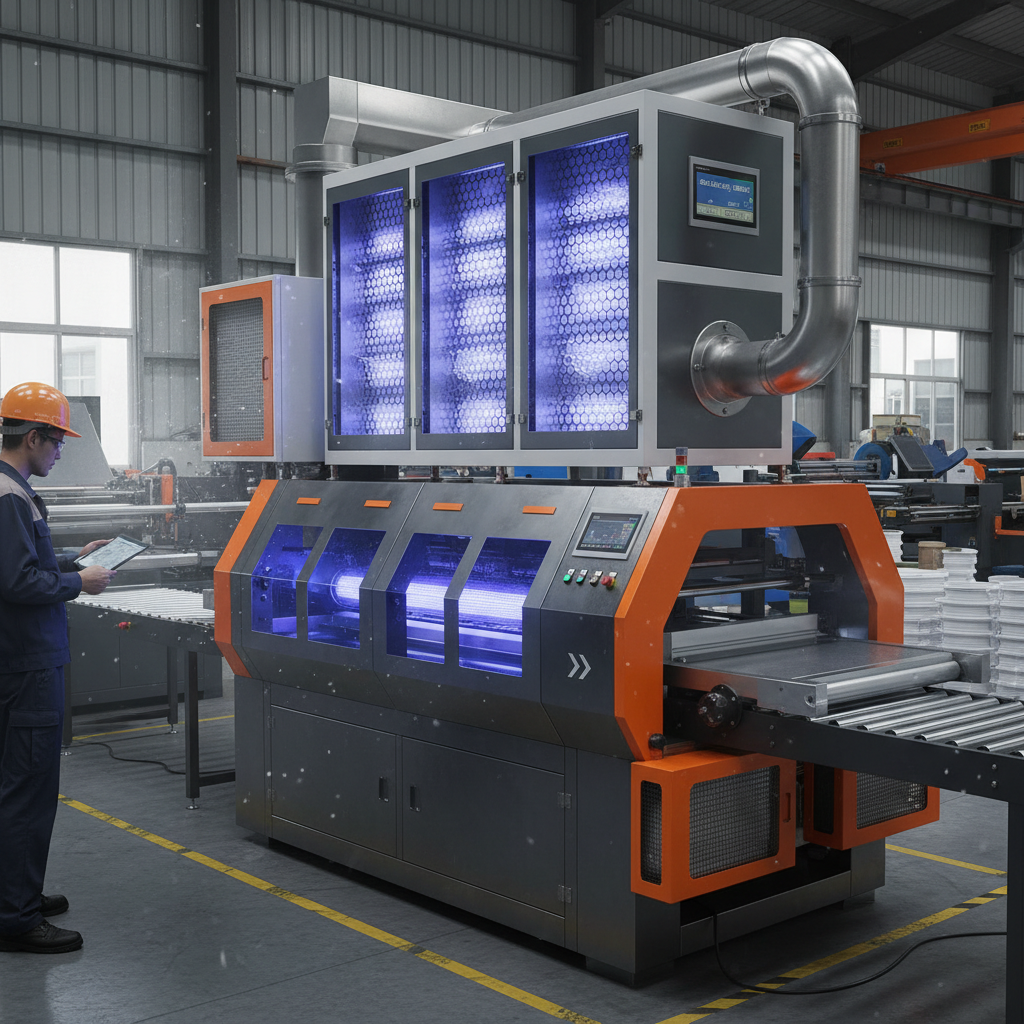
In large-scale manufacturing plants, particularly those dealing with solvents and polymers, photocatalytic air purification is integrated into the exhaust scrubbing systems. By passing contaminated air through a series of catalyst-coated wire meshes, plants can significantly reduce their VOC emissions before they reach the atmosphere, helping them meet strict environmental regulations.
Beyond heavy industry, this technology is finding its way into "Smart City" infrastructure. In Tokyo and Milan, photocatalytic coatings are applied to tunnels and highway sound barriers. As sunlight hits these surfaces, they neutralize the nitrogen oxides emitted by vehicle exhaust, effectively turning the city's infrastructure into a giant air purifier that operates without any external power source.
Long-Term Value and Sustainability Benefits
The long-term value of photocatalytic air purification lies in its operational sustainability. Traditional chemical scrubbers require the constant replenishment of neutralizing agents, which creates a secondary waste problem. Photocatalysts, however, are not consumed during the reaction; they act as facilitators, meaning the same material can operate for years with minimal maintenance.
From a social impact perspective, the implementation of these systems enhances the "dignity of work." Employees in hazardous environments are no longer solely dependent on bulky personal protective equipment (PPE), as the ambient air is continuously cleaned. This creates a safer, more breathable workspace that fosters trust between the employer and the workforce.
Furthermore, the integration of photocatalytic air purification aligns with the circular economy. By reducing the reliance on disposable filters and utilizing energy-efficient LED lighting, companies can lower their carbon footprint while simultaneously improving the local ecological health of the regions where they operate.
Future Innovations in Photocatalytic Materials
The future of photocatalytic air purification is moving toward "heterojunction" catalysts. By combining two different semiconductors, researchers can broaden the spectrum of light the catalyst can absorb, allowing it to function even in low-light or indoor environments. This innovation will make air purification ubiquitous, integrating it into wall paints, clothing, and window glass.
Digital transformation is also playing a role. IoT-enabled sensors are now being paired with photocatalytic reactors to create "adaptive purification." These systems monitor real-time pollutant levels and adjust the intensity of the light source accordingly, maximizing energy efficiency and ensuring that purification power is concentrated exactly where and when it is needed most.
As we move toward more automated industrial zones, we expect to see the rise of self-cleaning photocatalytic meshes. These materials will not only purify the air but also use the same photocatalytic effect to break down dust and organic grime on their own surfaces, virtually eliminating the need for manual cleaning and reducing industrial downtime.
Analysis of Future Photocatalytic Material Trends
| Material Type |
Activation Spectrum |
Durability Score (1-10) |
Primary Application |
| Standard TiO2 |
UV Only |
9 |
Outdoor Facades |
| N-Doped TiO2 |
Visible Light |
7 |
Indoor Air Filters |
| g-C3N4 (Carbon Nitride) |
Visible Light |
6 |
Industrial Exhaust |
| ZnO-TiO2 Composite |
UV/Visible |
8 |
Water-Air Interface |
| BiVO4 (Bismuth Vanadate) |
Visible Light |
5 |
Specialized VOC Removal |
| Ag-TiO2 Nano-Mesh |
Full Spectrum |
9 |
Hospital Sterilization |
FAQS
HEPA filters work through mechanical filtration, trapping particles in a dense fiber web. In contrast, photocatalytic air purification uses a chemical process to break down pollutants at the molecular level. While HEPA filters are great for dust and pollen, photocatalysis is superior for removing gases, VOCs, and odors that are too small for physical filters to catch.
Yes, it is very safe, especially with the advent of visible-light-activated catalysts. Modern systems avoid harmful UV-C exposure by using LED light sources or doped materials that react to standard indoor lighting. The end products of the purification process are typically harmless substances like water vapor and trace amounts of CO2.
One of the primary advantages is that the catalyst is not consumed during the reaction. Unlike activated carbon filters that saturate and must be replaced, a photocatalytic surface remains active indefinitely. However, periodic cleaning may be required to remove physical dust that blocks the light from reaching the catalyst surface.
It is highly effective against organic compounds, NOx, and biological contaminants like bacteria and viruses. However, it is not designed to remove inorganic particulates like heavy metal dust or large smoke particles. For total air quality management, it is often paired with a pre-filter to handle large particles before the photocatalytic stage.
The energy cost is remarkably low, particularly when using energy-efficient UV-LEDs or visible-light catalysts. Because the reaction is driven by light, the power draw is limited to the lighting system itself. In outdoor applications, the energy cost is zero as the system utilizes natural sunlight.
The most common method is installing photocatalytic mesh panels within the ductwork, followed by a light source array. Because the panels are low-pressure-drop components, they typically do not require upgrading the existing fan motors, making them a cost-effective retrofit for most factories.
Conclusion
In summary, photocatalytic air purification represents a paradigm shift in environmental technology, moving from passive capture to active destruction of pollutants. By leveraging the synergy between semiconductor materials and light, this approach addresses the critical challenges of VOC emissions and urban smog with unprecedented efficiency and sustainability. From the molecular precision of TiO2 catalysts to the large-scale application of smog-eating infrastructure, the long-term value is clear: cleaner air, healthier populations, and a reduced environmental footprint.
As we look toward the future, the convergence of nano-material science and IoT automation will likely make this technology an invisible but essential part of every modern building. We encourage industrial leaders and city planners to explore the integration of these systems to not only meet regulatory standards but to pioneer a new standard of ecological responsibility. To learn more about high-performance mesh solutions and purification technology, visit our website: www.meshmachinery.com.