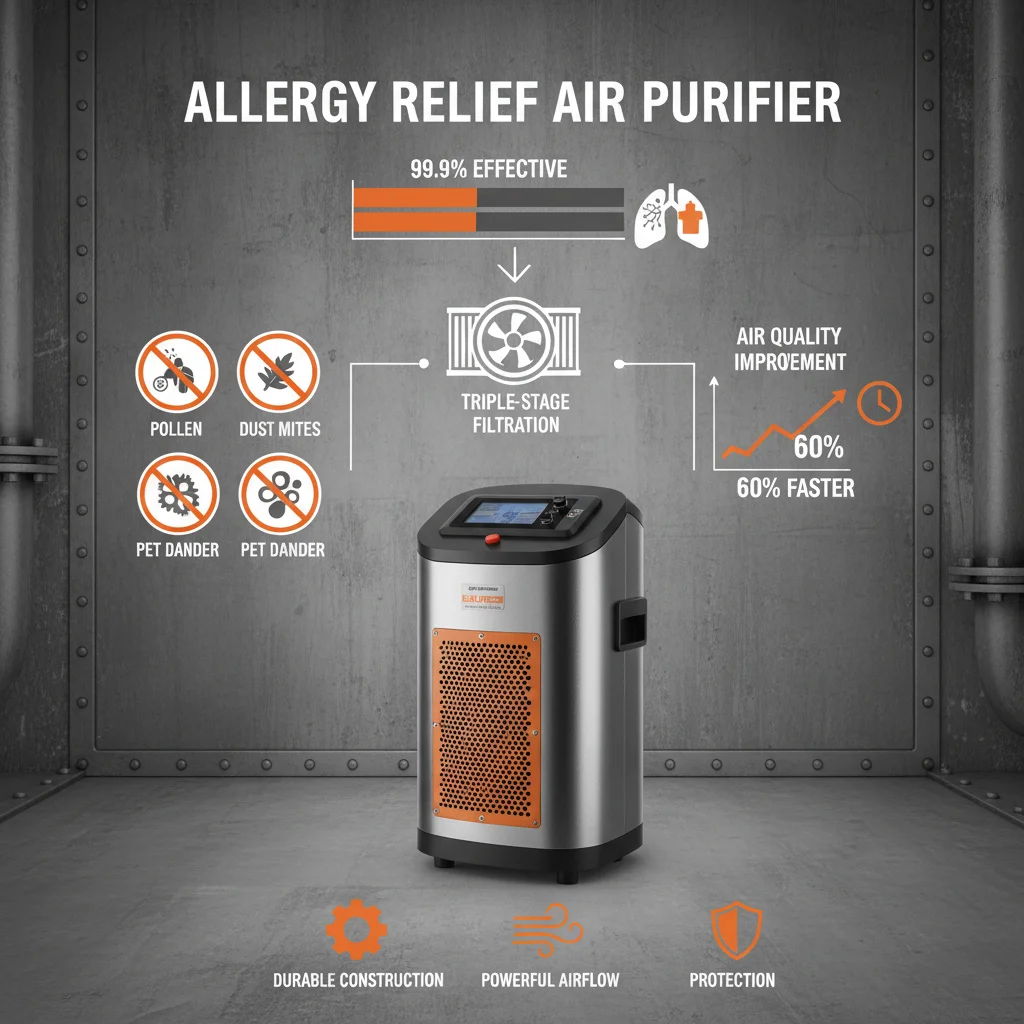
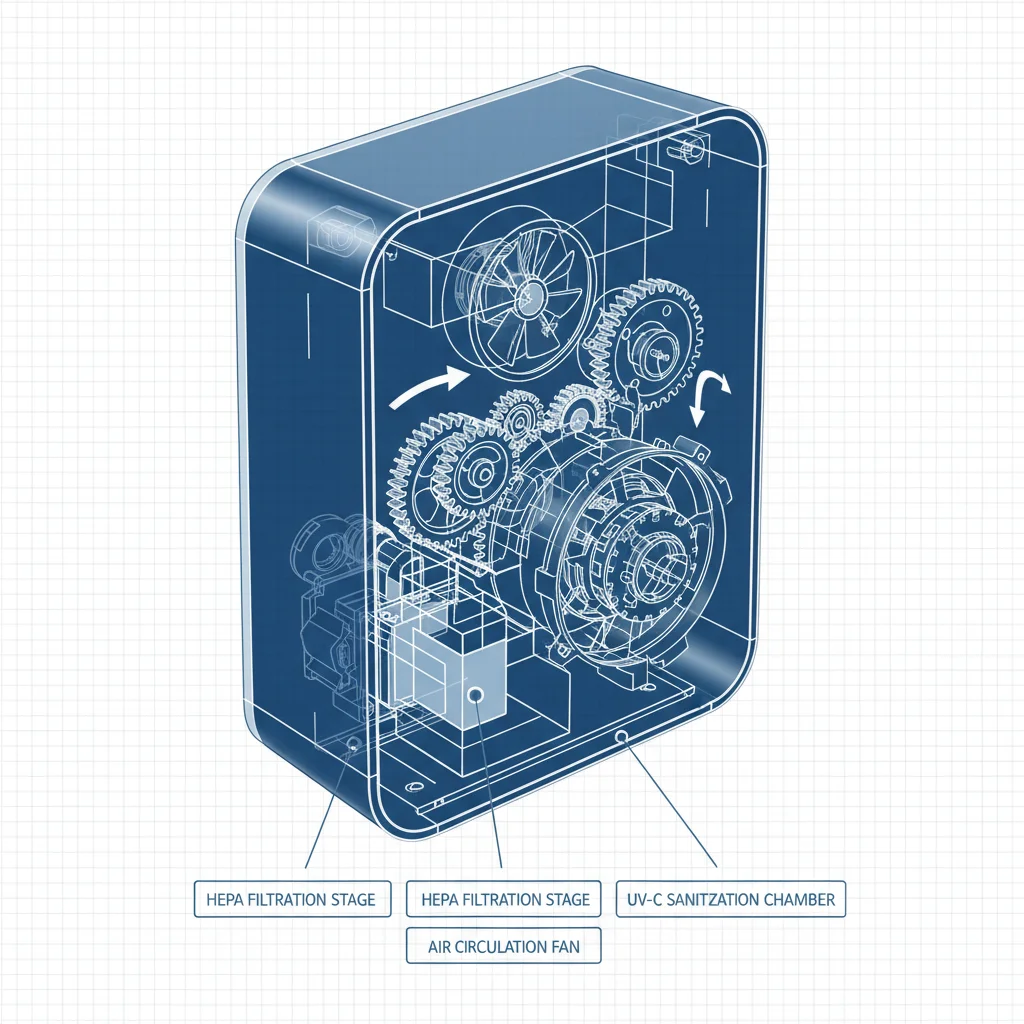
In the modern landscape of industrial filtration and precision engineering, the demand for high-performance components has led to a renewed focus on the integration of advanced materials and power solutions, often discussed in the context of the purifier battery. While the core of filtration relies on the physical structure of the mesh, the operational efficiency of the systems that house these filters often depends on stable energy sources and precise machinery.
Across the global manufacturing sector, the synergy between metal fabrication and electronic control systems is paramount. The production of expanded metal mesh—used extensively in high-end filter systems—requires machinery that is both robust and electronically precise. This intersection of heavy-duty mechanical punching and delicate PLC control mirrors the balance required in maintaining a high-capacity purifier battery for industrial environmental controls.
Understanding the relationship between the machinery that creates the filter media and the energy systems that power the final purification units is key to optimizing industrial output. By focusing on the quality of the expanded mesh and the reliability of the supporting power infrastructure, industries can achieve unprecedented levels of purity and operational longevity in their filtration systems.

The Industrial Role of Purifier Battery Systems
The global industrialization of air and liquid purification has necessitated a shift toward more reliable energy storage and delivery. In many advanced filtration units, the purifier battery serves as the critical heartbeat, ensuring that sensors and active filtration elements remain operational even during power fluctuations. This stability is essential for maintaining the integrity of the expanded metal mesh filters that capture micro-particles.
When considering the manufacturing process, the machinery used to create these filters—such as our expanded mesh machine—must operate with the same precision as the electronics in a power cell. By utilizing PLC-controlled mesh lengths and pneumatic clutch devices, manufacturers can produce the exact diamond-shaped apertures required for the filtration systems that a purifier battery supports.
Defining Purifier Battery in Modern Filtration
In the most technical sense, a purifier battery is not merely a power source but an integral part of an active purification ecosystem. It provides the necessary voltage to drive electrostatic precipitators or automated cleaning cycles within a filter housing. Without a consistent energy supply, the high-precision expanded metal mesh, regardless of how well it is punched from stainless steel or aluminum, cannot be utilized to its full electrostatic or mechanical potential.
The connection to modern industry is found in the drive for "Smart Purification." As we move toward Industry 4.0, the integration of energy storage with physical filtration media allows for autonomous systems that can adjust their flow rates and filtration intensity in real-time. This requires a seamless handoff between the structural integrity of the metal mesh and the electronic capacity of the power system.
Furthermore, the humanitarian need for clean air and water in remote areas has highlighted the importance of these systems. Portable purification units that rely on a dedicated purifier battery allow for rapid deployment in disaster zones, where the mesh filters are fabricated from durable low-carbon steel or nickel sheets to withstand harsh environmental conditions.
Core Components of High-Efficiency Purification
Durability is the first pillar of any successful purification system. For the physical filter, this means using the right material—such as aluminum magnesium alloy or copper sheets—processed through an expanded mesh machine to create a diamond mesh that resists corrosion and wear. This structural durability must be matched by the longevity of the purifier battery to ensure the system doesn't fail prematurely.
Scalability and precision are achieved through the use of PLC (Programmable Logic Controller) technology. Just as the mesh length is set by PLC to ensure consistency across thousands of units, the charging and discharging cycles of the purifier battery are managed by similar intelligent controllers to maximize energy efficiency and prevent overheating.
Cost efficiency is realized when the manufacturing process is optimized. By using different upper cutters to achieve various mesh opening sizes, producers can create specialized filters for different purification grades. When these customized filters are paired with an appropriately sized purifier battery, the overall operational cost per cubic meter of purified air or water is significantly reduced.
Global Applications and Technical Metrics
Real-world applications of these technologies span from high-end sound case covers to industrial-grade air scrubbers. In remote industrial zones, where power grids are unstable, the reliance on a robust purifier battery is absolute. These units often use expanded metal mesh as a stereo shield or a primary filter stage, which is then powered by a battery system to maintain a constant vacuum or electrostatic charge.
In the aerospace and automotive industries, the use of lightweight aluminum sheet and nickel sheet for mesh production allows for high-performance filtration without adding excessive weight. The integration of a compact, high-density power cell ensures that the purification process remains active during vehicle operation or flight, maintaining an environment of extreme purity.
Performance Analysis of Purifier Battery Integration
Advantages of Integrated Mesh and Power Solutions
The primary advantage of combining high-precision expanded mesh with a dedicated purifier battery is the achievement of total system reliability. When a machine can punch and cut various steel plates into a perfect diamond mesh, it creates a filter with optimal surface area. When this is powered by a stable battery, the result is a filtration system that provides consistent safety and dignity to users in medical or industrial settings.
From a sustainability perspective, the use of recyclable metals like aluminum and stainless steel in the mesh, paired with modern, rechargeable battery chemistries, reduces the long-term environmental footprint of purification hardware. This innovation builds trust with stakeholders who prioritize green energy and sustainable manufacturing practices.
Future Trends in Purification Energy
As we look toward the future, the digital transformation of the manufacturing process will lead to "adaptive filtration." We expect to see expanded mesh machines that can adjust their punching patterns in real-time based on the energy profile of the purifier battery being used, optimizing the mesh density to match the power available for air movement.
Automation will continue to play a pivotal role. The current use of PLC for mesh length will evolve into fully AI-driven systems that predict when a filter needs replacing based on the voltage drop in the power system. This predictive maintenance will eliminate downtime and increase the operational lifespan of the entire unit.
Furthermore, the emergence of solid-state power cells will revolutionize the purifier battery market, offering higher energy densities and improved safety. This will allow for even more compact filtration units that can be embedded into wearable technology or small-scale medical devices.
Overcoming Challenges in Purifier Battery Implementation
One of the most common challenges is the mismatch between the physical resistance of the filter mesh and the power capacity of the battery. If the expanded mesh is too dense, the purifier battery may drain too quickly due to the increased pressure drop. The solution lies in the precision of the expanded mesh machine, using different upper cutters to find the "sweet spot" between filtration efficiency and energy consumption.
Material fatigue in the mesh, especially when using low carbon steel in humid environments, can also affect the overall system performance. Experts suggest moving toward stainless steel or nickel sheets for high-humidity applications. By aligning the material choice with the electronic specifications of the battery, engineers can prevent premature system failure.
Another hurdle is the global supply chain for rare earth minerals used in batteries. To overcome this, there is a growing trend toward using more sustainable, iron-based or sodium-ion alternatives for the purifier battery, ensuring that the pursuit of purity does not come at the cost of environmental degradation.
Comparative Analysis of Material and Power Synergy in Purification
| Mesh Material |
Battery Match |
Efficiency Score |
Industrial Application |
| Stainless Steel |
High-Cap Lithium |
9.5 |
Chemical Plants |
| Aluminum Sheet |
Standard Li-ion |
8.2 |
HVAC Systems |
| Copper Sheet |
NiMH Battery |
7.8 |
Electronic Shielding |
| Nickel Sheet |
Solid-State |
9.0 |
Aerospace Grade |
| Low Carbon Steel |
Lead-Acid |
6.5 |
Basic Construction |
| Al-Mg Alloy |
Hybrid-Ion |
8.7 |
Marine Purification |
FAQS
A stable purifier battery ensures that the airflow or liquid pressure remains constant. Fluctuations in power can lead to "surges" in pressure that may warp or tear the diamond mesh, especially if the mesh is made of thinner aluminum or low carbon steel. A regulated power supply extends the mechanical life of the filter by preventing stress-related fatigue.
No, the choice of a purifier battery must match the voltage and current requirements of the specific filtration system. For instance, systems utilizing electrostatic expanded mesh require a high-voltage output that only specific battery and transformer combinations can provide. Using an incompatible battery can lead to system failure or safety hazards.
The PLC (Programmable Logic Controller) often manages the duty cycle of the purifier battery. By optimizing when the system runs at full power versus standby mode, the PLC significantly reduces energy waste and extends the time between charges, making the overall purification process more cost-effective.
For high-capacity systems, stainless steel or nickel sheets are recommended. These materials can withstand the higher flow rates and electrostatic charges typically enabled by powerful purifier batteries without corroding or degrading, ensuring a long-term return on investment.
Yes. By using different upper cutters on an expanded mesh machine, you can increase the opening size to reduce air resistance. This lower resistance requires less power from the purifier battery to move air through the system, thereby increasing the battery's operational life per charge.
Modern purifier batteries are increasingly designed with recyclability in mind. When paired with recyclable expanded metal mesh (like aluminum or steel), the entire purification unit becomes far more sustainable. The industry is currently shifting toward sodium-ion and solid-state technologies to further reduce environmental impact.
Conclusion
The intersection of precision metal fabrication and advanced energy storage is where true industrial efficiency is found. By leveraging the capabilities of expanded mesh machines to create high-quality diamond mesh and powering these systems with a reliable purifier battery, industries can ensure maximum purity, durability, and operational stability. From the choice of material—be it stainless steel or aluminum—to the integration of PLC controls, every detail contributes to a system that is greater than the sum of its parts.
Looking forward, the synergy between automated manufacturing and green energy will continue to redefine the purification landscape. We encourage manufacturers and engineers to prioritize the alignment of their filtration media with their power solutions to achieve sustainable, high-performance results. For more information on the machinery required to build these world-class filtration components, visit our website: www.meshmachinery.com.