
February 03, 2026
The demand for secure fencing solutions drives a robust market for barbed wire, essential for agricultural, industrial, and security applications. A high-quality barbed wire fencing making machine is crucial for manufacturers aiming to meet this demand efficiently and cost-effectively. This article will delve into the features, types, applications, and factors to consider when investing in such machinery. We’ll explore how the right equipment can enhance your production capabilities and ensure a consistent, high-quality output. Understanding the intricacies of these machines is essential for anyone involved in the fencing industry.
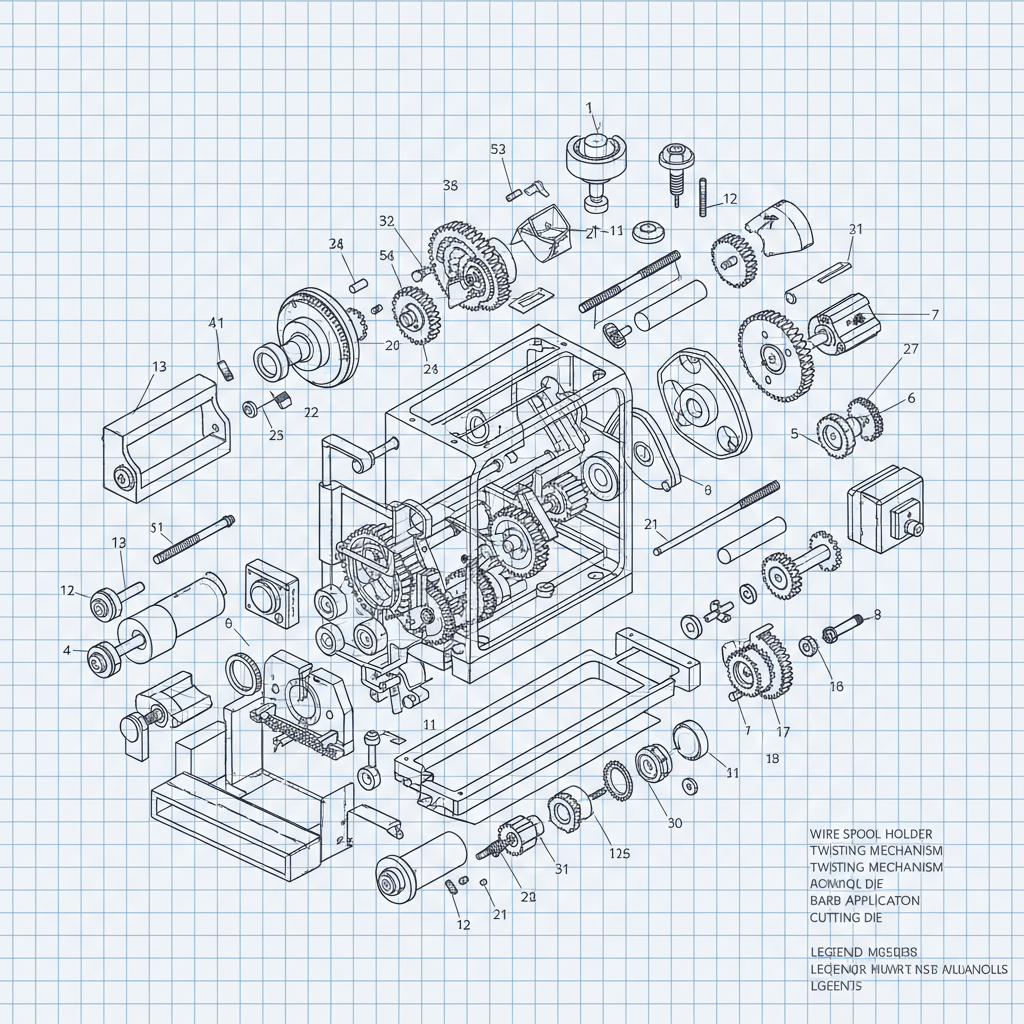
A barbed wire fencing making machine automates the process of transforming wire coils into finished barbed wire. These machines typically consist of several key components: a wire feeding mechanism, a barbed wire twisting mechanism, a die system for shaping the barbs, and a coiling/reel winding system. The automation streamlines production, significantly reducing labor costs and increasing output compared to manual methods. Modern machines often incorporate PLC control systems for precision and ease of operation. The quality of the machine directly impacts the consistency and strength of the final product.
Key Advantages: Automation reduces labor costs, Increases production speed, Improves product consistency, Enhanced safety through automated operation.
Several types of machines cater to different production scales and wire gauges. The most common include:
The choice depends heavily on your production volume, budget, and desired level of automation. Mesh Machinery offers a variety of machines to suit these different needs.
Machine Type Comparison:
• Traditional Type: Lower initial cost, suitable for low volume.
• Automatic Type: High production capacity, minimal labor required.
• Semi-Automatic Type: Moderate cost, balance between automation and manual control.
When selecting a machine, prioritize features that enhance efficiency, durability, and product quality. These include a robust wire feeding system to prevent breaks and tangles, a precise twisting mechanism for consistent barb spacing, and a reliable coiling system to produce uniform rolls. PLC control panels offer accurate settings and easy operation. Look for machines constructed from high-quality materials like hardened steel to withstand continuous use. Consider a machine with adjustable barb spacing to cater to different market demands.
Barbed wire has diverse applications, impacting the demand for efficient production. Key areas include:
A reliable barbed wire fencing making machine enables manufacturers to capitalize on these demands and maintain a competitive edge.
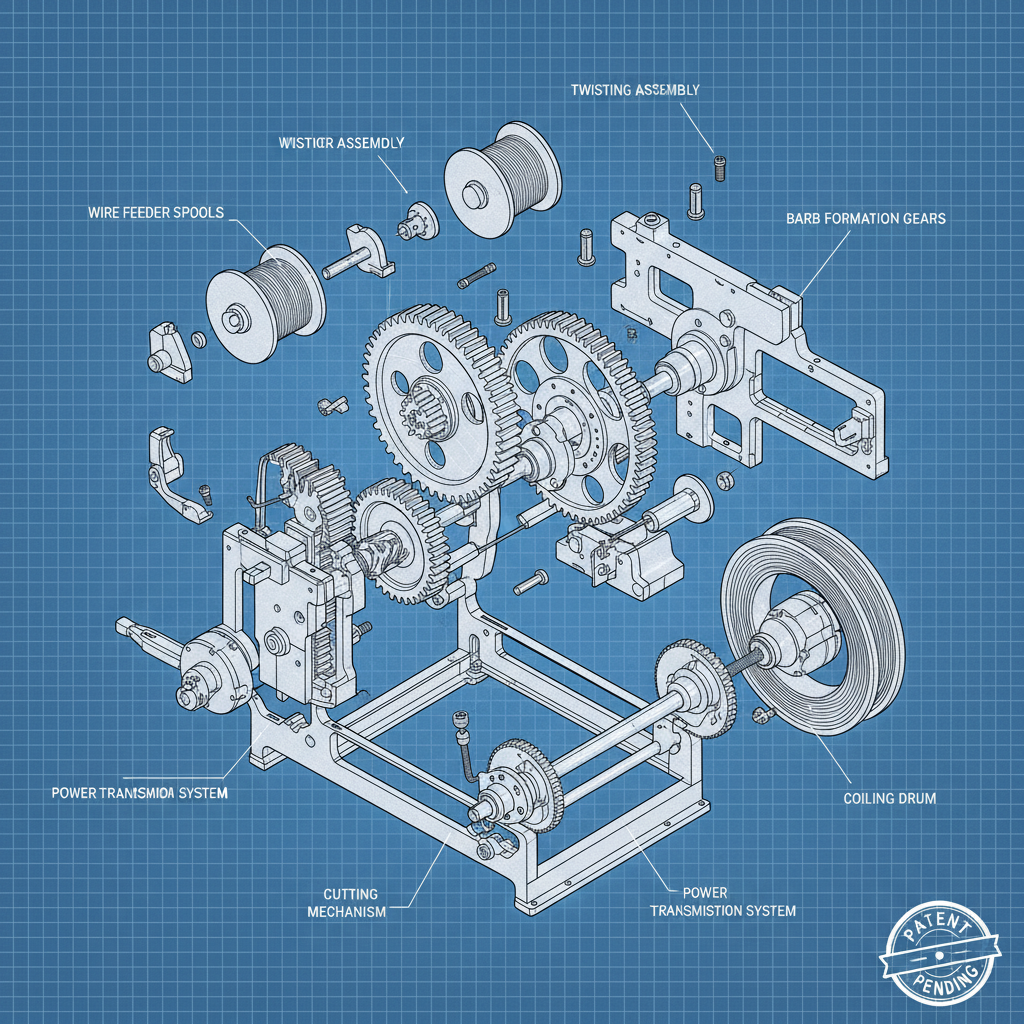
Here's a typical specification range for automatic barbed wire making machines:
Choosing the right barbed wire fencing making machine is a crucial investment for any fencing manufacturer. By considering your production needs, budget, and the features outlined in this guide, you can select a machine that optimizes efficiency, ensures product quality, and positions your business for success. Don't hesitate to explore the diverse options available at Mesh Machinery to find the perfect solution for your operation.
Most barbed wire making machines are designed to process low-carbon steel wire. The wire diameter typically ranges from 1.2mm to 4.0mm, depending on the machine's capacity and the desired barb wire gauge. Some machines can also handle coated wire, such as galvanized or PVC-coated wire, to provide corrosion resistance. It's crucial to ensure that the wire material meets the machine manufacturer's specifications to avoid damage and ensure optimal performance. The use of incorrect wire types can lead to production issues and potentially void the machine's warranty.
Regular maintenance is essential for prolonging the lifespan and maintaining the efficiency of a barbed wire making machine. The schedule typically includes daily lubrication of moving parts, weekly inspection of the wire feeding system, and monthly cleaning of the twisting mechanism and dies. It’s important to regularly check for worn or damaged components, such as bearings, gears, and cutting tools, and replace them promptly. Additionally, annual professional servicing is recommended to ensure optimal performance and identify potential issues before they escalate. Following the manufacturer’s maintenance guidelines is critical.
Operating a barbed wire making machine involves potential hazards. Always ensure that the machine is properly grounded and equipped with safety guards. Operators should wear appropriate personal protective equipment (PPE), including safety glasses, gloves, and hearing protection. Never attempt to repair or adjust the machine while it is running. Ensure that all personnel are properly trained on the machine's operation and safety procedures. Regularly inspect the machine for any safety hazards and address them promptly. Always follow the manufacturer's safety recommendations.
The cost of a barbed wire making machine varies significantly depending on its type, capacity, and level of automation. Traditional manual machines can start around $5,000 - $10,000, while semi-automatic machines typically range from $15,000 - $30,000. Fully automatic, high-speed machines can cost $30,000 or more. The cost also depends on the manufacturer, customization options, and shipping expenses. It’s essential to compare quotes from multiple suppliers and consider the total cost of ownership, including maintenance, spare parts, and training.
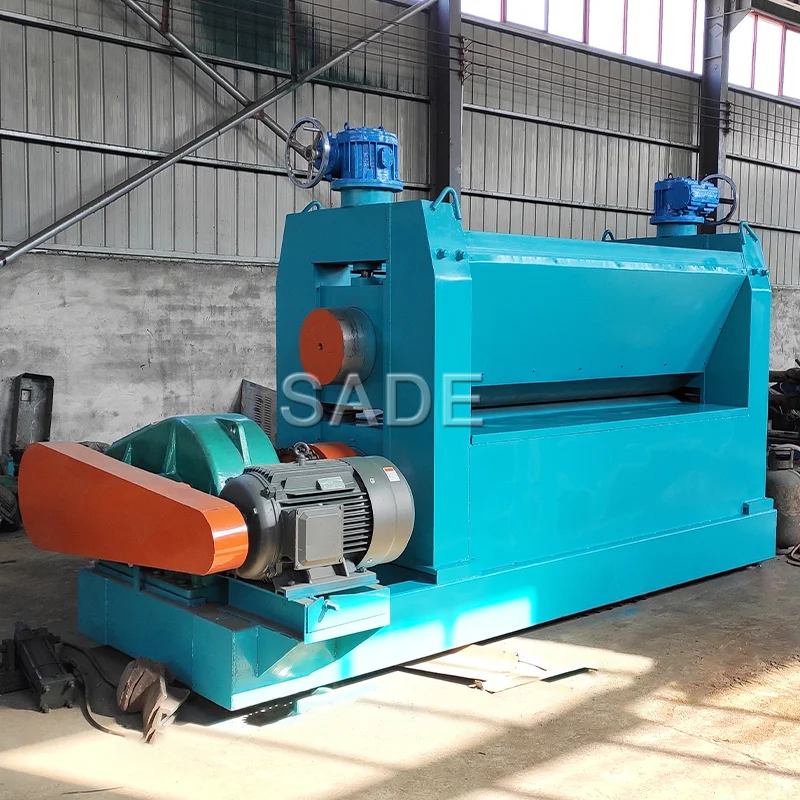
ZPJ Metal Mesh Flatting Machine
ZPJ metal mesh flatting machine is special designed for expanded metal flatting.It’s a corollary equipment of expanded metal machine. It can make expanded wire-mesh smoothly.And the flattened expanded metal have much more widely different applications.
Apr 24, 2026
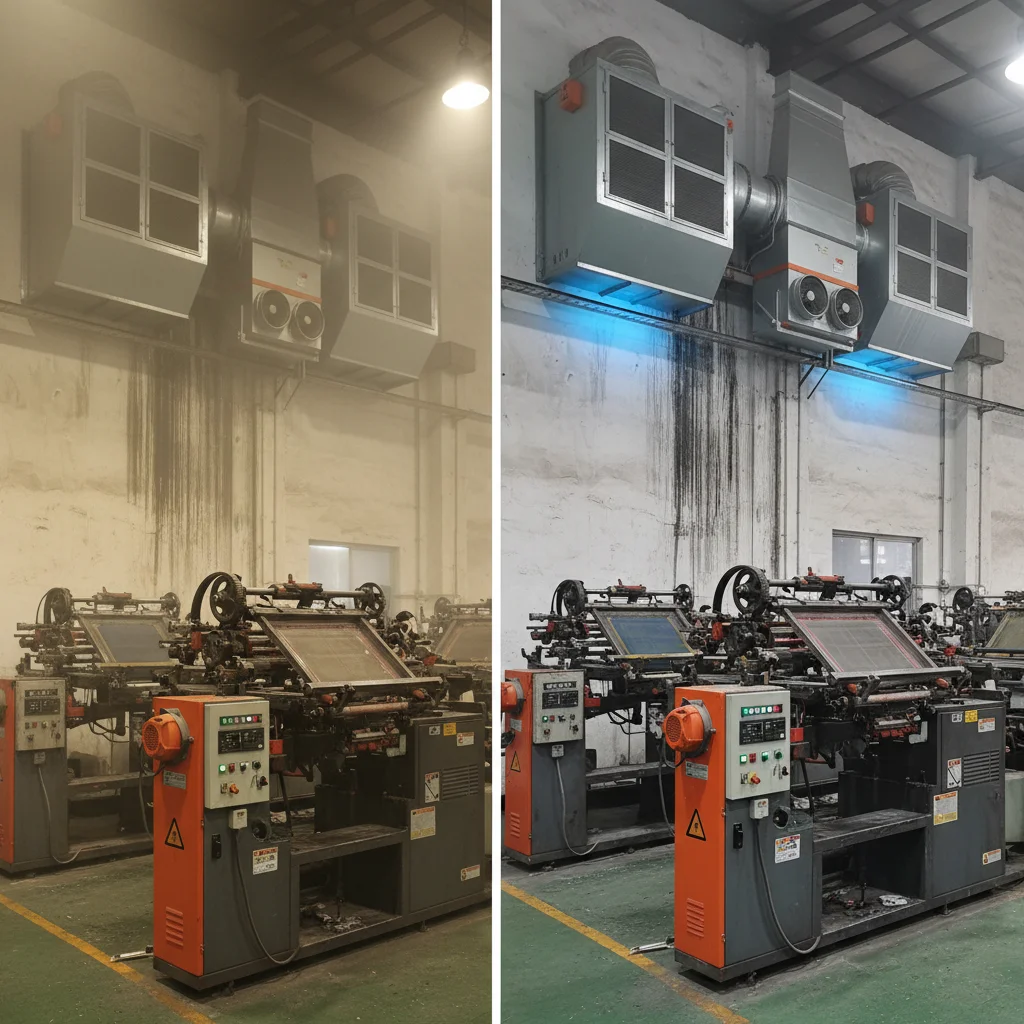
Industrial Wall Mounted Air Filtration for Clean Work Environments