
• Home
  • Top Blog
  • Advanced Hospital Air Purifier Systems for Enhanced Infection Control
0%

Table of Contents

Hospital air purifiers are becoming increasingly critical in maintaining safe and healthy environments, especially within healthcare facilities. The need for advanced air purification systems stems from the constant circulation of airborne pathogens, allergens, and pollutants that can compromise patient recovery and staff well-being. Modern hospital air purifiers employ sophisticated filtration technologies to remove these contaminants, playing a vital role in infection control and improving overall indoor air quality.

Globally, concerns about healthcare-associated infections (HAIs) and the spread of airborne diseases are driving demand for effective hospital air purification solutions. The World Health Organization (WHO) estimates that HAIs affect millions of patients each year, posing a significant burden on healthcare systems. Investing in robust air purification technology is therefore not merely a matter of comfort, but a necessity for protecting vulnerable populations and preventing outbreaks.

Understanding the intricacies of hospital air purifiers - from their operational mechanisms to their long-term benefits - empowers healthcare administrators, facility managers, and patients to make informed decisions regarding indoor air quality. This knowledge ultimately contributes to creating safer, healthier, and more conducive healing environments.
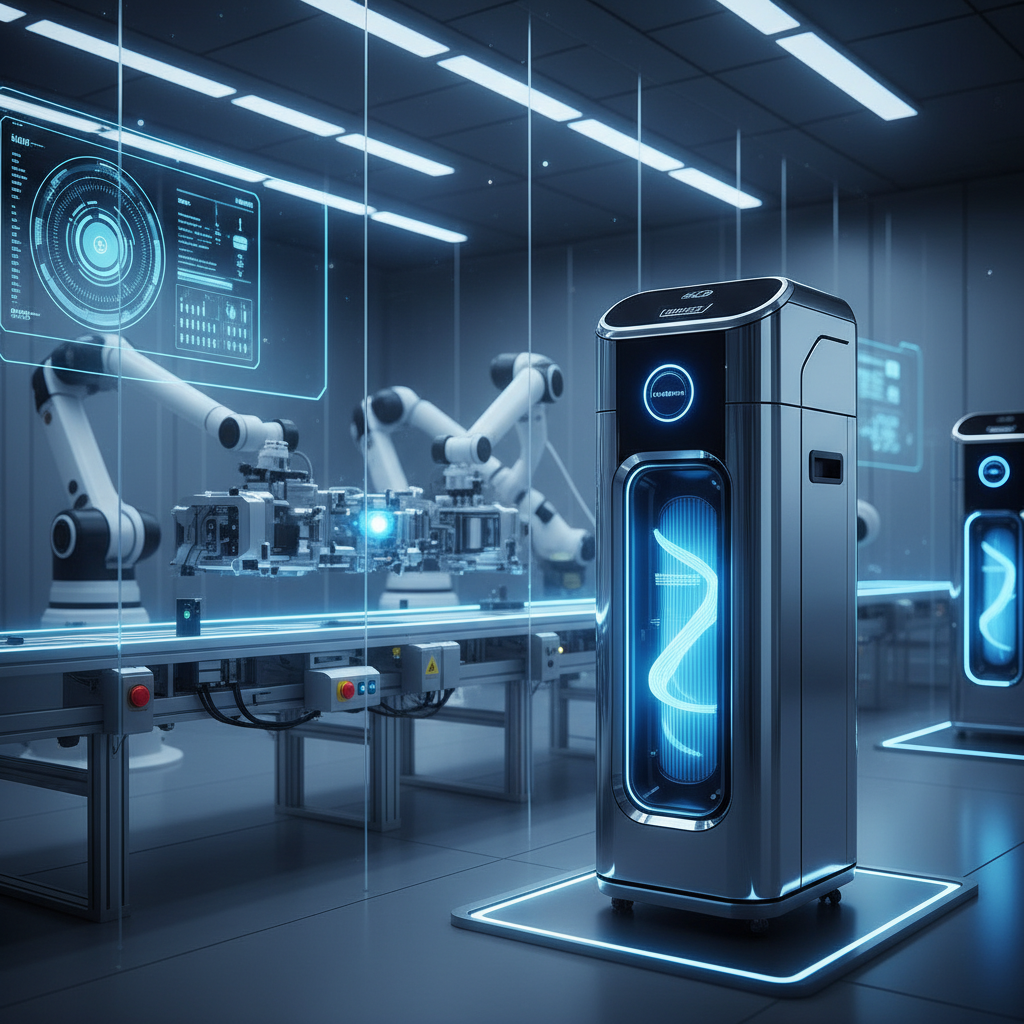
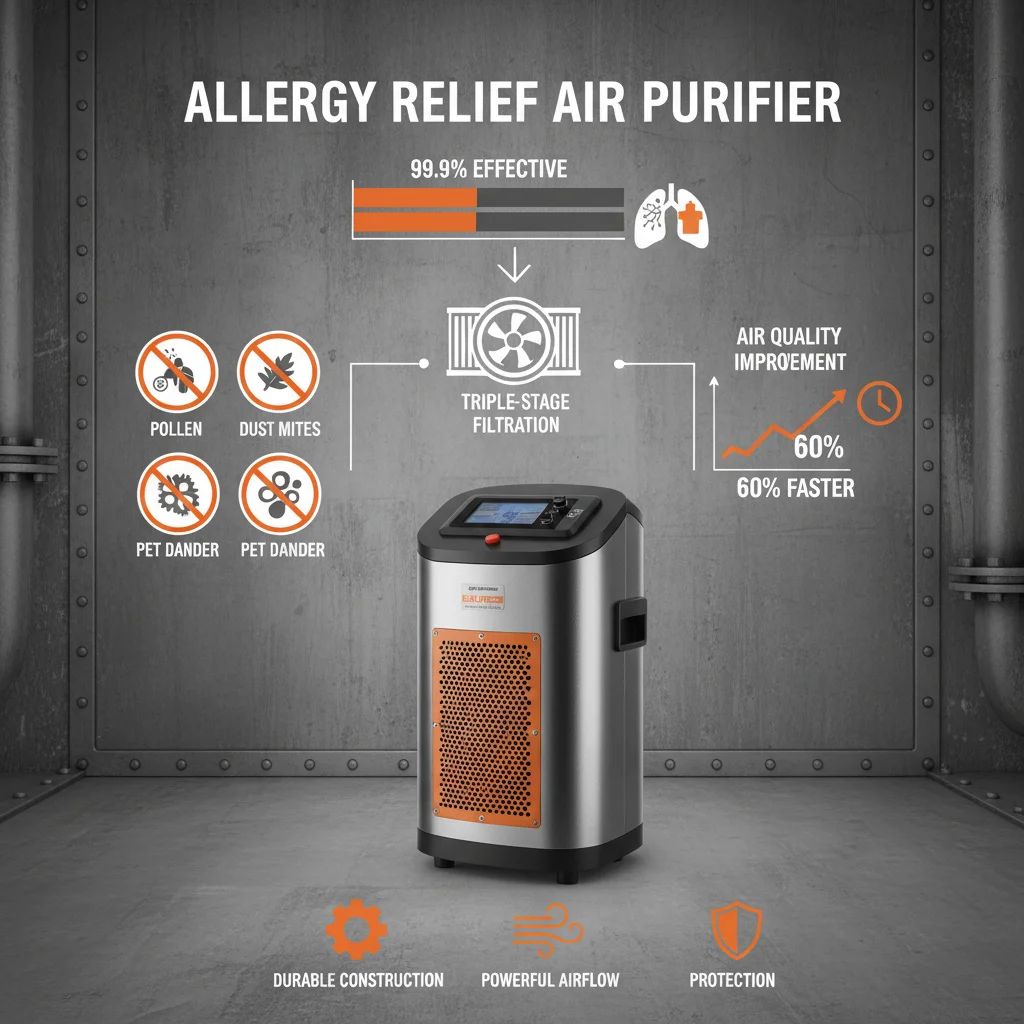
hospital air purifier

The Importance of Hospital Air Purifiers

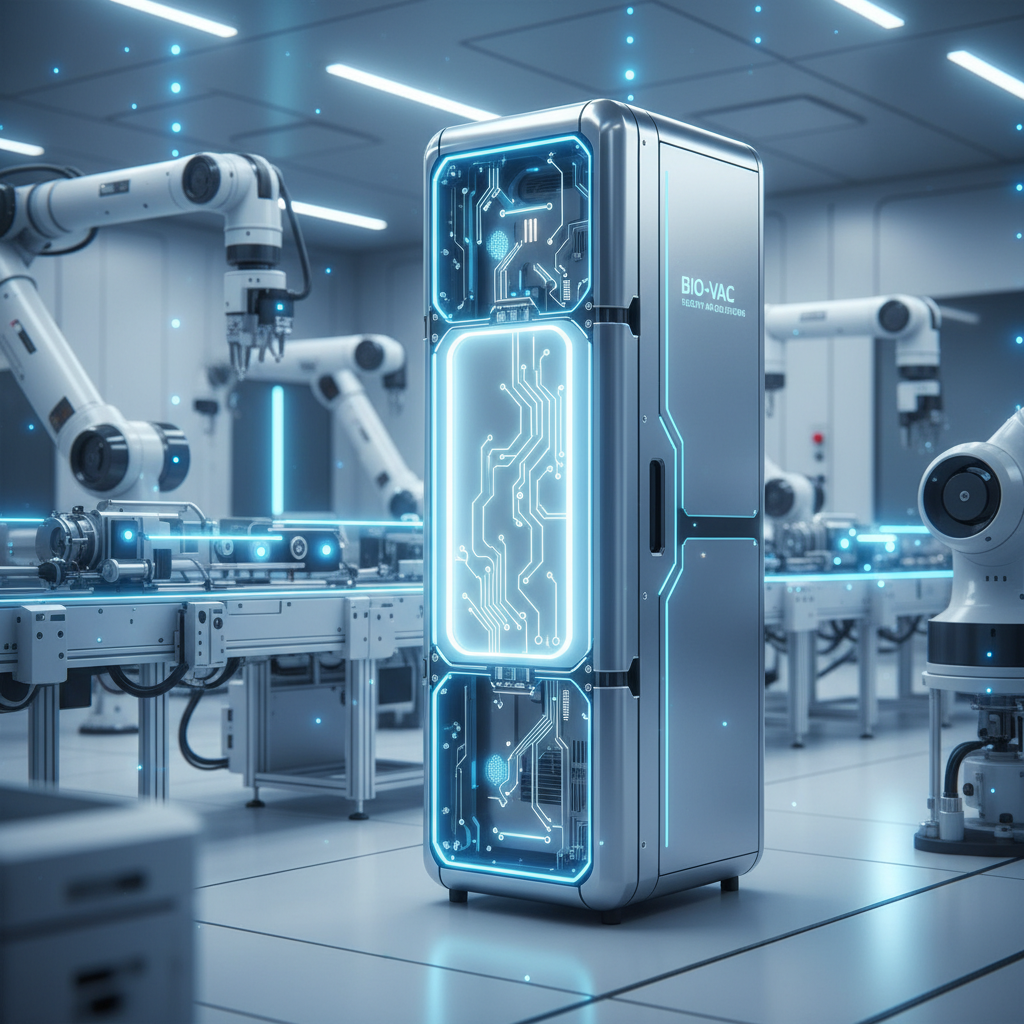
hospital air purifier

Maintaining pristine air quality within hospitals is paramount to protecting patients, staff, and visitors. Hospital air purifiers are specifically designed to address the unique challenges posed by healthcare environments, where the risk of airborne transmission of infectious agents is significantly higher. Effective air purification systems help mitigate this risk, contributing to reduced rates of hospital-acquired infections and improved patient outcomes.

These systems are not simply about removing dust or odors; they are engineered to capture microscopic particles, including viruses, bacteria, and fungal spores, that can compromise immune systems and exacerbate existing health conditions. hospital air purifier technologies play a proactive role in safeguarding public health.

Defining Hospital Air Purification

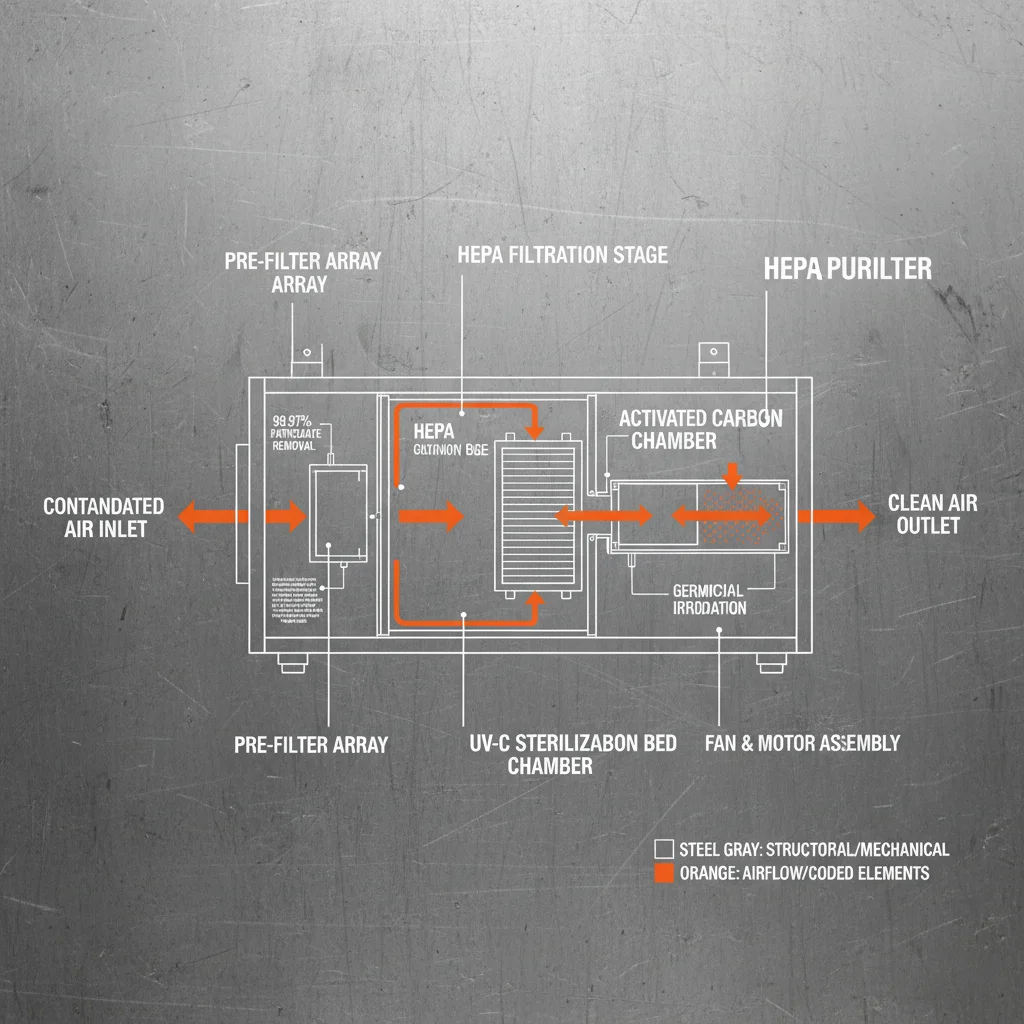
Hospital air purification refers to the process of removing contaminants from the air within healthcare facilities using specialized equipment. Unlike standard air filters found in residential settings, hospital-grade air purifiers utilize multiple stages of filtration, including pre-filters, HEPA filters, and often activated carbon filters, to capture a broader spectrum of airborne particles and gases. The goal is to create an environment that minimizes the concentration of harmful substances, promoting both respiratory health and overall well-being.

This differs from basic ventilation systems, which primarily focus on air exchange rather than contaminant removal. True hospital air purification actively cleanses the air, reducing the viral load and bacterial counts. This is particularly crucial in sensitive areas like operating rooms, intensive care units, and isolation wards.

Modern hospital air purification aligns directly with evolving standards in infection control and healthcare safety, addressing the increasing need for air quality management in complex medical settings.

Core Components of Effective Air Purification

Effective hospital air purification systems are built upon several core components working in synergy. The first and most basic is the pre-filter, which captures larger particles like dust, pollen, and pet dander, extending the lifespan of subsequent filters. Following the pre-filter is the HEPA (High-Efficiency Particulate Air) filter, which is capable of removing at least 99.97% of particles 0.3 microns in diameter – a critical size range for many airborne pathogens.

Activated carbon filters are another crucial component, specializing in the adsorption of volatile organic compounds (VOCs), odors, and harmful gases. Some advanced systems also incorporate UV-C light technology, which utilizes ultraviolet radiation to inactivate bacteria, viruses, and other microorganisms. Finally, sophisticated sensors and control systems monitor air quality in real-time, adjusting fan speeds and filter settings to maintain optimal performance.

The effectiveness of a hospital air purifier is determined by the quality and combination of these core components, ensuring comprehensive air cleaning.

Key Factors Influencing Performance

Several key factors influence the performance of a hospital air purifier. CADR (Clean Air Delivery Rate), expressed in cubic feet per minute (CFM), indicates the volume of clean air delivered by the purifier. A higher CADR is generally preferable for larger spaces. Room size is also critical, as an undersized purifier will struggle to effectively cleanse the air.

Filter efficiency plays a vital role, with HEPA filters being the industry standard for particle removal. Regular filter replacement is essential, as clogged filters reduce airflow and diminish purification effectiveness.

Comparison of Hospital Air Purifier Filtration Methods

Global Applications in Healthcare Settings

Hospital air purifiers find application across a diverse range of healthcare settings globally. Intensive care units (ICUs) benefit significantly from their use, reducing the risk of ventilator-associated pneumonia and other infections. Operating rooms require the highest levels of air purity, making advanced air purification systems indispensable.

Isolation wards, designed to contain patients with contagious diseases, rely on air purifiers to prevent the spread of pathogens to surrounding areas. Emergency departments, with their high patient turnover and potential for airborne transmission, also benefit from improved air quality. hospital air purifier installations are now common in hospitals across North America, Europe, and Asia.

Advantages & Long-Term Value Proposition

Investing in hospital air purification offers numerous advantages beyond immediate infection control. Improved air quality leads to faster patient recovery times, reduced healthcare costs, and increased staff productivity. Creating a healthier environment fosters a sense of well-being among both patients and personnel.

The long-term value proposition extends beyond these direct benefits. By minimizing the incidence of HAIs, hospitals can avoid costly penalties and maintain a positive reputation. A commitment to air quality demonstrates a dedication to patient safety and environmental responsibility.

Future Trends & Innovations in Air Purification

The field of hospital air purification is undergoing rapid innovation. Smart air purifiers equipped with advanced sensors and AI-powered algorithms are gaining traction, automatically adjusting settings based on real-time air quality data. Nanotechnology is being explored for the development of more efficient filter materials.

There’s growing interest in portable, modular air purification systems that can be quickly deployed in response to outbreaks or emergencies. Integration with Building Management Systems (BMS) allows for centralized monitoring and control of air quality across entire healthcare facilities.

Furthermore, increased emphasis on sustainability is driving the development of air purifiers with lower energy consumption and recyclable filter components.

Summary of Future Trends in Hospital Air Purification

Technology Implementation Cost Energy Efficiency Maintenance Requirements
Smart Sensors & AI Control Medium (Initial investment) High (Optimized operation) Medium (Software updates)
Nanomaterial Filters High (Material cost) Very High (Enhanced filtration) Low (Longer lifespan)
Portable Modular Units Low-Medium (Scalable) Medium Medium (Filter changes)
BMS Integration Medium (Integration cost) High (Centralized control) Low (System monitoring)
UV-C Advanced Systems Medium Medium Medium (Bulb Replacements)
Biodegradable Filters Medium Medium Medium (Filter changes)

FAQS

What is the difference between a HEPA filter and a standard air filter for hospital use?

HEPA filters are far more effective than standard air filters in capturing microscopic particles. Standard filters typically capture larger dust and pollen, while HEPA filters remove at least 99.97% of particles 0.3 microns in diameter, including bacteria, viruses, and fungal spores. This level of filtration is essential in hospital settings to minimize the risk of airborne infections and maintain a sterile environment. The construction and certification process for HEPA filters are also far more stringent than those for standard filters.

How often should hospital air purifier filters be replaced?

The frequency of filter replacement depends on several factors, including the level of air contamination, the type of filter used, and the air purifier's usage. Pre-filters typically need to be replaced monthly, while HEPA filters may last 6-12 months. Activated carbon filters generally need replacement every 3-6 months. Most air purifiers have filter replacement indicators that provide alerts when it's time to change the filters. Ignoring these alerts can significantly reduce the purifier's effectiveness.

What size hospital air purifier do I need for a specific room?

Determining the appropriate size air purifier involves calculating the room's volume (length x width x height) and considering the Air Changes per Hour (ACH). For hospital environments, a minimum of 6-12 ACH is generally recommended to ensure adequate air cleaning. Check the air purifier's CADR rating to ensure it's suitable for the room's size and desired ACH. Larger rooms or those with high contamination levels may require multiple air purifiers.

Can UV-C light technology be used as a replacement for HEPA filters?

No, UV-C light technology is generally not a replacement for HEPA filters, but rather a complementary technology. UV-C light inactivates microorganisms by damaging their DNA, but it does not remove particles from the air. HEPA filters physically capture particles, while UV-C light kills those that pass through. The most effective air purification systems combine both technologies for comprehensive air cleaning.

Are there any noise concerns associated with hospital air purifiers?

Some air purifiers can generate noise, particularly at higher fan speeds. Noise levels are typically measured in decibels (dB). Look for air purifiers with a low noise rating, especially for use in patient rooms or quiet areas. Features like adjustable fan speeds and quiet operation modes can help minimize noise disruption.

How does air purification contribute to sustainability in healthcare?

Air purification contributes to sustainability by reducing the need for frequent HVAC system maintenance and minimizing energy consumption through targeted air cleaning. Modern air purifiers with energy-efficient filters and smart controls optimize performance while minimizing environmental impact. Furthermore, by improving indoor air quality, air purification can reduce the reliance on chemical disinfectants and promote a healthier, more sustainable healthcare environment.

Conclusion

Hospital air purifiers represent a vital investment in protecting patient health, safeguarding staff well-being, and optimizing healthcare operations. By effectively removing airborne contaminants, these systems contribute to reduced rates of hospital-acquired infections, faster recovery times, and a more conducive healing environment. Understanding the core components, key factors influencing performance, and emerging trends in air purification is essential for making informed decisions and ensuring optimal air quality.

As healthcare facilities continue to face evolving challenges related to air quality and infection control, the role of advanced air purification technologies will only become more critical. Investing in robust, reliable, and innovative air purification solutions is not merely a matter of compliance, but a proactive step towards creating safer, healthier, and more sustainable healthcare environments. Visit our website at www.meshmachinery.com to learn more about our comprehensive range of hospital air purification solutions.
Michael Thompson

Michael Thompson

Michael Thompson is a Senior Production Engineer at Hebei Sade Machine Manufacturing Co., Ltd., responsible for overseeing the manufacturing process of our wire mesh weaving machines. He brings over 20 years of experience in manufacturing and quality control to Sade Machine. Michael ensures that all our machines, including crimped wire mesh options, adhere to the highest standards of performance and reliability. He plays a critical role in implementing process improvements and maintaining our 40,000 square meter facility’s efficiency. Michael often collaborates with the R&D team to translate new designs into production-ready realities and provides valuable input for industry news focusing on manufacturing best practices.
Previous Advancements in Medical Air Purifier Technology for Enhanced Indoor Air Quality
Next Comprehensive Guide to Home Medical Air Purifiers for a Healthier Indoor Environment