
February 26, 2026
The demand for high-quality wire products is constantly increasing across various industries, including construction, automotive, and manufacturing. At the heart of producing these wires lies the carbon steel wire drawing machine. This essential equipment transforms raw materials into precise and durable wire forms. This article will delve into the workings, types, applications, and considerations when choosing a carbon steel wire drawing machine, providing a thorough overview for businesses looking to optimize their wire production processes. Understanding the nuances of these machines is crucial for enhancing efficiency and achieving superior product quality.
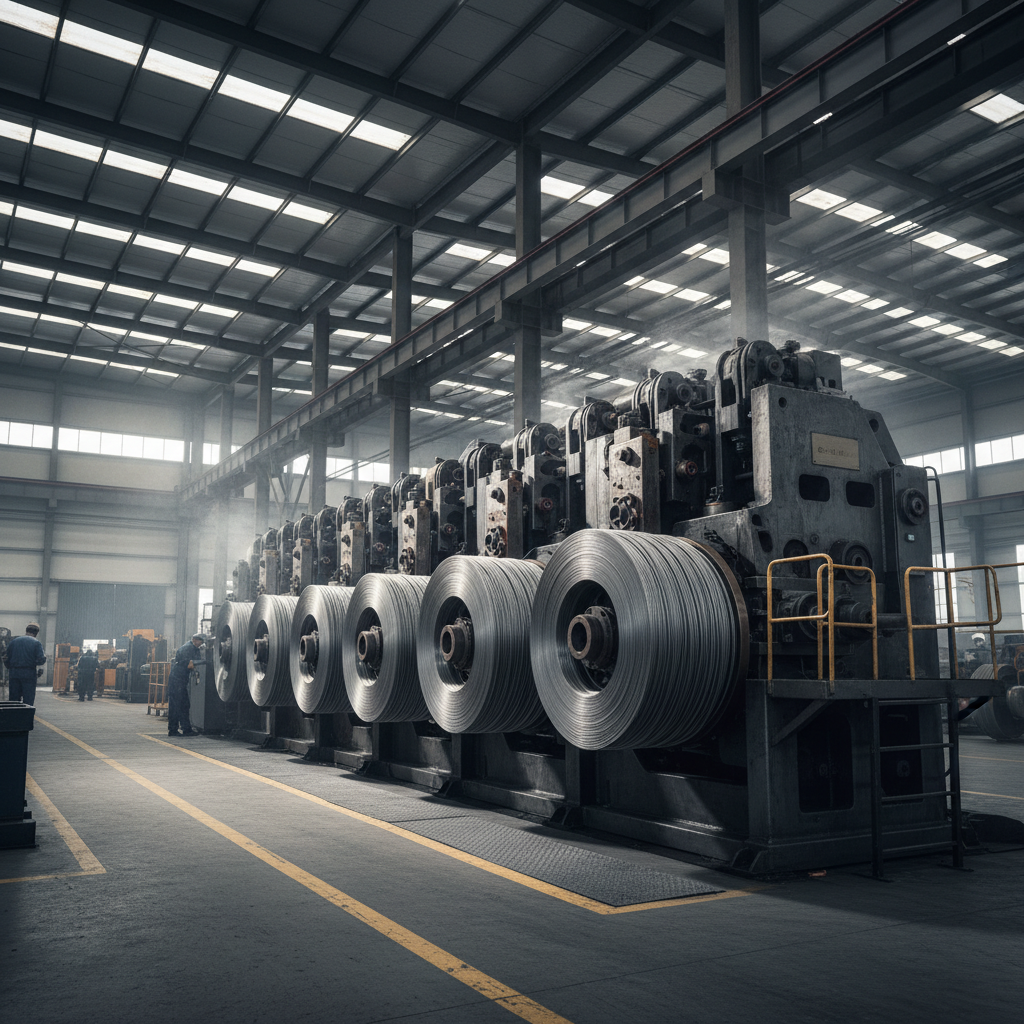
The fundamental principle behind wire drawing involves reducing the diameter of a metal rod or wire by pulling it through a series of progressively smaller dies. A carbon steel wire drawing machine automates this process, ensuring consistency and efficiency. The machine typically consists of several key components: a payoff stand to hold the wire coil, a drawing die (often made of tungsten carbide), a capstan or drum to pull the wire, and a take-up reel to collect the finished wire. Lubrication is critical throughout the process to minimize friction and wear on both the wire and the dies. The machines from Mesh Machinery are designed with precision engineering to maintain optimal tension and speed for consistent results.
Key Benefits: Automated operation, increased production rates, consistent wire diameter, reduced labor costs, and improved wire quality.
Carbon steel wire drawing machines come in various configurations to suit different production needs. The most common types include single-block machines, multi-block machines, and continuous wire drawing machines. Single-block machines are simpler and more cost-effective, ideal for smaller production volumes. Multi-block machines use multiple dies in sequence, allowing for greater reduction ratios and higher speeds. Continuous wire drawing machines offer the highest production capacity and are often used for large-scale operations. Choosing the right type depends on factors like desired wire diameter, production volume, and material properties.
Machine Type Comparison:
• Single-Block: Low cost, simple operation, suitable for small volumes.
• Multi-Block: Higher speed, larger reduction ratios, increased production.
• Continuous: Highest production capacity, automated, complex operation.
When selecting a carbon steel wire drawing machine, several specifications and considerations are paramount. These include the wire diameter range, drawing speed, motor power, die lubrication system, and control system. The machine’s capacity to handle different wire materials and sizes is crucial. Also, consider the level of automation – from basic manual operation to fully automated systems with PLC control. Furthermore, the availability of spare parts and reliable after-sales service are essential for minimizing downtime and ensuring long-term productivity.
Carbon steel wire produced by these machines finds applications in a vast array of industries. Common uses include the manufacturing of nails, screws, bolts, springs, fencing wire, cable reinforcement, and mesh products. The automotive industry utilizes wire for tire reinforcement and engine components. The construction sector relies on wire for concrete reinforcement and structural cables. The quality and precision of the wire are vital for ensuring the reliability and performance of these end products. A properly configured carbon steel wire drawing machine is crucial for meeting these demanding requirements.
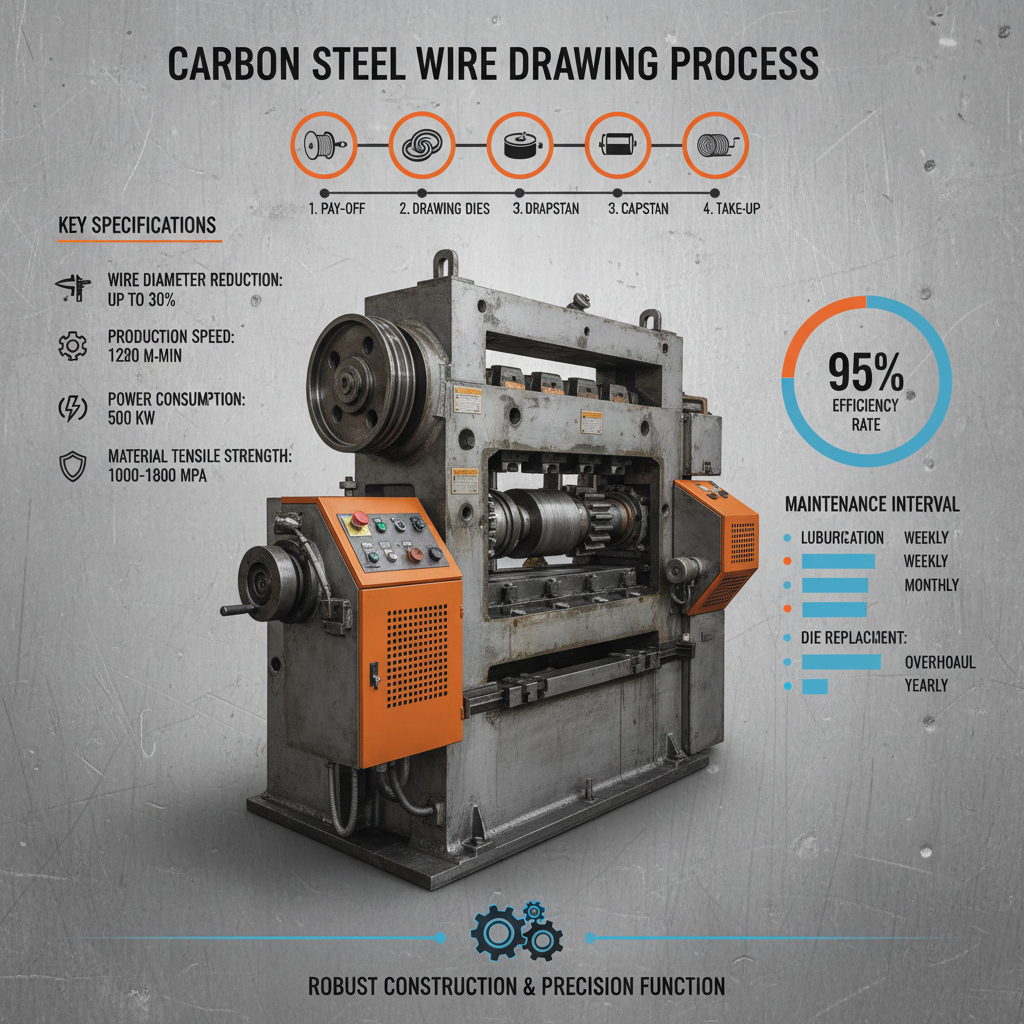
Regular maintenance is critical for ensuring the longevity and efficiency of your carbon steel wire drawing machine. This includes frequent die inspection and replacement, lubrication system checks, and motor maintenance. Proper die maintenance, including cleaning and polishing, extends die life and maintains consistent wire diameter. Monitoring the wire tension and speed is also essential for preventing breakage and ensuring optimal performance. Following the manufacturer's recommended maintenance schedule will help minimize downtime and maximize the machine’s lifespan.
Investing in a high-quality carbon steel wire drawing machine is a strategic decision for any business involved in wire production. Selecting the right machine, understanding its specifications, and implementing a robust maintenance program are crucial for achieving optimal performance, maximizing efficiency, and ensuring the production of high-quality wire products. Mesh Machinery offers a comprehensive range of solutions tailored to meet diverse industrial needs.
Most carbon steel wire drawing machines are capable of processing a wide range of carbon steel grades, including low, medium, and high carbon steel. However, the specific material properties, such as hardness and tensile strength, will influence the optimal drawing parameters. It's crucial to consult with the machine manufacturer to ensure compatibility with your specific steel grade. Using improper settings can lead to wire breakage or die wear. Some machines are also designed to handle alloy steels, offering greater versatility.
Lubrication is paramount in wire drawing. It reduces friction between the wire and the die, minimizing wear and tear on both components. Effective lubrication also lowers the drawing force required, decreasing energy consumption and improving machine efficiency. The type of lubricant used depends on the material being drawn and the drawing speed. Common lubricants include dry soaps, oil-based emulsions, and polymer coatings. Insufficient lubrication can lead to increased die wear, wire breakage, and surface defects.
The lifespan of a drawing die depends on several factors, including the material being drawn, the drawing speed, and the quality of lubrication. Generally, dies should be inspected regularly for wear and tear, such as cracks, chips, or surface imperfections. As a rule of thumb, dies should be replaced when the wire diameter variation exceeds acceptable tolerances or when significant wear is observed. Using worn dies can lead to inconsistent wire quality and increased risk of breakage.
Safety is paramount when operating a wire drawing machine. Always wear appropriate personal protective equipment (PPE), including safety glasses, gloves, and hearing protection. Ensure the machine is properly grounded and that all safety guards are in place. Never reach into the machine while it is in operation. Follow the manufacturer's safety guidelines and undergo proper training before operating the equipment. Regularly inspect the machine for any potential hazards and address them promptly.
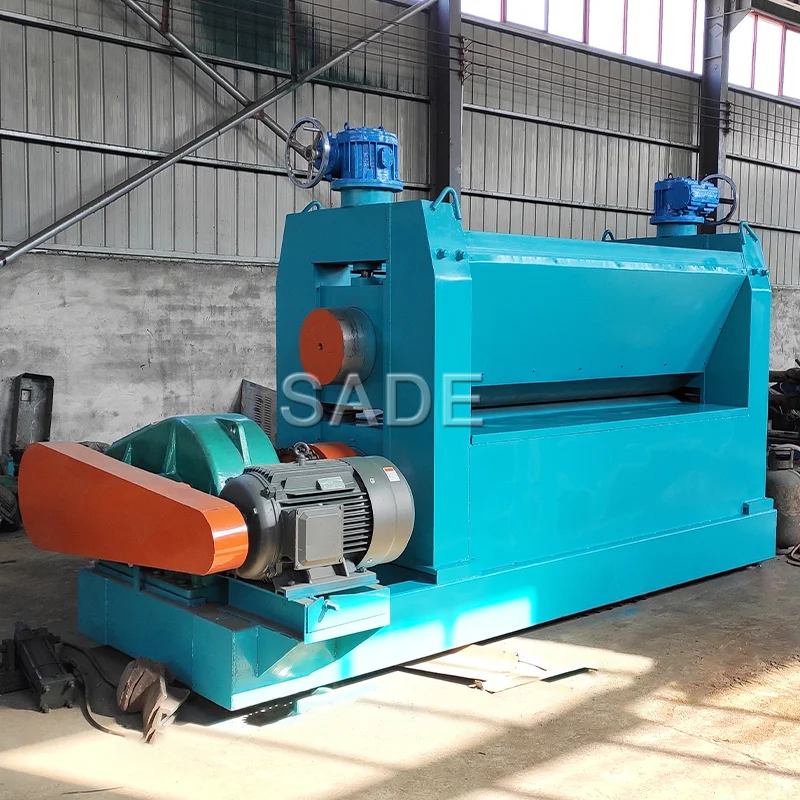
ZPJ Metal Mesh Flatting Machine
ZPJ metal mesh flatting machine is special designed for expanded metal flatting.It’s a corollary equipment of expanded metal machine. It can make expanded wire-mesh smoothly.And the flattened expanded metal have much more widely different applications.
Apr 24, 2026
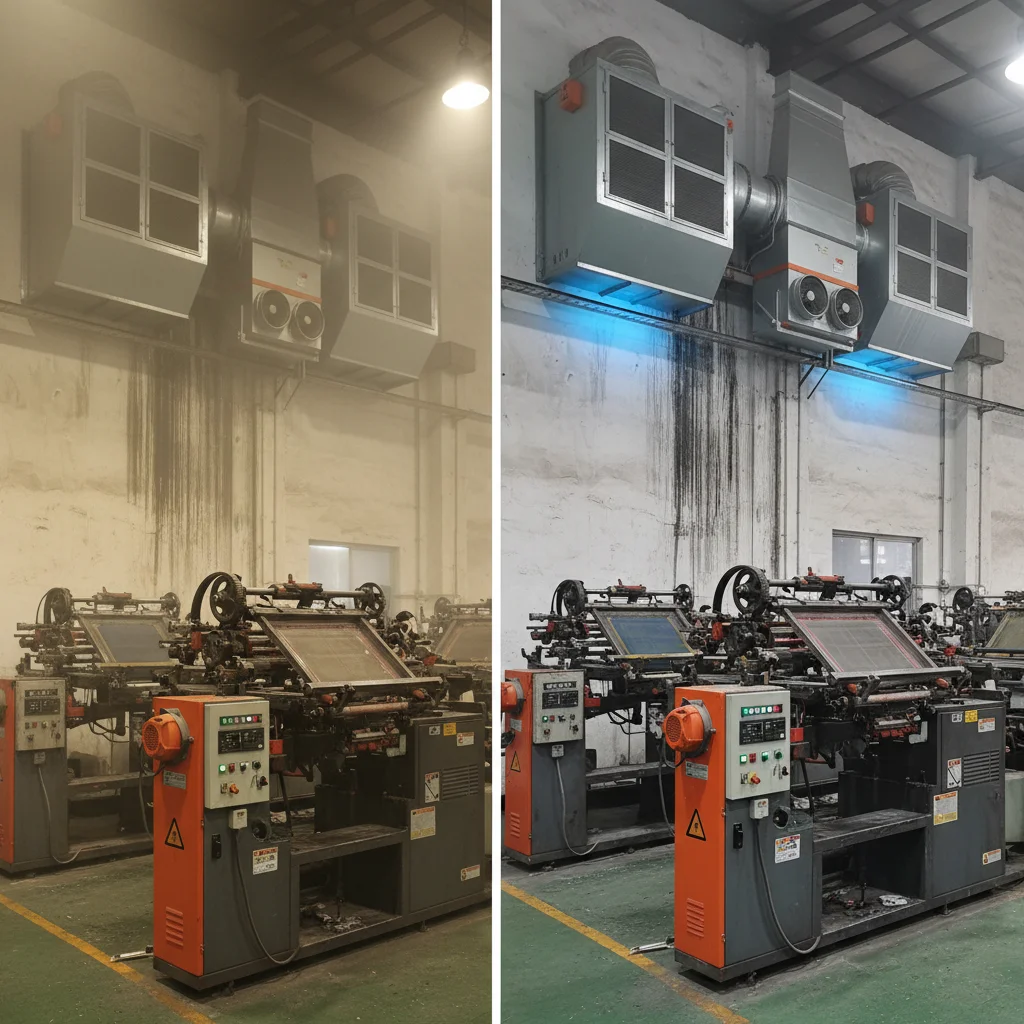
Industrial Wall Mounted Air Filtration for Clean Work Environments